

Here are the evidence-backed nutrients and products that fertility specialists actually recommend.
Trying to conceive can feel like a waiting game where you’re never quite sure if you’re doing enough. According to reproductive medicine research, about one in eight couples experience fertility challenges, and many turn to supplements as a practical first step before pursuing more intensive treatments.
The fertility supplement market is crowded with promises, but not all products deliver equal results. Some are basic nutritional insurance policies, like prenatal vitamins that cover common deficiencies.
Others are targeted nutrients such as CoQ10 or inositol that address specific aspects of egg quality, sperm health, or hormone balance.
Then there are herbal options like vitex that need more individualized guidance. The products below focus on what fertility clinics and reproductive endocrinologists commonly recommend, based on clinical evidence as opposed to marketing hype.
You’ll see a mix of person nutrients and comprehensive packs designed to simplify your routine.
Keep in mind that supplements work best alongside medical care, not as a replacement for it.
Fertility supplements that fertility doctors recommend
1. High-quality prenatal multivitamin
A prenatal multivitamin is the foundation of almost every fertility plan. These formulas pack folate, iron, iodine, vitamin D, B vitamins, and other micronutrients that support ovulation, early embryo development, and neural tube formation.
Most fertility clinics suggest starting a prenatal at least three months before you begin trying to conceive so your nutrient stores are already optimized when conception happens.
The difference between a basic multivitamin and a prenatal often comes down to higher folate levels, added choline for fetal brain development, and iron to prevent anemia during pregnancy.
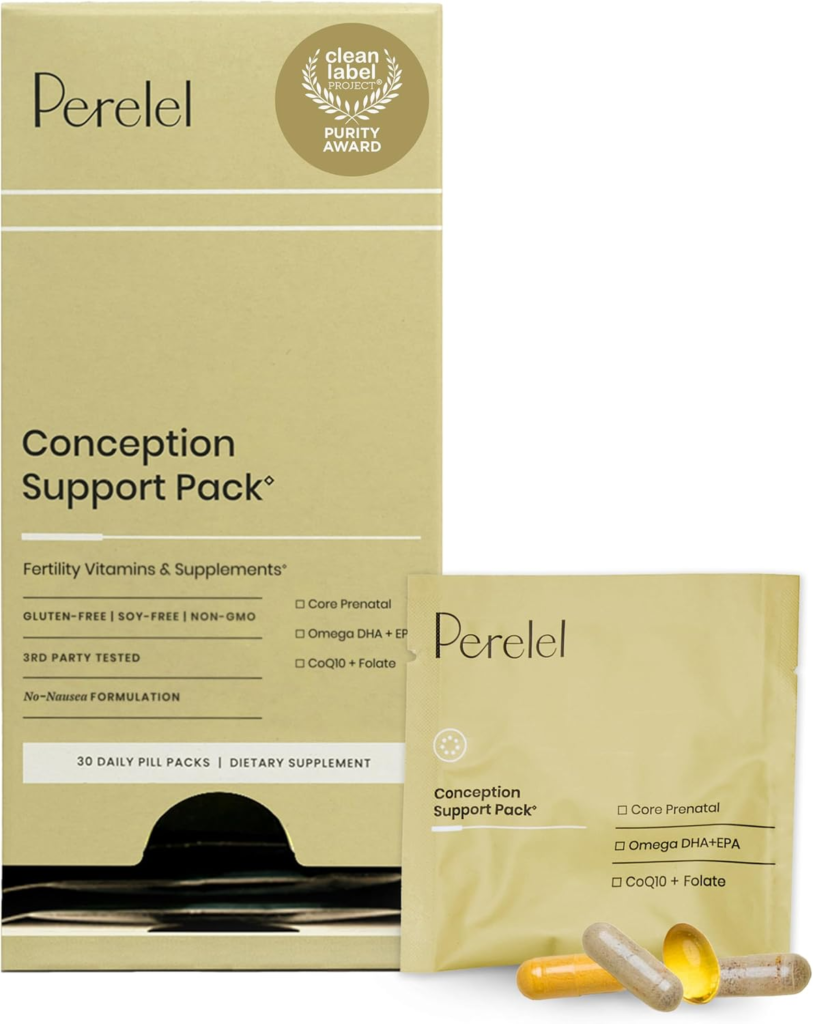
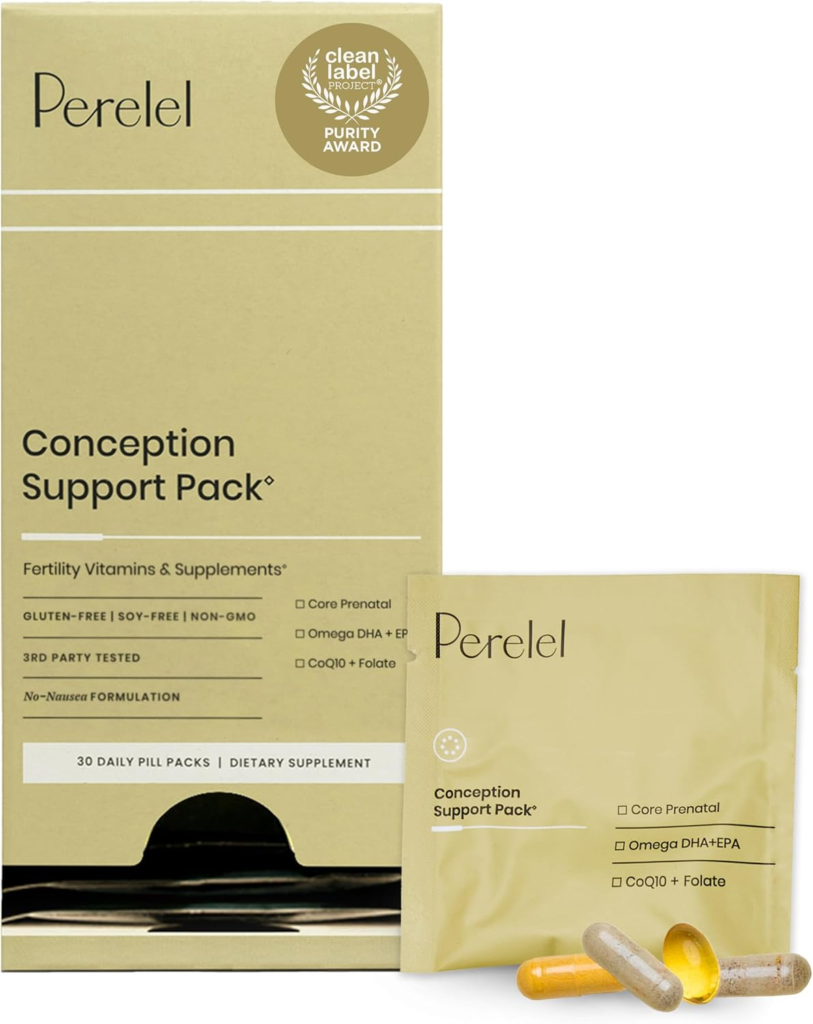
Example products: Perelel Conception Support Pack includes a prenatal plus targeted add-ons. Nature Made Prenatal with DHA and One A Day Prenatal Advanced with Choline are solid drugstore options that meet basic requirements.
Best for: Everyone trying to conceive, regardless of age or fertility status.
2. Folic acid or methylfolate
Folic acid is the single most universally recommended fertility supplement. This B vitamin supports DNA synthesis and is critical for preventing neural tube defects in the first few weeks of pregnancy, often before you even know you’re pregnant.
Research also links adequate folate intake with higher natural conception rates and improved IVF outcomes.
Men benefit too. Folate supports healthy sperm production and DNA integrity.
If you have a genetic variation called MTHFR that affects folate metabolism, methylfolate is the better choice because it’s the active form your body can use directly.
Most fertility protocols recommend 400 to 800 micrograms daily for women and around 400 micrograms for men, typically included in prenatal or multivitamin formulas.
Example products: Any quality prenatal with 400 to 800 mcg of folate or methylfolate will cover this base. Perelel Conception Support Pack includes extra folate for added coverage.
Best for: Everyone trying to conceive, starting at least three months before attempting pregnancy.
3. Coenzyme Q10 (CoQ10)
CoQ10 is a powerhouse antioxidant that fuels mitochondria, the energy centers in every cell, including eggs and sperm. Egg quality declines with age largely because mitochondrial function decreases.
CoQ10 supplementation can improve ovarian response and egg quality, especially for people over 35 or those with diminished ovarian reserve.
In men, CoQ10 has been linked with better sperm count, concentration, and motility. Many reproductive endocrinologists prescribe CoQ10 for both partners during the preconception period.
Fertility doses typically range from 100 to 600 mg daily, often split into two doses. Ubiquinol is the more bioavailable form and is usually preferred over ubiquinone.
Example products: Needed CoQ10 is formulated specifically for fertility support. Perelel includes CoQ10 in their Conception Support Pack.
Many standalone CoQ10 supplements are available, but look for ubiquinol for better absorption.
Best for: People over 30, anyone with concerns about egg or sperm quality, or those preparing for IVF.
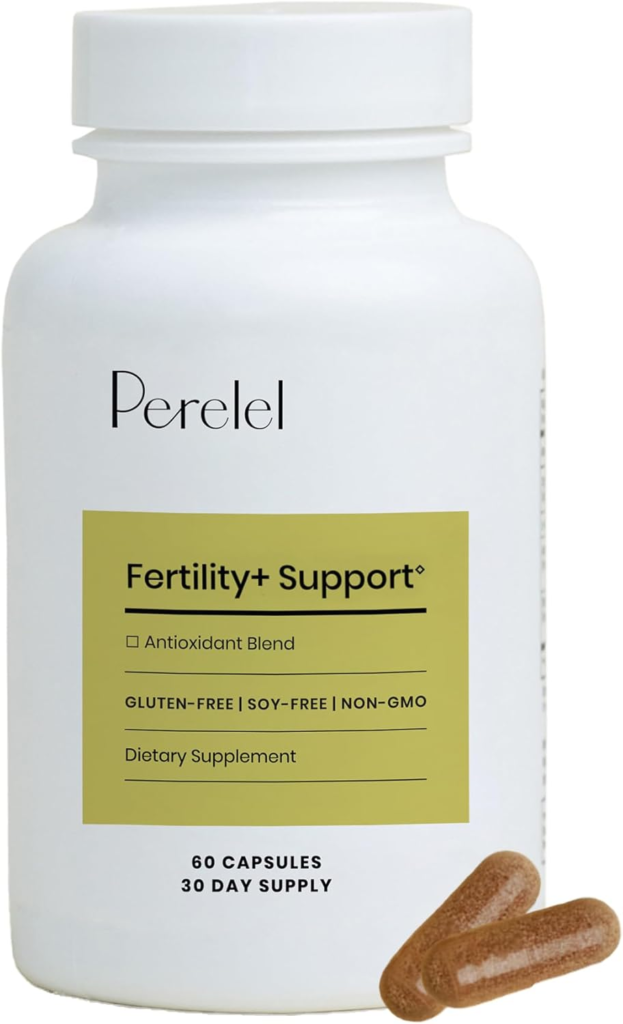
Perelel Fertility Support, Antioxidant Multivitamin with COQ10
4. Omega-3 fatty acids (fish oil or algae oil)
Omega-3s like EPA and DHA reduce inflammation throughout the body, including reproductive tissues. They support healthy hormone production, improve cell membrane fluidity, and contribute to better embryo implantation.
Once you’re pregnant, DHA is crucial for fetal brain and eye development.
Omega-3s also benefit sperm health by improving membrane structure and overall motility. Most people don’t get enough omega-3s from diet alone, which makes supplementation practical.
Many fertility-focused brands combine omega-3s with prenatal vitamins in all-in-one packs.
Example products: Needed Omega-3 is included in their fertility plans. Perelel Conception Support Pack also contains omega-3s.
Standalone fish oil or algae oil supplements work well if you prefer to build your own routine.
Best for: Most people trying to conceive, especially those who don’t eat fatty fish regularly.
5. Vitamin D3
Vitamin D functions more like a hormone than a vitamin, playing a key role in endocrine and immune regulation. Low vitamin D levels are extremely common, particularly in northern climates or for people who spend most of their time indoors.
Studies link optimal vitamin D status with improved IVF success rates, better ovarian function, and healthier uterine lining development.
Vitamin D may also help manage PCOS and endometriosis, both conditions associated with reduced fertility. Blood tests can reveal if you’re deficient, and many fertility doctors check this routinely.
Standard supplemental doses range from 600 to 2,000 IU daily, often included in prenatals. Higher doses are sometimes prescribed short-term under medical supervision.
Example products: Most quality prenatals from Needed, Perelel, Nature Made, and One A Day include vitamin D. If your levels are very low, your doctor may recommend a separate higher-dose supplement.
Best for: Anyone with low vitamin D levels (confirmed by blood test) or those with limited sun exposure.
6. Inositol (myo-inositol and D-chiro-inositol)
Inositol is a game changer for people with PCOS. It improves insulin sensitivity, supports regular ovulation, and helps regulate cycle length.
Clinical evidence shows that myo-inositol and D-chiro-inositol together can promote ovulation, improve egg quality, and reduce insulin resistance without the side effects of pharmaceutical interventions.
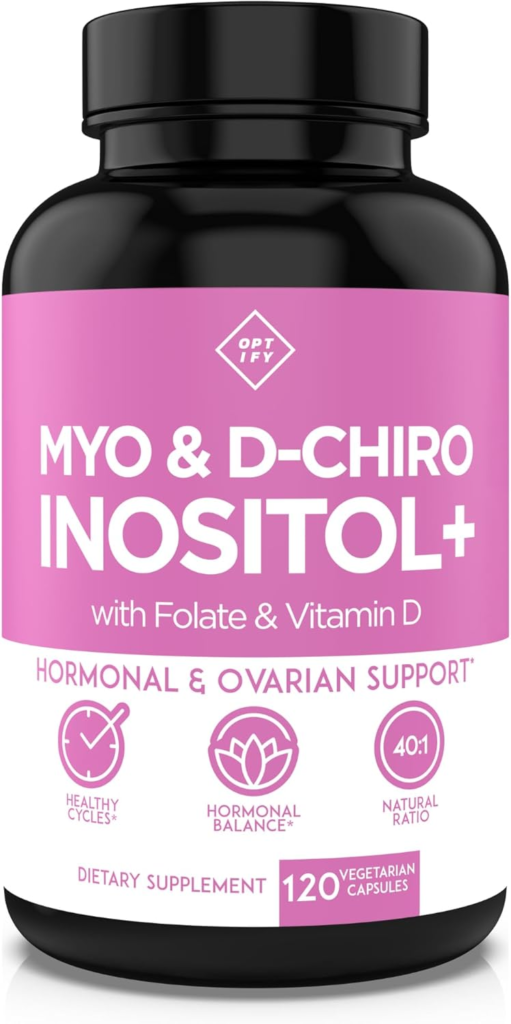
Many fertility clinics use inositol as a first-line approach for PCOS patients before moving to stronger medications. The two forms of inositol are typically combined in ratios that mirror what’s found naturally in the body, usually 40:1 myo to D-chiro.
Example products: Dedicated myo-inositol and D-chiro-inositol powders or capsules are widely available and used in PCOS support protocols. Look for products that provide both forms in the research-backed 40:1 ratio.
Best for: People with PCOS, irregular cycles, or insulin resistance.
7. N-acetyl-cysteine (NAC)
NAC is an amino acid that boosts glutathione, one of your body’s most important antioxidants. By reducing oxidative stress and inflammation, NAC may improve egg and embryo quality.
It’s been studied specifically in PCOS and endometriosis, conditions where oxidative stress tends to be elevated.
NAC may help promote more regular ovulation and improve fertility outcomes when these conditions are present. It also shows up in some male fertility formulas because it supports sperm health.
Example products: Sperm Support+ formulas often contain NAC. Standalone NAC capsules are widely available but should be used under practitioner guidance, especially if you’re undergoing fertility treatments.
Best for: People with PCOS, endometriosis, or elevated oxidative stress markers.
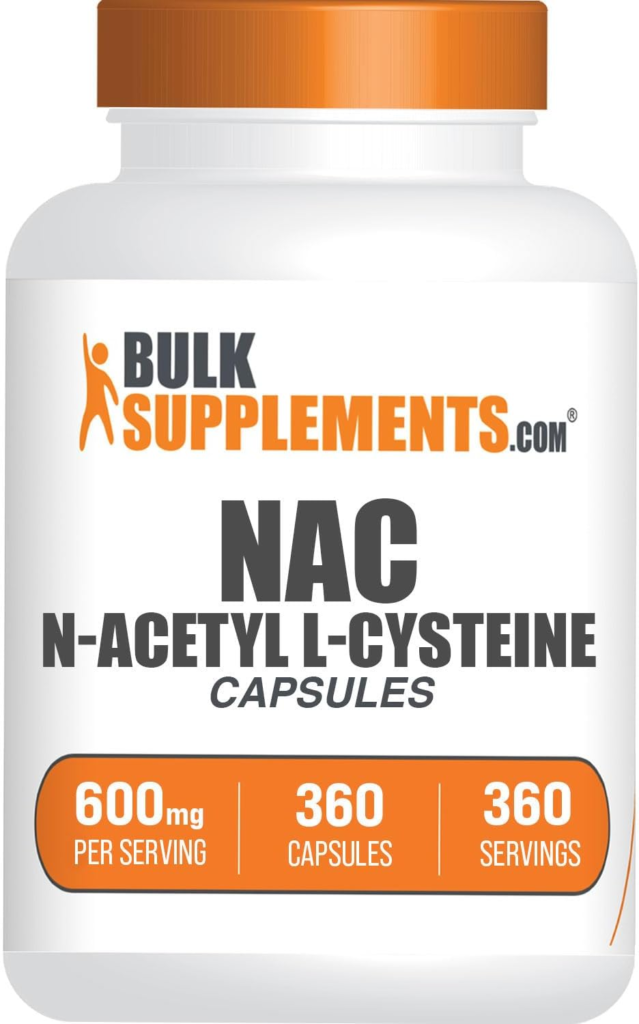
BulkSupplements.com N-Acetyl L-Cysteine Capsules – N-Acetyl Cysteine
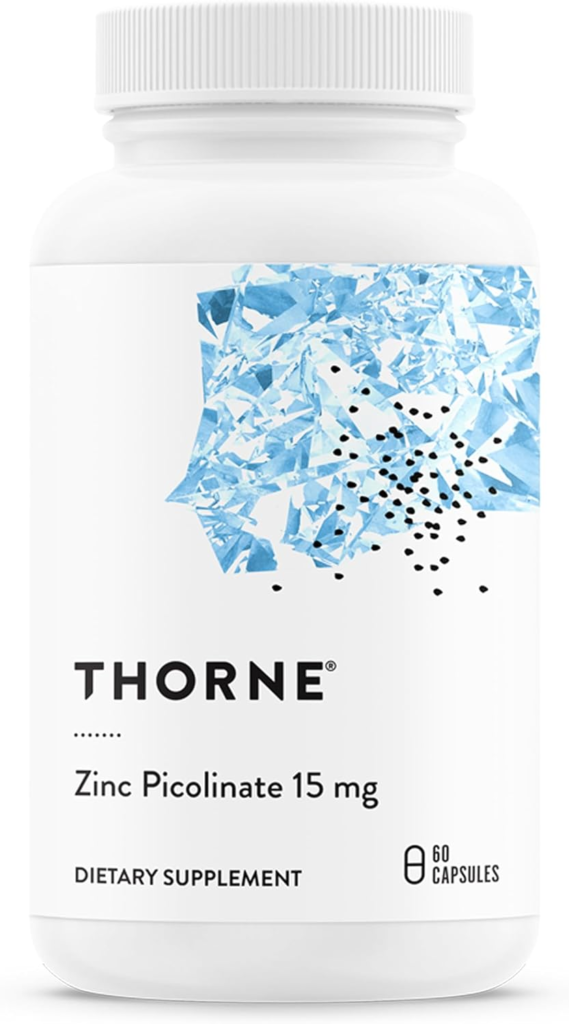
8. Zinc
Zinc is essential for reproductive hormone production, ovulation, and sperm development. In men, adequate zinc intake is strongly associated with better sperm volume, motility, and morphology.
Zinc deficiency is linked with various sperm abnormalities and reduced testosterone levels.
In women, zinc supports healthy ovulation and progesterone production during the luteal phase. Most fertility multivitamins include zinc, but some practitioners recommend additional supplementation for men with low sperm counts.
Daily doses for fertility typically range from 10 to 25 mg, sometimes up to 50 mg short-term under medical guidance.
Example products: Zinc is included in most male fertility blends and quality prenatals. Standalone zinc supplements are also available if testing reveals deficiency.
Best for: Men with low sperm counts or poor sperm quality, and women with irregular ovulation.
9. Selenium
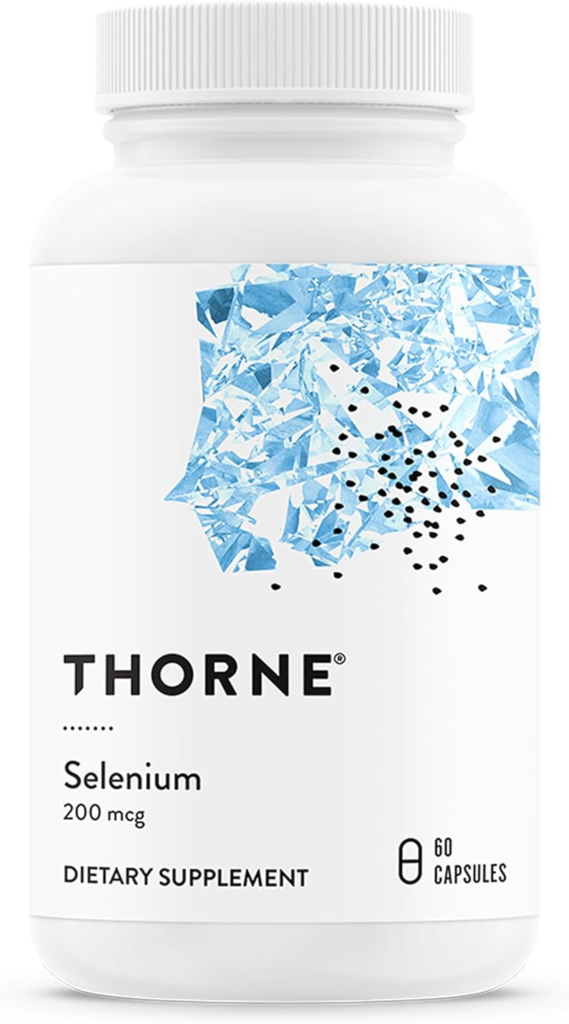
Selenium is an antioxidant mineral that supports thyroid function and protects reproductive tissues from oxidative damage. Adequate selenium levels may improve sperm motility and support healthy embryo development.
Because thyroid health is closely tied to fertility, selenium’s role in thyroid hormone metabolism adds another layer of importance.
Selenium has a narrow safety window, meaning there’s not much room between an effective dose and a toxic one, so most supplements provide modest amounts.
Example products: Prenatal and male fertility formulas typically include 50 to 200 mcg of selenium, which is within the safe and effective range.
Best for: People with thyroid issues, men with low sperm motility, or anyone with known selenium deficiency.
10. B vitamins (B6, B12, and B-complex)
B vitamins power cell division, energy production, and methylation, all of which are basic to fertility. Vitamin B6 may help balance hormones and support better ovulatory cycles, improving conception odds.
It’s often recommended for PMS symptoms that may signal progesterone imbalances.
Vitamin B12 supports egg development, implantation, and early neural development in pregnancy. This is especially important for vegetarians and vegans, who are at higher risk for B12 deficiency.
Most quality prenatals provide balanced amounts of B vitamins, so separate supplementation isn’t usually necessary unless testing reveals deficiency.
Example products: Full-spectrum prenatals from Needed, Perelel, Nature Made, and One A Day include B6 and B12 in suitable amounts.
Best for: Everyone trying to conceive, especially vegetarians, vegans, and those with known B vitamin deficiencies.
11. Vitamin C
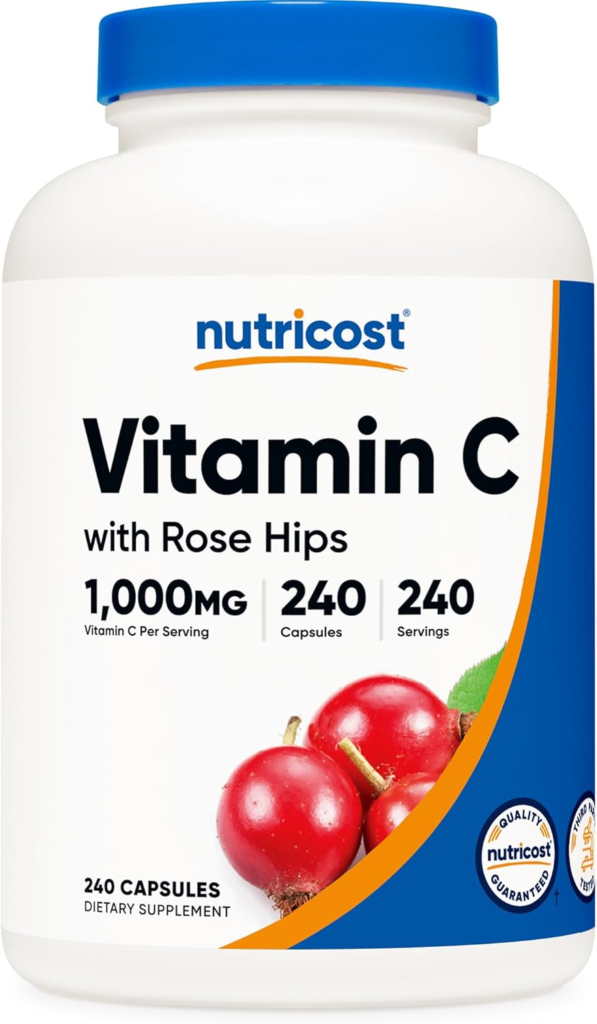
Vitamin C acts as an antioxidant in reproductive tissues and supports immune health. Research associates vitamin C supplementation with shorter time to pregnancy.
In men, vitamin C combined with vitamin E has been shown to improve sperm count, motility, and sometimes DNA quality.
Typical daily intakes are around 75 mg for women and 90 mg for men at least, though fertility protocols often use higher amounts.
Example products: General antioxidant complexes and male fertility blends often combine vitamins C and E. Most prenatals also include vitamin C.
Best for: Men with poor sperm parameters and anyone looking to boost overall antioxidant protection.
12. Vitamin E
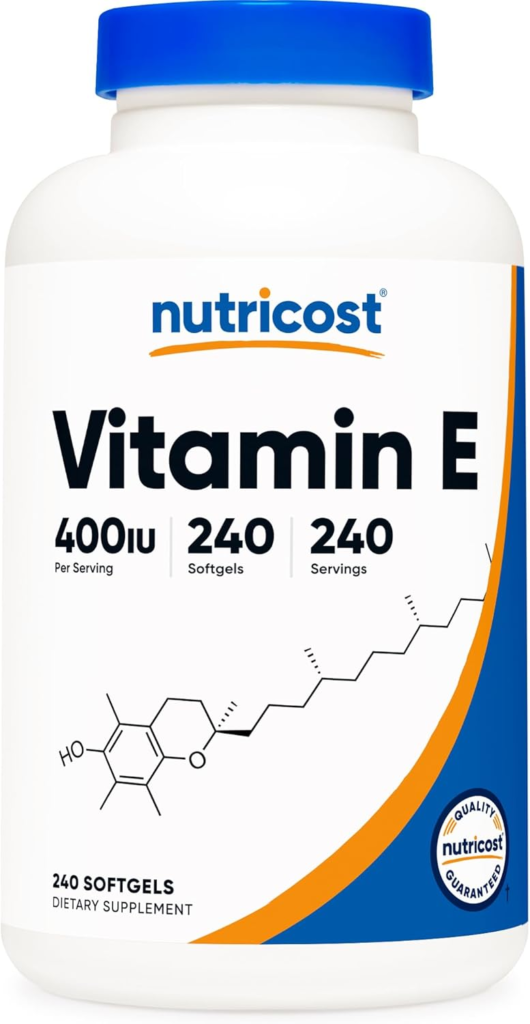
Vitamin E protects cell membranes from oxidative damage, including the membranes surrounding eggs and sperm. Studies suggest vitamin E supports overall reproductive function and may improve egg quality in women.
In men, it’s often combined with vitamin C and other antioxidants in sperm support formulas.
Example products: Male fertility antioxidant blends and general antioxidant supplements typically include vitamin E. Look for mixed tocopherols for better bioavailability.
Best for: People over 35, men with sperm quality concerns, or anyone with high oxidative stress.
13. Probiotics
Probiotics support a healthy gut microbiome, which influences hormone metabolism, immune function, and systemic inflammation. A balanced gut environment improves nutrient absorption from both food and supplements, indirectly supporting fertility.
There’s growing research into connections between gut health, vaginal microbiome, and fertility outcomes, though this field is still developing. Some fertility companies now include prebiotics and probiotics in both egg and sperm support products.
Example products: Needed Sperm Support+ includes prebiotics and probiotics. Standalone women’s health probiotic blends can be used alongside prenatals.
Best for: Anyone with digestive issues, a history of antibiotic use, or general gut health concerns.
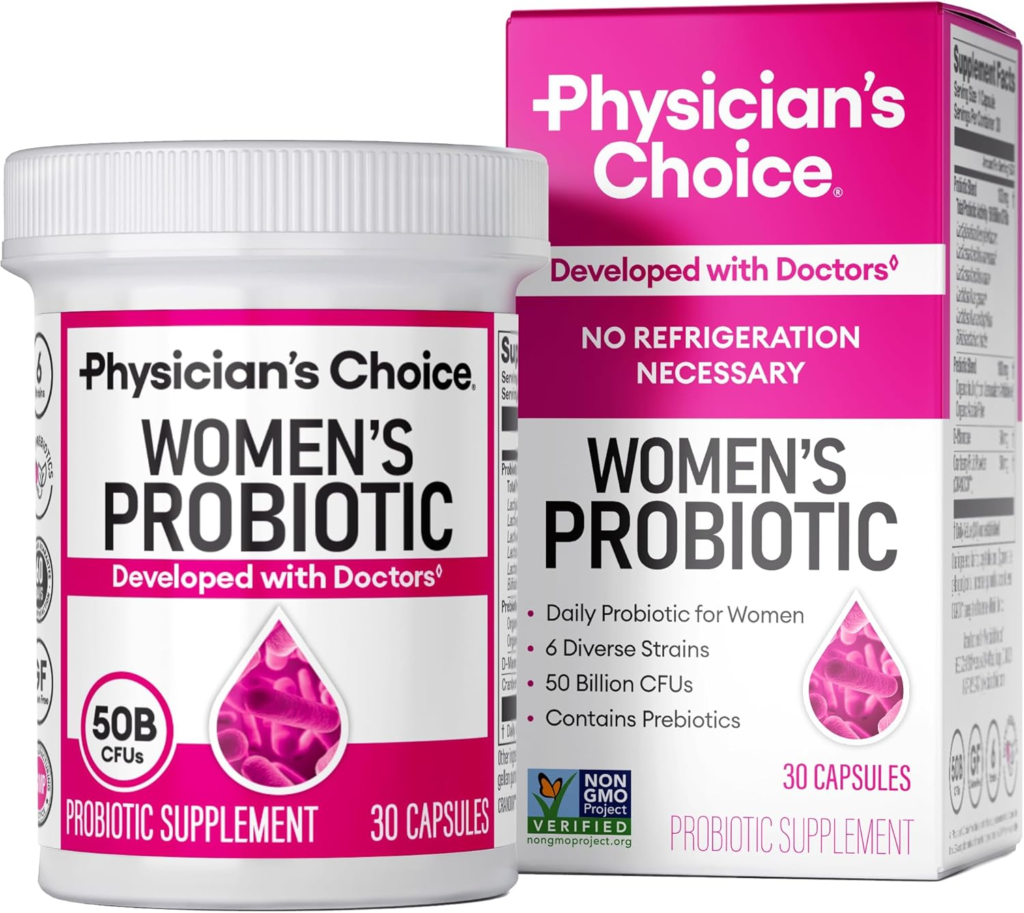
Physician’s CHOICE Probiotics for Women
14. DHEA (dehydroepiandrosterone)
DHEA is a hormone precursor that converts into estrogen and testosterone. In some women with diminished ovarian reserve or poor response to IVF, DHEA has been studied as a way to improve egg yield and embryo quality.
However, evidence is mixed, and because DHEA significantly affects hormone levels, it requires close medical supervision.
DHEA is not suitable for everyone. It should never be started without medical guidance, especially in people with normal or elevated androgen levels, where it could worsen symptoms.
Example products: Prescription or clinician-recommended DHEA preparations are used only for women specifically selected by fertility clinics based on their hormone profiles and response to treatment.
Best for: Women with diminished ovarian reserve under direct fertility specialist care only.
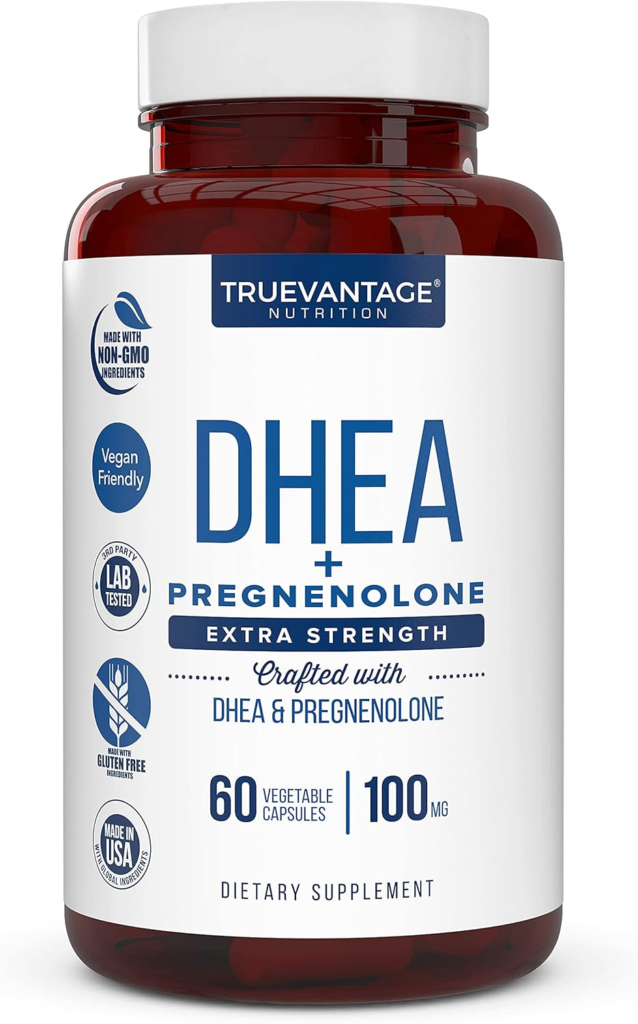
15. Melatonin
Melatonin is primarily known as a sleep hormone, but it also functions as an antioxidant within ovarian follicles. Some fertility protocols include low-dose melatonin to support egg quality and improve sleep quality during IVF cycles.
Better sleep helps regulate cortisol and reproductive hormones that follow circadian rhythms.
Melatonin can interact with certain medications and isn’t recommended during pregnancy without medical supervision.
Example products: Low-dose melatonin supplements (usually 3 to 5 mg) are sometimes suggested in IVF settings. Always discuss with your clinic before adding this.
Best for: People undergoing IVF or those with documented sleep issues affecting fertility.
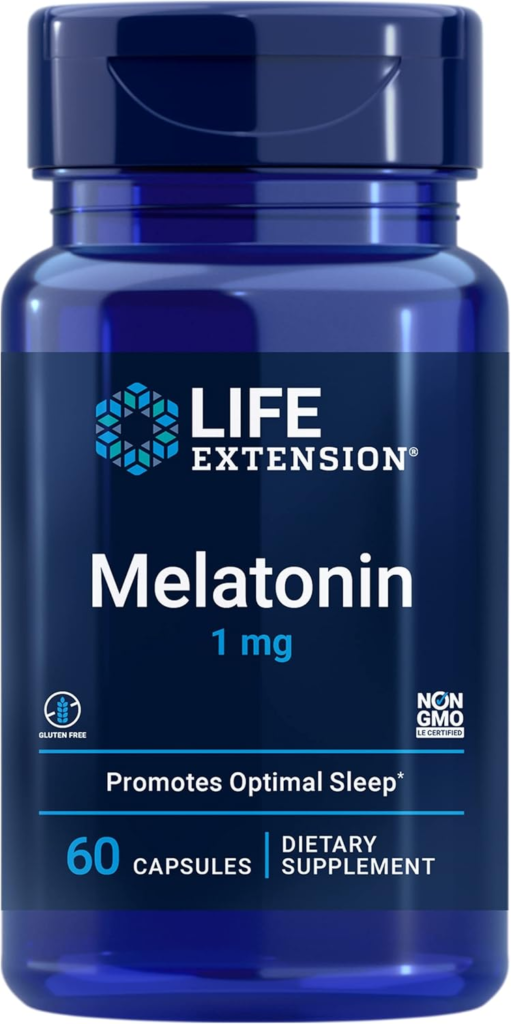
Life Extension Melatonin
16. Acetyl-L-carnitine
Acetyl-L-carnitine is involved in mitochondrial energy production and fatty acid metabolism. Research focuses mainly on male fertility, where acetyl-L-carnitine has been shown to improve sperm motility and overall sperm function.
Limited data suggest it may help with some PCOS symptoms, which could have secondary fertility benefits.
It’s typically taken in the morning, with doses ranging from 500 to 2,500 mg daily in research studies.
Example products: Standalone acetyl-L-carnitine capsules are used in male fertility programs. Some comprehensive male fertility blends include this nutrient.
Best for: Men with poor sperm motility or morphology.
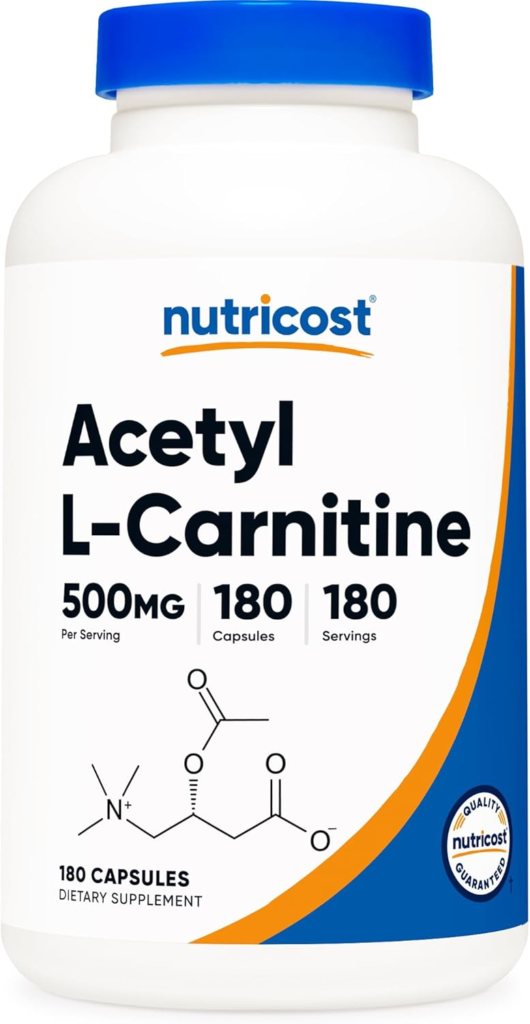
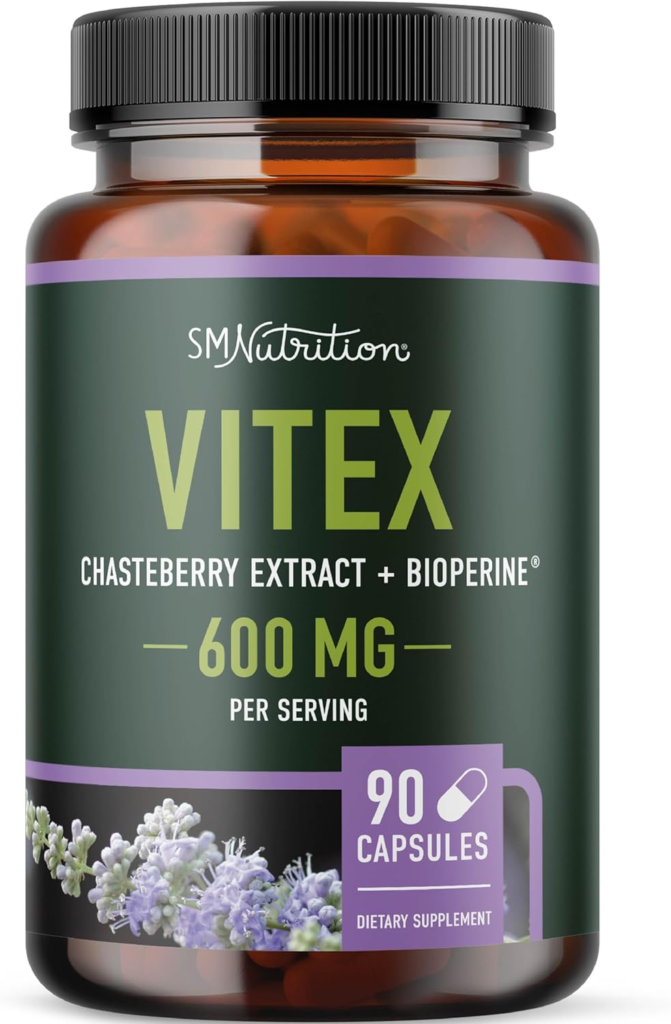
17. Vitex (chasteberry)
Vitex is an herb traditionally used for menstrual irregularities and PMS. It appears to work at the pituitary level, affecting prolactin and helping normalize luteal phase length and cycle regularity in some people.
For those with short luteal phases or irregular bleeding patterns, vitex can be part of a supervised fertility plan.
Vitex should not be used during pregnancy and can interact with dopamine-related medications or worsen hormone-sensitive conditions. Herbalist or clinician guidance is important here.
Example products: Single-herb chasteberry tinctures or capsules are available, but should only be used under practitioner supervision.
Best for: People with irregular cycles, short luteal phase, or mild prolactin issues, under professional guidance.
18. Comprehensive fertility packs
Several reputable companies bundle evidence-informed nutrients into “conception” or “fertility” packs. These typically include a prenatal or multivitamin, omega-3s, CoQ10, and sometimes extra antioxidants or sperm-specific nutrients.
These packs simplify your routine and provide coordinated doses designed by reproductive health specialists.
Example products: Perelel Conception Support Pack includes prenatal, CoQ10, omega-3s, and extra folate. Needed offers a Fertility Trio or Egg and Sperm Support Duo with prenatal, omega-3, CoQ10, and targeted sperm support.
Best for: People who want a finish, coordinated approach without researching person supplements.
My top pick: Prenatal plus CoQ10
If you’re only going to make one change, start with a high-quality prenatal that includes adequate folate, vitamin D, iron, iodine, and B vitamins. This addresses many common deficiencies at once and supports early fetal development from day one, even before you confirm pregnancy.
Prenatals are nearly universally recommended in fertility guidelines and provide the broadest coverage for the investment.
Adding CoQ10 on top of a solid prenatal is the second most impactful step for most people trying to conceive, particularly after age 30 or when there are concerns about egg or sperm quality. CoQ10’s role in mitochondrial energy and its antioxidant effects directly support egg maturation and sperm motility.
A practical starting point for many couples looks like this: Begin a clinician-approved prenatal at least three months before trying to conceive. Add CoQ10 for both partners if age, history, or lab results suggest egg or sperm quality could benefit.
Layer in more targeted supplements only as needed based on testing and professional recommendations.
Once you choose a plan, stick with it consistently. Most fertility nutrients need at least three to six months to meaningfully influence egg development, sperm production, and cycle patterns.
Eggs take about three months to mature and sperm take about two to three months to fully develop, so changes won’t happen overnight.
Frequently asked questions
How long before you see results from fertility supplements?
Eggs take about three months to mature and sperm need about two to three months to fully develop. Most fertility clinics recommend following a supplement plan for at least three months, and often six months, before evaluating whether it helped. This timeline is especially important for CoQ10, inositol, NAC, and antioxidant support that target egg and sperm quality as opposed to immediate hormone changes.
If you’re tracking cycles and symptoms carefully, you may notice changes in cycle regularity or PMS symptoms within one to two cycles, but conception outcomes take longer to assess.
Can you take too many fertility supplements at once?
Many fertility nutrients are safe together when doses stay within recommended ranges and the plan is coordinated. A prenatal is designed as a foundation, and omega-3s, vitamin D, and CoQ10 are commonly layered on top without issue. Problems arise when you start adding separate high-dose minerals, many herbal hormone modulators, or hormone precursors like DHEA without a coordinated plan.
This can create nutrient excesses or unwanted interactions.
Reviewing all supplements with a knowledgeable clinician helps prevent duplication and keeps total doses in a safe range.
Do men actually need fertility supplements?
Male fertility contributes to about half of all conception outcomes, and male-factor issues are present in many couples experiencing infertility. Nutrients like zinc, selenium, CoQ10, folate, vitamins C and E, NAC, and acetyl-L-carnitine are specifically linked with improved sperm count, motility, morphology, and DNA quality.
A basic male multivitamin or targeted sperm support formula can be just as important as a prenatal for the partner providing sperm.
Don’t overlook this side of the equation.
Should you continue taking fertility supplements during IVF or IUI?
Many fertility centers recommend continuing prenatals, vitamin D, omega-3s, and CoQ10 during IVF and IUI cycles to support egg quality, uterine lining development, and early embryo health. In specific situations, clinics may add DHEA, NAC, melatonin, or inositol for poor responders, PCOS, or endometriosis.
At the same time, some clinics prefer to stop certain herbs or high-dose antioxidants around egg retrieval or embryo transfer.
Protocols vary significantly between centers, so follow your specific clinic’s guidance closely during treatment cycles.
Are herbal fertility teas as good as evidence-based supplements?
Herbal blends containing vitex, maca, red clover, or ashwagandha are popular and some have emerging evidence for hormone and stress support. However, research on many herbs stays limited or mixed, and doses in teas and over-the-counter blends vary widely.
These products might provide mild support but don’t replace foundational nutrients like folate, vitamin D, omega-3s, and CoQ10 that have stronger clinical evidence.
Herbs are best used as optional add-ons under professional guidance, not as the core of your fertility supplement plan.
When should you avoid or use fertility supplements very cautiously?
Certain health conditions need extra care with supplementation. Thyroid disease can be affected by iodine, selenium, and high-dose biotin, which may interfere with lab results or thyroid function.
If you have clotting disorders or take blood thinners, high-dose vitamin E, omega-3s, and some herbs can increase bleeding risk.
Hormone-sensitive cancers usually mean avoiding hormonal herbs and DHEA entirely. Kidney or liver disease affects how your body processes and clears supplements.
In these situations, a fertility-informed medical team should review and approve every supplement you take, and labs may need closer monitoring.
What if blood tests show your nutrient levels are already normal?
Normal levels don’t always mean optimal levels for fertility. Some nutrients, like CoQ10, don’t have standard blood tests used in routine care.
Others, like vitamin D, may fall within the “normal” reference range but still be suboptimal for reproductive health.
Many fertility specialists target the higher end of normal ranges for nutrients like vitamin D, B12, and iron. That said, if your levels are truly adequate and your fertility workup doesn’t reveal specific concerns, adding high doses of person nutrients may not provide additional benefit.
This is where working with a fertility-focused practitioner helps you make informed decisions based on your complete picture, not just isolated lab values.
References
[1] RMA Network. “Top Fertility Supplements to Support Reproductive Health.”
[2] Needed. “Fertility Supplements For Women & Men.”
[3] Fertility Specialists of Indiana. “Boost Your Chances with Fertility Supplements.”
[4] Fertility Centers of Illinois. “The Dos and Don’ts of Fertility Supplements.”
[5] CCRM Fertility. “10 Best Supplements for Trying to Conceive.”
[6] Perelel Health. “Conception Support Pack.”
[7] Haven Women’s Center. “Top Fertility Supplements to Help You Conceive.”
[8] Progyny. “The Best Vitamins and Supplements to Boost Your Fertility.”
[9] Shady Grove Fertility. “The Essential Guide to Vitamins and Nutrients for Fertility and Pregnancy.”
[10] NIH / PMC. “Dietary Supplements for Female Infertility: A Critical Review of the Evidence.”
Disclaimer
The information contained in this post is for general information purposes only. The information is provided by 18 Fertility-Boosting Supplements Worth Trying and while we endeavor to keep the information up to date and correct, we make no representations or warranties of any kind, express or implied, about the completeness, accuracy, reliability, suitability or availability with respect to the website or the information, products, services, or related graphics contained on the post for any purpose.