

Every purchase we make carries an invisible weight, a ripple effect that extends far beyond the checkout counter. Modern consumer culture has built itself on convenience, speed, and endless choice, but these conveniences come at a cost that our planet is increasingly struggling to bear.
Americans alone produced 292 million tons of trash in 2018, averaging just under 2,000 pounds per person. That’s essentially a small car’s worth of waste for every man, woman, and child.
Greenwashing makes it genuinely difficult to identify truly eco-friendly products.
Sustainable options often carry higher price tags. Conflicting certifications leave even well-intentioned shoppers confused. Add to this the accessibility issues in rural areas, the convenience of fast fashion, and the sheer overwhelm of trying to make perfect choices every single time, and no wonder many people give up before they start.
But here’s what I’ve learned through years of refining my own shopping habits: sustainable shopping means making intentional choices. Small, consistent decisions compound into meaningful impact over time.
And perhaps most importantly, the most sustainable purchase is often the one you don’t make at all.
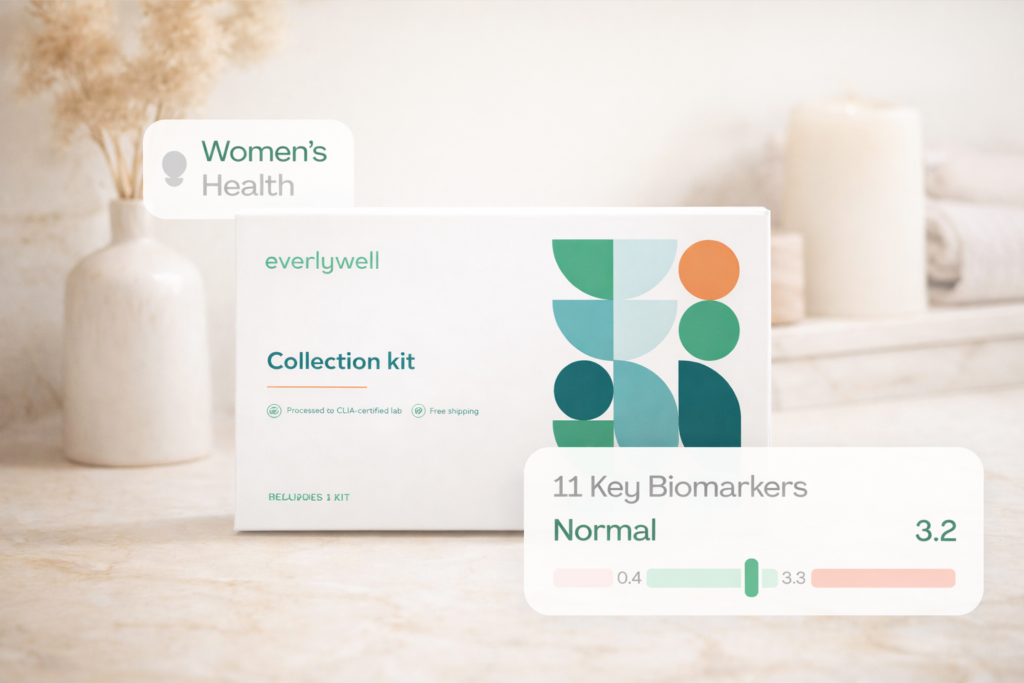
Everlywell Women’s Health Test – At-Home Screening
Wondering about your hormonal health, reproductive wellness, or perimenopause symptoms? This at-home test provides insights into key hormones affecting your overall health, all from the comfort of your home.
- ✔ Measures estradiol, progesterone, FSH, and LH
- ✔ CLIA-certified lab analysis
- ✔ Physician-reviewed, easy-to-read results
- ✔ Simple finger-prick blood sample from home
FSA/HSA eligible • Test from home • Personalized hormone insights
Understanding the Real Impact of Consumer Choices
The true environmental cost of our shopping habits extends well beyond the physical products we bring home. Ocean-going shipping alone uses over 300 million tons of fossil fuels annually and contributes up to 3% of global greenhouse gas emissions.
That’s just the transportation.
Factor in manufacturing, packaging, warehousing, retail operations, and eventual disposal, and the numbers become staggering.
What really makes this complicated is that not all “green” choices are actually green. Take reusable cotton tote bags, for example.
They’ve become the symbol of eco-conscious shopping, yet cotton tote bag manufacturing can significantly impact the environment because of water and chemical requirements.
A cotton tote needs to be used thousands of times to offset its production impact compared to plastic bags. Bags made from recycled polyester or polypropylene actually prove more sustainable in many cases.
This is where shopping sustainably gets really interesting. You need to think beyond surface-level marketing claims and dig into the actual lifecycle impacts of products.
Local doesn’t automatically mean sustainable if the local producer uses intensive farming methods.
Organic doesn’t always win if the organic product needs heated greenhouses while conventional choices grow naturally in season elsewhere. Secondhand isn’t the finish answer when thrift stores in some regions experience saturation and items still end up in landfills.
The complexity shouldn’t paralyze you, though. Instead, it should tell a more sophisticated approach to consumption, one that considers many factors and thanks that perfect choices rarely exist.
You can make better decisions without making perfect ones.
Each improvement matters, even when it falls short of ideal.
1. Plan Your Purchases with Intention
The foundation of sustainable shopping starts before you ever leave your house. I’ve found that creating a detailed shopping list based on planned meals for the week eliminates roughly 40% of my impulse purchases.
That’s not just an environmental win, it’s also a significant financial one.
Here’s how this works in practice. Every Sunday evening, I spend about 20 minutes planning the week’s meals and creating a comprehensive shopping list.
This list includes everything from groceries to household items, organized by category and store.
When I shop with this list, I stick to it religiously, avoiding the aisles that don’t contain items I need.
This approach accomplishes several sustainability goals simultaneously. First, it reduces food waste dramatically because I’m buying ingredients I know I’ll use.
Second, it minimizes packaging waste because I’m not picking up random items that catch my eye.
Third, it reduces my carbon footprint from transportation because I’m making one planned trip instead of many convenience runs throughout the week.
The psychological shift matters too. Shopping with intention changes the experience from entertainment or stress relief into a purposeful task.
This eliminates impulse buying, which drives much of the waste in our consumer system.
Fast fashion thrives on impulse. Single-use gadgets depend on it.
Excessive packaging targets it.
When you shop intentionally, you opt out of this entire cycle.
There’s also something deeply satisfying about this approach. Instead of arriving home with bags full of random purchases and wondering what you’ll actually use, you come back with exactly what you need and a clear plan for how everything will be used. The reduction in decision fatigue alone makes it worthwhile.
I’ve also started applying this same intentionality to non-food purchases. Before buying anything, I wait 72 hours and ask myself whether I genuinely need it or just want it in the moment.
This simple waiting period has prevented countless unnecessary purchases.
Most items I think I desperately need on Monday seem completely unimportant by Thursday.
2. Embrace Secondhand and Prioritize Durability
Fast fashion represents one of the most destructive forces in modern consumer culture. These items are explicitly designed to last just a few months or one seasonal trend cycle.
The business model depends on constant turnover, with new styles replacing old ones in a never-ending cycle that fills landfills faster than we can process them.
Shopping secondhand breaks this cycle completely. When you buy used clothing, furniture, appliances, and household items, you extend the functional life of products that would otherwise end up as waste.
Thrift stores, consignment shops, online resale platforms, and vintage markets offer incredible variety, often at a fraction of retail prices.
I’ve furnished entire rooms from secondhand sources, finding solid wood furniture that’s lasted decades and will continue functioning long after cheaply made particle board choices would have failed. The quality difference is immediately obvious. Older items were often built to last because planned obsolescence hadn’t yet become the dominant manufacturing philosophy.
The environmental mathematics here are straightforward. Manufacturing new products needs raw materials, energy, water, and transportation.
Using existing products eliminates all of that.
A single secondhand purchase prevents one new item from being manufactured, which matters more than we typically thank.
But secondhand shopping needs a different mindset than retail. You can’t expect to find exactly what you want exactly when you want it.
Instead, you need patience and flexibility.
I’ve learned to keep running lists of items I’m looking for, then check secondhand sources regularly. When something on my list appears, I grab it.
This approach takes longer but yields far better results both environmentally and financially.
The quality-over-quantity principle extends beyond secondhand shopping. When you do buy new items, investing in well-made, durable pieces proves more sustainable than repeatedly purchasing cheap alternatives.
A high-quality winter coat might cost three times more than a cheap one, but if it lasts fifteen years instead of two, you’ve reduced your environmental impact and saved money over the long term.
I’ve started evaluating potential purchases based on cost per use as opposed to upfront price. A $200 pair of boots that lasts ten years costs $20 per year.
A $50 pair that lasts one season costs $50 per year.
The math becomes really clear when you frame it this way.
3. Support Local and Seasonal Sources
The distance your food travels matters tremendously. Locally grown food uses substantially less transportation fuel, reducing carbon emissions from the supply chain. But the benefits extend beyond just transportation.
Farmers markets connect you directly with local producers, eliminating many distribution layers. Community Supported Agriculture programs take this even further, allowing you to purchase shares in a local farm and receive weekly harvests throughout the growing season.
These arrangements create direct relationships between consumers and producers, fostering accountability and transparency that simply doesn’t exist in conventional retail.
Shopping seasonally complements local sourcing perfectly. Your average grocery store maintains year-round availability through extensive transportation networks and storage infrastructure.
Tomatoes in January need either massive greenhouse operations or shipping from the Southern Hemisphere.
Neither option is particularly sustainable. Eating seasonally means accepting that certain foods aren’t available year-round, but the trade-off is fresher, more flavorful produce with a dramatically lower environmental footprint.
I’ve found that seasonal eating also reconnects you with natural cycles in ways that year-round availability obscures. There’s genuine anticipation when strawberry season arrives after months without them.
This seasonal variation adds richness to eating that constant availability actually reduces.
The local shopping principle extends beyond food. Locally owned brick-and-mortar stores support your community’s economic health while typically offering products with shorter supply chains.
These businesses often source from regional suppliers and manufacturers, creating multiplier effects that strengthen local resilience.
One important caveat: local doesn’t automatically mean sustainable. A local producer using intensive methods with heavy pesticide applications and excessive water use might have a larger environmental impact than a certified organic farm three states away.
The key is understanding your local producers’ actual practices, which is why direct relationships through farmers markets and CSAs prove so valuable.
I make a point of asking vendors at farmers markets about their growing practices. Most are happy to talk about their methods in detail, and this conversation reveals far more than any label could.
You learn which farms use organic methods even without certification, which ones prioritize soil health, and which ones are really just reselling produce from conventional distributors.
4. Eliminate Single-Use Plastics Strategically
Millions of single-use plastic bags end up in landfills and oceans every year. Only a small percentage of plastic grocery bags actually get recycled, with most ultimately harming ecosystems and wildlife.
The plastic crisis has reached the point where microplastics appear in virtually every environment on Earth, from the deepest ocean trenches to Arctic snow.
The reusable bag solution seems obvious, and it is genuinely effective. A single reusable grocery bag replaces over 22,000 plastic bags across its lifetime.
But as I mentioned earlier, not all reusable bags are equal.
Recycled material bags offer the best combination of durability and low production impact.
I keep a collection of recycled polyester bags in my car so they’re always available when I shop. The key is developing systems that make reusable options more convenient than disposable ones.
If your reusable bags are buried in a closet at home, you won’t use them consistently.
If they live in your car or by your front door, they become automatic.
Beyond bags, single-use plastic appears in countless other forms. Pre-washed produce comes in plastic clamshells that can’t be recycled. Drinks arrive in single-use bottles.
Snacks come individually wrapped within larger packages.
Each of these represents an opportunity for more sustainable choices.
For produce, buying regular items in season from local farms and washing them at home needs more time but eliminates packaging waste. For beverages, investing in quality reusable water bottles and coffee cups prevents hundreds of disposable containers from entering the waste stream.
For snacks, buying larger packages and portioning them yourself in reusable containers accomplishes the same convenience without the waste.
The packaging consideration extends to online shopping, which has exploded in recent years. Consolidating orders into larger, less frequent purchases reduces shipments and packaging.
One comprehensive weekly order has lower environmental impact than many small purchases, even if individual items arrive with wasteful packaging.
Many retailers now offer packaging-free shipping options or consolidated delivery services that further reduce waste.
I’ve also found that refusing packaging at the point of purchase sends market signals to retailers. When cashiers offer plastic bags or excessive wrapping and you decline, you’re voting with your behavior.
Multiply that across thousands of customers, and retailers notice.
5. Verify Certifications and Choose Transparent Brands
The greenwashing problem has become genuinely sophisticated. Companies have learned that environmental claims sell products, but many of those claims are misleading at best and completely false at worst. Independent certifications cut through this marketing fog by providing verified standards.
Legitimate certifications include Fair Trade USA, USDA Organic, Energy Star, Safer Choice, WaterSense, and OEKO-TEX. Each certification addresses different aspects of sustainability.
Fair Trade verifies ethical labor practices and fair wages.
USDA Organic confirms agricultural methods that avoid synthetic pesticides and fertilizers. Energy Star identifies products with superior energy efficiency.
Safer Choice confirms household products meet strict chemical safety standards.
But here’s where it gets tricky: more than seven major green certifications exist, and they sometimes contradict each other or have lower standards than consumers perceive. This certification overload creates confusion that can be as paralyzing as having no information at all.
I’ve learned to focus on certifications relevant to specific product categories. For food, USDA Organic and Fair Trade matter most.
For electronics, Energy Star provides the clearest efficiency information.
For textiles, OEKO-TEX verifies that fabrics meet strict safety standards for harmful substances. For household products, Safer Choice offers reliable chemical safety verification.
Beyond certifications, supply chain transparency separates genuinely sustainable brands from greenwashers. Companies truly committed to sustainability publish detailed information about their manufacturing processes, material sourcing, labor practices, and environmental impacts.
They don’t hide behind vague marketing language or cherry-picked statistics.
Patagonia stands out as a model here. They invest heavily in repair centers to help clothing last longer, publish extensive supply chain information, and actively advocate for environmental protection even when it conflicts with short-term business interests.
Their “Worn Wear” program explicitly encourages repair and reuse over new purchases.
When evaluating brands, I look for several key indicators. Do they publish comprehensive sustainability reports with specific metrics?
Do they disclose their supply chain, including overseas manufacturing facilities?
Do they actively support environmental causes beyond just marketing? Do they thank challenges and areas for improvement, or do they claim perfection?
Genuine sustainability involves continuous improvement, not flawless execution.
6. Buy in Bulk and Embrace Circular Packaging
Buying frequently used items in bulk significantly reduces packaging waste per unit. Instead of buying individual containers that each need packaging materials, a single large container provides the same product with a fraction of the waste.
This applies to everything from food staples to household cleaning products to personal care items.
Zero-waste stores have pioneered package-free shopping models where customers bring their own containers to fill directly from bulk dispensers. This eliminates packaging waste entirely while giving you precise control over quantities.
I bring glass jars and cloth bags to bulk sections of grocery stores, filling them with grains, nuts, spices, and other staples.
The economic benefits compound the environmental ones. Bulk purchasing typically offers significant per-unit savings because you’re not paying for individual packaging and marketing.
Those savings add up quickly, making sustainable choices financially useful as opposed to premium-priced alternatives.
Loop represents an innovative evolution of this concept for packaged goods. Their circular shopping platform partners with major brands to offer products in durable, reusable containers that customers return after use.
The company cleans and refills these containers, creating a true circular system that eliminates single-use packaging entirely.
Nearly 73% of shoppers now check return policies for sustainability, indicating growing consumer demand for these circular models. The convenience factor matters here.
Loop’s digital platform makes packaging returns seamless, addressing the friction that often prevents sustainable behaviors from becoming habits.
For items that aren’t available in bulk or circular systems, choosing products with minimal, recyclable packaging reduces waste. Cardboard generally recycles better than plastic.
Glass containers can be reused extensively.
Aluminum recycles efficiently. These material choices matter when bulk options aren’t available.
I’ve also replaced disposable items with reusable choices throughout my home. Instead of paper towels, I use washable dish towels.
Instead of disposable food storage bags, I use glass containers and silicone bags.
Instead of single-use cleaning wipes, I use washable microfiber cloths. Each replacement eliminates ongoing waste while providing superior functionality.
7. Invest in Natural Materials and Ethical Production
Synthetic fabrics shed microplastics during washing that infiltrate rivers and oceans, threatening aquatic ecosystems and ultimately entering the human food chain. Polyester, nylon, spandex, and acrylic all derive from petroleum, with production processes that generate significant emissions. These materials also don’t biodegrade, persisting in the environment essentially forever.
Natural fiber choices include cotton, linen, bamboo, flax, jute, silk, wool, and alpaca. These materials biodegrade naturally, grow renewably, and don’t shed microplastics.
The difference in environmental impact is substantial, particularly when choosing organic natural fibers that avoid synthetic pesticides and herbicides in cultivation.
Organic certification for textiles verifies production processes that protect soil health, water quality, and agricultural worker safety. Conventional cotton production uses about 16% of global insecticides despite occupying only 2.5% of cultivated land.
Organic cotton eliminates these chemical inputs while building soil health through sustainable farming practices.
The durability factor matters significantly here as well. High-quality natural fiber clothing typically lasts much longer than synthetic fast fashion.
A well-made wool sweater can last decades with proper care, while a synthetic alternative might pill and degrade within seasons.
This longevity dramatically reduces overall consumption and waste.
But natural materials alone don’t guarantee sustainability. Labor practices throughout the supply chain decide whether products are truly ethical.
Companies must pay fair wages, maintain safe working conditions, and respect workers’ rights at every production stage.
Fair Trade certification provides some assurance here, but the most reliable indicator stays supply chain transparency.
I prioritize brands that disclose their entire supply chain, including specific manufacturing facilities, material sources, and labor practices. This transparency allows independent verification of ethical claims and holds companies accountable for their entire operation, not just the portions they choose to highlight.
The natural materials principle extends beyond clothing to home goods, bedding, personal care products, and cleaning supplies. Choosing products made from plant-based, naturally derived ingredients reduces chemical exposure while supporting more sustainable production systems.
These choices often provide health benefits alongside environmental ones, eliminating exposure to potentially harmful synthetic chemicals.
Frequently Asked Questions
What does shopping sustainably mean?
Shopping sustainably means making intentional purchasing decisions that minimize environmental impact throughout a product’s lifecycle. This includes considering manufacturing processes, transportation, packaging, durability, and eventual disposal.
Sustainable shopping prioritizes reusable items over disposable ones, quality over quantity, and supports companies with transparent, ethical practices.
How can I start shopping more sustainably on a budget?
Start with secondhand shopping, which offers significant savings while eliminating manufacturing impacts. Buy durable items that last longer, even if they cost more upfront, because they save money over time through lower replacement costs.
Shop bulk sections for staples to reduce per-unit prices.
Plan purchases carefully to avoid impulse buying. Many sustainable choices actually cost less than conventional choices when you calculate total ownership costs.
Is buying local always better for the environment?
Buying local reduces transportation emissions and supports community resilience, but local doesn’t automatically guarantee sustainability. A local producer using intensive methods with heavy pesticides might have larger environmental impact than an organic farm farther away.
Ask local producers about their actual practices to understand whether their methods align with your sustainability goals.
What certifications should I look for when shopping sustainably?
Focus on certifications relevant to specific product categories. For food, look for USDA Organic and Fair Trade USA.
For electronics, Energy Star shows superior efficiency.
For textiles, OEKO-TEX verifies safety standards. For household products, Safer Choice confirms chemical safety.
Beyond certifications, prioritize brands that publish detailed sustainability reports and disclose their entire supply chain.
How do I avoid greenwashing when shopping?
Look for specific, measurable claims as opposed to vague environmental language. Verify claims through independent certifications.
Research whether companies publish comprehensive sustainability reports with concrete metrics.
Check if they disclose their supply chain and manufacturing processes. Companies genuinely committed to sustainability thank ongoing challenges as opposed to claiming perfection.
Are reusable bags really better than plastic bags?
Yes, but the type of reusable bag matters significantly. A single reusable bag replaces over 22,000 plastic bags across its lifetime.
However, bags made from recycled polyester or polypropylene prove more sustainable than cotton totes, which need thousands of uses to offset their production impact because of water and chemical requirements in manufacturing.
What natural fabrics are most sustainable?
Organic cotton, linen, hemp, and bamboo rank among the most sustainable options when grown and processed responsibly. These materials biodegrade naturally, don’t shed microplastics, and grow renewably.
Organic certification confirms production avoids synthetic pesticides while protecting soil health and water quality.
Wool and alpaca also offer excellent durability and natural biodegradability.
How does buying in bulk help the environment?
Bulk purchasing dramatically reduces packaging waste per unit by eliminating individual product packaging. This decreases manufacturing materials, transportation volume, and eventual waste.
Bulk buying also typically costs less per unit, making sustainability financially useful.
Zero-waste stores take this further by allowing customers to fill their own containers directly from bulk dispensers.
Key Takeaways
Sustainable shopping functions as an integrated practice where planning ahead, choosing quality over quantity, supporting local seasonal sources, eliminating single-use plastics, verifying certifications, buying in bulk, and investing in natural materials work synergistically to reduce environmental impact while often saving money and improving product quality.
The most sustainable purchase stays the one you don’t make, with intentionality and careful consideration preventing impulse buying that drives much of our waste crisis, while secondhand shopping extends product lifecycles and eliminates manufacturing impacts entirely.
Greenwashing needs vigilance through independent certifications, supply chain transparency, and skepticism toward marketing claims, with genuinely sustainable companies publishing detailed impact reports and acknowledging ongoing challenges as opposed to claiming perfection.
Local and seasonal shopping reduces transportation emissions while supporting community resilience, though local doesn’t automatically mean sustainable without understanding actual production practices.
Reusable items must be convenient to use consistently, with systems that make sustainable choices easier than disposable choices, and not all reusable products are equally eco-friendly with recycled materials often outperforming virgin alternatives.
Natural materials prevent microplastic pollution and biodegrade naturally, but only when combined with ethical labor practices and supply chain transparency do they represent truly sustainable choices.
Bulk buying and circular packaging models like Loop eliminate single-use waste while providing economic benefits, making sustainability accessible as opposed to premium-priced.
Everlywell Women’s Health Test – At-Home Screening
Wondering about your hormonal health, reproductive wellness, or perimenopause symptoms? This at-home test provides insights into key hormones affecting your overall health, all from the comfort of your home.
- ✔ Measures estradiol, progesterone, FSH, and LH
- ✔ CLIA-certified lab analysis
- ✔ Physician-reviewed, easy-to-read results
- ✔ Simple finger-prick blood sample from home
FSA/HSA eligible • Test from home • Personalized hormone insights
Find out our Recommended Hormone-Safe Skincare Brands; visit: https://www.vitalwomenwellness.com/top-5-hormone-safe-skincare-brands-for-mature-skin/
Disclaimer
The information contained in this post is for general information purposes only. The information is provided by 7 Tips for Shopping Sustainably and while we endeavor to keep the information up to date and correct, we make no representations or warranties of any kind, express or implied, about the completeness, accuracy, reliability, suitability or availability with respect to the website or the information, products, services, or related graphics contained on the post for any purpose.