

The Cortisol Conundrum: Unraveling the Stress Response
Cortisol, often called the “stress hormone,” plays a vital role in our body’s response to stress and overall health. This powerful hormone, produced by the adrenal glands atop our kidneys, belongs to a class of hormones called glucocorticoids.
Cortisol is released in response to stress and low blood glucose levels, making it essential for survival.
However, imbalances in cortisol levels can lead to significant health issues.
The adrenal glands, small triangular structures sitting on top of each kidney, are responsible for producing cortisol along with other hormones like adrenaline and aldosterone. These glands work tirelessly to maintain hormonal balance in our bodies, responding to signals from the brain and adjusting hormone production accordingly.
While cortisol is crucial for many bodily functions, its primary role is to help us respond to stress. When we encounter a stressful situation, whether physical or emotional, our body starts a complex cascade of hormonal signals that ultimately leads to the release of cortisol.
This stress response, also known as the “fight or flight” response, prepares our body to deal with perceived threats.
The Cortisol Cascade: From Brain to Body
To fully grasp the importance of cortisol, we need to examine the intricate system responsible for its production and regulation, the hypothalamic-pituitary-adrenal (HPA) axis. This complex network involves a series of hormonal signals that ultimately result in the release of cortisol.
Here’s a detailed breakdown of how the HPA axis functions:
- The hypothalamus, a small region in the brain that acts as a control center for many autonomic functions, releases corticotropin-releasing hormone (CRH) in response to stress or low blood sugar levels.
- CRH travels to the nearby pituitary gland, a pea-sized structure at the base of the brain. Here, it stimulates the production and release of adrenocorticotropic hormone (ACTH).
- ACTH then enters the bloodstream and travels to the adrenal glands, located on top of the kidneys.
- Upon receiving the ACTH signal, the adrenal glands respond by producing and releasing cortisol into the bloodstream.
This cascade is tightly regulated by negative feedback loops, ensuring that cortisol levels remain within a healthy range. When cortisol levels in the blood rise, they signal the hypothalamus and pituitary gland to reduce the production of CRH and ACTH, respectively.
This feedback mechanism helps maintain balance in the system.
However, chronic stress can disrupt this delicate balance, leading to prolonged elevation of cortisol levels. This disruption can have far-reaching effects on various bodily systems, including metabolism, immune function, and cognitive performance.
Cortisol’s Daily Dance: The Circadian Rhythm
One of the most fascinating aspects of cortisol is its natural daily rhythm, known as the circadian rhythm. This 24-hour cycle of cortisol production is closely tied to our sleep-wake cycle and plays a crucial role in regulating various bodily functions.
Typically, cortisol levels follow this pattern:
- Highest in the early morning: Cortisol levels peak around 8-9 am, helping us wake up and feel alert. This surge in cortisol is known as the cortisol awakening response (CAR).
- Gradual decline throughout the day: After the morning peak, cortisol levels steadily decrease throughout the day.
- Lowest around midnight: Cortisol reaches its lowest point in the middle of the night, allowing for restful sleep.
This diurnal cortisol curve is crucial for maintaining energy levels, regulating metabolism, and supporting immune function. The morning cortisol peak helps mobilize energy stores, increases appetite, and enhances cognitive function to prepare us for the day ahead.
Disruptions to this natural rhythm can have significant impacts on our health. Factors that can alter the cortisol rhythm include:
- Shift work
- Jet lag
- Chronic stress
- Sleep disorders
- Certain medications
When the cortisol rhythm is disrupted, it can lead to a range of symptoms, including fatigue, mood changes, cognitive difficulties, and metabolic disturbances. Maintaining a consistent sleep schedule and managing stress levels are key to preserving a healthy cortisol rhythm.
When Cortisol Goes Awry: Too Much or Too Little
While cortisol is essential for life, imbalances can lead to significant health problems. Let’s explore two extreme conditions related to cortisol dysfunction:
Cushing’s Syndrome: When Cortisol Runs Amok
Cushing’s syndrome occurs when the body produces too much cortisol over an extended period. This condition can be caused by:
- Long-term use of high-dose corticosteroid medications
- Tumors that produce ACTH (often in the pituitary gland)
- Tumors in the adrenal glands that produce excess cortisol
Symptoms of Cushing’s syndrome can include:
- Weight gain, especially around the midsection, face, and upper back
- Thin, fragile skin that bruises easily
- Purple or red stretch marks on the abdomen, thighs, breasts, and arms
- Fatigue and muscle weakness
- High blood pressure
- Mood changes, including depression and irritability
- Increased thirst and frequent urination
- In women: Irregular menstrual periods and excess facial and body hair
- In men: Decreased libido and erectile dysfunction
Diagnosing Cushing’s syndrome often involves a combination of blood tests, urine tests, and imaging studies. Treatment depends on the underlying cause but may include surgery, radiation therapy, or medications to lower cortisol levels.
Addison’s Disease: When Cortisol Runs Dry
On the opposite end of the spectrum, Addison’s disease is characterized by not enough cortisol production. This rare condition occurs when the adrenal glands are damaged and unable to produce enough cortisol and other steroid hormones.
Causes of Addison’s disease include:
- Autoimmune disorders (the most common cause)
- Infections
- Cancer
- Genetic factors
Symptoms of Addison’s disease can develop gradually and may include:
- Extreme fatigue
- Weight loss and decreased appetite
- Darkening of the skin (hyperpigmentation)
- Low blood pressure, which may cause dizziness or fainting
- Salt cravings
- Low blood sugar (hypoglycemia)
- Nausea, diarrhea, or vomiting
- Abdominal pain
- Muscle or joint pains
- Depression or irritability
Diagnosing Addison’s disease typically involves blood tests to measure cortisol and ACTH levels, as well as tests to stimulate cortisol production. Treatment usually consists of hormone replacement therapy to supplement the missing cortisol and, in some cases, aldosterone.
While these conditions represent extreme cases of cortisol imbalance, many people experience less severe but still impactful cortisol irregularities because of chronic stress, poor sleep habits, or other lifestyle factors.
Cortisol and the Body: A Double-Edged Sword
Cortisol’s effects on the body are complex and far-reaching. In the short term, cortisol helps us respond to stress by:
- Increasing blood sugar levels: Cortisol promotes the breakdown of stored glycogen in the liver and muscles, releasing glucose into the bloodstream for quick energy.
- Enhancing the brain’s use of glucose: Cortisol increases glucose uptake in the brain, improving cognitive function during stressful situations.
- Increasing the availability of substances that repair tissues: Cortisol stimulates the release of amino acids from muscle tissue, which can be used to repair damaged tissues elsewhere in the body.
- Curbing functions that would be nonessential in a fight-or-flight situation: Cortisol suppresses digestive activity, reproductive functions, and growth processes to conserve energy for immediate survival needs.
- Altering immune system responses: Cortisol can suppress the immune system, which can be useful in reducing inflammation in the short term.
- Helping maintain fluid balance and blood pressure: Cortisol works in conjunction with aldosterone to regulate sodium retention and potassium excretion, influencing blood pressure and fluid balance.
However, when cortisol levels remain elevated for extended periods, it can lead to a host of health problems:
- Weight gain, particularly around the abdomen: Chronic high cortisol levels can increase appetite and promote fat storage, especially in the abdominal area.
- Impaired immune function: Long-term elevation of cortisol can suppress the immune system, making the body more susceptible to infections and slowing wound healing.
- Increased blood pressure: Prolonged high cortisol levels can lead to hypertension by increasing sodium retention and blood volume.
- Decreased bone density: Cortisol can interfere with calcium absorption and bone formation, potentially leading to osteoporosis over time.
- Disrupted sleep patterns: High cortisol levels, especially in the evening, can interfere with the natural sleep-wake cycle, leading to insomnia or poor sleep quality.
- Mood changes: Chronic high cortisol can contribute to anxiety, depression, and irritability.
- Impaired cognitive function: While short-term cortisol elevation can enhance cognitive performance, chronic elevation can lead to memory problems and difficulty concentrating.
- Hormonal imbalances: Elevated cortisol can interfere with the production and function of other hormones, including thyroid hormones and sex hormones.
- Digestive issues: Chronic stress and high cortisol can lead to gastrointestinal problems such as acid reflux, ulcers, and irritable bowel syndrome.
- Skin problems: Cortisol can affect skin health, potentially contributing to acne, slow wound healing, and thinning of the skin.
Understanding these wide-ranging effects of cortisol highlights the importance of maintaining balanced cortisol levels for overall health and well-being.
Measuring Cortisol: Spit, Blood, or Hair?
Accurately measuring cortisol levels can be challenging because of its natural fluctuations throughout the day. Several methods are available, each with its own advantages and limitations:
1. Salivary Cortisol Testing
Salivary cortisol testing is a non-invasive method that measures free cortisol in saliva. This method is particularly useful for assessing the cortisol awakening response and diurnal patterns.
Advantages:
- Non-invasive and easy to collect samples at home
- Measures free cortisol, which is the biologically active form
- Allows for many samples throughout the day to assess rhythm
Limitations:
- Can be affected by food, drink, or oral medications
- May not be as accurate for very high or very low cortisol levels
2. Blood Cortisol Testing
Blood tests can measure both free and bound cortisol in the bloodstream.
Advantages:
- Provides a comprehensive measure of total cortisol
- Can be combined with other blood tests for a more finish health assessment
Limitations:
- More invasive than saliva testing
- The stress of blood draw itself can potentially affect cortisol levels
- Usually only provides a single time point measurement
3. Hair Cortisol Analysis
This newer method provides a long-term picture of cortisol levels over weeks or months.
Advantages:
- Provides information about long-term cortisol exposure
- Not affected by acute stress or daily fluctuations
- Can potentially detect chronic stress that might be missed by other methods
Limitations:
- Cannot provide information about daily cortisol rhythms
- May be affected by hair treatments or hair growth rate
- Limited to assessing cortisol levels from the past (depending on hair length)
4. Urine Cortisol Testing
24-hour urine collection can provide information about cortisol production over a full day.
Advantages:
- Provides a measure of total cortisol production over 24 hours
- Can detect abnormalities in cortisol metabolism
Limitations:
- Requires careful collection over 24 hours
- Cannot provide information about daily cortisol rhythm
The choice of cortisol testing method often depends on the specific research or clinical question at hand. For example, salivary testing might be preferred for assessing daily cortisol rhythms, while hair analysis could be more suitable for evaluating long-term stress exposure.
In many cases, a combination of methods may provide the most comprehensive picture of an person’s cortisol status.
Supplements and Cortisol: Finding Balance
Maintaining healthy cortisol levels is crucial for overall well-being. While lifestyle changes are basic, certain supplements can support cortisol balance.
Here’s an in-depth look at some key supplements that may help regulate cortisol levels:
Adaptogenic Herbs: Nature’s Stress Busters
Adaptogens are a class of herbs that help the body adapt to stress. These plants have been used for centuries in traditional medicine systems and are now gaining recognition in modern scientific research.
1. Ashwagandha (Withania somnifera)
Ashwagandha is an ancient Ayurvedic herb with a growing body of scientific evidence supporting its stress-reducing properties.
- Mechanism: Ashwagandha appears to work by modulating the HPA axis and reducing the body’s stress response.
- Research: Several studies have shown that ashwagandha can significantly reduce cortisol levels. A 2012 study published in the Indian Journal of Psychological Medicine found that participants taking ashwagandha had a 28% reduction in cortisol levels compared to the placebo group.
- Dosage: Typical doses range from 300-500 mg of a standardized extract, taken once or twice daily.
- Precautions: Generally well-tolerated, but may interact with thyroid medications and should be used cautiously in autoimmune conditions.
Try this product from Amazon: Herbal Roots Ashwagandha Capsules

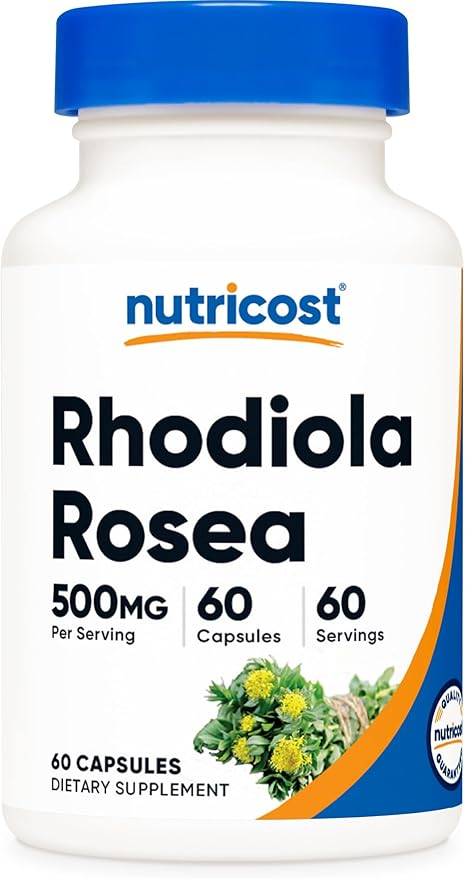
2. Rhodiola rosea
Rhodiola is an herb that grows in cold, mountainous regions and has been used traditionally to combat fatigue and enhance mental performance.
- Mechanism: Rhodiola is thought to modulate stress hormones and neurotransmitters, including cortisol and serotonin.
- Research: A 2009 study published in Planta Medica found that Rhodiola reduced cortisol response to stress in participants.
- Dosage: Common doses range from 200-600 mg per day of a standardized extract.
- Precautions: May interact with medications metabolized by the liver. Can cause mild stimulant effects in some people.
Try this product from Amazon: Nutricost Rhodiola Rosea
3. Holy Basil (Ocimum sanctum)
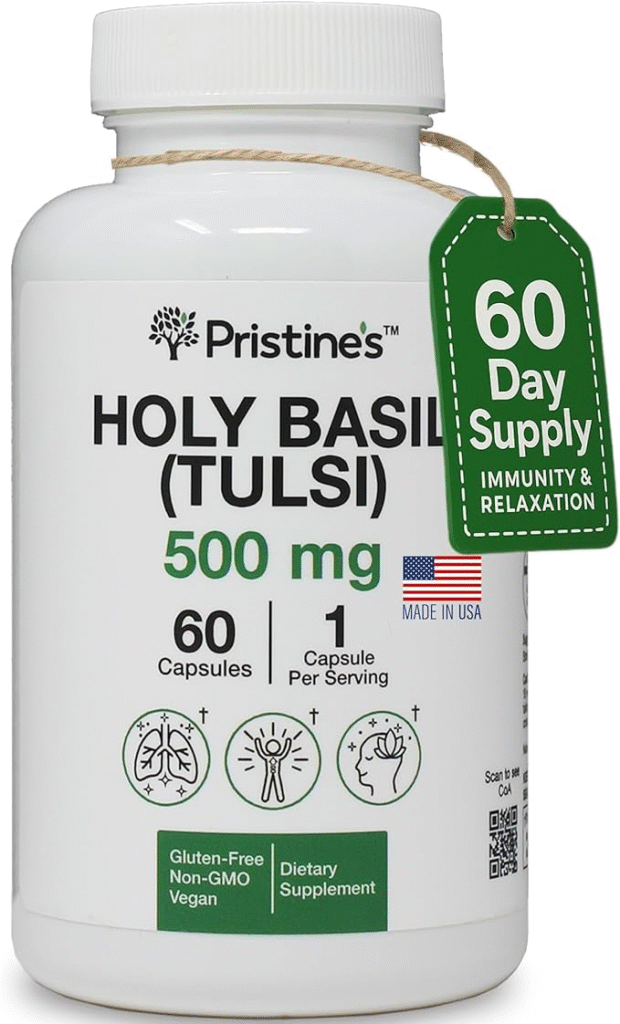
Also known as Tulsi, holy basil is revered in Ayurvedic medicine for its stress-relieving properties.
- Mechanism: Holy basil contains compounds that may help regulate cortisol levels and improve stress resilience.
- Research: A 2012 study in the Journal of Ayurveda and Integrative Medicine found that holy basil supplementation reduced stress symptoms and improved cognitive function.
- Dosage: Typical doses range from 300-2,000 mg of dried leaf or 2-3 ml of liquid extract daily.
- Precautions: May slow blood clotting, so use caution if taking blood thinners.
Try this product from Amazon: PRISTINE’S Holy Basil Capsules
Nutrients for Adrenal Support
Certain nutrients play crucial roles in adrenal function and cortisol production. Ensuring adequate intake of these nutrients can support healthy cortisol levels.
1. Vitamin C
The adrenal glands contain one of the highest concentrations of vitamin C in the body, highlighting its importance in adrenal function.
- Mechanism: Vitamin C is essential for the synthesis of cortisol and other adrenal hormones.
- Research: A 2001 study in the International Journal of Sports Medicine found that vitamin C supplementation blunted the cortisol response to exercise stress.
- Dosage: The recommended daily allowance is 65-90 mg, but higher doses of 500-1000 mg may be useful for stress support.
- Precautions: High doses may cause digestive upset in some people. Vitamin C enhances iron absorption, which may be a concern for people who have iron overload disorders.
Try this product from Amazon: ForestLeaf Liposomal Vitamin C

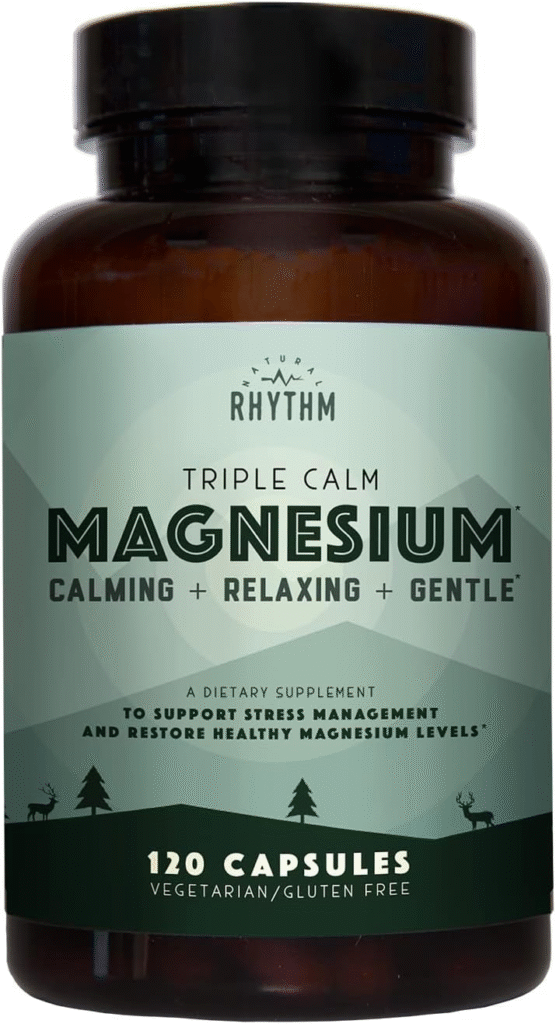
2. Magnesium
Magnesium is involved in over 300 enzymatic reactions in the body and plays a crucial role in stress response and cortisol regulation.
- Mechanism: Magnesium helps regulate the HPA axis and may reduce the release of ACTH, thereby moderating cortisol production.
- Research: A 2017 study in the journal Nutrients found that magnesium supplementation reduced cortisol levels in participants with mild hypertension.
- Dosage: The recommended daily allowance is 310-420 mg for adults, but higher doses may be useful for stress support.
- Precautions: High doses can cause diarrhea. People with kidney problems should ask a healthcare provider before supplementing.
Try this product from Amazon: Natural Rhythm Triple Calm Magnesium
3. Omega-3 Fatty Acids
These essential fats, found in fish oil and some plant sources, play a crucial role in brain function and stress response.
- Mechanism: Omega-3s may help reduce inflammation and modulate the stress response, potentially lowering cortisol levels.
- Research: A 2003 study in Diabetes/Metabolism Research and Reviews found that omega-3 supplementation reduced cortisol levels in overweight participants.
- Dosage: Typical doses range from 1-3 grams of combined EPA and DHA per day.
- Precautions: May increase bleeding risk, especially at high doses or when combined with blood thinners.
Try this product from Amazon: Vegan Omega 3 Supplement

Cortisol-Lowering Supplements
Some supplements have been specifically studied for their cortisol-lowering effects:
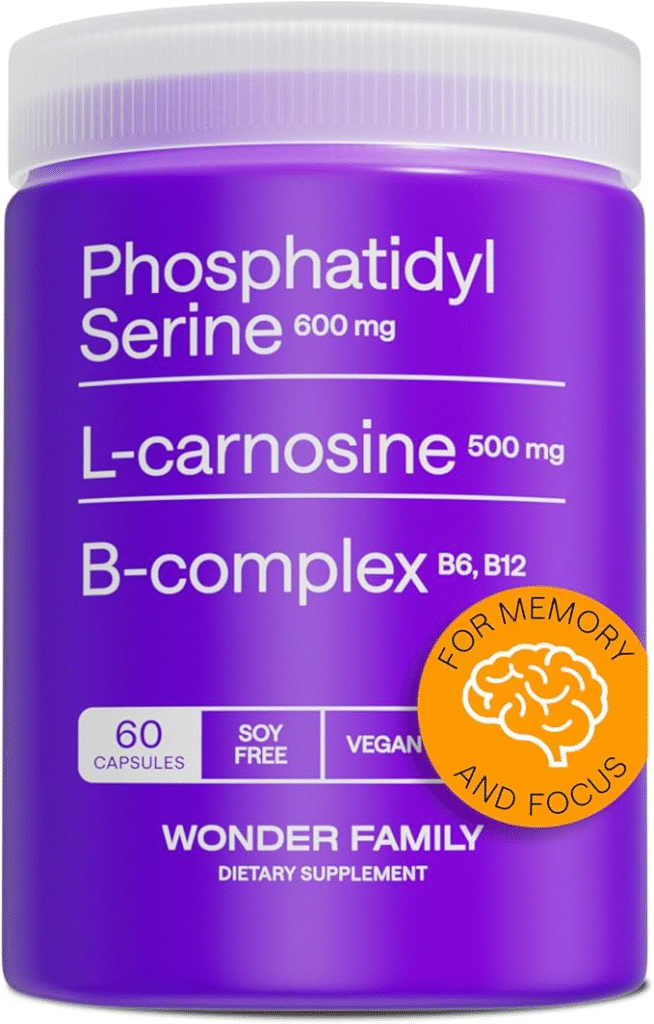
1. Phosphatidylserine
This phospholipid is a component of cell membranes and plays a role in cellular function and signaling.
- Mechanism: Phosphatidylserine appears to blunt the cortisol response to acute stress.
- Research: A 2008 study in the Journal of the International Society of Sports Nutrition found that phosphatidylserine supplementation reduced cortisol levels in response to exercise stress.
- Dosage: Typical doses range from 200-400 mg per day.
- Precautions: Generally well-tolerated, but may cause insomnia in some people if taken late in the day.
Try this product from Amazon: Phosphatidylserine Supplement
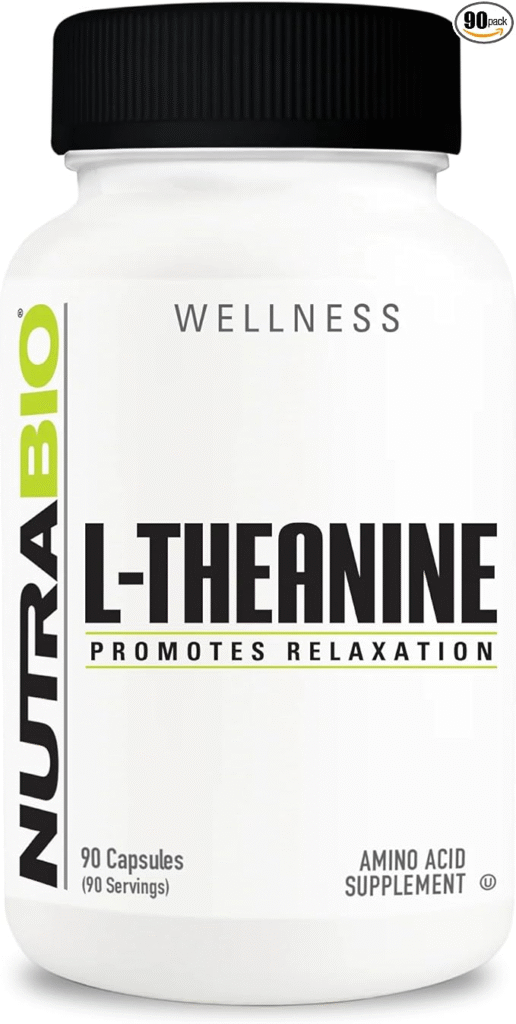
2. L-theanine
This amino acid, found naturally in green tea, is known for its calming effects.
- Mechanism: L-theanine may help reduce stress and lower cortisol levels by promoting relaxation without sedation.
- Research: A 2016 study in Nutrients found that L-theanine reduced stress-related symptoms and cortisol levels in healthy adults.
- Dosage: Common doses range from 100-200 mg per day.
- Precautions: Generally considered safe, but may interact with certain medications for high blood pressure.
Try this product form Amazon: NutraBio L-Theanine Supplement
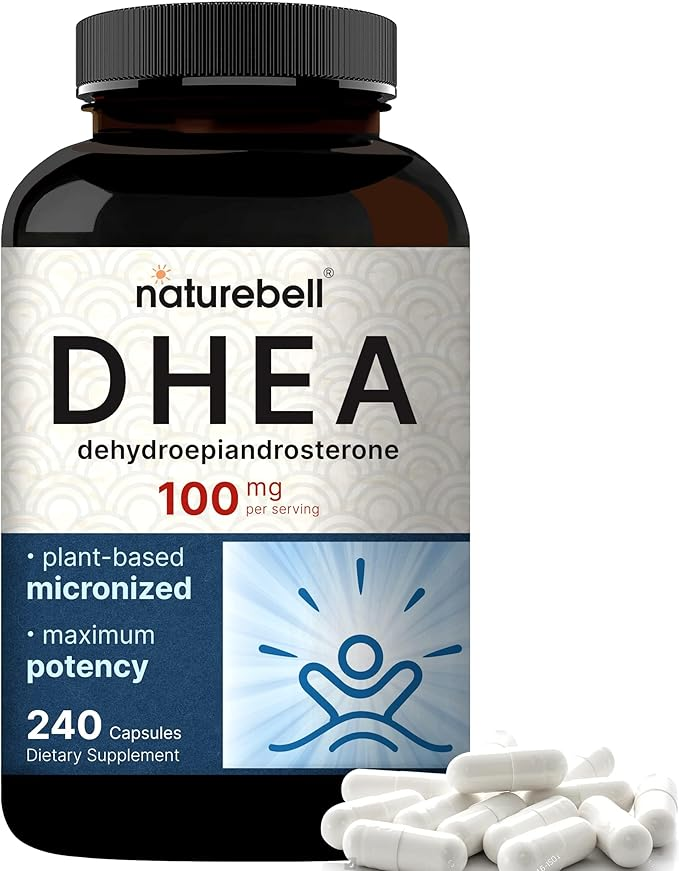
3. DHEA (Dehydroepiandrosterone)
DHEA is a hormone precursor produced by the adrenal glands that can be converted into other hormones, including testosterone and estrogen.
- Mechanism: DHEA may help balance cortisol levels, particularly in older adults or those with adrenal insufficiency.
- Research: A 2003 study in the Journal of Clinical Endocrinology & Metabolism found that DHEA supplementation improved well-being and reduced cortisol levels in women with adrenal insufficiency.
- Dosage: Typical doses range from 25-50 mg per day, but should be determined in consultation with a healthcare provider.
- Precautions: DHEA is a hormone precursor and can have significant effects on hormone balance. It should only be used under medical supervision.
Try this product from Amazon: NatureBell DHEA
While these supplements can be helpful in supporting healthy cortisol levels, it’s crucial to remember that they should be used in conjunction with lifestyle changes and under the guidance of a healthcare professional. Individual responses to supplements can vary, and what works for one person may not be suitable for another.
Beyond Supplements: Lifestyle Strategies for Cortisol Control
While supplements can be helpful, addressing the root causes of cortisol imbalance through lifestyle changes is crucial for long-term health. Here are some effective strategies:
1. Stress Management Techniques
Chronic stress is a primary driver of cortisol imbalance. Implementing stress reduction techniques can help regulate cortisol levels:
- Meditation: Regular meditation practice can lower cortisol levels and improve stress resilience. Even short sessions of 10-15 minutes daily can be useful.
- Deep Breathing Exercises: Simple breathing techniques, such as diaphragmatic breathing or the 4-7-8 method, can activate the parasympathetic nervous system and reduce cortisol levels.
- Yoga: Combining physical postures, breathing exercises, and meditation, yoga has been shown to reduce cortisol levels and improve overall stress management.
- Progressive Muscle Relaxation: This technique involves tensing and relaxing different muscle groups, promoting physical and mental relaxation.
- Mindfulness Practices: Incorporating mindfulness into daily activities can help reduce stress and regulate cortisol levels throughout the day.
2. Sleep Hygiene
Quality sleep is essential for maintaining a healthy cortisol rhythm. Prioritizing good sleep habits can help:
- Consistent Sleep Schedule: Going to bed and waking up at the same time each day helps regulate the body’s internal clock and cortisol rhythm.
- Create a Relaxing Bedtime Routine: Engage in calming activities before bed, such as reading, gentle stretching, or listening to soothing music.
- Optimize Sleep Environment: Ensure your bedroom is dark, quiet, and cool. Consider using blackout curtains, white noise machines, or earplugs if needed.
- Limit Screen Time: The blue light emitted by electronic devices can disrupt melatonin production. Try to avoid screens for at least an hour before bedtime.
- Avoid Caffeine and Alcohol: Both can interfere with sleep quality. Limit caffeine intake, especially in the afternoon and evening, and moderate alcohol consumption.
3. Regular Exercise
Physical activity can help regulate cortisol levels, but it’s important to find the right balance:
- Moderate Exercise: Regular moderate exercise, such as brisk walking, swimming, or cycling, can help reduce overall cortisol levels and improve stress resilience.
- High-Intensity Interval Training (HIIT): Short bursts of intense exercise followed by recovery periods can be effective for cortisol regulation when done in moderation.
- Mind-Body Exercises: Activities like tai chi or qigong mix physical movement with mindfulness, potentially offering extra stress-reducing benefits.
- Timing Matters: Morning or early afternoon exercise may be preferable, as evening workouts can sometimes interfere with sleep patterns.
- Listen to Your Body: Overtraining can lead to chronically elevated cortisol levels. Pay attention to signs of fatigue or burnout and adjust your routine accordingly.
4. Balanced Nutrition
Diet plays a crucial role in cortisol regulation and overall adrenal health:
- Stable Blood Sugar: Eating regular, balanced meals helps prevent blood sugar spikes and dips, which can trigger cortisol release. Include protein, healthy fats, and complex carbohydrates in each meal.
- Reduce Processed Foods: Highly processed and sugary foods can contribute to inflammation and cortisol imbalance. Focus on whole, nutrient-dense foods.
- Adequate Protein Intake: Protein provides the building blocks for hormone production and helps stabilize blood sugar levels.
- Healthy Fats: Include sources of omega-3 fatty acids (like fatty fish, flaxseeds, and walnuts) and other healthy fats (like avocados and olive oil) to support hormone balance.
- Mindful Eating: Practice eating slowly and mindfully, which can help reduce stress around meals and improve digestion.
- Hydration: Proper hydration is essential for overall health and can help manage stress levels. Aim for at least 8 glasses of water per day.
5. Social Connection
Strong social relationships can have a powerful impact on stress levels and cortisol regulation:
- Cultivate Supportive Relationships: Spend time with friends and family who provide emotional support and positive interactions.
- Join Groups or Classes: Engaging in group activities or classes can provide a sense of community and shared experiences.
- Practice Active Listening: Improving communication skills can enhance relationships and reduce interpersonal stress.
- Volunteer: Helping others can provide a sense of purpose and connection, which can help manage stress levels.
6. Time in Nature
Spending time outdoors, especially in natural settings, can have a significant impact on cortisol levels:
- Forest Bathing: This Japanese practice of spending mindful time in nature has been shown to reduce cortisol levels and improve overall well-being.
- Outdoor Exercise: Combining physical activity with time in nature can amplify the stress-reducing benefits.
- Gardening: Tending to plants can be a meditative and grounding activity that helps reduce stress.
7. Limit Stimulants
While caffeine and other stimulants can provide short-term energy boosts, they can also disrupt cortisol patterns:
- Moderate Caffeine Intake: If you consume caffeine, try to limit it to the morning hours and be mindful of your total intake.
- Avoid Energy Drinks: These often contain high levels of caffeine and sugar, which can disrupt cortisol rhythms.
- Consider Herbal Alternatives: Herbal teas like chamomile or peppermint can provide a soothing ritual without the stimulating effects of caffeine.
8. Practice Gratitude
Cultivating a gratitude practice can help shift focus from stressors to positive aspects of life:
- Gratitude Journaling: Regularly writing down things you’re grateful for can help reduce stress and improve overall well-being.
- Gratitude Meditation: Focusing on feelings of thankfulness during meditation can enhance its stress-reducing effects.
- Express Appreciation: Regularly expressing gratitude to others can improve relationships and create positive emotional states.
Implementing these lifestyle strategies, along with appropriate supplementation when needed, can create a comprehensive approach to managing cortisol levels and improving overall health and well-being. Remember that consistency is key, and it may take time to see significant changes in cortisol patterns and stress levels.
The Cortisol Connection: Implications for Future Research
As our understanding of cortisol and its effects on health continues to grow, several exciting areas of research are emerging:
The Gut-Brain Axis and Cortisol Regulation
Emerging evidence suggests a strong link between gut health, the microbiome, and cortisol regulation. The gut-brain axis, a bidirectional communication system between the central nervous system and the enteric nervous system, plays a crucial role in stress response and cortisol production.
Key areas of research include:
- The impact of probiotics on cortisol levels and stress response
- How gut permeability (“leaky gut”) may influence cortisol production and inflammation
- The role of gut-derived neurotransmitters in modulating the HPA axis
- Dietary interventions that support both gut health and cortisol balance
This research could lead to new strategies for managing stress and cortisol levels through targeted dietary interventions and probiotic supplementation.
Cortisol and Aging
Researchers are exploring how cortisol affects cellular aging processes, including telomere length. Telomeres, the protective caps at the ends of chromosomes, shorten with age and cellular stress.
Chronic elevation of cortisol has been associated with accelerated telomere shortening, potentially linking stress to the aging process at a cellular level.
Areas of investigation include:
- The relationship between cortisol patterns and telomere length in different populations
- Interventions that may protect telomeres from stress-induced damage
- The role of cortisol in age-related cognitive decline and neurodegenerative diseases
- How managing cortisol levels might influence healthy aging and longevity
This research could lead to new approaches for promoting healthy aging and preventing age-related diseases.
Personalized Cortisol Management
Future approaches to cortisol management may involve tailoring interventions based on person cortisol patterns and genetic factors. This personalized approach could include:
- Genetic testing to identify variations in genes related to cortisol metabolism and stress response
- Continuous cortisol monitoring technologies for real-time feedback on stress levels
- AI-driven analysis of cortisol patterns to provide personalized recommendations for lifestyle changes and interventions
- Tailored supplement and medication regimens based on person cortisol profiles
This personalized approach could dramatically improve the effectiveness of stress management strategies and cortisol-related treatments.
Cortisol and Mental Health
The relationship between cortisol dysregulation and mental health disorders is an area of intense research. Future studies may focus on:
- The role of cortisol in the development and progression of conditions like depression, anxiety, and PTSD
- How early life stress affects lifelong cortisol patterns and mental health outcomes
- Novel therapies that target the HPA axis for treating mental health disorders
- The interaction between cortisol and other neurotransmitter systems in mood regulation
This research could lead to more effective treatments for a range of mental health conditions.
Cortisol and Metabolic Health
The complex relationship between cortisol, metabolism, and conditions like obesity and diabetes is another important area of study. Future research may explore:
- How cortisol influences fat distribution and metabolic syndrome
- The role of cortisol in insulin resistance and glucose metabolism
- Strategies for managing cortisol to support fat loss and metabolic health
- The interaction between cortisol and other hormones like leptin and ghrelin in appetite regulation
This research could provide new insights into the prevention and treatment of metabolic disorders.
Cortisol and Immune Function
The intricate relationship between cortisol and the immune system is an area ripe for further exploration. Future studies may investigate:
- How chronic stress and cortisol dysregulation affect long-term immune function
- The role of cortisol in autoimmune diseases and chronic inflammation
- Strategies for modulating cortisol to enhance immune response, particularly in the context of vaccinations and infectious diseases
- The interaction between cortisol and cytokines in the body’s stress response
This research could lead to new approaches for boosting immune function and managing inflammatory conditions.
As these areas of research continue to develop, we can expect to gain a more nuanced understanding of cortisol’s role in health and disease. This knowledge will likely lead to more effective strategies for managing stress, preventing cortisol-related health issues, and promoting overall well-being.
Frequently Asked Questions
What is cortisol and why is it important?
Cortisol is a steroid hormone produced by the adrenal glands. It plays a crucial role in the body’s stress response, regulates metabolism, helps control blood sugar levels, and influences immune function.
Cortisol is essential for survival, but imbalances can lead to various health issues.
How does stress affect cortisol levels?
Stress triggers the release of cortisol as part of the body’s “fight or flight” response. While this is useful in short-term stressful situations, chronic stress can lead to persistently elevated cortisol levels, which may contribute to health problems over time.
Can high cortisol levels cause weight gain?
Yes, chronically elevated cortisol levels can contribute to weight gain, particularly around the abdominal area. High cortisol can increase appetite, promote fat storage, and affect metabolism, making it more challenging to maintain a healthy weight.
What are some natural ways to lower cortisol levels?
Natural methods to lower cortisol include regular exercise, stress management techniques like meditation or deep breathing, maintaining a consistent sleep schedule, eating a balanced diet, and spending time in nature. Certain supplements like ashwagandha or phosphatidylserine may also help.
How does cortisol affect sleep?
Cortisol plays a key role in the sleep-wake cycle. Normally, cortisol levels are lowest at night and highest in the morning.
Disruptions to this pattern, often because of stress or irregular sleep schedules, can lead to sleep problems and further cortisol imbalances.
Can low cortisol be as problematic as high cortisol?
Yes, low cortisol levels can also cause health issues. Conditions like Addison’s disease, where the adrenal glands don’t produce enough cortisol, can lead to symptoms such as fatigue, weakness, and low blood pressure.
How is cortisol measured?
Cortisol can be measured through blood, saliva, or urine tests. Saliva tests are often used to assess daily cortisol patterns, while blood tests can measure total cortisol levels.
24-hour urine tests can provide information about cortisol production over a full day.
Does caffeine increase cortisol levels?
Yes, caffeine can stimulate cortisol production. While moderate caffeine intake is generally not a concern for most people, excessive consumption, especially later in the day, may disrupt cortisol patterns and sleep.
How does exercise affect cortisol levels?
Exercise typically causes a short-term increase in cortisol levels. However, regular moderate exercise can help regulate overall cortisol patterns and improve stress resilience.
Intense or prolonged exercise may lead to more significant cortisol increases.
Can diet affect cortisol levels?
Yes, diet can influence cortisol levels. A balanced diet with regular meals helps stabilize blood sugar, which can help regulate cortisol.
High sugar intake and processed foods may contribute to cortisol imbalances, while foods rich in vitamin C, magnesium, and omega-3 fatty acids may support healthy cortisol levels.
Key Takeaways
- Cortisol is a crucial hormone that helps us respond to stress, but chronic elevation can lead to health problems.
- The HPA axis and circadian rhythm play vital roles in cortisol regulation.
- Adaptogenic herbs and specific nutrients can help support healthy cortisol levels.
- Lifestyle factors, including stress management and sleep, are crucial for maintaining cortisol balance.
- Ongoing research continues to uncover the complex relationships between cortisol, overall health, and aging.
Disclaimer
The information contained in this post is for general information purposes only. The information is provided by Understanding Cortisol: The Stress Hormone and Its Impact on Health and while we endeavor to keep the information up to date and correct, we make no representations or warranties of any kind, express or implied, about the completeness, accuracy, reliability, suitability or availability with respect to the website or the information, products, services, or related graphics contained on the post for any purpose.