

As a woman who’s navigated the complex world of nutrition and supplements, I’ve learned firsthand how crucial it is to find the right multivitamin. Our bodies have unique needs that change throughout our lives, and a well-chosen supplement can make a real difference in how we feel day-to-day. In this comprehensive guide, I’ll share everything I’ve uncovered about women’s multivitamins, from the essential nutrients to look for to how to choose the best one for your individual needs.
Understanding the Importance of Women’s Multivitamins
Women’s bodies need specific nutrients at different life stages. From our reproductive years through menopause and beyond, our nutritional needs evolve.
A carefully formulated multivitamin helps confirm we’re getting the right balance of essential vitamins and minerals to support our changing bodies.
I’ve experienced the benefits of taking a quality multivitamin firsthand. When I found the right supplement for my needs, I noticed improvements in my energy levels, mood, and overall sense of wellbeing.
A good multivitamin does more than just fill nutritional gaps, it improves our body’s functions and supports long-term health.
Key Nutrients in Women’s Multivitamins
When evaluating different multivitamin options, there are several key nutrients that are particularly important for women’s health:
1. Folic Acid
Folic acid is crucial for all women of childbearing age, even if you’re not planning a pregnancy. It plays a vital role in preventing neural tube defects in developing fetuses.
But the benefits of folic acid extend far beyond pregnancy support.
This B vitamin is essential for cell division and DNA synthesis throughout the body. It supports the formation of healthy red blood cells and helps prevent certain types of anemia.
Some studies have even linked adequate folic acid intake to reduced risk of certain cancers and cardiovascular disease.
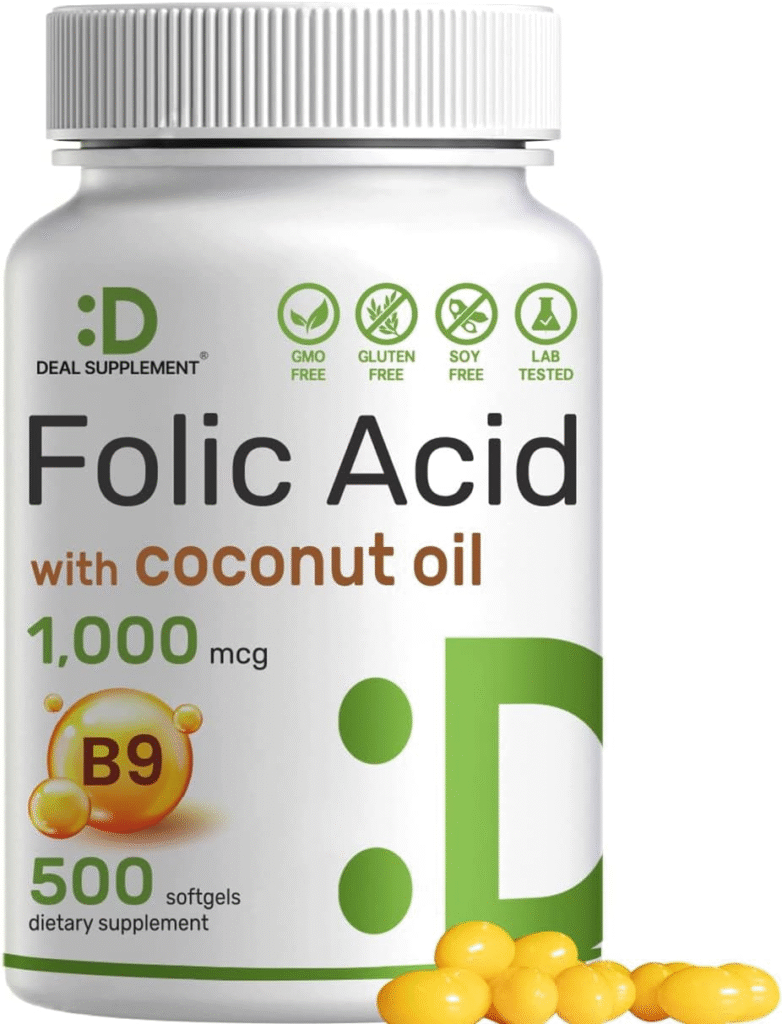
Recommended Product: DEAL SUPPLEMENT Folic Acid
2. Iron
Many women struggle with iron deficiency, especially those with heavy menstrual cycles. Iron is essential for forming hemoglobin, the protein in red blood cells that carries oxygen throughout the body.
Without enough iron, you may feel fatigued, weak, and have difficulty concentrating.
A good women’s multivitamin often includes iron to help prevent anemia and support healthy energy levels. However, it’s important not to overdo it with iron supplements, as too much can cause digestive issues and other health problems.
Always talk to your doctor about your individual iron needs.
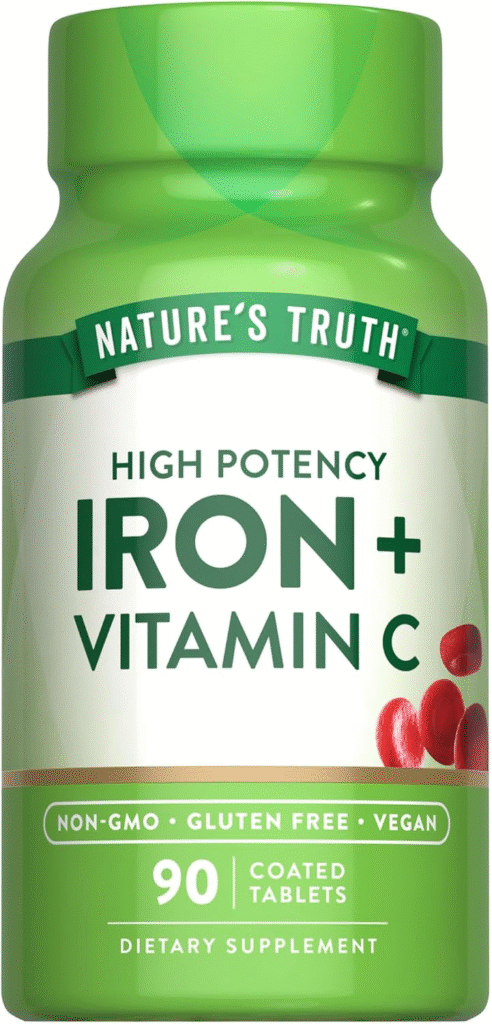
Recommended Product: Nature’s Truth Iron Plus Vitamin C Tablets
3. Calcium and Vitamin D
These two nutrients work synergistically to support bone health, which becomes increasingly important as we age. Women are at higher risk for osteoporosis than men, making adequate calcium and vitamin D intake crucial.
Calcium is the primary building block of our bones and teeth. It also plays a role in muscle function, nerve signaling, and hormone secretion.
Vitamin D helps our bodies absorb and use calcium effectively.
It also supports immune function, mood regulation, and may help reduce inflammation in the body.
As we get older, our ability to absorb calcium decreases, and our skin becomes less effective at producing vitamin D from sunlight. That’s why many multivitamins for women over 50 contain higher amounts of these nutrients.
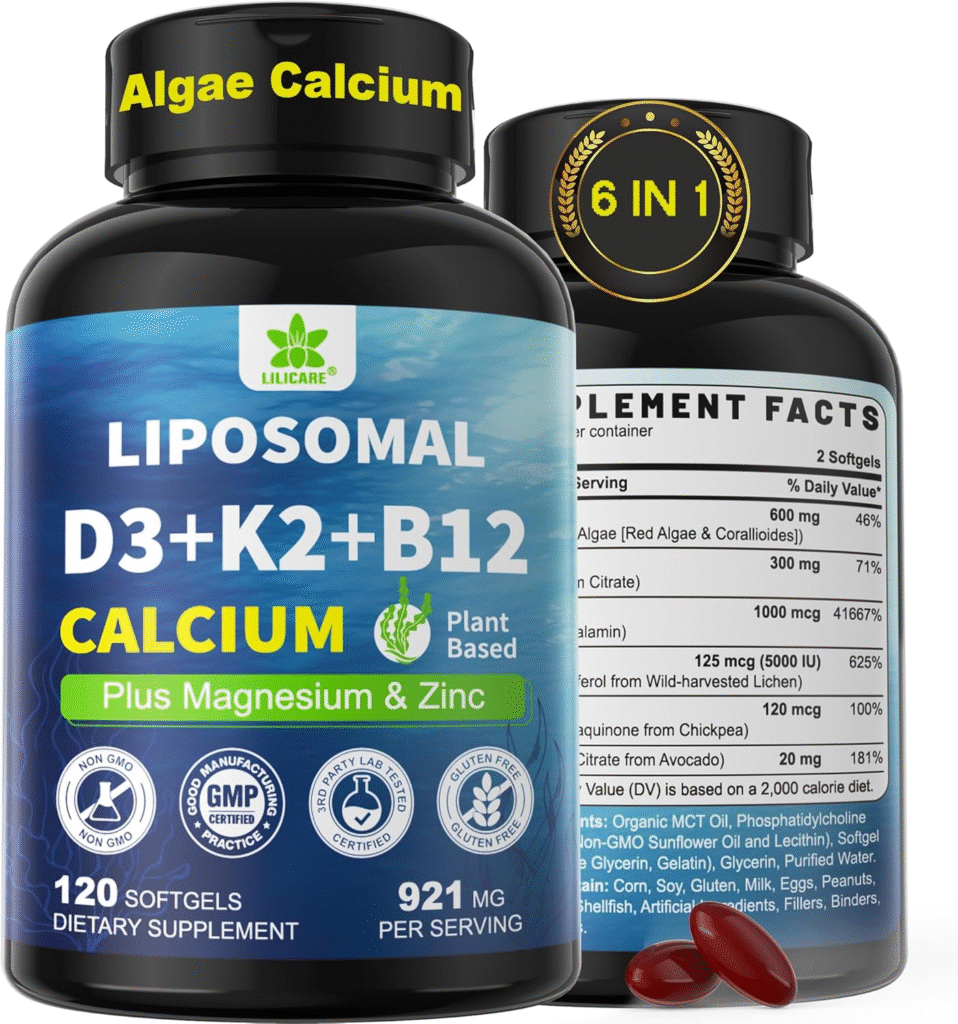
Recommended Product: 6-in-1 Plant Based Calcium Supplements
4. B-Complex Vitamins
The B vitamins are a group of water-soluble vitamins that play crucial roles in energy production, cognitive function, and cellular health. Some key B vitamins to look for in a women’s multivitamin include:
- B6 (Pyridoxine): Supports brain development, immune function, and the production of neurotransmitters that regulate mood.
- B12 (Cobalamin): Essential for red blood cell formation, neurological function, and DNA synthesis. B12 deficiency is common, especially among vegetarians and vegans.
- Biotin: Supports healthy hair, skin, and nails. It also plays a role in metabolism and blood sugar regulation.
- Niacin: Important for digestive function, skin health, and nervous system function.
- Thiamine: Crucial for energy metabolism and nerve function.
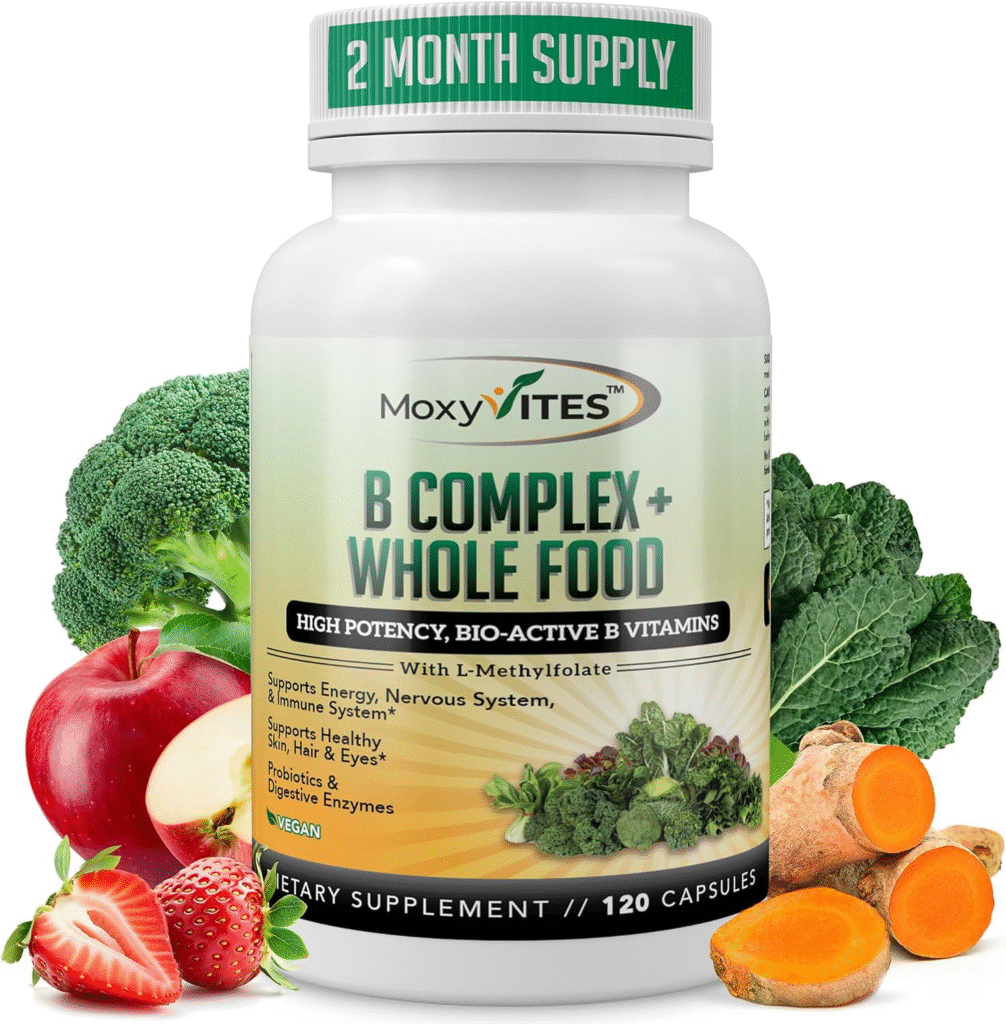
Recommended Product: MoxyVites Vitamin B Complex
5. Antioxidants
Antioxidants help protect our cells from damage caused by free radicals, which are unstable molecules that can contribute to aging and various diseases. Some important antioxidants to look for in a multivitamin include:
- Vitamin A: Supports eye health, immune function, and skin health.
- Vitamin C: Boosts immune function, supports collagen production for healthy skin, and enhances iron absorption.
- Vitamin E: Protects cell membranes from oxidative damage and supports immune function.
- Selenium: Works with vitamin E to protect cells from oxidative stress.
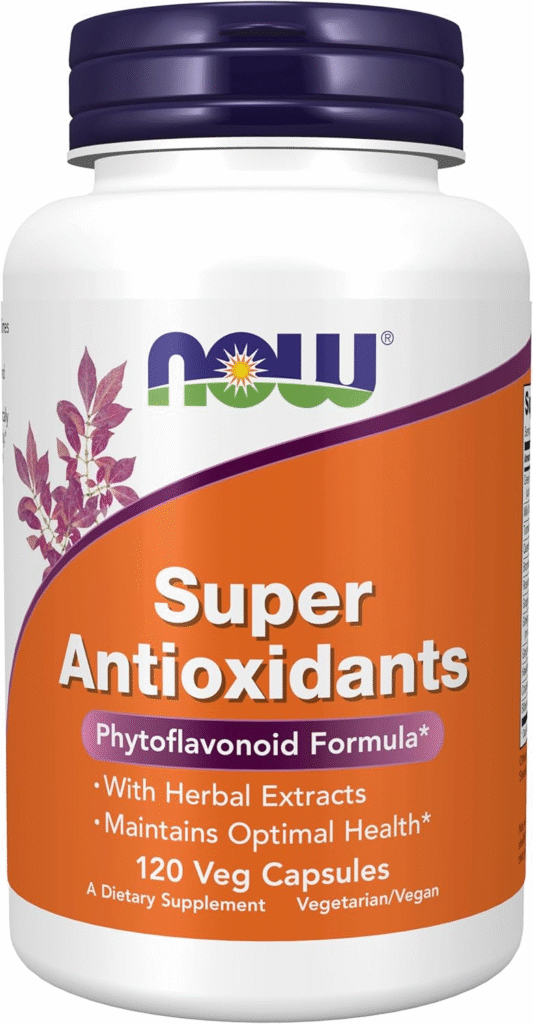
Recommended Product: NOW Supplements, Super Antioxidants
Choosing the Right Multivitamin
With countless options available, selecting the best multivitamin can feel overwhelming. Here are some key factors to consider when making your choice:
Life Stage Formulations
Look for multivitamins tailored to your current life stage. Different formulations are available for:
- Women in their reproductive years
- Pregnant women (prenatal vitamins)
- Women over 50
- Postmenopausal women
These specialized formulas take into account the changing nutritional needs throughout a woman’s life. For example, prenatal vitamins contain higher levels of folic acid and iron, while formulas for older women often include extra calcium and vitamin D for bone health.
Dietary Restrictions
If you follow a specific diet, make sure to choose a multivitamin that aligns with your needs. There are options available for:
- Vegetarians and vegans
- Gluten-free diets
- Kosher or halal diets
- Allergen-free formulas (free from common allergens like soy, dairy, or nuts)
Always check the ingredient list carefully to confirm the multivitamin meets your dietary requirements.
Form and Absorption
Consider what form of vitamin you prefer and will be most likely to take consistently. Options include:
- Traditional tablets or capsules
- Gummy vitamins
- Liquid formulas
- Powders that can be mixed into drinks
Some people find it easier to take gummies or liquids, especially if they have trouble swallowing pills. However, gummies often contain added sugars and may not have as comprehensive a nutrient profile as traditional tablets.
Look for formulas that prioritize bioavailability, the extent to which your body can absorb and use the nutrients. Some factors that can improve bioavailability include:
- Chelated minerals, which are bound to amino acids for better absorption
- Fat-soluble vitamins (like A, D, E, and K) paired with a small amount of fat
- Vitamin C to enhance iron absorption
Quality and Certifications
Choose multivitamins from reputable brands that undergo third-party testing. Look for certifications like:
- USP (United States Pharmacopeia) Verified
- NSF International Certified
- ConsumerLab Approved
These certifications show that the product has been tested for quality, purity, and potency. They also confirm that what’s on the label matches what’s in the bottle.
Personalized Formulas
Some companies now offer customized multivitamin formulas based on your individual health profile, diet, and lifestyle. While these can be more expensive, they may provide a more tailored approach to supplementation.
To create a personalized formula, you typically fill out a detailed questionnaire about your health, diet, and lifestyle. The company then formulates a multivitamin specifically for you based on this information.
While personalized formulas can be useful, they’re not necessary for everyone. A high-quality, broad-spectrum multivitamin can meet the needs of most women.
Nutrient Synergies
A well-formulated multivitamin takes into account how different nutrients work together in the body. Some important nutrient synergies to look for include:
- Vitamin C enhances iron absorption
- Vitamin D helps with calcium absorption
- Vitamin E and selenium work together as antioxidants
- B vitamins often work synergistically and are commonly included as a B-complex
Probiotics and Multivitamins
Some advanced formulas now include probiotics to support gut health. Given the growing understanding of the gut-brain connection and the role of gut health in overall wellbeing, this can be a valuable addition for some women.
Probiotics may help support digestive health, immune function, and even mood regulation. However, if you’re specifically looking to support gut health, a separate, high-quality probiotic supplement might be more effective than the small amount included in some multivitamins.
Potential Issues to Avoid
While multivitamins can be useful, there are some potential pitfalls, problems, issues, problems, issues, problems, issues to be aware of:
Overdoing It
More isn’t always better when it comes to vitamins and minerals. Some nutrients, like iron and vitamin A, can be harmful in excessive amounts.
Stick to the recommended dosage and be cautious about taking many supplements that might lead to nutrient overlap.
Fat-soluble vitamins (A, D, E, and K) can accumulate in the body over time, potentially leading to toxicity if taken in large amounts. Water-soluble vitamins (like B vitamins and vitamin C) are less likely to cause problems in excess, as the body can excrete what it doesn’t need.
Relying Solely on Supplements
A multivitamin is meant to supplement a healthy diet, not replace it. Focus on getting nutrients from whole foods first, and use multivitamins to fill in the gaps.
Whole foods contain a complex mix of nutrients, fiber, and other useful compounds that work together in ways that can’t be replicated in a pill.
Ignoring Individual Needs
While a general women’s multivitamin can be useful, it’s important to consider your individual health needs. Certain conditions or medications might need you to avoid specific nutrients or seek out higher doses of others. Always talk to your healthcare provider before starting any new supplement regimen, especially if you have existing health conditions or are taking medications.
Integrating Multivitamins into Your Wellness Routine
To get the most out of your multivitamin, consider these tips:
- Take your multivitamin at the same time each day to establish a routine.
This helps confirm you don’t forget and makes it easier for your body to adjust.
- Some nutrients are better absorbed with food, so consider taking your multivitamin with a meal.
This is especially important for fat-soluble vitamins and minerals like iron that can cause stomach upset when taken on an empty stomach.
- If you’re taking other medications, check with your healthcare provider about potential interactions and the best timing for your supplements.
Some medications can interfere with nutrient absorption, or vice versa.
- Keep track of how you feel after starting a new multivitamin. While it’s not a magic pill, you might notice improvements in energy, mood, or other aspects of your health over time.
It can be helpful to keep a journal to track any changes.
- Be patient.
It can take several weeks or even months to notice the full benefits of a multivitamin, especially for nutrients that accumulate in the body over time.
- Remember that a multivitamin is just one part of a healthy lifestyle.
Combine it with a balanced diet, regular exercise, adequate sleep, and stress management for optimal health.
The Future of Women’s Multivitamins
As research in nutrition and women’s health continues to advance, we can expect to see even more sophisticated and targeted multivitamin formulations. Some exciting areas of development include:
Nutrigenomics
This field studies how our genes interact with nutrients. In the future, we may be able to tailor multivitamins even more precisely based on an person’s genetic profile.
Chronobiology
This area explores how our circadian rhythms affect nutrient needs. We might see multivitamins designed to be taken at specific times of day for optimal absorption and effectiveness.
More Bioavailable Forms of Nutrients
Researchers are continually working on developing forms of vitamins and minerals that are more easily absorbed and utilized by the body.
Integration of Adaptogens and Other Beneficial Compounds
We may see more multivitamins incorporating adaptogens (herbs that help the body adapt to stress) and other useful plant compounds like polyphenols.
Sustainable and Eco-Friendly Options
As consumers become more environmentally conscious, we’ll likely see more multivitamins packaged in sustainable materials and sourced from eco-friendly ingredients.
These advancements could lead to multivitamins that prevent deficiencies but actively promote optimal health and longevity.
People Also Asked
What are the most important vitamins for women?
The most crucial vitamins for women include folic acid, iron, calcium, vitamin D, and B-complex vitamins. These support various aspects of women’s health, including reproductive health, bone strength, and energy levels.
How often should women take multivitamins?
Most multivitamins are designed to be taken daily. However, always follow the instructions on the label or your healthcare provider’s recommendations.
Can multivitamins help with menopause symptoms?
Some multivitamins formulated for menopausal women may help reduce certain symptoms. Look for formulas containing vitamin D, calcium, and B vitamins, which can support bone health and energy levels during menopause.
Are gummy vitamins as effective as tablets?
Gummy vitamins can be effective, but they often contain less nutrients than tablets because of formulation constraints. They may also contain added sugars.
Choose based on your personal preferences and needs.
Do women need different vitamins at different ages?
Yes, women’s nutritional needs change throughout life. For example, women of childbearing age need more folic acid, while postmenopausal women may need more calcium and vitamin D.
Can multivitamins improve skin health?
Some vitamins, particularly A, C, E, and certain B vitamins, can support skin health. However, a balanced diet and proper skincare routine are also crucial for healthy skin.
Are there any side effects of taking multivitamins?
Most women don’t experience side effects from multivitamins. However, some may experience mild digestive issues.
Always follow recommended dosages to avoid potential toxicity from fat-soluble vitamins.
How long does it take to see benefits from taking a multivitamin?
It can take several weeks to months to notice benefits from a multivitamin, depending on your initial nutritional status and the specific nutrients involved.
Can multivitamins help with fat loss?
Multivitamins aren’t directly linked to fat loss. However, correcting nutrient deficiencies can support overall health and energy levels, which may indirectly support weight management efforts.
Are expensive multivitamins better than cheaper ones?
Price doesn’t always show quality. Look for multivitamins with third-party certifications and well-absorbed forms of nutrients, regardless of price.
Key Takeaways
- Choose a multivitamin tailored to your life stage and individual needs
- Look for key nutrients like folic acid, iron, calcium, vitamin D, and B vitamins
- Consider factors like dietary restrictions and nutrient absorption
- Be aware of potential pitfalls, problems, issues, problems, issues, problems, issues like overdosing or relying solely on supplements
- Integrate your multivitamin into a broader healthy lifestyle for optimal benefits
Disclaimer
The information contained in this post is for general information purposes only. The information is provided by The Ultimate Guide to Women’s Multivitamins and while we endeavor to keep the information up to date and correct, we make no representations or warranties of any kind, express or implied, about the completeness, accuracy, reliability, suitability or availability with respect to the website or the information, products, services, or related graphics contained on the post for any purpose.