

Poor circulation affects many women, often manifesting as cold hands and feet, numbness, or tingling sensations. While a healthy lifestyle is crucial, certain supplements can provide extra support to improve blood flow and overall cardiovascular health.
Let’s explore the top 10 supplements that can help women enhance their circulation.
Understanding Circulation and Its Importance
Good circulation is vital for women’s health. The circulatory system transports oxygen, nutrients, and hormones throughout the body while removing waste products.
When circulation is compromised, it can lead to various health issues, including fatigue, slow healing, and even more serious conditions like varicose veins or peripheral artery disease.
Women face unique circulatory challenges because of hormonal fluctuations, pregnancy, and menopause. Supporting vascular health through targeted supplementation can make a significant difference in overall well-being.
1. Omega-3 Fatty Acids
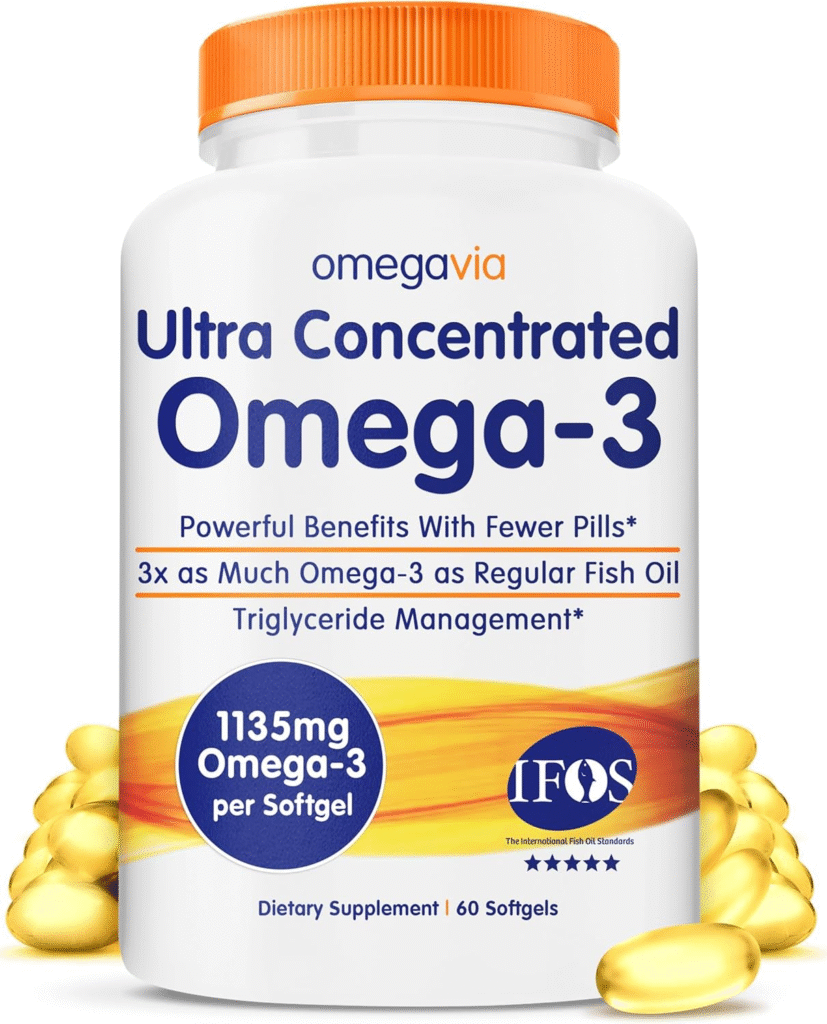
Omega-3 fatty acids are essential for cardiovascular health. These fatty acids, primarily found in fish oil, reduce inflammation, lower blood pressure, and improve overall blood flow.
They work by making blood less viscous and more fluid, allowing it to circulate more freely throughout the body.
For women looking to boost their omega-3 intake, a high-quality fish oil supplement is an excellent choice. Vegetarian or vegan women can opt for algae-based omega-3 supplements.
A daily dose of 1000-2000 mg of combined EPA and DHA, the two most useful forms of omega-3s, is generally recommended.
Omega-3s offer extra benefits beyond circulation. They support brain health, reduce joint inflammation, and may even help reduce symptoms of depression.
Regular intake of omega-3s can contribute to overall health and longevity.
>>Try this product from Amazon<<
2. Vitamin B Complex
The B-vitamin family plays a crucial role in maintaining healthy circulation. Vitamins B3 (niacin), B6, and B12 are particularly known for their ability to improve blood flow and reduce the risk of blood clots.
Vitamin B3 acts as a vasodilator, helping to widen blood vessels and improve circulation.
When choosing a B-complex supplement, look for one that contains all eight B vitamins in balanced proportions. Some women may benefit from higher doses of certain B vitamins, especially if they’re vegetarian or have absorption issues.
B vitamins are water-soluble, meaning the body doesn’t store them, and any excess is excreted through urine. This makes regular supplementation important for maintaining optimal levels.
B vitamins also support energy production, nervous system function, and mood regulation.
>>Try this product from Amazon<<
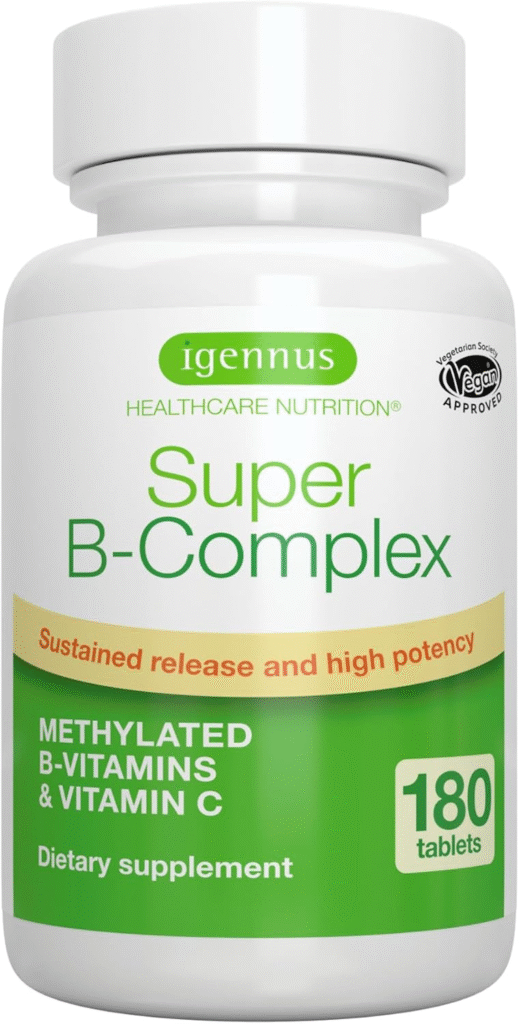
Igennus Super B-Complex Methylated B-Vitamins
3. Iron
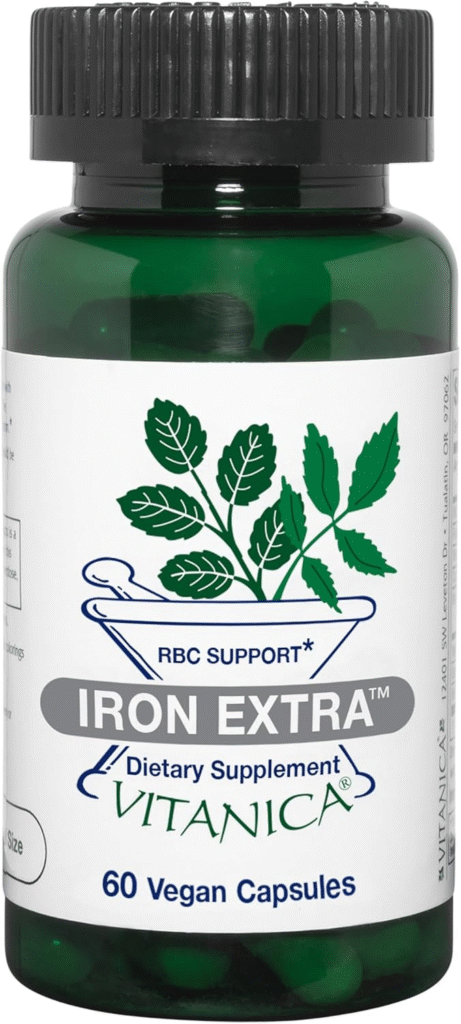
Iron deficiency is particularly common in women, especially those of childbearing age or those with heavy menstrual cycles. Low iron levels can lead to anemia, which directly impacts circulation by reducing the blood’s ability to carry oxygen effectively.
Before starting iron supplementation, it’s crucial to get your levels checked. Excess iron can be harmful, so working with a healthcare provider to decide the right dosage is essential. For many women, a daily supplement of 18-27 mg of iron is enough to maintain healthy levels.
Iron is best absorbed when taken with vitamin C-rich foods or supplements. Avoiding calcium-rich foods or supplements at the same time as iron can improve absorption.
Some women may experience digestive discomfort with iron supplements, so starting with a lower dose and gradually increasing can help minimize side effects.
>>Try this product from Amazon<<
4. Ginkgo Biloba
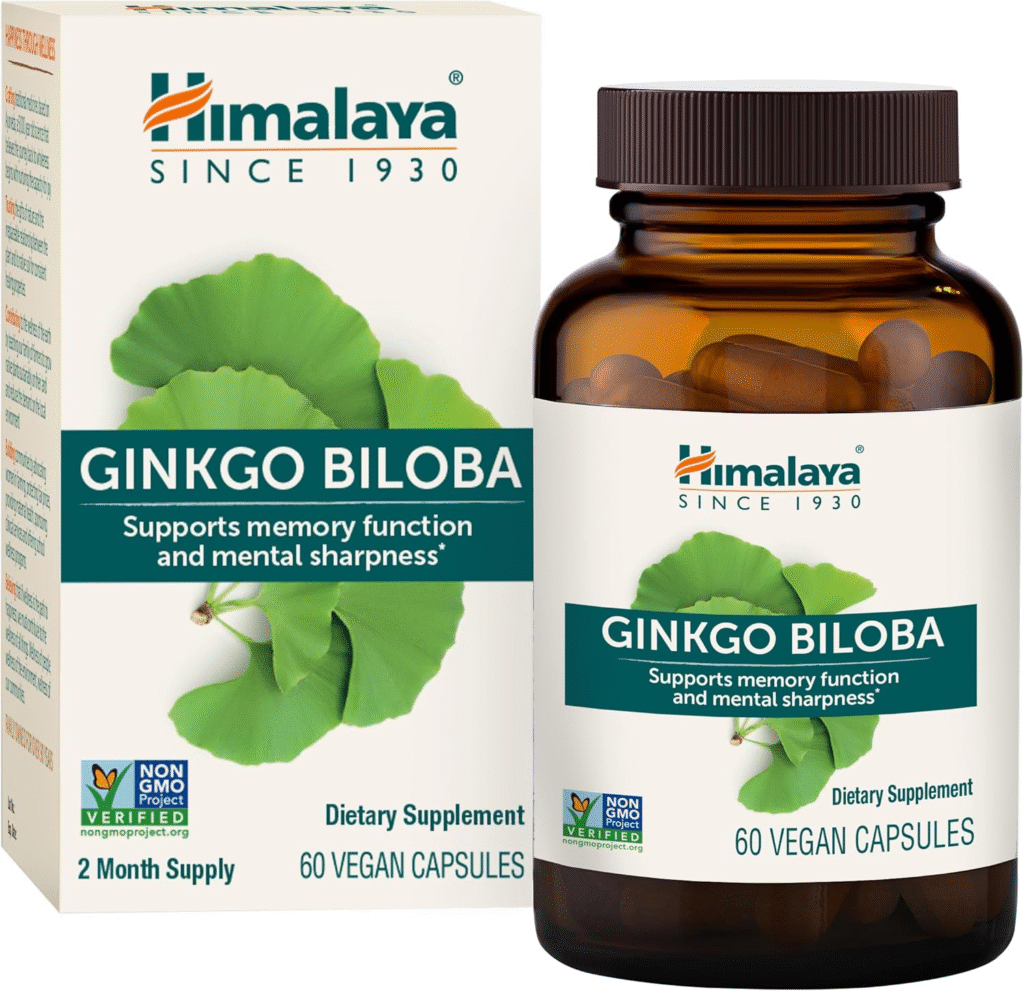
Ginkgo biloba has been used in traditional medicine for centuries and is known for its ability to improve circulation, particularly to the brain. This herb increases nitric oxide production, which helps dilate blood vessels and improve blood flow.
For women looking to enhance their circulation, a typical dose of ginkgo biloba extract ranges from 120-240 mg per day. Ginkgo can interact with certain medications, including blood thinners, so always check with your doctor before adding this supplement to your regimen.
Ginkgo biloba offers extra benefits beyond circulation improvement. It may enhance cognitive function, reduce symptoms of anxiety and depression, and support eye health.
Some studies suggest it may even help with symptoms of premenstrual syndrome (PMS).
>>Try this product from Amazon<<
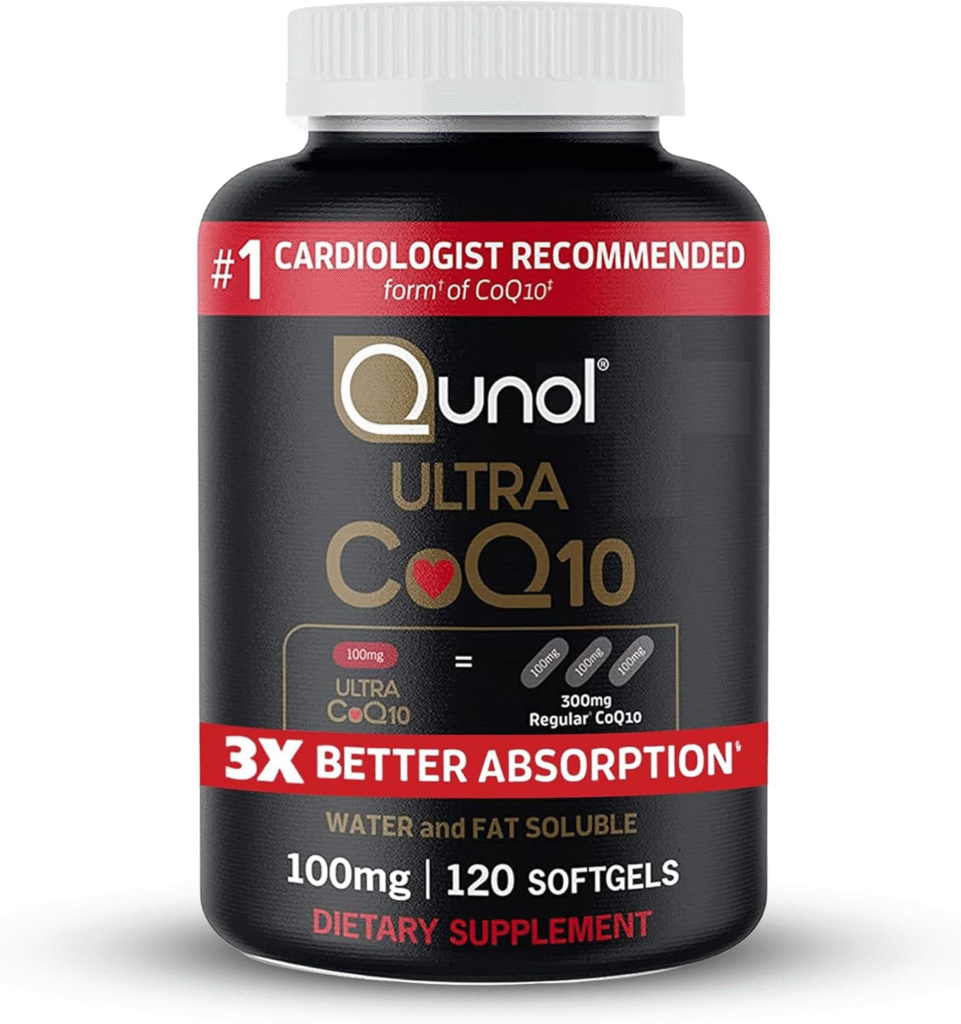
5. Coenzyme Q10 (CoQ10)
CoQ10 is a powerful antioxidant that plays a vital role in energy production within our cells. It’s particularly useful for heart health and circulation.
As we age, our natural CoQ10 levels decline, making supplementation increasingly important.
For women looking to support their circulation with CoQ10, a daily dose of 100-200 mg is typically recommended. This supplement is fat-soluble, so taking it with a meal containing healthy fats can improve absorption.
CoQ10 offers extra benefits beyond circulatory support. It may help reduce the frequency and severity of migraines, support fertility, and even slow down skin aging.
Some research suggests it may also help manage symptoms of fibromyalgia and chronic fatigue syndrome.
>>Try this product from Amazon<<
6. Magnesium
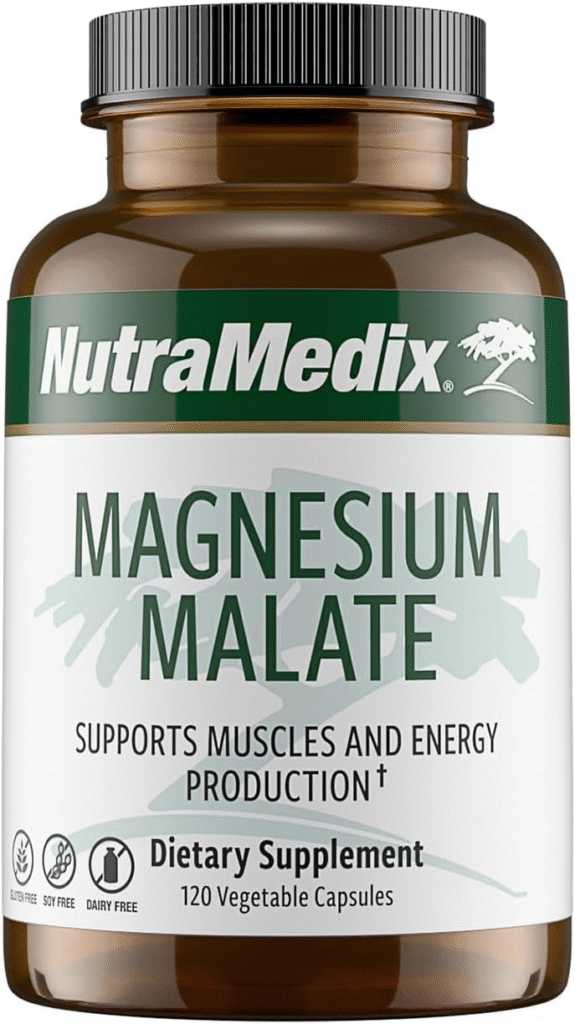
Magnesium is an essential mineral that plays a crucial role in regulating blood pressure and supporting overall cardiovascular health. It helps relax blood vessels, which can improve blood flow throughout the body.
Many women are deficient in magnesium because of dietary factors and stress. A typical supplemental dose ranges from 200-400 mg per day.
There are various forms of magnesium available, with magnesium citrate and magnesium glycinate being among the most easily absorbed.
Magnesium offers a wide range of benefits beyond circulation support. It can help improve sleep quality, reduce muscle cramps, reduce symptoms of PMS, and support bone health.
Some studies suggest it may also help manage symptoms of anxiety and depression.
>>Try this product from Amazon<<
7. Vitamin C
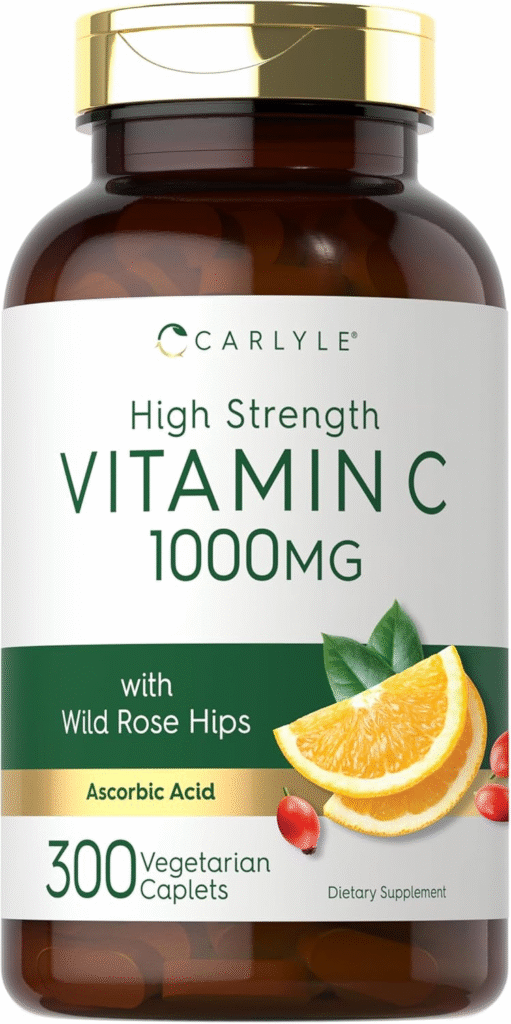
Vitamin C is well-known for its immune-boosting properties, but it’s also a powerful ally for circulation. This antioxidant vitamin helps strengthen blood vessels and improve their elasticity, which is crucial for maintaining healthy blood flow.
While it’s possible to get vitamin C from diet alone, supplementation can confirm you’re getting enough to support optimal circulation. A daily dose of 500-1000 mg is generally safe and effective for most women.
Vitamin C offers many extra benefits. It supports collagen production, which is essential for skin health and wound healing.
It also enhances iron absorption, supports adrenal function, and may help reduce the risk of chronic diseases because of its potent antioxidant properties.
>>Try this product from Amazon<<
8. L-Arginine
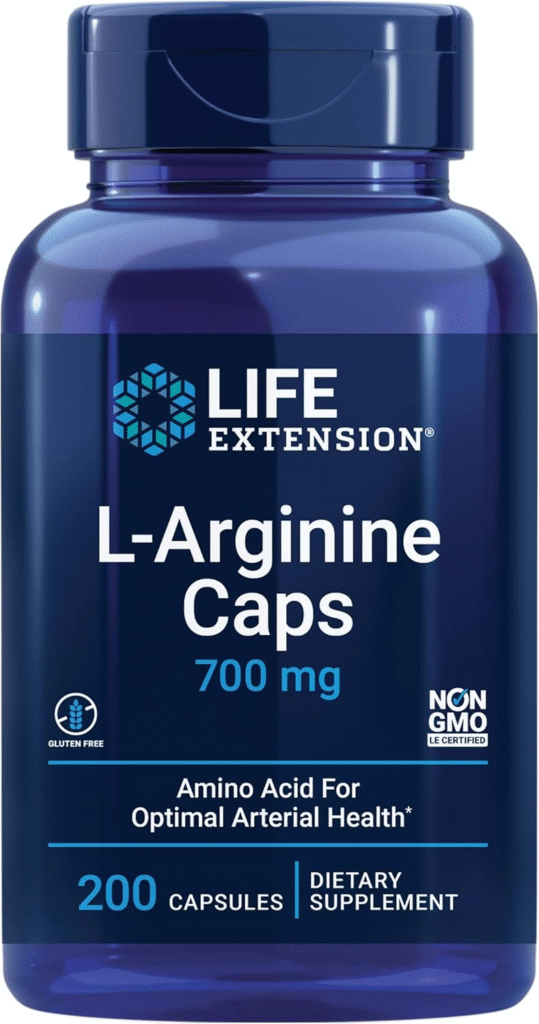
L-arginine is an amino acid that serves as a precursor to nitric oxide, a compound that helps dilate blood vessels and improve blood flow. This supplement can be particularly useful for women dealing with peripheral circulation issues.
When supplementing with L-arginine, a typical dose ranges from 2-3 grams taken 2-3 times daily. Some people may experience mild side effects like nausea or cramps, so it’s best to start with a lower dose and gradually increase as tolerated.
L-arginine offers benefits beyond circulation improvement. It may enhance exercise performance, support wound healing, and even improve fertility in some cases.
Some studies suggest it may also help manage symptoms of anxiety and support immune function.
>>Try this product from Amazon<<
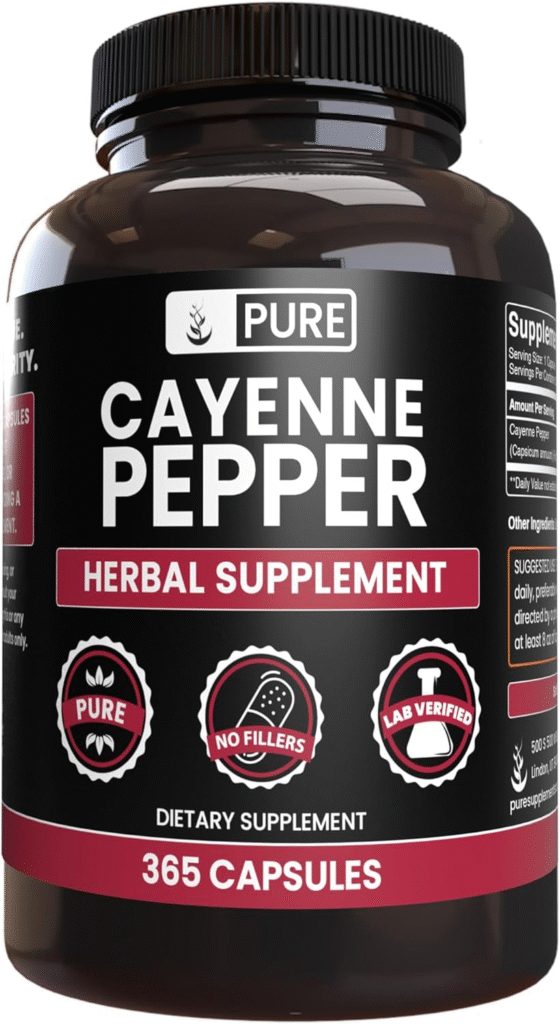
9. Cayenne Pepper
Cayenne pepper contains capsaicin, a compound known for its ability to boost circulation and metabolism. It works by stimulating the release of nitric oxide and other vasodilators, which help widen blood vessels and improve blood flow.
While cayenne can be incorporated into your diet, supplements are available for those who prefer a more concentrated dose. Capsules typically contain 450-500 mg of cayenne, and it’s generally safe to take 1-2 capsules daily with meals.
Cayenne pepper offers extra benefits beyond circulation support. It may help boost metabolism, reduce appetite, and reduce pain when applied topically.
Some studies suggest it may also have anti-cancer properties and support digestive health.
>>Try this product from Amazon<<
10. Ginger Root
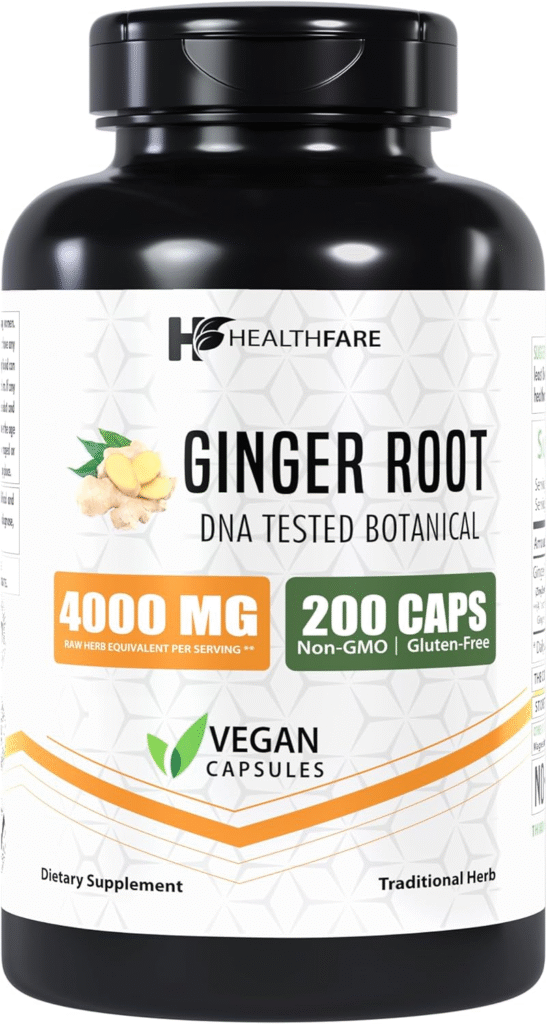
Ginger has been used for centuries in traditional medicine to improve circulation and reduce inflammation. It contains compounds that help relax blood vessels and thin the blood slightly, promoting better circulation throughout the body.
Ginger supplements are widely available in capsule form, with typical doses ranging from 1-4 grams daily. Alternatively, you can incorporate fresh ginger into your diet or enjoy it as a tea for a more natural approach to boosting circulation.
Ginger offers many extra benefits. It’s known for its ability to reduce nausea and motion sickness, reduce menstrual cramps, and support digestive health.
Some studies suggest it may also have anti-inflammatory and pain-relieving properties.
>>Try this product from Amazon<<
Healthfare Ginger Root Extract
Implementing a Supplement Regimen
When incorporating these supplements into your routine, it’s essential to take a thoughtful and gradual approach. Start with one or two supplements that align with your specific needs and health goals.
Monitor how your body responds and adjust accordingly.
Supplements are meant to complement, not replace, a healthy lifestyle. Combining these supplements with regular exercise, a balanced diet rich in fruits and vegetables, proper hydration, and stress management techniques will yield the best results for improving circulation.
Potential Challenges and Precautions
While these supplements can be incredibly useful for improving circulation, it’s important to be aware of potential interactions and side effects. Some supplements, like ginkgo biloba and omega-3s, can have blood-thinning effects and may interact with medications.
Others, like iron, can be harmful if taken in excess.
Always ask with a healthcare provider before starting any new supplement regimen, especially if you have existing health conditions or are taking medications. They can help you decide the most suitable supplements and dosages for your person needs.
Adapting Your Supplement Strategy
As you begin to improve your circulation, remember that what works best can vary from person to person. Pay attention to how your body responds to different supplements and be prepared to adjust your approach over time.
You might find that a combination of omega-3s and vitamin B complex works wonders for your energy levels and circulation. Or perhaps ginger and magnesium prove to be the perfect duo for alleviating cold hands and feet.
Don’t be afraid to experiment (under professional guidance) to find the optimal combination for your body.
Building on the Basics
Improving circulation is a foundational step towards better overall health. As you support your circulatory system with these supplements, you may notice improvements in other areas of your health as well.
Better circulation can lead to improved cognitive function, enhanced skin health, and even better digestion.
Use this newfound knowledge as a starting point to explore more holistic health practices. Consider how these circulatory improvements can support other aspects of your wellbeing, such as hormonal balance or athletic performance.
People Also Asked
What vitamins help improve circulation?
Vitamins that can help improve circulation include vitamin C, vitamin E, and B-complex vitamins, particularly B3 (niacin), B6, and B12. These vitamins support blood vessel health, reduce inflammation, and promote better blood flow.
Can magnesium help with poor circulation?
Yes, magnesium can help with poor circulation. It helps relax blood vessels, which can improve blood flow throughout the body.
Magnesium also supports overall cardiovascular health and can help regulate blood pressure.
How does iron affect circulation in women?
Iron is crucial for circulation in women because it’s essential for the production of hemoglobin, which carries oxygen in the blood. Iron deficiency can lead to anemia, which directly impacts circulation by reducing the blood’s ability to carry oxygen effectively.
Are there any natural supplements for Raynaud’s syndrome?
Several natural supplements may help manage Raynaud’s syndrome, including ginkgo biloba, fish oil (omega-3 fatty acids), and niacin (vitamin B3). These supplements can help improve circulation and reduce the frequency and severity of Raynaud’s attacks.
Can L-arginine improve peripheral circulation?
Yes, L-arginine can improve peripheral circulation. It’s an amino acid that serves as a precursor to nitric oxide, which helps dilate blood vessels and improve blood flow, particularly in the extremities.
How does CoQ10 support heart health and circulation?
CoQ10 supports heart health and circulation by acting as a powerful antioxidant and playing a crucial role in energy production within cells, particularly in the heart. It can help improve the efficiency of the heart muscle and support overall cardiovascular function.
What’s the connection between vitamin C and blood vessel health?
Vitamin C is essential for blood vessel health because it supports the production of collagen, a protein that helps maintain the structure and elasticity of blood vessels. It also acts as an antioxidant, protecting blood vessels from damage caused by free radicals.
Can ginger supplements help with cold hands and feet?
Ginger supplements may help with cold hands and feet by improving circulation. Ginger contains compounds that help relax blood vessels and promote better blood flow, which can help warm up extremities.
Are there any risks associated with taking circulation-boosting supplements?
While circulation-boosting supplements can be beneficial, there are potential risks. Some supplements can interact with medications or have side effects.
For example, ginkgo biloba and omega-3s can have blood-thinning effects.
It’s always best to ask with a healthcare provider before starting any new supplement regimen.
How long does it take to see improvements in circulation from supplements?
The time it takes to see improvements in circulation from supplements can vary depending on the person and the specific supplement. Some people may notice changes within a few weeks, while for others, it may take several months of consistent use.
It’s important to be patient and consistent with supplementation.
Key Takeaways
- Omega-3 fatty acids, B-complex vitamins, and iron are fundamental supplements for supporting circulation in women.
- Herbal supplements like ginkgo biloba, cayenne pepper, and ginger can provide natural circulatory support.
- Antioxidants such as CoQ10 and vitamin C play crucial roles in vascular health and blood flow.
- Always ask with a healthcare provider before starting a new supplement regimen, especially if you have existing health conditions.
- Combine supplements with a healthy lifestyle for optimal circulatory health.
Disclaimer
The information contained in this post is for general information purposes only. The information is provided by Top 10 Supplements to Boost Circulation in Women and while we endeavor to keep the information up to date and correct, we make no representations or warranties of any kind, express or implied, about the completeness, accuracy, reliability, suitability or availability with respect to the website or the information, products, services, or related graphics contained on the post for any purpose.