
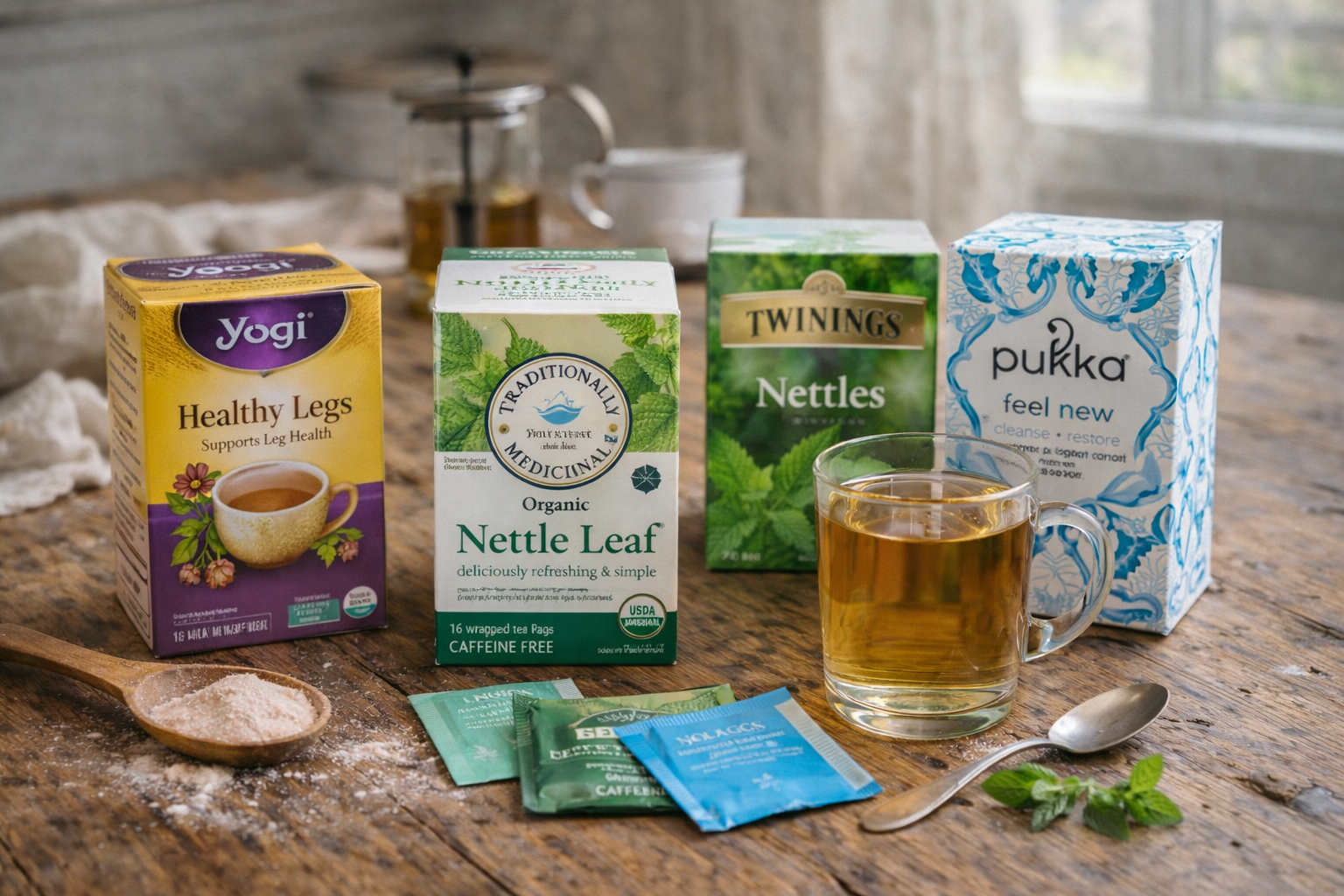
As someone who’s dealt with the discomfort of heavy legs and poor circulation, I know how frustrating these conditions can be. The good news is that nature provides us with a variety of herbal teas that can help reduce these symptoms and improve our vascular health.
In this comprehensive guide, I’ll share my top 10 picks for herbal teas that can make a real difference in relieving heavy legs and boosting circulation.
Understanding Heavy Legs and Poor Circulation
Heavy legs and poor circulation often result from venous insufficiency, where blood doesn’t flow efficiently from the legs back to the heart. This can lead to fluid retention, swelling, and a feeling of heaviness or fatigue in the legs.
Factors such as prolonged sitting or standing, pregnancy, obesity, and genetics can contribute to these issues. Poor circulation can manifest in various ways, including cold extremities, numbness, tingling sensations, and even varicose veins.
When blood flow is compromised, it affects our comfort and overall health, as proper circulation is essential for delivering oxygen and nutrients throughout our body.
The Importance of Herbal Teas
Herbal teas have been used for centuries to address various health concerns, including circulatory problems. Many herbs contain compounds that can help strengthen blood vessels, reduce inflammation, and improve blood flow.
By incorporating these teas into your daily routine, you may experience significant relief from heavy legs and poor circulation.
Herbal teas offer a natural approach to healing. They provide a gentler, more holistic way to support our body’s natural processes.
They’re also easy to incorporate into our daily lives, making them an accessible and enjoyable form of self-care.
Now, let’s explore the top 10 herbal teas that can help relieve heavy legs and boost circulation.
1. Horsechestnut Tea
Horsechestnut is highly effective for improving circulation and reducing leg swelling. Its active compound, aescin, strengthens vein walls and reduces fluid leakage into surrounding tissues.
>>Try this product from Amazon<<
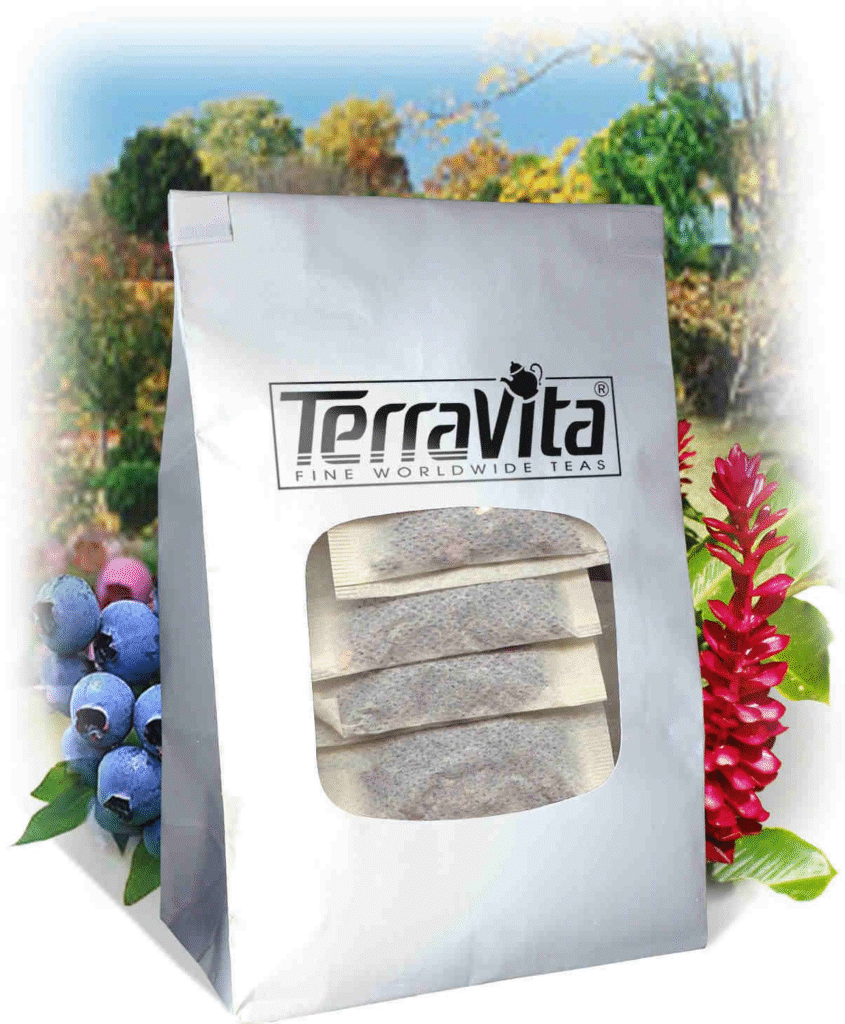
This makes it particularly effective for addressing varicose veins and edema.
To prepare horsechestnut tea, steep 1-2 teaspoons of dried horsechestnut in hot water for 10-15 minutes. Strain and drink this tea once or twice daily for best results.
The taste can be slightly bitter, so you may want to add a touch of honey or lemon to improve the flavor.
While horsechestnut is generally safe for most people, it’s always best to ask with a healthcare professional before adding it to your routine, especially if you’re pregnant or taking blood-thinning medications.
2. Ginkgo Biloba Tea
Ginkgo biloba improves circulation throughout the body, including the legs. It works by dilating blood vessels and reducing blood platelet aggregation, which enhances blood flow to the extremities.
>>Try this product from Amazon<<
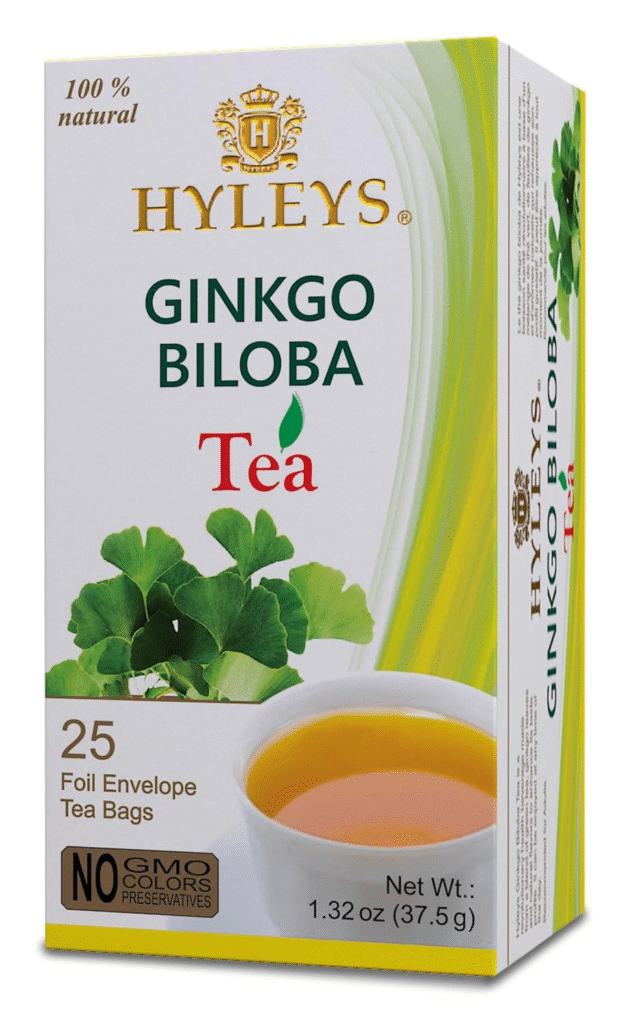
This ancient herb has been used in traditional Chinese medicine for thousands of years and has gained popularity in the West for its cognitive and circulatory benefits.
To make ginkgo biloba tea, steep 1 teaspoon of dried ginkgo leaves in hot water for 5-10 minutes. Enjoy this tea up to three times a day to experience its circulatory benefits.
The flavor is mild and slightly nutty, making it an easy addition to your daily tea routine.
Ginkgo biloba is particularly beneficial for those experiencing cold hands and feet because of poor circulation. It may also help reduce leg cramps and fatigue associated with venous insufficiency.
3. Hibiscus Tea
This vibrant, tart tea is excellent for your circulatory system. Hibiscus is rich in antioxidants and has natural diuretic properties, which can help reduce fluid retention and ease the feeling of heavy legs.
>>Try this product from Amazon<<
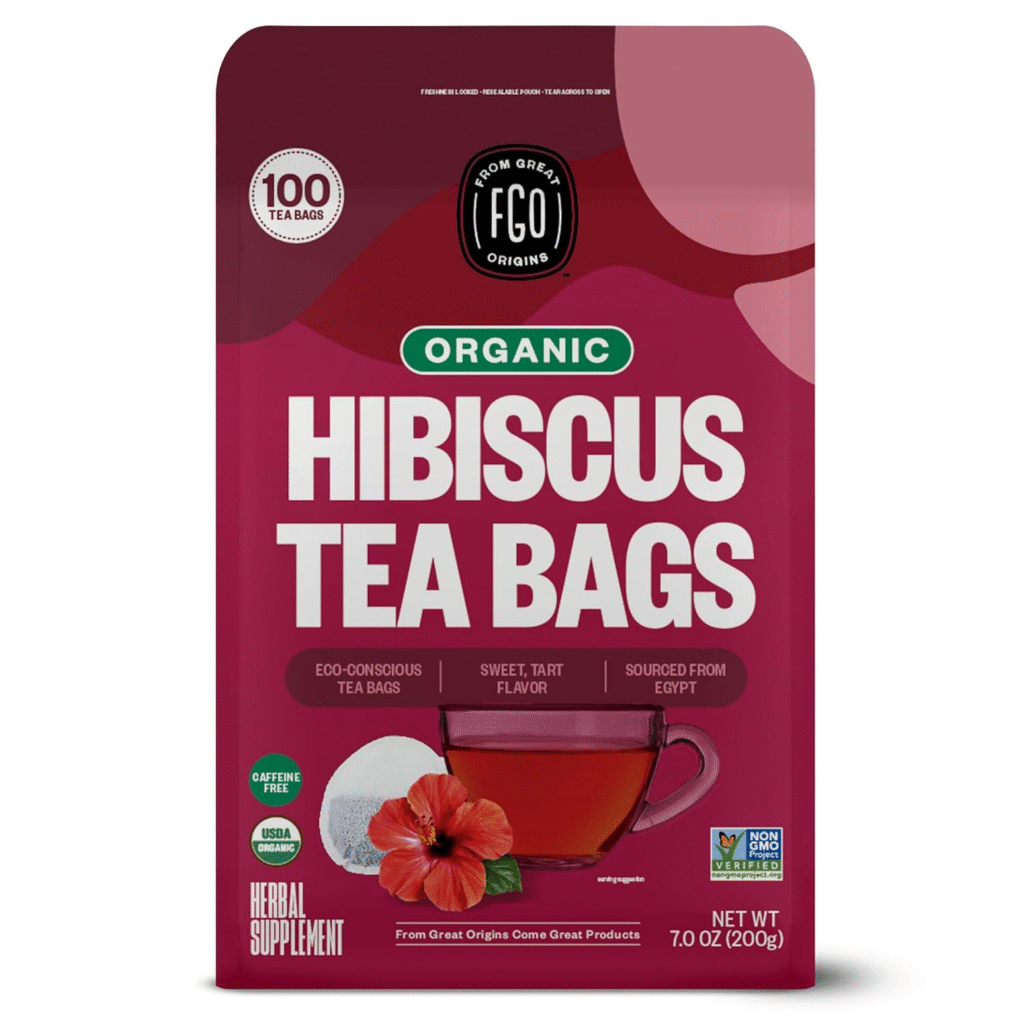
Studies have shown that hibiscus may help lower blood pressure, further supporting overall vascular health.
To make hibiscus tea, steep 2 teaspoons of dried hibiscus flowers in hot water for 5 minutes. The resulting brew is a beautiful deep red color with a tangy, slightly sour taste.
You can enjoy it hot or iced, and feel free to add a touch of honey for sweetness if desired.
Hibiscus tea is beneficial for circulation and a refreshing and hydrating beverage. Its high vitamin C content supports the health of blood vessels and can help improve the absorption of iron, which is crucial for healthy blood circulation.
4. Hawthorn Berry Tea
Hawthorn berry has been used in traditional medicine for centuries to support heart and circulatory health. It’s particularly effective in improving the strength of blood vessel walls and enhancing blood flow.
>>Try this product from Amazon<<
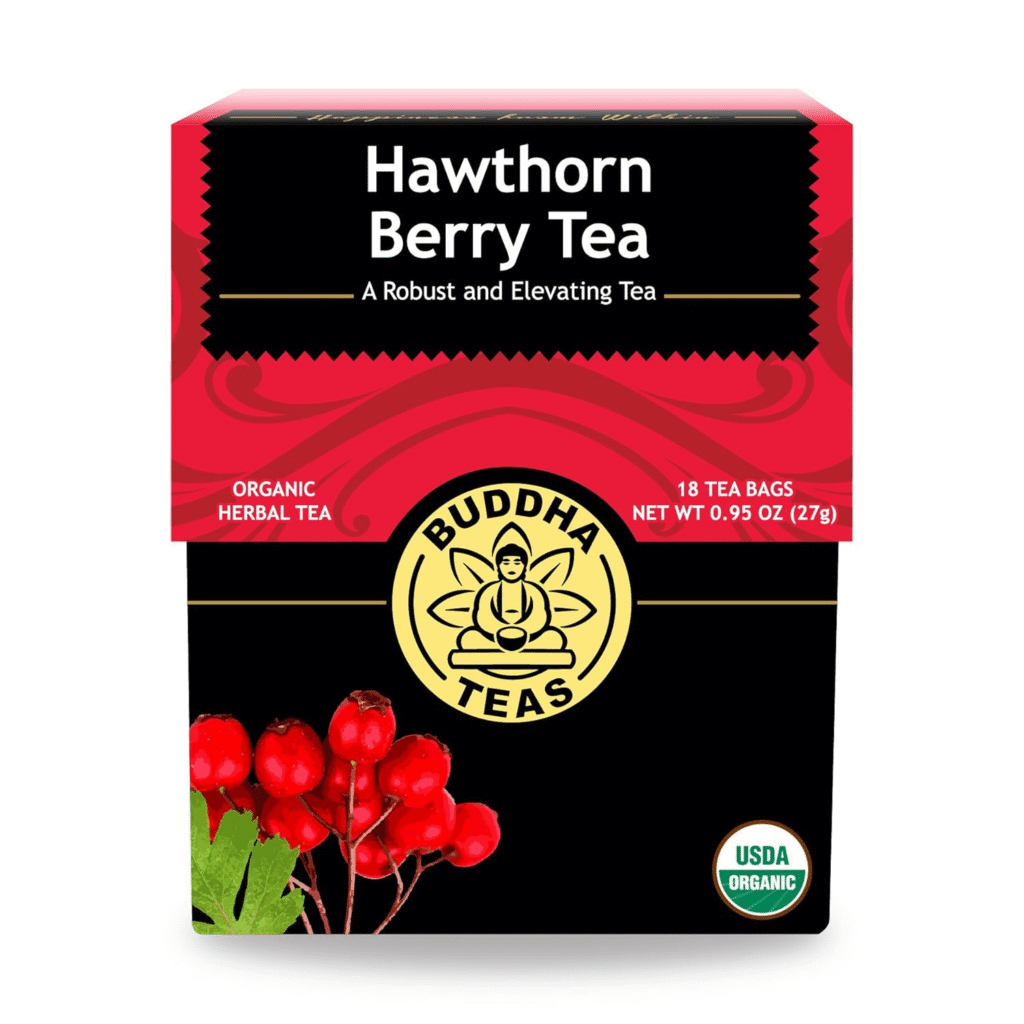
The berries, leaves, and flowers of the hawthorn plant are all used medicinally, but the berries are most commonly used for tea.
To make hawthorn berry tea, steep 1-2 teaspoons of dried hawthorn berries in hot water for 10-15 minutes. The resulting tea has a mild, slightly sweet flavor with a hint of tartness.
Drink this tea once or twice daily for optimal benefits.
Hawthorn is known as a cardiotonic herb, meaning it helps strengthen and tone the heart muscle. This, in turn, can improve overall circulation and reduce the symptoms of heavy legs.
Regular consumption of hawthorn tea may also help reduce the risk of cardiovascular diseases.
5. Ginger Tea
Ginger is a warming herb that can help stimulate circulation throughout the body. It also has anti-inflammatory properties, which can be beneficial for reducing swelling in the legs.
>>Try this product from Amazon<<
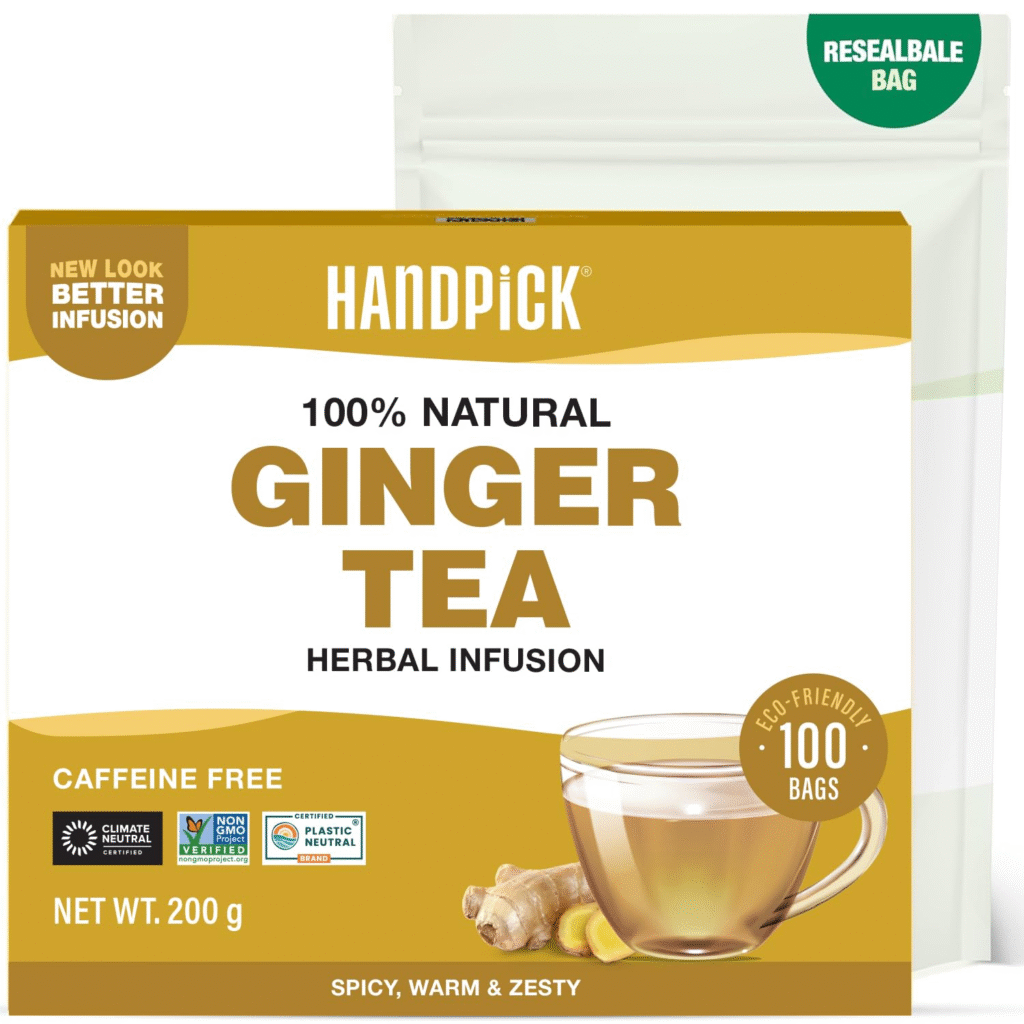
Ginger’s ability to improve blood flow makes it an excellent choice for people who have cold extremities or general circulatory issues.
To make ginger tea, simply steep a few slices of fresh ginger root in hot water for 5-10 minutes. You can also use dried ginger powder if fresh ginger is not available.
The resulting tea has a spicy, invigorating flavor that can be enjoyed on its own or with a bit of honey and lemon.
For an extra circulatory boost, try adding a pinch of cayenne pepper to your ginger tea. Cayenne is known for its ability to stimulate blood flow and can enhance the warming effects of ginger.
6. Dandelion Root Tea
Dandelion root is an excellent natural diuretic, helping to flush excess fluid from the body and reduce swelling in the legs. It’s also rich in potassium, which is essential for maintaining proper fluid balance.
>>Try this product from Amazon<<
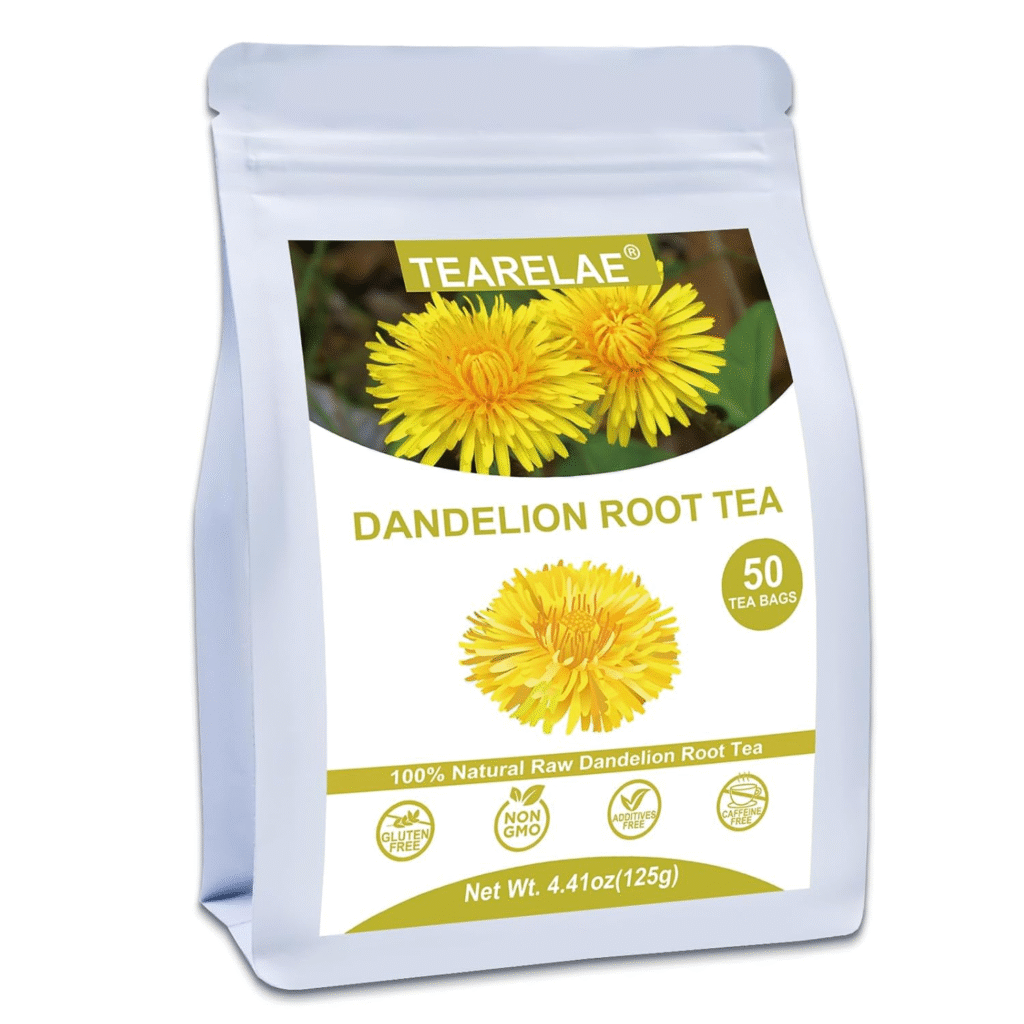
This common “weed” has been used medicinally for centuries and is gaining recognition for its many health benefits.
To make dandelion root tea, steep 1-2 teaspoons of dried dandelion root in hot water for 10-15 minutes. The resulting tea has a slightly bitter, earthy flavor that some compare to coffee.
You can add a bit of honey or cinnamon to improve the taste if desired.
Drink this tea once or twice daily to support healthy circulation and reduce fluid retention. Dandelion root tea is particularly beneficial for those who experience swelling in their legs because of prolonged sitting or standing.
7. Green Tea
Green tea is packed with antioxidants called catechins, which have been shown to improve blood flow and support overall cardiovascular health. It also contains a moderate amount of caffeine, which can help stimulate circulation.
>>Try this product from Amazon<<

The combination of catechins and caffeine makes green tea an excellent choice for boosting overall circulation and reducing leg heaviness.
To prepare green tea, steep a green tea bag or 1 teaspoon of loose green tea leaves in hot water for 2-3 minutes. Be careful not to over-steep, as this can lead to a bitter taste.
Enjoy 2-3 cups of green tea daily for most benefits.
Green tea’s benefits extend beyond circulation. It’s also known for its potential to boost metabolism, support weight loss, and improve cognitive function.
These extra benefits can contribute to overall health and well-being, which in turn can positively impact circulation.
8. Nettle Leaf Tea
Nettle leaf is a nutrient-dense herb that can help improve circulation and reduce inflammation in the body. It’s particularly beneficial for people who have edema or fluid retention in the legs.
Nettle is rich in vitamins and minerals, including iron, which is essential for healthy blood production and circulation.
>>Try this product from Amazon<<
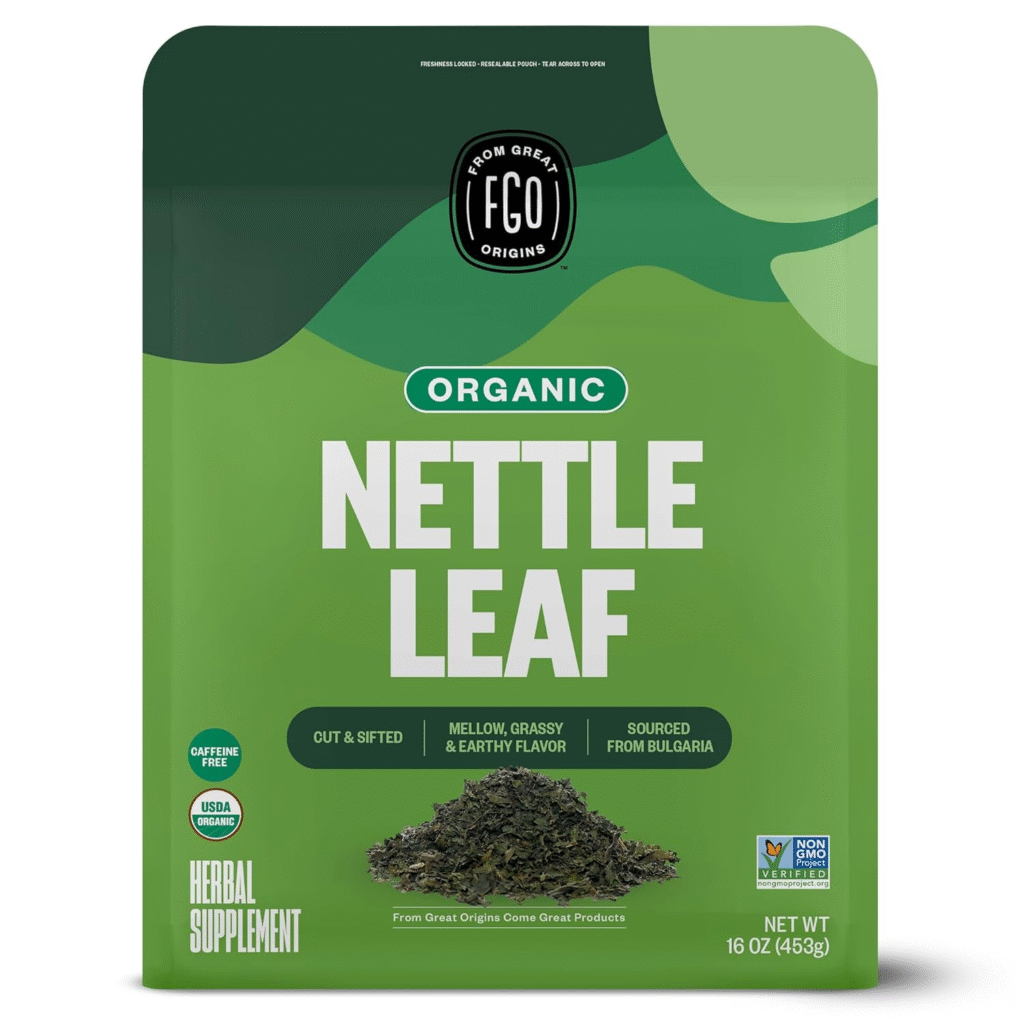
To make nettle leaf tea, steep 1-2 teaspoons of dried nettle leaves in hot water for 5-10 minutes. The resulting tea has a mild, slightly earthy flavor that some compare to spinach.
Drink this tea once or twice daily to support healthy circulation and reduce leg heaviness.
Nettle leaf tea is also known for its ability to support kidney function, which plays a crucial role in fluid balance and overall circulatory health. Regular consumption of nettle tea may help improve overall vascular health and reduce the symptoms of heavy legs.
9. Butcher’s Broom Tea
Butcher’s broom is a lesser-known herb that has been traditionally used to improve circulation and reduce leg swelling. It contains compounds that can help strengthen blood vessels and improve venous tone.
>>Try this product from Amazon<<
This herb is particularly beneficial for those suffering from chronic venous insufficiency and varicose veins.
To make butcher’s broom tea, steep 1 teaspoon of dried butcher’s broom root in hot water for 10-15 minutes. The resulting tea has a mild, slightly bitter flavor.
Drink this tea once a day to support leg health and circulation.
Butcher’s broom works by constricting blood vessels, which can help improve blood flow back to the heart. This action can significantly reduce the feeling of heaviness in the legs and reduce swelling.
10. Bilberry Tea
Bilberry, a close relative of the blueberry, is rich in antioxidants called anthocyanins, which can help strengthen blood vessels and improve circulation. It’s particularly beneficial for supporting the health of small blood vessels and capillaries.
Bilberry has been used traditionally to improve night vision, but its benefits for circulatory health are equally impressive.
>>Try this product from Amazon<<
To make bilberry tea, steep 1-2 teaspoons of dried bilberries or 1 teaspoon of dried bilberry leaves in hot water for 5-10 minutes. The resulting tea has a pleasant, fruity flavor similar to blueberries.
Enjoy this tea once or twice daily for optimal circulatory support.
Bilberry’s ability to strengthen blood vessels makes it particularly useful for people who have fragile capillaries or a tendency towards bruising. Regular consumption of bilberry tea may help improve overall vascular health and reduce the symptoms of poor circulation.
Incorporating Herbal Teas into Your Routine
While these herbal teas can be powerful allies in improving circulation and relieving heavy legs, it’s important to remember that they work best as part of a holistic approach to health. Here are some tips for incorporating these teas into your daily routine:
- Start slowly: Begin by choosing one or two teas that appeal to you and gradually incorporate them into your daily routine.
Pay attention to how your body responds and adjust accordingly.
- Be consistent: Consistency is key when it comes to experiencing the benefits of herbal remedies.
Try to make drinking these teas a regular part of your daily routine.
- Combine with lifestyle changes: For best results, mix your tea-drinking habit with regular exercise, proper hydration, and a balanced diet rich in fruits and vegetables.
- Listen to your body: Everyone’s body is different, so what works for one person may not work for another.
Pay attention to how you feel and adjust your tea consumption accordingly.
- Be patient: Herbal remedies often work more gently and gradually than pharmaceutical interventions.
Give your body time to respond to the teas and be patient with the process.
- Consider blending: You can create your own custom blends by combining different herbs.
For example, a mix of ginger and hibiscus can be both delicious and beneficial for circulation.
- Mind the timing: Some teas, like green tea, contain caffeine and are best consumed earlier in the day.
Others, like chamomile (not listed above but known for its relaxing properties), might be better suited for evening consumption.
By incorporating these herbal teas into your daily routine and adopting a holistic approach to health, you can significantly improve your circulation and reduce the discomfort of heavy legs. While these teas are generally safe for most people, it’s always wise to talk to a healthcare professional before starting any new herbal regimen, especially if you have existing health conditions or are taking medications.
People Also Asked
Can herbal teas really improve circulation?
Yes, many herbal teas contain compounds that can help improve blood flow, strengthen blood vessels, and reduce inflammation. Regular consumption of certain herbal teas, combined with a healthy lifestyle, can contribute to better circulation.
How long does it take to see results from drinking herbal teas for circulation?
The time it takes to see results can vary depending on the person and the specific tea. Some people may notice improvements within a few weeks, while for others it may take a couple of months of consistent use.
Are there any side effects of drinking herbal teas for circulation?
Most herbal teas are safe when consumed in moderation. However, some herbs can interact with medications or have side effects in certain people.
It’s always best to ask with a healthcare professional before starting any new herbal regimen.
Can I drink many types of herbal tea for circulation in one day?
Yes, you can drink different types of herbal tea throughout the day. However, it’s important to be mindful of the total amount of tea you’re consuming and any potential interactions between herbs.
Is green tea effective for improving circulation?
Green tea contains compounds called catechins that have been shown to improve blood flow and support cardiovascular health. Regular consumption of green tea can contribute to better circulation.
How does ginger tea help with circulation?
Ginger has warming properties that can help stimulate blood flow throughout the body. It also has anti-inflammatory effects that can benefit overall vascular health.
Can hibiscus tea help lower blood pressure?
Studies have shown that regular consumption of hibiscus tea may help lower blood pressure in some people. This can contribute to better overall circulation.
Is it safe to drink herbal teas for circulation during pregnancy?
Some herbal teas may not be safe during pregnancy. It’s crucial to ask with a healthcare provider before consuming any herbal teas while pregnant.
How much herbal tea should I drink daily for better circulation?
The recommended amount can vary depending on the specific tea and person factors. Generally, 1-3 cups per day of most herbal teas is considered safe and potentially useful.
Can herbal teas help with varicose veins?
Some herbal teas, like horse chestnut and butcher’s broom, may help improve the symptoms of varicose veins by strengthening blood vessels and improving circulation.
Key Takeaways
- Herbal teas can be effective in relieving heavy legs and improving circulation.
- Horse chestnut, ginkgo biloba, and hibiscus are particularly potent for vascular health.
- Consistency is key when incorporating herbal teas into your routine.
- Combine tea consumption with a healthy lifestyle for optimal results.
- Listen to your body and adjust your tea consumption as needed.
Try this product: Everlywell’s Women’s Health Test
Find out our Recommended products to Improve Circulation Naturally; visit: https://www.vitalwomenwellness.com/how-to-improve-circulation-naturally-for-women/
Disclaimer
The information contained in this post is for general information purposes only. The information is provided by 10 Soothing Herbal Teas to Relieve Heavy Legs and Boost Circulation and while we endeavor to keep the information up to date and correct, we make no representations or warranties of any kind, express or implied, about the completeness, accuracy, reliability, suitability or availability with respect to the website or the information, products, services, or related graphics contained on the post for any purpose.