

A practical guide to nature-based products that may support conception
Fertility challenges affect millions of people, and the market for natural support has grown substantially over the past decade. Herbal supplements for fertility draw on thousands of years of traditional medicine, now backed by modern research into plant compounds, hormones and reproductive health.
You’ll find everything from single-herb capsules targeting specific issues to comprehensive blends designed for preconception preparation.
The key differences come down to whether you’re addressing cycle irregularity, stress-related fertility issues, PCOS patterns, male factor concerns or general reproductive wellness.
Before reaching for any supplement, understand that herbs work best when layered on top of solid foundations: adequate sleep, balanced nutrition, basic prenatal vitamins with folate and vitamin D, and reasonable stress management. Most practitioners recommend a three-month trial period because egg and sperm development cycles run roughly that long.
This guide covers products with research backing or strong traditional use, organized by what they’re designed to support.
Always ask a healthcare provider before starting herbal supplements, especially if you’re on medications, have hormone-sensitive conditions or are already pregnant.
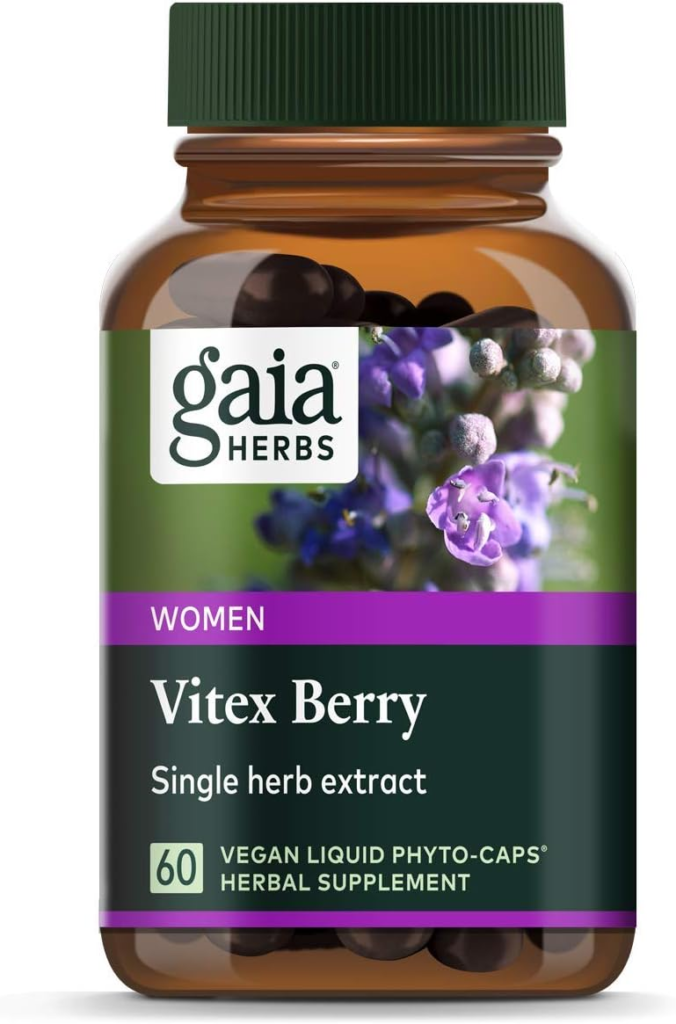
1. Gaia Herbs Vitex Berry (Chasteberry)
This single-herb capsule from Gaia Herbs delivers standardized Vitex agnus-castus extract, one of the most researched herbs for menstrual regularity and luteal phase support. Vitex appears to work at the pituitary level, helping to balance prolactin and indirectly supporting progesterone in people with irregular cycles or short luteal phases.
Clinical reviews show benefits for premenstrual symptoms and corpus luteum function.
Take one capsule daily in the morning for at least three months before assessing effects.
2. The Maca Team Premium Raw Maca Powder
This organic Peruvian maca powder provides a blend of red, yellow and black maca roots traditionally used to support reproductive vitality, libido and energy in both partners. Studies suggest maca can improve sperm quality and sexual want without directly affecting hormone levels, making it a gentler adaptogenic choice.
Mix 1.5 to 3 grams daily into smoothies, oatmeal or yogurt.
The taste is malty and slightly nutty, so it pairs well with chocolate or peanut butter flavors.
3. KSM-66 Ashwagandha by Organic India
KSM-66 is a full-spectrum ashwagandha extract standardized to high withanolide content. This adaptogenic herb helps regulate cortisol and supports the hypothalamic-pituitary-gonadal axis, which governs reproductive hormones.
Research shows ashwagandha can improve stress resilience, sleep quality, thyroid function and sex hormone balance in both men and women.
It’s particularly useful when stress or burnout is disrupting cycles or libido. Take one to two capsules daily, but avoid during pregnancy without medical supervision.
4. Cinnulin PF Cinnamon Extract by Swanson
Cinnulin PF is a patented water-soluble cinnamon extract studied specifically for insulin sensitivity. Trials in women with PCOS show that cinnamon supplementation can improve menstrual cyclicity, reduce insulin resistance and lower excess androgens.
This makes it a smart addition for anyone with irregular cycles tied to blood sugar issues.
Take as directed with food, usually one to two capsules daily. Use caution if you’re on blood-sugar-lowering medications.
Where to find it: Swanson Health, Amazon, iHerb.
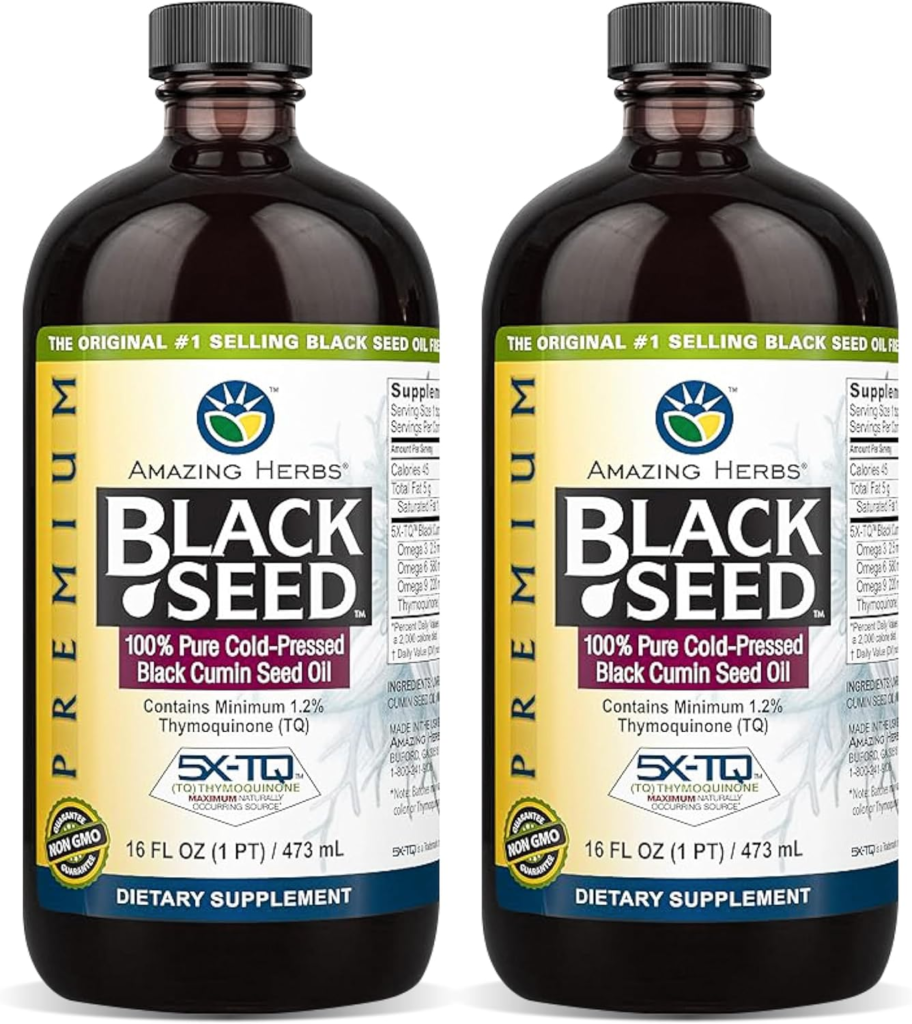
5. Amazing Herbs Black Seed Oil (Nigella sativa)
Cold-pressed black seed oil from Nigella sativa contains thymoquinone and other compounds with antioxidant and anti-inflammatory properties. Animal studies show it may help reduce ovarian cysts, improve hormone profiles and support egg quality in PCOS-like conditions.
Human data is still limited, so this is best used under the guidance of a fertility-aware practitioner.
Take one teaspoon daily or follow capsule dosing on the label.
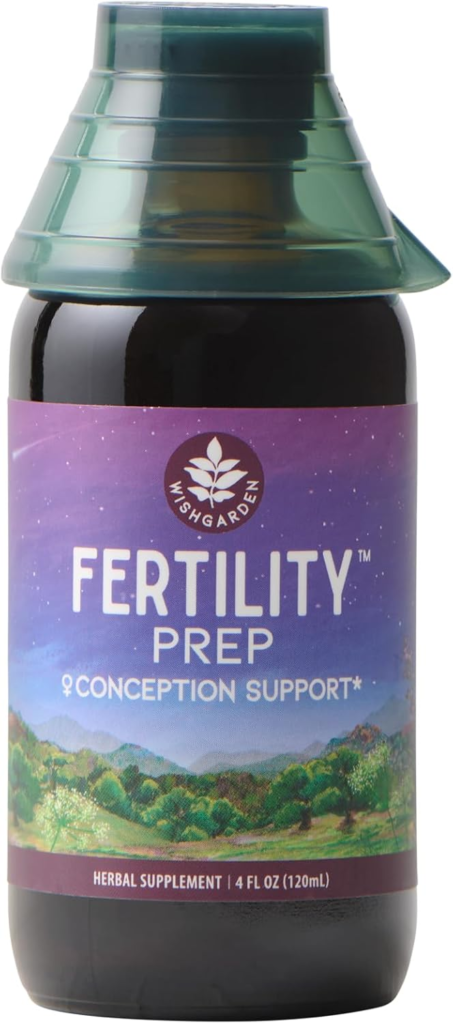
6. WishGarden Herbs Fertility Prep Conception Support
This liquid herbal blend combines Vitex berry, wild yam root, red maca, black haw bark and raspberry leaf in an alcohol-based tincture designed for three months of preconception preparation. The formula targets hormonal balance, uterine tone and menstrual comfort.
It’s formulated specifically for the preconception window and should be stopped once you get a positive pregnancy test.
Take one full dropper once or twice daily in water or tea.
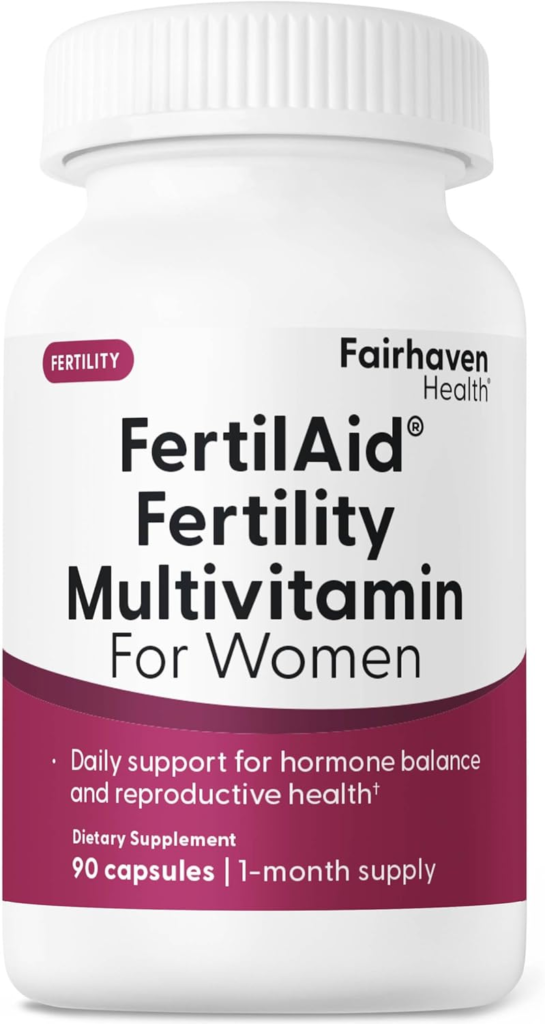
7. Fairhaven Health FertilAid for Women
FertilAid is a multi-herb and nutrient formula that includes Vitex, red clover, Siberian ginseng, antioxidants, folic acid, selenium and other fertility-supporting compounds. It’s designed as an all-in-one product for women trying to conceive, addressing cycle regularity, ovulation support and nutritional gaps.
Take three capsules daily.
Some users report improved cycle length and reduced PMS within two to three months.
8. Traditional Medicinals Organic Raspberry Leaf Tea
Red raspberry leaf is a mineral-rich uterine tonic that has been used for centuries to support menstrual health and prepare the body for conception. This organic tea provides magnesium, potassium, iron and B vitamins in a mild, pleasant-tasting brew.
Drink one to three cups daily as part of your preconception routine.
Some practitioners recommend stopping in the first trimester and resuming later in pregnancy, so discuss timing with your provider if you conceive.
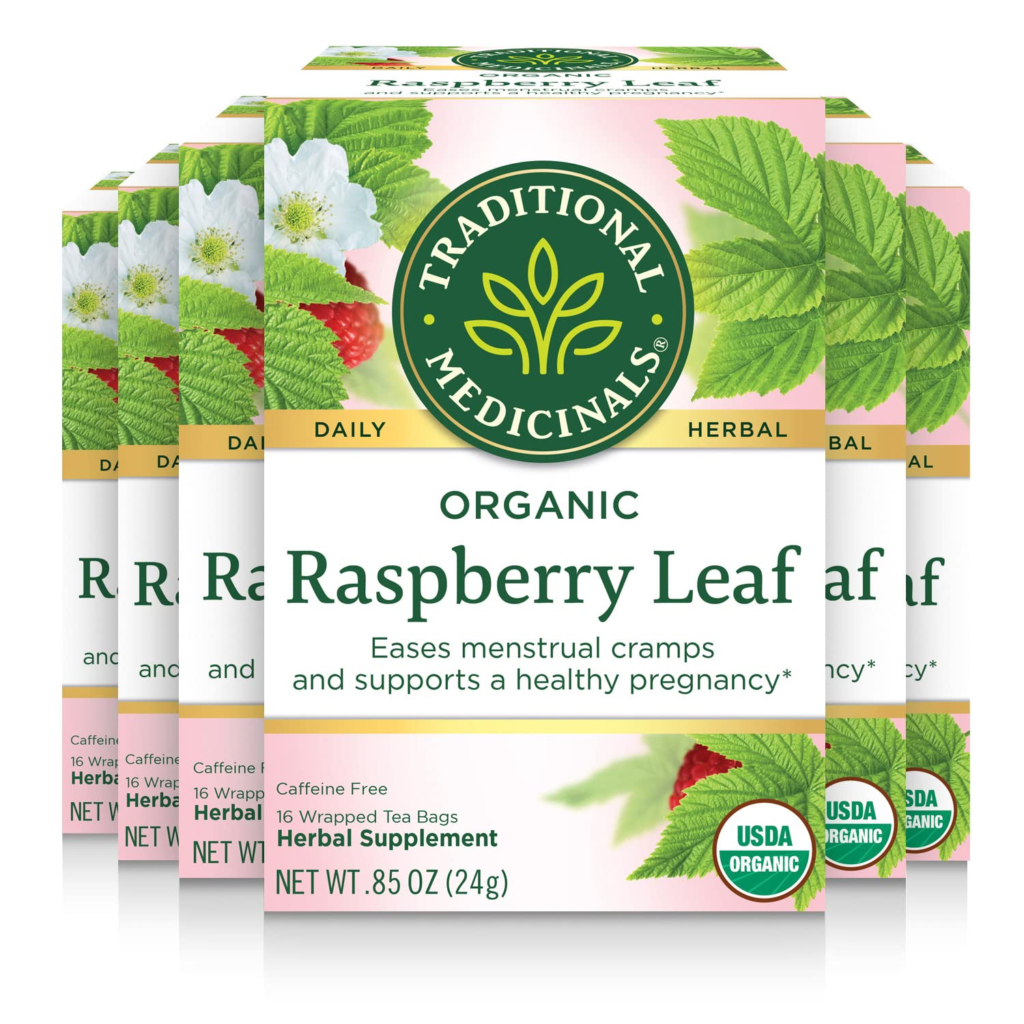
Traditional Medicinals Organic Raspberry Leaf Tea
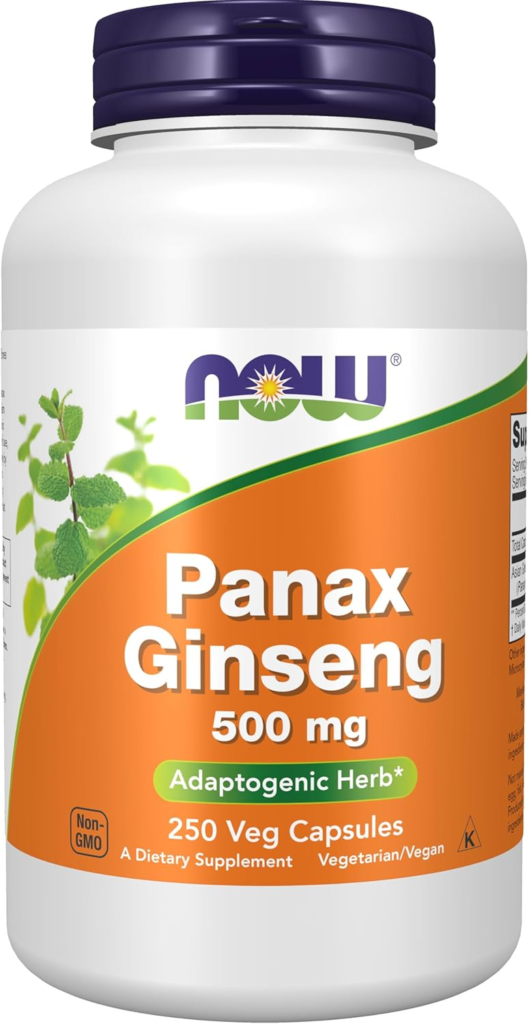
9. NOW Foods Panax Ginseng 500mg
Panax ginseng is a well-researched adaptogen for male fertility, energy and blood flow. Studies show improvements in sperm motility, count and overall vitality.
It also supports erectile function and stamina, making it a good choice for male partners dealing with stress or suboptimal semen analysis results.
Take one to two capsules daily with food. Avoid if you have high blood pressure, insomnia or take stimulants or blood thinners.
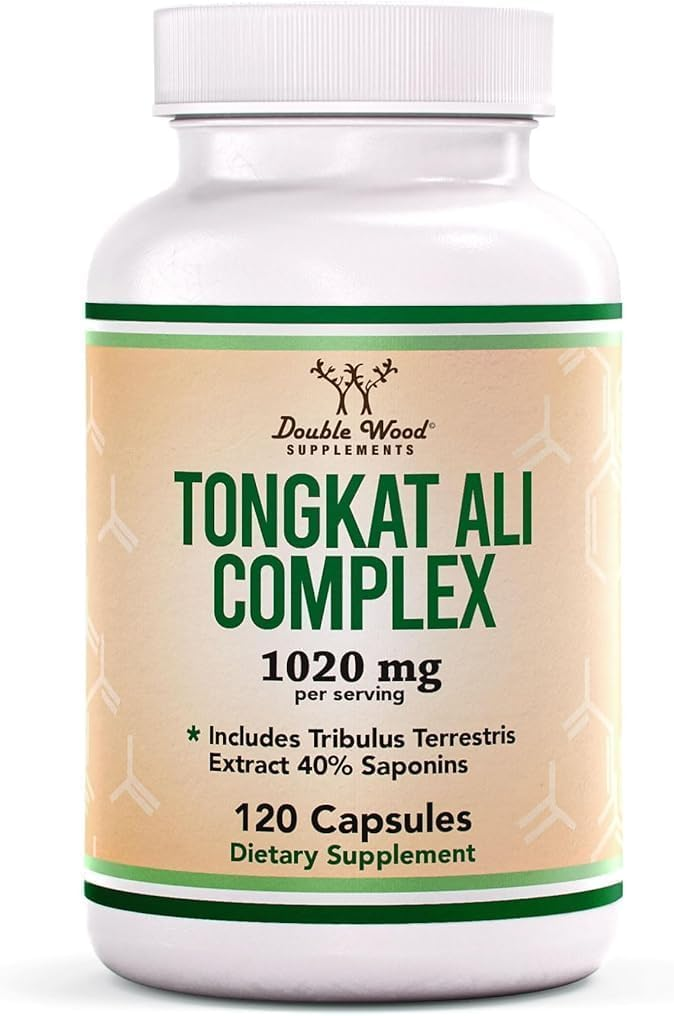
10. Double Wood Supplements Tongkat Ali Extract
Tongkat Ali, also known as Longjack or Eurycoma longifolia, is traditionally used to support testosterone, libido and sperm quality in men. Clinical trials suggest it can improve testosterone levels, reduce cortisol and enhance sperm concentration and motility.
Quality varies widely across brands, so choose one with third-party testing.
Take one capsule daily, preferably in the morning.
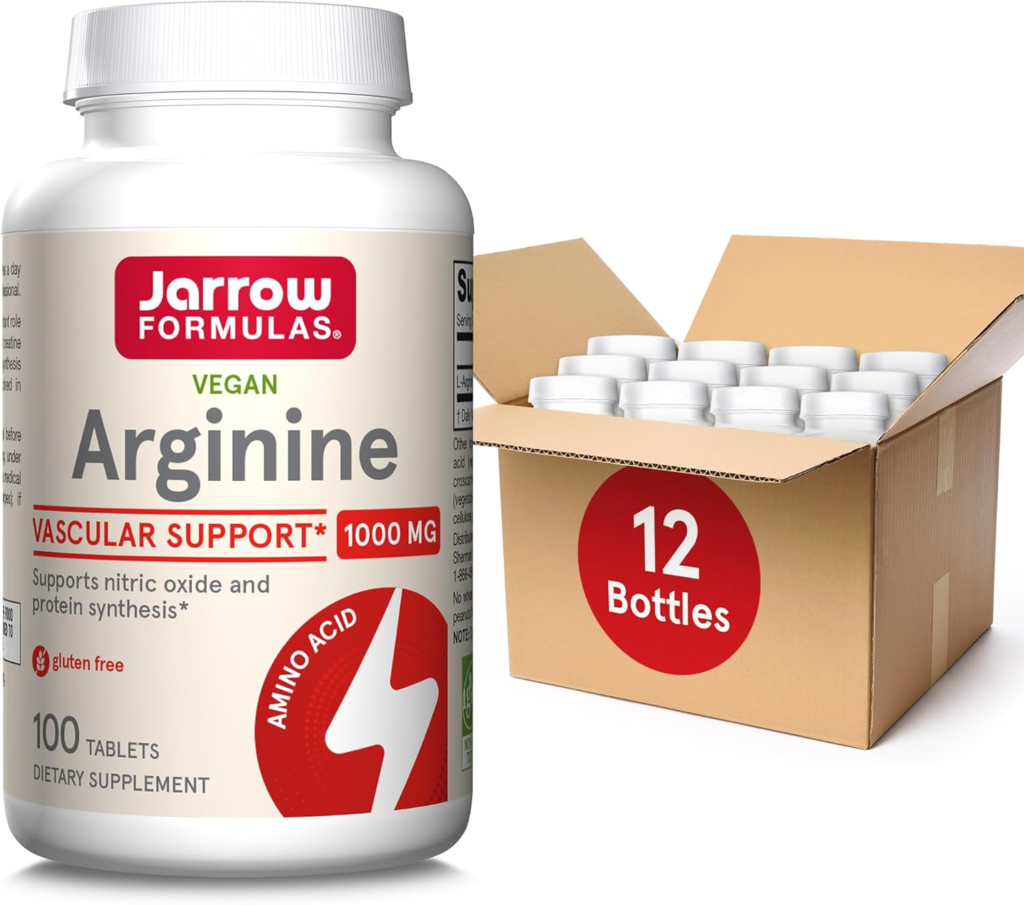
11. Jarrow Formulas L-Arginine 1000mg
L-arginine is an amino acid that increases nitric oxide production, improving blood flow to reproductive organs. This can support uterine lining thickness in women and erectile function in men.
Some small studies suggest benefits for implantation and sperm motility.
Take one to two capsules daily on an empty stomach. Avoid if you have active herpes simplex or are on prescribed nitrates.
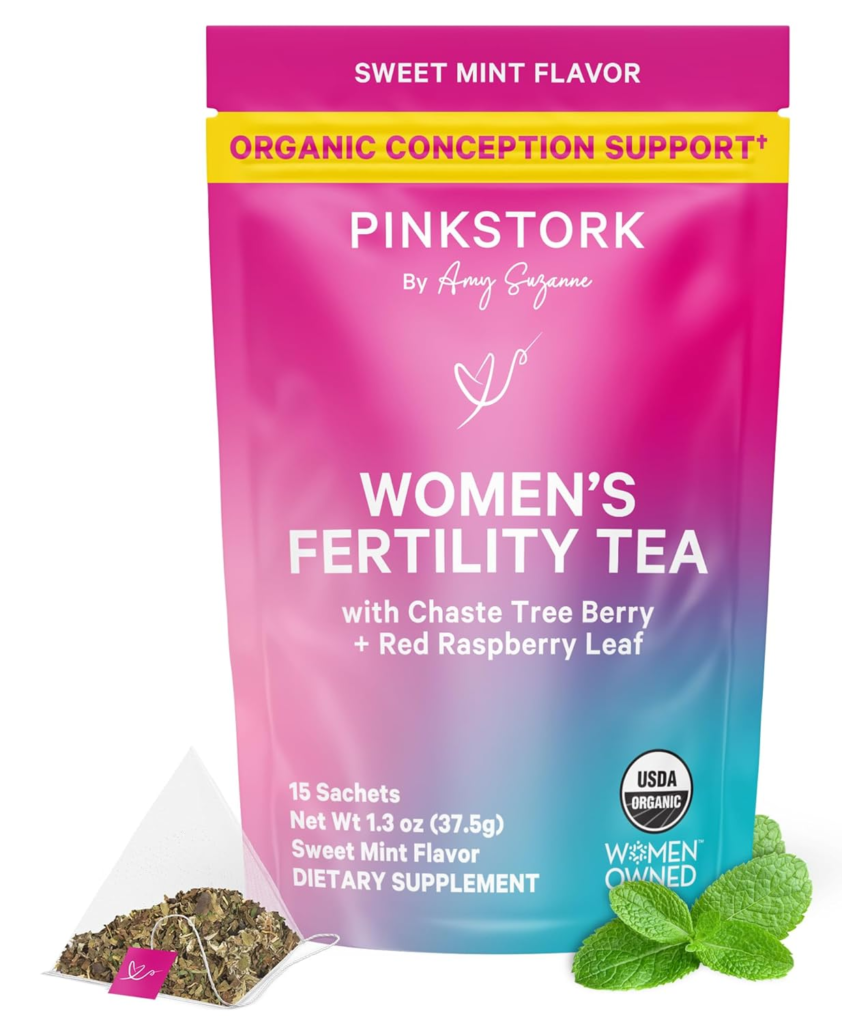
12. Pink Stork Fertility Tea
Pink Stork’s herbal tea blend combines red raspberry leaf, nettle leaf, chaste tree berry, lady’s mantle and other traditionally used fertility herbs. It’s organic, caffeine-free and designed to be drunk daily throughout your cycle.
The blend provides both minerals and gentle hormonal support in a ritual that many find comforting.
Steep one tea bag in hot water for five minutes and drink one to three cups per day.
13. Ovasitol Inositol Powder (Myo-Inositol & D-Chiro-Inositol)
While not an herb, Ovasitol is commonly stacked with herbal PCOS protocols. This unflavored powder combines myo-inositol and d-chiro-inositol in the research-backed 40:1 ratio shown to improve ovulation, egg quality, insulin sensitivity and hormone balance in PCOS.
Mix one packet twice daily in water or juice.
Pair it with cinnamon or Nigella sativa for a comprehensive PCOS-support stack under medical guidance.
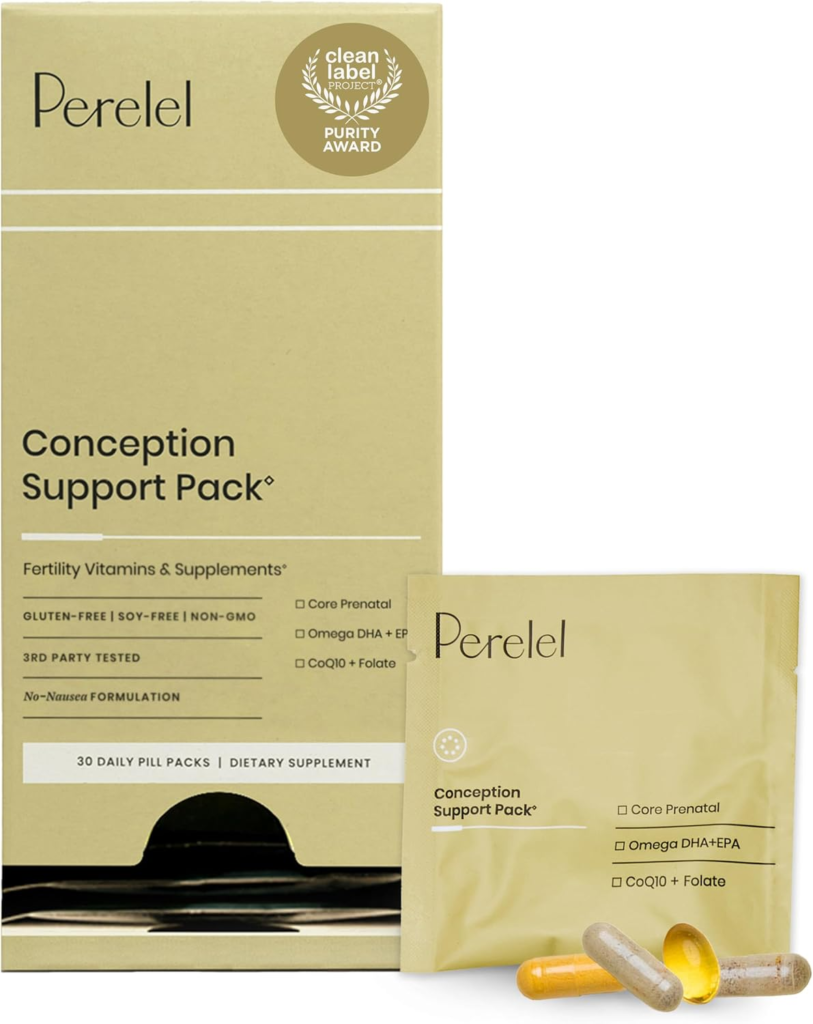
14. Perelel Conception Support Pack
Perelel offers a daily supplement pack that includes a prenatal multivitamin, omega-3 DHA, CoQ10 and a blend of myo-inositol and folate. While it’s nutrient-focused as opposed to herb-heavy, some formulations include small amounts of maca or other adaptogens.
It’s designed for one to three months before trying to conceive and provides comprehensive nutritional support for egg quality and cycle health.
Take one daily pack.
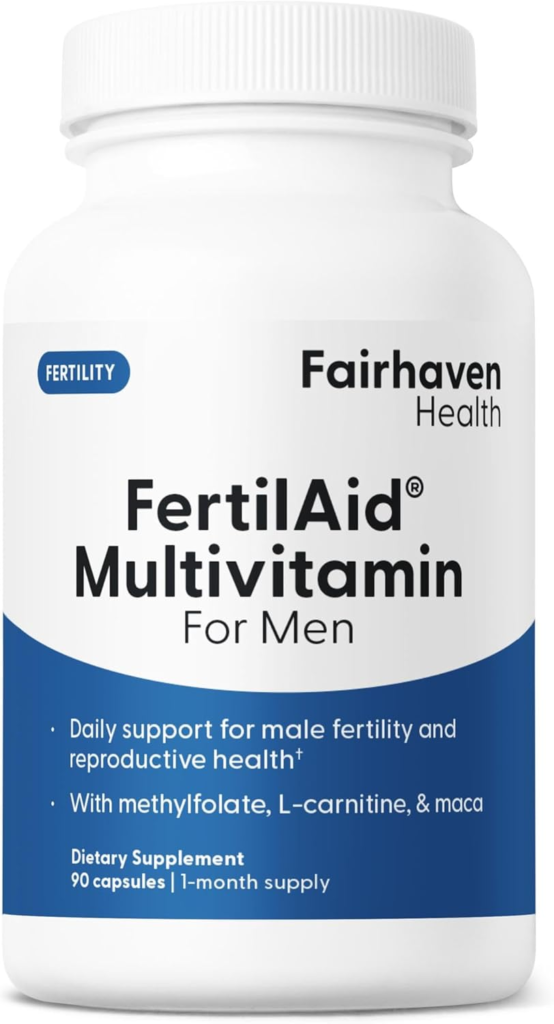
15. Fairhaven Health FertilAid for Men
This counterpart to the women’s formula includes L-carnitine, zinc, selenium, vitamins C and E, Panax ginseng and maca. It addresses sperm count, motility, morphology and antioxidant protection.
Male fertility supplements typically take three months to show effects because of the sperm maturation cycle.
Take three capsules daily with food.
Fairhaven Health FertilAid for Men
16. Eu Natural CONCEPTION Female Fertility Prenatal Vitamins
Eu Natural’s formula combines a prenatal multivitamin base with Vitex, folate, myo-inositol, CoQ10 and antioxidants. It’s positioned as an all-in-one for women who want both foundational nutrition and herbal cycle support.
The blend is vegan, non-GMO and includes ingredients studied for egg quality and ovulation support.
Take two capsules daily..
17. Zhou Nutrition Fertile Femme
This blend combines Vitex, maca, folate, iron and herbal extracts in a budget-friendly two-capsule daily formula. It’s designed for general cycle support and preconception preparation.
User reviews mention improvements in cycle regularity and PMS symptoms within two to three months.
The formula is simple and accessible for those new to herbal fertility support.
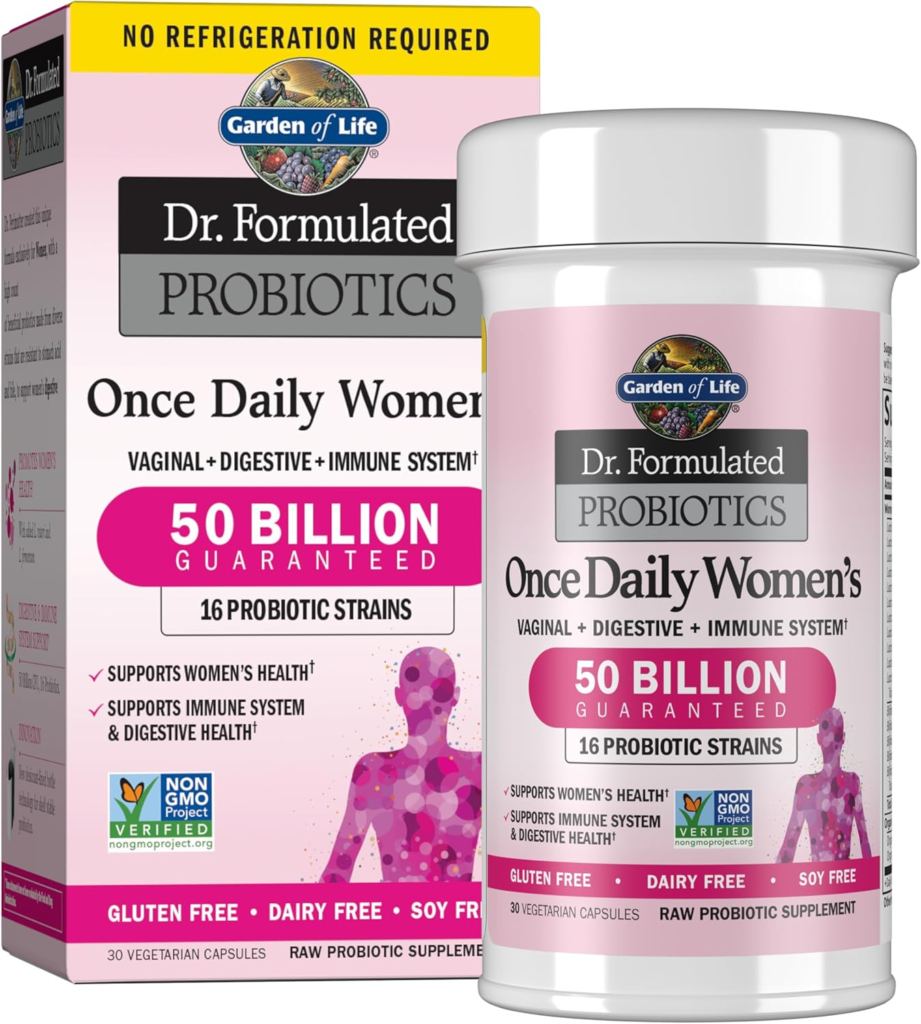
18. Garden of Life Once Daily Dr. Formulated Probiotics for Women
Emerging research links gut health to estrogen metabolism, inflammation and fertility outcomes. This probiotic includes 16 strains and 50 billion CFU designed to support digestive and immune health.
Some fertility protocols now add probiotics to support hormonal balance and prepare the body for conception or IVF.
Take one capsule daily, preferably on an empty stomach. Start slowly if you’re new to probiotics.
Frequently asked questions
Can I take many herbal fertility supplements at the same time?
Stacking many herbs increases the risk of interactions and makes it harder to know what’s helping or causing side effects. Start with one primary herbal product and layer in non-herbal nutrients like folate, vitamin D, omega-3 and CoQ10.
After three months, reassess with a practitioner.
If you do mix herbs, work with someone trained in herbal medicine who can watch for contraindications. The most common safe combinations are Vitex plus raspberry leaf tea, or myo-inositol plus cinnamon under PCOS protocols.
Avoid combining many strong hormone-modulating herbs without guidance.
How long before trying to conceive should I start herbal supplements?
Most practitioners recommend starting three months before actively trying to conceive. This window allows herbs to begin shifting cycle patterns and gives eggs and sperm time to mature under better conditions.
For mild cycle irregularities, three months may be enough.
For PCOS, stress-related amenorrhea or longstanding issues, six months of preparation can be more realistic. Don’t wait indefinitely to start trying if you’re over 35 and time is a concern.
Work with a fertility specialist to balance preparation time with medical evaluation and intervention timelines.
Are herbal fertility supplements safe during IVF or IUI cycles?
This depends entirely on the specific herb and your clinic’s protocol. Supplements like CoQ10, vitamin D, omega-3, NAC and myo-inositol are often encouraged during IVF and have research supporting their use.
Herbal products that strongly affect estrogen, progesterone or prolactin, such as Vitex or red clover in high doses, are usually paused during stimulation and after transfer because they may interfere with controlled hormone protocols.
Always disclose every supplement, tea and tincture to your clinic before starting treatment. Most reproductive endocrinologists will give you a clear list of what to continue and what to stop.
What’s the difference between capsules, tinctures and teas for fertility herbs?
Capsules offer convenience and precise dosing but may be harder to absorb, especially if you have digestive issues. Tinctures are alcohol-based liquid extracts that absorb quickly and allow flexible dosing, but the alcohol content bothers some people.
Teas are the gentlest form, rich in minerals and easy on digestion, but they deliver lower concentrations of active compounds and require daily preparation.
For strong hormone-modulating herbs like Vitex, capsules or tinctures ensure consistent dosing. For nourishing herbs like raspberry leaf and nettle, tea works beautifully.
Match the form to your lifestyle and the herb’s purpose.
Can men benefit from herbal fertility supplements just as much as women?
Absolutely. Male factor issues contribute to roughly half of all fertility challenges, and sperm are highly responsive to oxidative stress, inflammation and nutrient status.
Herbs like maca, ginseng, Tongkat Ali and ashwagandha have solid research showing improvements in sperm count, motility, morphology, testosterone levels and libido.
Pairing these with zinc, selenium, CoQ10 and omega-3 creates a comprehensive male fertility protocol. Men should get a semen analysis before starting supplements so there’s a baseline to measure progress against.
Changes typically take three months to show up in sperm parameters.
Do I need to stop herbal fertility supplements once I get pregnant?
In most cases, yes. The safety data for many fertility herbs during pregnancy is limited or nonexistent, and some herbs have uterine-stimulating properties that could theoretically pose risks in early pregnancy.
Stop Vitex, maca, strong phytoestrogens, dong quai, black cohosh and other hormone-active herbs as soon as you get a positive test unless your provider advises otherwise.
Gentle nourishing herbs like red raspberry leaf and nettle are sometimes continued, though opinions differ on first-trimester use. Transition to a pregnancy-focused prenatal vitamin and keep taking omega-3, vitamin D and any other nutrients your provider recommends.
How do I know if herbal supplements are actually working?
Track concrete markers as opposed to relying on feelings alone. For cycle-related goals, watch cycle length, ovulation timing via LH strips or basal body temperature, cervical mucus quality, PMS severity and bleeding patterns over three full cycles.
For stress or energy goals, rate your sleep quality, anxiety levels, libido and overall vitality weekly.
For PCOS patterns, work with a provider to retest fasting insulin, testosterone, LH/FSH ratio and inflammatory markers after three to six months. If you see no shifts in tracked symptoms or lab values after three to six months of consistent use and solid lifestyle foundations, the herbs may not be the right fit for your particular situation.
Adjust with professional guidance as opposed to adding more supplements.
References:
Research information was synthesized from medical reviews on herbal medicines in fertility, studies on adaptogens and reproductive hormones, clinical trials on myo-inositol and PCOS, and traditional herbal medicine practices. Product selections represent commonly available brands with third-party testing and established reputations in the fertility supplement market.
Always verify current formulations and safety information directly with manufacturers and healthcare providers.
Disclaimer
The information contained in this post is for general information purposes only. The information is provided by 18 Herbal Fertility Supplements Worth Considering and while we endeavor to keep the information up to date and correct, we make no representations or warranties of any kind, express or implied, about the completeness, accuracy, reliability, suitability or availability with respect to the website or the information, products, services, or related graphics contained on the post for any purpose.