
For years, supplements occupied an awkward space between wellness hype and genuine science. Many products promised sweeping benefits without clear mechanisms, leading to understandable skepticism about whether most supplements did anything meaningful at all.
That landscape has changed. Advances in nutritional science and aging research have clarified how specific compounds interact with cellular processes, hormone regulation, and metabolic function. What once relied heavily on anecdote is now increasingly supported by mechanistic data and human trials.
Perimenopause, in particular, represents a significant metabolic and physiological recalibration. Hormonal shifts influence sleep quality, skin hydration, cognitive function, body composition, and inflammatory balance. These changes extend far beyond hot flashes and mood fluctuations, affecting nearly every system in the body.
While diet and exercise remain foundational, modern lifestyles, agricultural nutrient depletion, and the heightened demands of hormonal transition often create nutritional gaps that are difficult to close through food alone. Achieving therapeutic levels of certain compounds through diet can be mathematically unrealistic, even with careful planning.
Looking ahead to 2026, the supplement industry shows a meaningful shift away from broad, symptom-focused formulas and toward compounds that target the underlying biology of aging and hormonal change. Research investment is increasingly focused on cellular energy production, inflammation control, autophagy, and tissue regeneration—areas directly relevant to women navigating perimenopause.
This evolution makes it easier to distinguish evidence-based supplements from marketing noise, offering a clearer framework for evaluating what is genuinely worth consideration.
2026 Supplement Trends — What’s Actually Worth Attention?
Click each category below to explore how supplement science is evolving for women navigating perimenopause, aging, and long-term health optimization.
Research is shifting toward compounds that support mitochondrial function, DNA repair, autophagy, and inflammation control — not just symptom relief.
- NAD+ precursors (NMN, NR) for cellular energy
- Spermidine to support autophagy and cellular cleanup
- Polyphenols (fisetin, pterostilbene) for senescent cell management
Beauty supplements now focus on structural biology rather than surface-level promises.
- Hydrolyzed collagen peptides (10g daily for skin elasticity)
- Astaxanthin for oxidative protection and UV-related aging
- Spermidine for hair follicle health and growth phase support
Gut health plays a direct role in estrogen metabolism, mood regulation, immune resilience, and inflammation during perimenopause.
- Strain-specific probiotics for mood, vaginal health, and estrogen balance
- Postbiotics for direct delivery of beneficial microbial compounds
- Fermented supplements for enhanced bioavailability
Adaptogens support the HPA axis and cortisol regulation — critical during hormonal transition.
- Ashwagandha for cortisol reduction and stress balance
- Rhodiola for fatigue, cognition, and mitochondrial support
- Reishi for sleep quality and neuroendocrine modulation
Why 2026 Represents a Real Turning Point
The supplement landscape has fundamentally shifted in ways that matter for those of us navigating the second half of life. We’re no longer talking about basic multivitamins or the calcium supplements that our mothers took without question.
The research community has spent the past decade digging into what happens at a cellular level during aging. Supplement manufacturers are finally catching up with formulations that target these mechanisms directly.
This means we’re getting products designed around biology as opposed to marketing departments’ best guesses about what sounds appealing.
Demographics are driving much of this change. Women over 40 represent a massive and growing market segment that refuses to accept “this is just part of aging” as an answer.
We’re demanding products backed by actual research, and we’re sophisticated enough to read the studies ourselves.
The industry has no choice but to respond with compounds that would have seemed like science fiction a decade ago.
Technology plays a major role, too. We can now measure things like NAD+ levels, inflammatory markers, and mitochondrial function in ways that were before confined to research laboratories.
This measurement capability means supplement companies can actually show whether their products move the needle on biological aging markers, as opposed to relying on vague claims about feeling better.
Longevity Compounds Move Beyond Research Labs
The most significant trend involves supplements designed specifically to slow cellular aging. I’m talking about extending healthspan, which measures the number of years you spend genuinely healthy and functional as opposed to just alive.
There’s a massive difference between living to 85 and being healthy until 83 versus dragging through a decade of declining function.
NAD+ precursors like nicotinamide riboside (NR) and nicotinamide mononucleotide (NMN) have emerged as the star players here. NAD+ is a coenzyme that exists in every cell of your body and drives critical processes like energy production and DNA repair.
The problem is that NAD+ levels decline significantly as we age.
By some estimates, you have about half the NAD+ at 50 that you had at 20.
This decline has real consequences. Lower NAD+ levels connect directly to metabolic dysfunction, decreased mitochondrial performance, and accelerated aging processes.
For women in perimenopause specifically, NAD+ depletion may contribute to the metabolic changes that make weight management suddenly feel impossible even when you’re doing everything “right.”
The research on NAD+ boosters is genuinely compelling, though I’ll be the first to say we’re still in early days. What we know with certainty is that supplementing with precursors can raise NAD+ levels in humans, and this correlates with improvements in markers like insulin sensitivity and cellular energy production.
What remains less certain is whether raising NAD+ through supplementation produces the same longevity benefits seen in animal studies.
The human trials take decades to show mortality benefits, so we’re making educated bets based on mechanistic data.
Spermidine is another compound gaining serious traction. Yes, the name is unfortunate, but the science is fascinating.
Spermidine is a polyamine that naturally occurs in foods like wheat germ, soybeans, and aged cheese.
It’s one of the most well-studied autophagy inducers available to consumers right now.
Autophagy functions as your cells’ recycling program. It breaks down and removes damaged proteins and organelles, which becomes increasingly crucial for maintaining cellular health as you age.
When autophagy declines, cells accumulate damaged components that interfere with normal function.
Studies have shown associations between higher spermidine intake and increased lifespan in organisms ranging from yeast to mice to humans. A large epidemiological study found that people with higher dietary spermidine intake had lower mortality rates over a 20-year follow-up period.
The effect size wasn’t enormous, but it was statistically significant and consistent across different populations.
For women dealing with the metabolic and cognitive challenges of perimenopause, supporting autophagy through spermidine supplementation might help maintain cellular function during a period of significant hormonal flux. Your cells are already stressed from hormonal changes, so giving them better tools for cleanup and maintenance makes logical sense.
Polyphenols like resveratrol, pterostilbene, fisetin, and quercetin round out the longevity category. These plant compounds activate pathways similar to what happens during caloric restriction, but without actually having to drastically reduce your food intake.
Pterostilbene deserves special attention because while it’s structurally similar to resveratrol, it has much better bioavailability.
Your body can actually use it more efficiently, which matters tremendously when you’re spending money on supplements.
Fisetin has emerged as a potential senolytic compound. Senolytics help clear senescent “zombie” cells that accumulate as we age and secrete inflammatory factors that damage surrounding tissue.
These senescent cells contribute to many age-related conditions, from arthritis to metabolic dysfunction to skin aging.
The idea of selectively clearing these problematic cells is incredibly appealing, though the research in humans is still preliminary.
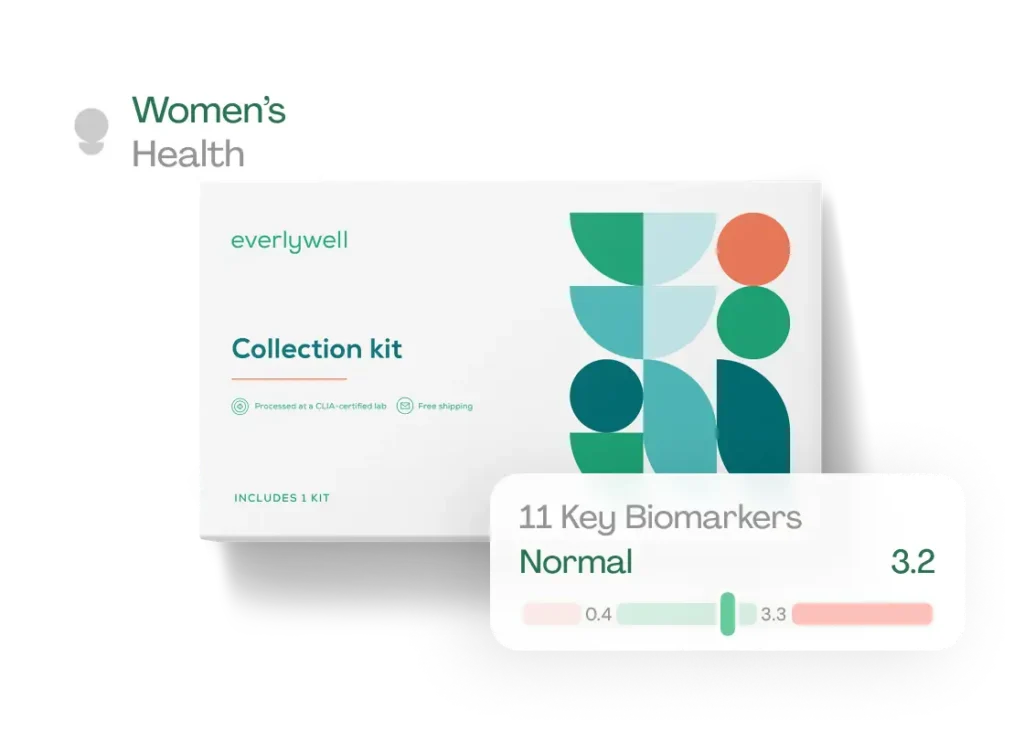
Check out this product: Everlywell’s Perimenopause Test
Beauty Supplements That Actually Have Evidence
I used to roll my eyes hard at beauty supplements. The whole “beauty from within” concept felt like marketing nonsense designed to separate desperate women from their money through appeals to vanity.
Understanding that skin, hair, and nail health function as meaningful biomarkers of overall nutritional status and hormonal balance changed my perspective completely. During perimenopause, declining estrogen levels directly impact collagen production, skin hydration, and hair follicle health.
This reflects physiology, not vanity.
No supplement can completely counteract hormonal changes. That would be unrealistic to expect.
But certain compounds can genuinely support the structural proteins and cellular processes that maintain tissue integrity, which partially offsets hormonal effects.
Collagen supplementation has moved well beyond the “maybe it helps, maybe it’s placebo” phase. Multiple well-designed studies have now shown that collagen peptides, specifically hydrolyzed collagen, can improve skin hydration, elasticity, and dermal collagen density.
The key is bioavailability: collagen peptides are broken down into small enough components that they can be absorbed and utilized by your body, unlike eating gelatin or bone broth and hoping for the best.
What really interests me is that taking collagen peptides appears to stimulate your body’s own collagen production through a signaling mechanism. When your body detects these collagen fragments in circulation, it interprets this as tissue damage and ramps up collagen synthesis in response.
You’re essentially tricking your body into thinking it needs to repair something.
For women experiencing the accelerated collagen loss that comes with perimenopause, some estimates suggest you lose about 30% of your collagen in the first five years after menopause. This supplementation can partially offset the decline. You won’t look 25 again, but you might maintain better skin structure than you would otherwise.
The effective dose appears to be around 10 grams daily of hydrolyzed collagen peptides, taken consistently for at least 8-12 weeks before expecting visible results. I know that feels like forever when you’re hoping for quick fixes, but skin cell turnover is genuinely slow.
You’re working against some powerful hormonal headwinds, so patience becomes essential.
Spermidine, which I mentioned earlier in the longevity context, also has compelling beauty applications. Research suggests it may support hair growth by extending the growth phase of hair follicles and promoting autophagy in hair follicle cells.
The mechanism makes sense: healthier cells with better waste removal function better, including cells responsible for hair growth.
For women experiencing the thinning hair that often accompanies perimenopause, this offers a mechanism-based approach as opposed to just covering up symptoms with topical products. You’re addressing the cellular health of the follicles themselves.
Biotin stays a staple, though honestly, frank biotin deficiency is rare if you’re eating a reasonably varied diet. Where biotin supplementation might help is in optimizing keratin production in people who are consuming adequate but not optimal amounts.
If you’re going to supplement biotin, be aware that it can interfere with certain lab tests, including thyroid panels.
Always mention it to your doctor before blood work.
Marine-derived compounds like astaxanthin and omega-3 fatty acids are emerging as beauty supplement stars. Astaxanthin is a carotenoid that provides potent antioxidant protection.
Studies have shown it can improve skin elasticity and reduce fine lines through mechanisms that involve protecting the skin’s dermal layer from oxidative damage and UV-induced collagen degradation.
You’re essentially giving your skin cells better defenses against daily damage.
Gut Health Gets Sophisticated and Specific
If I had to pick one area where supplement science has made the most dramatic leaps, it would be gut health. We’ve moved way beyond “take a probiotic and hope for the best” into a much more nuanced understanding of how gut microbiome composition affects everything from mood to metabolism to immune function.
For women in perimenopause, gut health is particularly crucial because the gut microbiome directly influences estrogen metabolism through something called the estrobolome. This collection of gut bacteria has the capability to metabolize estrogens.
An unhealthy gut microbiome can lead to either excessive estrogen reabsorption or inadequate estrogen availability, both of which can worsen perimenopausal symptoms.
The trend in 2026 moves toward more sophisticated probiotic formulations that include specific strains selected for particular functions as opposed to just generic “good bacteria.” Certain Lactobacillus strains, for instance, have been shown to support vaginal health, which becomes increasingly important during perimenopause when declining estrogen affects vaginal tissue. These aren’t random bacteria thrown together; they’re selected based on research showing specific benefits.
Postbiotic supplements represent an even more interesting evolution. Postbiotics are the useful compounds produced when probiotic bacteria ferment dietary fiber: short-chain fatty acids, peptides, and organic acids.
The advantage of postbiotic supplements is that you get the useful compounds directly without needing to establish live bacterial colonies in your gut, which can be challenging if you have gut dysbiosis or are taking medications that affect gut bacteria.
Fermented supplements represent another evolution in gut health support. These products start as whole foods or botanicals that have been fermented with useful bacteria, creating a matrix of probiotics, prebiotics, and postbiotics along with enhanced bioavailability of the original compounds.
Fermented turmeric, for instance, has significantly better curcumin absorption than standard turmeric supplements because the fermentation process breaks down the compounds into more absorbable forms.
The gut-brain axis has become a major focus, particularly relevant for women dealing with the mood fluctuations and cognitive changes that can accompany perimenopause. Certain probiotic strains, particularly Lactobacillus helveticus and Bifidobacterium longum, have been shown in clinical trials to reduce anxiety and improve stress resilience through their effects on neurotransmitter production and vagus nerve signaling.
Your gut bacteria are literally producing compounds that affect your brain function.
Adaptogens for Stress and Hormonal Balance
Adaptogens have been used in traditional medicine systems for centuries, but Western science is finally catching up with rigorous clinical research. These herbs and mushrooms help your body adapt to stress and maintain homeostasis, which is exactly what you need when your endocrine system is going through a major transition.
Ashwagandha is probably the most well-researched adaptogen available, with many high-quality studies showing its ability to reduce cortisol levels, improve stress resilience, and even support thyroid function. For perimenopausal women dealing with elevated cortisol from chronic stress, which can worsen insulin resistance and abdominal weight gain, ashwagandha offers a mechanism-based intervention as opposed to just symptom suppression.
The effective dose appears to be around 300-600mg of a standardized extract daily, and effects typically become noticeable within 4-6 weeks of consistent use. I really appreciate that ashwagandha research has been conducted in populations relevant to us: stressed adults with mild to moderate anxiety, not just people with extreme clinical anxiety disorders.
Rhodiola rosea is another adaptogen with solid research backing, particularly for mental performance and fatigue. It appears to work partly by optimizing neurotransmitter function and improving mitochondrial energy production.
For women experiencing the brain fog and fatigue that often accompany perimenopause, rhodiola might address some of the underlying mechanisms as opposed to just masking symptoms with stimulants that leave you crashed and jittery.
Reishi mushroom has emerged as a particularly interesting option for hormonal balance and sleep support. While its mechanisms aren’t fully understood yet, reishi appears to modulate the hypothalamic-pituitary-adrenal axis and may support GABA activity, which promotes relaxation.
Some research also suggests reishi has anti-androgenic effects, which could be relevant for women dealing with symptoms like acne or hair loss related to relatively elevated androgens during perimenopause, when estrogen declines faster than testosterone.
The trend toward “rescue remedy” formulations combines adaptogens with other stress-supporting compounds like L-theanine and magnesium. These are designed for acute stress management as opposed to just long-term resilience building.
I’m actually intrigued by this approach because it suggests that sometimes you need immediate support during a particularly stressful day, not just benefits that accumulate over months of consistent use.
Implementing a Supplement Strategy That Works
Start with foundation supplements that address common nutritional gaps before adding specialized longevity or beauty compounds. For most perimenopausal women, this means ensuring adequate vitamin D3 (with K2 for proper calcium metabolism), magnesium glycinate (better absorbed and less likely to cause digestive upset than other forms), and omega-3 fatty acids.
These support bone health, mood stability, and metabolic function, all of which tend to struggle during hormonal transition.
Add one category at a time as opposed to completely overhauling your routine overnight. If you start with gut health support, give it at least 8-12 weeks before adding longevity compounds.
This approach lets you actually assess what’s helping as opposed to creating a confusing jumble of supplements that makes it impossible to know what’s doing what.
Timing matters more than most people realize. Fat-soluble supplements like vitamin D, omega-3s, and CoQ10 should be taken with meals containing some fat for optimal absorption.
Magnesium is generally better tolerated in the evening and can support sleep quality.
Collagen peptides are typically most effective on an empty stomach, either first thing in the morning or between meals, because they’re competing with other proteins for absorption.
Track actual outcomes, not just whether you’re taking supplements. Are you sleeping better?
Is your energy more stable throughout the day?
Are your skin and hair texture improving? Subjective improvements matter, but try to be specific.
“I feel better” is far less useful than “I wake up less often during the night” or “my afternoon energy crash has decreased.” This specificity helps you identify what’s actually working.
Be realistic about costs and prioritize accordingly. Longevity supplements like NAD+ precursors and senolytic compounds are genuinely expensive right now.
If budget is a constraint, focus first on addressing nutritional deficiencies and gut health, which provide foundational benefits that make everything else work better.
You can always add advanced supplements later once you’ve established a solid base.
Quality absolutely matters in the supplement industry, which stays frustratingly under-regulated. Look for third-party testing from organizations like NSF International or USP, which verify that products contain what they claim and are free from contaminants. This is particularly important for botanicals like ashwagandha, where the active compound content can vary dramatically between products depending on growing conditions and extraction methods.
Common Problems and How to Avoid Them
The biggest mistake I see is expecting immediate results from compounds that work through long-term biological mechanisms. Longevity supplements, collagen, and gut health interventions need real patience.
You’re not taking a medication that blocks a symptom.
You’re supporting cellular processes that gradually improve tissue function over weeks and months.
Digestive upset is the most common side effect that causes people to abandon useful supplements. This is often a dosing or timing issue as opposed to a true intolerance.
Start with lower doses and gradually increase over several weeks.
Take supplements with food if they bother your stomach, even if the label suggests taking them on an empty stomach. A supplement that you can tolerate at 80% optimal effectiveness is infinitely better than one you take twice and then abandon because it makes you nauseous.
The interaction between supplements and medications is real and sometimes serious. If you’re taking thyroid medication, blood thinners, or medications metabolized by the liver, you need to research potential interactions carefully.
Ashwagandha can enhance thyroid function, which is helpful if you’re hypothyroid, but could cause problems if you’re on thyroid medication and your dose becomes too high.
Vitamin K affects blood clotting, so high-dose K2 supplementation needs coordination with your doctor if you’re on anticoagulants.
Bioavailability challenges plague the supplement industry. Many compounds that show promise in research have very poor absorption when taken orally, which is why form matters tremendously.
Magnesium oxide is cheap but poorly absorbed compared to magnesium glycinate.
Curcumin without some form of bioavailability enhancement, like piperine, liposomal delivery, or fermentation, is largely wasted because it passes through your system without being absorbed.
Frequently Asked Questions
Does NAD+ supplementation really work for anti-aging?
NAD+ precursors like NMN and NR have been shown in human studies to raise NAD+ levels in blood and tissue. This correlates with improvements in metabolic markers like insulin sensitivity and cellular energy production.
However, whether this translates to extended lifespan in humans remains to be proven through long-term studies.
The mechanism is sound, and animal studies are promising, but we’re making educated bets based on current evidence as opposed to having definitive proof of longevity benefits.
Can collagen supplements help with perimenopause skin changes?
Clinical studies show that hydrolyzed collagen peptides at doses of 10 grams daily can improve skin hydration, elasticity, and dermal collagen density after 8-12 weeks of consistent use. This can partially offset the accelerated collagen loss that occurs during perimenopause when estrogen levels decline.
The supplements won’t reverse all hormonal effects, but they provide measurable improvements in skin structure for most people.
What’s the best probiotic for perimenopause symptoms?
There’s no single “best” probiotic because different strains target different issues. Lactobacillus helveticus and Bifidobacterium longum have research supporting mood and stress benefits.
Lactobacillus rhamnosus and reuteri strains show benefits for vaginal health.
The most effective approach is choosing a probiotic formulation designed for your specific concerns as opposed to a generic multi-strain product.
How long does ashwagandha take to work for stress and cortisol?
Most clinical studies show measurable reductions in cortisol levels and improvements in stress resilience within 4-6 weeks of daily ashwagandha supplementation at 300-600mg of standardized extract. Some people notice subjective improvements in sleep and anxiety sooner, but physiological changes in stress hormone levels take several weeks of consistent use to manifest.
Is spermidine safe to take long-term?
Spermidine occurs naturally in many foods and is produced by your own gut bacteria, so it’s generally recognized as safe. Long-term human studies on supplemental spermidine are limited, but the dosages used in research (around 1-2mg daily) are well below levels that would raise safety concerns.
The longest human studies followed participants for over a year without adverse effects.
Can supplements replace hormone replacement therapy?
Supplements can support hormonal balance and address specific symptoms of perimenopause, but they don’t replace the systemic effects of hormone replacement therapy. For women with severe symptoms significantly impacting quality of life, HRT remains the most effective intervention.
Supplements work best as complementary support as opposed to a finish replacement.
What’s the difference between probiotics and postbiotics?
Probiotics are live, useful bacteria that colonize your gut. Postbiotics are the useful compounds these bacteria produce, like short-chain fatty acids and peptides.
Postbiotic supplements provide the useful compounds directly without requiring live bacteria to establish in your gut, which can be useful if you have gut dysbiosis or are taking medications that affect gut bacteria.
Do I need to take vitamin K2 with vitamin D3?
Vitamin D increases calcium absorption, while vitamin K2 directs that calcium into bones and teeth as opposed to soft tissues like arteries. Taking them together confirms that the calcium absorbed from increased vitamin D gets deposited in the right places.
For women concerned about both bone health and cardiovascular health during perimenopause, the combination makes physiological sense.
Key Takeaways
The supplement landscape for women managing perimenopause has evolved beyond basic multivitamins into targeted compounds that address underlying biological mechanisms of aging and hormonal change.
Longevity supplements like NAD+ precursors, spermidine, and polyphenols offer mechanism-based approaches to supporting cellular health during hormonal transition, though patience is required as benefits accumulate gradually over months as opposed to days.
Beauty supplements work best when you understand you’re supporting structural proteins and cellular processes, with collagen peptides having the strongest research support for measurable improvements in skin health.
Gut health represents the foundation that makes other interventions work better, with sophisticated probiotic formulations and postbiotics addressing the gut-hormone-brain connections that are particularly relevant during perimenopause.
Adaptogens like ashwagandha and rhodiola provide evidence-based support for stress resilience and hormonal balance through their effects on the HPA axis and cortisol regulation.
Implementation requires prioritizing foundation supplements first, adding categories systematically, tracking actual outcomes, and being realistic about timeframes before expecting results.
Quality and bioavailability matter more than impressive ingredient lists, making third-party testing and proper forms of compounds critical for getting genuine benefits as opposed to expensive placebo effects.
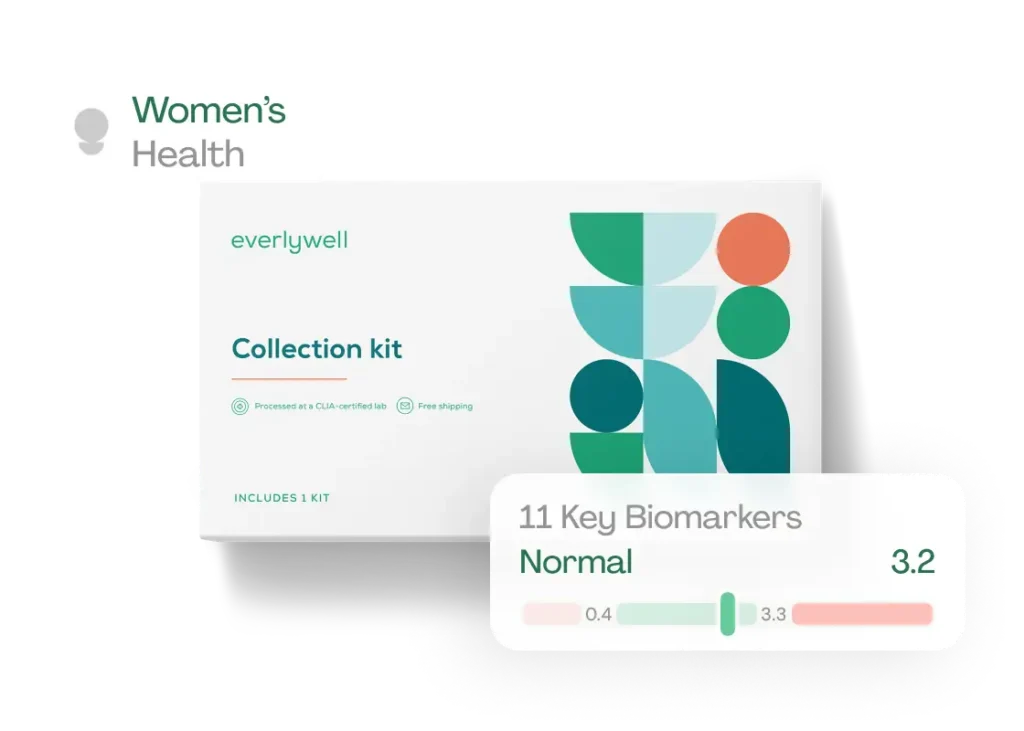
Check out this product: Everlywell’s Perimenopause Test
Disclaimer
The information contained in this post is for general information purposes only. The information is provided by 2026 Supplement Trends for Women Managing Perimenopause and Anti-Aging Concerns and while we endeavor to keep the information up to date and correct, we make no representations or warranties of any kind, express or implied, about the completeness, accuracy, reliability, suitability or availability with respect to the website or the information, products, services, or related graphics contained on the post for any purpose.