

If someone told you that your brain was going to reorganize itself in your 40s or 50s, rewiring neurotransmitter pathways, recalibrating stress responses, and fundamentally shifting how you process emotions, you’d probably want a roadmap. You’d want to know what to expect, how to navigate the rough patches, and maybe most importantly, that you’re not losing your mind.
That’s essentially what happens during menopause, but most women enter this transition without any real preparation. We get vague warnings about hot flashes and maybe some offhand comment about “mood swings,” but nobody really explains that your brain is undergoing a genuine neurobiological transformation.
The change is dramatic, and willpower alone won’t get you through it.
I’ve watched incredibly capable, high-functioning women suddenly find themselves crying in their cars before work meetings, snapping at loved ones over nothing, or lying awake at 3 AM convinced something is fundamentally wrong with them. The most heartbreaking part?
Many of them blame themselves.
They think they’re weak, or overreacting, or finally revealing their “true” irritable nature.
The reality is far different, and honestly, far more interesting. What’s happening in your brain during menopause is a massive neurochemical shift that affects everything from serotonin availability to dopamine processing to your stress response system.
Understanding this changes how you approach treatment and self-care during this transition.
The Neurotransmitter Cascade Nobody Talks About
Here’s what’s actually happening in your brain when estrogen levels start their perimenopausal roller coaster: estrogen doesn’t just affect your reproductive system. Estrogen functions as a major modulator of your brain’s neurotransmitter systems, specifically serotonin, dopamine, GABA, and glutamate.
When estrogen fluctuates wildly during perimenopause, then declines during menopause proper, these neurotransmitter systems lose their primary regulatory signal.
Think of estrogen as a conductor orchestrating your brain’s emotional symphony. When the conductor steps away, the musicians don’t immediately fall apart, but the coordination suffers significantly.
Serotonin levels become unstable, which directly impacts your mood baseline and anxiety levels. Dopamine processing changes, affecting your motivation and ability to experience pleasure.
GABA’s calming effects reduce as progesterone drops, leaving you more reactive to stress.
The situation is more complex than a simple deficit where “low estrogen equals sad mood.” The research shows that the fluctuations themselves, the dramatic ups and downs, create the most emotional chaos. This explains why some women with relatively low but stable hormone levels feel emotionally fine, while others with moderate but wildly fluctuating levels feel like they’re on an emotional tilt-a-whirl.
The statistics around this are honestly striking. Up to 70-80% of menopausal women experience some form of mood change.
Even more revealing: women who have never experienced depression are 2-4 times more likely to have a depressive episode during menopause compared to other life stages.
For women with a history of depression, the risk jumps by 58%. These numbers show that menopause represents a genuine psychiatric vulnerability period comparable to puberty or the postpartum period.
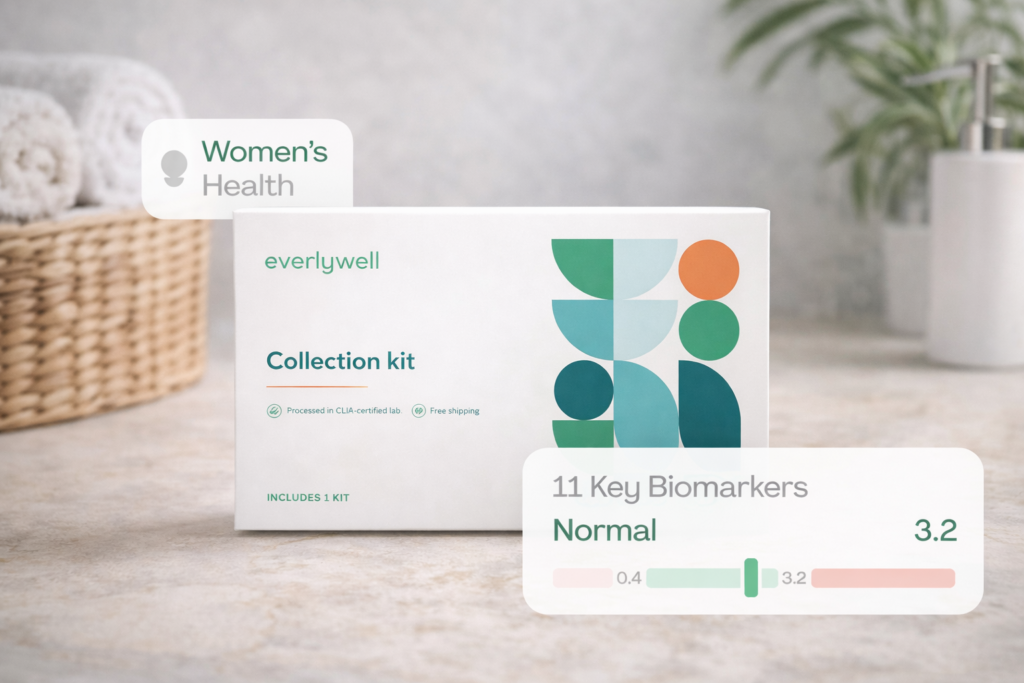
Everlywell Women’s Health Test – At-Home Screening
Wondering about your hormonal health, reproductive wellness, or perimenopause symptoms? This at-home test provides insights into key hormones affecting your overall health, all from the comfort of your home.
- ✔ Measures estradiol, progesterone, FSH, and LH
- ✔ CLIA-certified lab analysis
- ✔ Physician-reviewed, easy-to-read results
- ✔ Simple finger-prick blood sample from home
FSA/HSA eligible • Test from home • Personalized hormone insights
The Sleep-Mood Death Spiral
One of the most insidious aspects of menopausal emotional symptoms is how physical symptoms create cascading mental health effects. Night sweats and hot flashes don’t just make you uncomfortable, they fundamentally disrupt your sleep architecture.
And sleep disruption is one of the most reliable triggers for mood disorders.
When you’re not getting restorative sleep, your brain’s emotional regulation capacity plummets. You become more reactive to minor stresses, less able to maintain perspective, and more vulnerable to both anxiety and depression.
But here’s where it gets particularly cruel: anxiety and depression both worsen sleep quality, creating a vicious cycle where poor sleep worsens your mood, which worsens your sleep, which further deteriorates your emotional state.
I’ve talked to women who describe lying awake for hours, mind racing with worries that seem completely out of proportion to reality. They recognize the thoughts are irrational, but they can’t shut them off.
That’s a sleep-deprived, hormonally dysregulated brain trying to process emotions without adequate neurochemical resources.
The practical implication here is that treating sleep problems becomes a mental health intervention, not just a quality-of-life issue. Women who aggressively address their sleep disruption through hormone therapy, sleep hygiene, cooling interventions, or other means often see their mood symptoms improve substantially even without directly targeting the emotional symptoms themselves.
The Life Stage Perfect Storm
The neurobiological vulnerability of menopause doesn’t happen in isolation. For most women, it collides head-on with most life stage stress.
You’re in your 40s or 50s, likely at peak career responsibility. Maybe you’re managing teenagers or young adults navigating their own transitions.
Your parents are aging and increasingly need support or caregiving.
Your relationship might be strained. Financial pressures are real.
This convergence creates what I think of as a compression crisis. Your brain’s capacity to handle stress is diminished precisely when external stressors reach most intensity.
You’re trying to run your most demanding software on a computer with compromised processing power and not enough RAM.
The research on this is limited, frankly, because menopause mental health stays dramatically underfunded compared to other women’s health transitions. But clinical observation consistently shows that women with otherwise manageable life circumstances often navigate menopausal mood symptoms relatively smoothly, while women facing many concurrent stressors experience more severe emotional disruption even with similar hormonal profiles.
This matters for treatment planning. A woman experiencing menopausal mood symptoms needs more than just hormone replacement or antidepressants, she needs practical life stress reduction strategies.
This might mean setting boundaries at work, delegating caregiving responsibilities, reducing commitments, or actively creating space for rest and recovery. These are medical necessities when your neurobiological stress capacity is compromised, not indulgences.
Why Some Women Feel Dramatically Better on HRT
When Stanford Medicine documented women’s experiences starting menopausal hormone therapy for mood symptoms, some of the testimonials were striking. Women described feeling like themselves again within weeks, reporting it was “simple” and “life-changing.” One patient said the emotional relief was so profound she wished she’d started years earlier.
This response is not universal, HRT doesn’t work identically for everyone, but the dramatic responses reveal something important about the mechanism. For women whose depression and anxiety are primarily driven by estrogen-mediated neurotransmitter changes, replacing estrogen directly addresses the root cause.
The treatment restores the neurochemical environment their brain needs for normal emotional regulation as opposed to just masking symptoms.
The controversy around HRT often obscures this mental health benefit. Discussions focus on cardiovascular risk, breast cancer risk, and suitable candidates, which are legitimate concerns.
But for women experiencing severe mood symptoms during menopause without contraindications to HRT, the mental health benefits can be genuinely transformative.
The key insight here is that not all depression responds identically to treatment. Depression caused primarily by life circumstances, trauma, or genetic predisposition might need psychotherapy and antidepressants.
Depression caused primarily by hormone-mediated neurotransmitter changes might respond best to hormone replacement.
Many women need both approaches, but starting with the biological intervention often creates the neurochemical foundation necessary for therapy and lifestyle changes to work effectively.
The Cognitive Behavioral Therapy Advantage
Research consistently shows that cognitive behavioral therapy is particularly effective for menopause-related mood changes. This makes sense when you understand what’s happening psychologically during this transition.
Women are dealing with neurotransmitter changes while simultaneously navigating thoughts and beliefs about aging, femininity, relevance, and identity.
CBT teaches you to identify thought patterns that amplify emotional distress. Classic examples during menopause include catastrophizing about memory lapses (“I’m forgetting words, I must be developing dementia”), all-or-nothing thinking about body changes (“My body is ruined and I’ll never feel attractive again”), or rigid beliefs about what this life stage means (“After menopause, women become invisible and irrelevant”).
These thought patterns reflect genuine cultural messages women have absorbed. They’re also not inevitable or accurate, and they significantly worsen the emotional experience of menopause. CBT helps you examine these thoughts critically and replace them with more balanced, realistic perspectives.
The practical application looks like this: You notice you’re feeling intense anxiety before a work presentation. Your thought is “My brain fog is so bad I’ll forget everything and embarrass myself.” CBT teaches you to assess this thought.
Have you actually forgotten presentations before?
No. Are you prepared? Yes.
Is some memory variation normal for everyone?
Yes. The more accurate thought might be “I’m well-prepared and if I need to reference my notes, that’s perfectly professional.”
This doesn’t eliminate the neurobiological vulnerability, but it prevents you from adding psychological fuel to the neurochemical fire. Over time, this reduces the overall intensity and duration of emotional symptoms.
The Surprising Post-Menopausal Shift
One of the most interesting and under-discussed aspects of menopause is what happens emotionally after the transition finishes. Many women report a surprising increase in confidence, assertiveness, and emotional clarity post-menopause.
They describe feeling “free” from hormonal constraints, more authentic in relationships, and far less tolerant of situations that don’t serve them.
Doctors report hearing from patients things like “I’ve completely lost my tolerance for other people’s nonsense” or “I finally feel like I can prioritize what actually matters to me.” This might actually be a recalibration toward authenticity as opposed to a symptom to manage.
The neurobiological explanation is still emerging, but the hypothesis is intriguing: during reproductive years, hormonal fluctuations created a certain neurological tolerance for discomfort, conflict avoidance, and accommodation of others’ needs. This made evolutionary sense for caregiving and relationship maintenance. After menopause, without those hormonal influences, women’s neurological baseline shifts toward clearer boundaries and reduced tolerance for superficial or unsatisfying interactions.
This reframes menopause as something other than pure loss. Yes, the transition involves real challenges and uncomfortable symptoms.
But for many women, what emerges on the other side is a more grounded, confident sense of self with clearer priorities and stronger boundaries.
That has real value.
The Treatment Integration Approach
Optimal management of menopausal emotional symptoms typically requires integration of many approaches as opposed to a single intervention. The most effective treatment plans usually mix several strategies working together.
Biological intervention forms the foundation for most women without contraindications. Hormone replacement therapy addresses the root neurotransmitter disruption.
For women with more severe depression or those who can’t take HRT, antidepressants become necessary.
The goal is restoring adequate neurochemical resources for emotional regulation.
Psychological intervention through cognitive behavioral therapy or other therapy approaches addresses the thought patterns, beliefs, and psychological factors amplifying emotional symptoms. This doesn’t just help during menopause, it builds lasting emotional resilience skills.
Sleep optimization requires aggressive treatment of sleep disruption through hormone therapy, cooling strategies, sleep hygiene, and when necessary, sleep medications. This prevents the sleep-mood death spiral from establishing itself.
Physical stress reduction through regular exercise functions as a natural mood stabilizer through endorphin release and stress reduction. The key is consistency as opposed to intensity, even daily walking provides measurable mood benefits.
Nervous system regulation practices like meditation, yoga, progressive muscle relaxation, and breathwork directly calm your stress response system, reducing baseline anxiety and improving emotional resilience.
Social connection combats the isolation that dramatically worsens depression. Structured social engagement, particularly menopause support groups where you encounter others experiencing similar symptoms, reduces shame and provides practical coping strategies.
Nutritional support through general brain health nutrition, adequate omega-3 fatty acids, nutrient-dense whole foods, reduced processed foods, supports the neurotransmitter systems trying to recalibrate. While specific menopause diets have limited research backing, basic nutritional foundations matter.
The mistake many women make is trying one approach, finding it insufficient, and concluding nothing works. The reality is that menopausal mood symptoms arise from many interacting factors, neurobiological changes, sleep disruption, life stress, thought patterns, and physical symptoms.
Addressing just one factor provides partial relief. Addressing many factors simultaneously creates synergistic effects where the combined intervention is more effective than the sum of individual parts.
When Menopause Comes Early or Suddenly
Women experiencing induced menopause from medical procedures like oophorectomy or chemotherapy face distinct emotional challenges beyond typical menopausal adjustment. The hormone decline is sudden as opposed to gradual, creating more intense neurobiological stress.
The social context differs significantly, younger women face grief about lost fertility and interrupted reproductive choices. Identity disruption becomes acute as opposed to gradual.
These women often report intense grief, anger, and depression that feels qualitatively different from natural menopause experiences. The compressed timeline doesn’t allow for gradual psychological adjustment, and the biological shock to the system is genuinely more severe.
Treatment for induced or premature menopause requires acknowledging this distinct experience. Beyond standard mood symptom management, these women often benefit from grief counseling specifically addressing the loss and identity disruption.
Support groups with other women who experienced premature or induced menopause provide validation that general menopause groups can’t offer.
The practical takeaway is that not all menopause is equivalent. How you enter menopause, gradually through natural perimenopause, suddenly through medical intervention, or prematurely before age 40, substantially shapes the emotional experience and suitable treatment approach.
Building Your Personal Menopause Mental Health Plan
The goal is restoring enough emotional resilience and well-being that you can meaningfully engage with your life during this transition. For most women, this means actively building a mental health support plan as opposed to waiting for symptoms to decide spontaneously.
Start with honest assessment. Track your symptoms for several weeks, mood changes, sleep quality, anxiety levels, cognitive function, physical symptoms.
This creates baseline data for evaluating whether interventions are working.
Don’t rely on memory, your perception of symptom frequency is likely inaccurate when you’re in the middle of experiencing them.
Address sleep first. Sleep disruption amplifies every other symptom and prevents other interventions from working effectively.
This might mean hormone therapy, cooling interventions for night sweats, sleep hygiene optimization, or sleep medication.
Make sleep quality a non-negotiable priority.
Evaluate whether hormone therapy is suitable for your situation. For women without contraindications experiencing moderate to severe symptoms, HRT often provides the most direct path to improvement by addressing the neurochemical root cause.
Have an informed conversation about risks and benefits as opposed to making decisions based on fear.
Add psychological support. Even if your symptoms are primarily biological, CBT or other therapy helps you navigate the thought patterns and beliefs that amplify distress.
This is particularly important if you’re experiencing identity concerns, grief, or relationship strain alongside mood symptoms.
Build stress reduction into your routine as a medical necessity. I’m talking about creating actual recovery time for a brain operating with compromised neurochemical resources.
Schedule it, protect it, and don’t apologize for it.
Connect with others. Whether through formal support groups or informal connections with women navigating similar experiences, breaking isolation reduces shame and provides practical wisdom.
Menopause still carries stigma, and isolation feeds that stigma.
Connection disrupts it.
Finally, practice real self-compassion. Your emotional symptoms during menopause are neurobiological events, not character flaws.
You’re not weak, oversensitive, or failing.
Your brain is managing a significant transition with fewer neurochemical resources while simultaneously handling most life stress. That’s genuinely difficult, and acknowledging the difficulty without self-judgment is actually therapeutic.
Frequently Asked Questions
Does hormone replacement therapy help with anxiety during menopause?
Yes, hormone replacement therapy can significantly reduce anxiety symptoms for many women during menopause. When anxiety is primarily driven by estrogen-mediated neurotransmitter changes, replacing estrogen addresses the root cause as opposed to just masking symptoms.
Women often report dramatic improvements in anxiety within weeks of starting HRT, though the response varies individually.
Can menopause cause panic attacks even if you’ve never had them before?
Absolutely. The hormonal fluctuations during perimenopause can trigger panic attacks in women who have never experienced them before.
The neurotransmitter instability, particularly changes in serotonin and GABA systems, creates heightened anxiety sensitivity.
Women without previous panic disorder can suddenly experience intense panic symptoms during perimenopause.
How long does menopausal depression typically last?
The duration varies considerably depending on whether you receive treatment and how quickly your hormones stabilize. For women going through natural menopause, mood symptoms typically improve once hormone levels stabilize post-menopause.
With suitable treatment combining hormone therapy, antidepressants, or therapy, most women see significant improvement within 3-6 months.
Does exercise really help with menopause mood swings?
Yes, regular exercise provides measurable mood stabilization during menopause. Physical activity increases endorphin production, reduces stress hormones, and improves sleep quality, all of which directly impact emotional regulation.
Even moderate exercise like daily 30-minute walks shows significant mood benefits in research studies.
Can cognitive behavioral therapy work for hormone-related depression?
CBT is highly effective for menopause-related mood symptoms because it addresses both the neurobiological vulnerability and the psychological factors amplifying distress. Research specifically shows CBT helps women navigate the thought patterns and beliefs about aging, identity, and body changes that worsen the emotional experience of menopause.
Why am I more irritable after menopause than during perimenopause?
Some women experience increased irritability and decreased tolerance for frustrating situations post-menopause. This likely reflects a neurological shift toward stronger boundaries and reduced accommodation of others’ needs without the moderating influence of reproductive hormones.
Many women describe this as feeling more authentic as opposed to experiencing a problem.
Is menopause depression different from regular depression?
Menopause-related depression has distinct characteristics. It’s often triggered specifically by hormonal fluctuations as opposed to life circumstances alone, frequently accompanied by physical symptoms like hot flashes and sleep disruption, and may respond particularly well to hormone therapy in addition to standard depression treatments.
How effective is meditation for menopause anxiety?
Meditation and other nervous system regulation practices like yoga and breathwork directly calm your stress response system. Regular practice reduces baseline anxiety levels and improves emotional resilience.
Research shows consistent meditation practice provides meaningful anxiety reduction for menopausal women, particularly when combined with other interventions.
Key Takeaways
Menopause emotional symptoms stem from neurotransmitter system disruption. Declining estrogen affects serotonin, dopamine, GABA, and glutamate, the changes are neurobiological, not psychological weakness.
70-80% of women experience mood changes during menopause. Women with no depression history are 2-4 times more likely to become depressed during this transition, establishing it as a genuine psychiatric vulnerability period.
Sleep disruption creates cascading mental health effects. Treating hot flashes and night sweats prevents the sleep-mood death spiral that worsens all emotional symptoms, making sleep treatment a mental health priority.
Life stage stress convergence amplifies symptoms. Peak career demands, caregiving responsibilities, and relationship pressures occur simultaneously with neurobiological vulnerability, requiring active stress reduction as a medical necessity.
Multiple interventions work synergistically. Hormone therapy, CBT, sleep optimization, exercise, nervous system regulation, and social connection together create greater improvement than any single approach.
Post-menopausal confidence shifts are real. Many women report increased assertiveness, clearer boundaries, and reduced tolerance for unsatisfying situations after menopause finishes, reframing the transition as recalibration as opposed to pure loss.
Everlywell Women’s Health Test – At-Home Screening
Wondering about your hormonal health, reproductive wellness, or perimenopause symptoms? This at-home test provides insights into key hormones affecting your overall health, all from the comfort of your home.
- ✔ Measures estradiol, progesterone, FSH, and LH
- ✔ CLIA-certified lab analysis
- ✔ Physician-reviewed, easy-to-read results
- ✔ Simple finger-prick blood sample from home
FSA/HSA eligible • Test from home • Personalized hormone insights
Find out our Recommended Products for Women Navigating Menopause; visit: https://www.vitalwomenwellness.com/navigating-menopause-key-nutrients-for-a-balanced-diet/
Disclaimer
The information contained in this post is for general information purposes only. The information is provided by Emotional Well-being During Menopause and while we endeavor to keep the information up to date and correct, we make no representations or warranties of any kind, express or implied, about the completeness, accuracy, reliability, suitability or availability with respect to the website or the information, products, services, or related graphics contained on the post for any purpose.