
Ethical fashion can feel overwhelming at first. Nearly every brand claims to be “sustainable” or “eco-friendly,” yet those labels often collapse under scrutiny. Vague phrases like conscious production or earth-friendly materials are frequently used without clear definitions, supply-chain transparency, or evidence of ethical labor practices.
This is the core problem of modern ethical fashion: greenwashing is everywhere. A green leaf icon or recycled packaging does not equate to ethical production.
True ethical fashion goes far beyond occasional organic materials or charitable donations. Authentic brands share several non-negotiable characteristics:
- Full supply-chain transparency
- Legitimate third-party certifications such as B-Corp, GOTS, Fair Trade, or OEKO-TEX
- Payment of living wages rather than legal minimums
- Meaningful innovation in materials and production that reduces real harm
The following brands represent verifiable impact rather than marketing promises. Some are long-standing pioneers; others are newer companies redefining what ethical fashion can look like. What unites them is measurable accountability, transparency, and a willingness to openly document both progress and shortcomings.
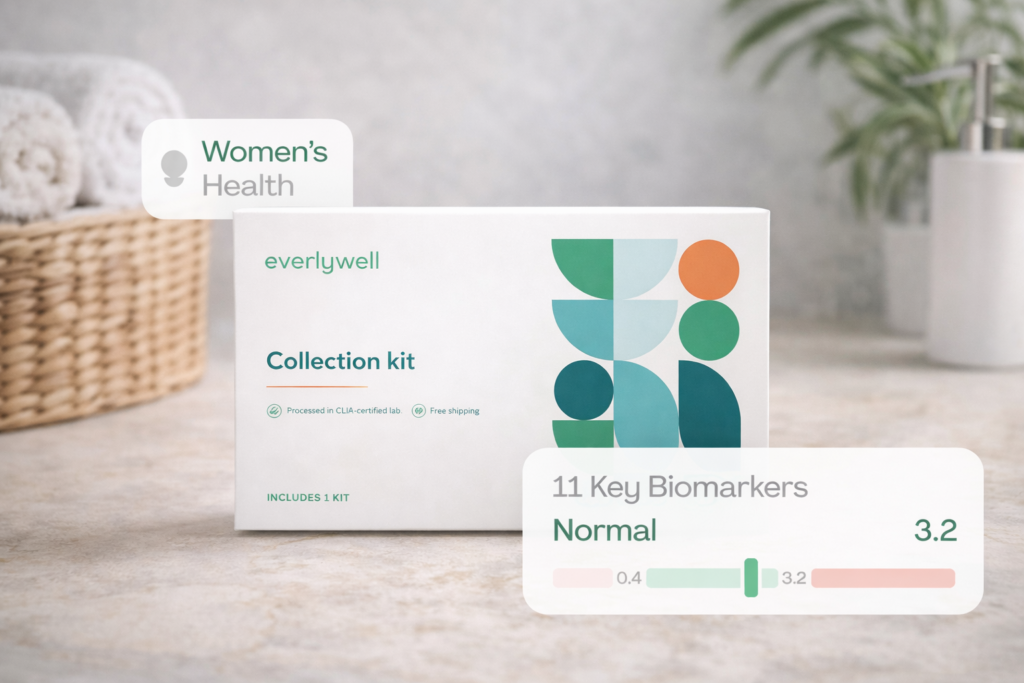
At-Home Women’s Health Test – Hormones & Wellness
Hormonal shifts can affect everything from energy and sleep to mood and weight. This at-home women’s health test helps you understand key hormone and wellness markers so you can make informed next steps with your healthcare provider.
- ✔ Screens hormones commonly linked to perimenopause and cycle changes
- ✔ CLIA-certified lab testing
- ✔ Physician-reviewed results with clear explanations
- ✔ Convenient finger-prick sample from home
FSA/HSA eligible • Test from home • Results you can discuss with your doctor
Patagonia
Patagonia is widely recognized for ethical leadership, and for good reason. Since the 1970s, the company has implemented environmental and labor standards that were once considered unrealistic within the fashion industry.
Patagonia publishes its factory list, releases detailed sustainability reports, and openly acknowledges missed targets. This level of transparency is rare, particularly when disclosure exposes operational challenges.
The company’s Worn Wear program exemplifies circular fashion in practice. Instead of encouraging replacement purchases, Patagonia repairs garments, resells used items, and provides detailed repair guides for consumers. This model prioritizes longevity over volume.
By actively discouraging overconsumption, Patagonia has demonstrated that profitability and reduced consumption can coexist. Durability is central to its business model, reinforcing the principle that the most sustainable garment is one that does not need to be replaced.
Outerknown
Outerknown stands out for its exceptional supply-chain transparency. The brand publicly discloses 100% of its Tier 1 suppliers and has committed to mapping its full Tier 1–4 supply chain.
This means accountability extends beyond garment assembly to fabric production, material processing, and raw-material sourcing. Mapping supply chains at this depth requires significant investment and eliminates plausible deniability when labor or environmental issues arise.
Outerknown’s designs integrate seamlessly into everyday wardrobes, reinforcing an often-overlooked truth: ethical fashion only works when garments are worn regularly.
Known Supply
Known Supply advances transparency by identifying the individual makers behind each garment. Customers receive information about the specific person who made their clothing, including photos and personal stories.
This approach rebuilds the human connection that modern fashion has largely erased. When the maker is visible, garments are less likely to be treated as disposable.
This level of disclosure also makes greenwashing nearly impossible. Ethical claims are substantiated through direct accountability, and poor labor conditions would be immediately exposed.
Known Supply focuses on elevated essentials designed for frequent wear, reinforcing sustainability through use rather than novelty.
Christy Dawn
Christy Dawn operates using a regenerative agriculture model that actively improves soil health, increases biodiversity, and sequesters carbon. Rather than minimizing harm, the brand contributes to ecosystem restoration through its cotton sourcing.
Many collections follow a made-to-order model, eliminating overproduction and unsold inventory. This approach directly addresses one of fashion’s most damaging practices: speculative mass production.
Christy Dawn also uses deadstock and vintage fabrics, creating one-of-a-kind garments without extracting new resources. Designs are intentionally finite—once fabric supplies are exhausted, production ends.
NAADAM
The cashmere industry is often associated with environmental degradation and exploitative labor practices. NAADAM restructured this supply chain by working directly with Mongolian herder communities, eliminating intermediaries who traditionally capture most of the value.
Direct partnerships allow herders to earn fair compensation, reducing pressure to overgraze and improving long-term ecological outcomes.
NAADAM’s cashmere is notably durable, addressing a critical sustainability issue: garments that degrade quickly accelerate consumption. High-quality materials reduce replacement frequency and waste.
The brand demonstrates that ethical practices and luxury quality are not mutually exclusive.
Stella McCartney
Stella McCartney pioneered cruelty-free luxury fashion long before sustainability entered mainstream discourse. Her commitment to eliminating leather, fur, and animal products was once considered incompatible with high-end design.
Rather than compromising, the brand invested in material innovation, developing alternatives that meet luxury performance standards. These materials now influence broader industry adoption.
Beyond luxury, Stella McCartney collaborates with mass-market brands to scale ethical practices, using influence to drive systemic change rather than remaining isolated within the luxury sector.
Veja
Veja began as a vegan sneaker brand at a time when sustainable athletic footwear barely existed. The company has since expanded into performance categories traditionally dominated by brands with poor labor and environmental records.
Veja’s storytelling emphasizes workers rather than abstract metrics, humanizing supply chains in ways that sustainability reports often fail to do.
The brand’s success illustrates a critical shift: ethical products must be aesthetically desirable. Veja’s footwear appeals to consumers regardless of sustainability credentials, helping ethical fashion reach mainstream audiences.
PANGAIA
PANGAIA represents the frontier of material science in fashion. The brand has achieved carbon-negative status and is pursuing Earth Positive goals—actively improving environmental conditions rather than merely offsetting harm.
Its garments utilize organic cotton and advanced bio-based textiles developed through significant research investment. These innovations benefit the broader industry as materials become more accessible over time.
PANGAIA prioritizes immediate accountability, publishing current progress rather than distant sustainability pledges.
Sézane
Sézane blends timeless Parisian design with verified sustainability standards. The brand is B-Corp certified and uses GOTS- and OEKO-TEX-certified materials.
Its limited-collection model reduces overproduction by aligning inventory more closely with demand. This approach minimizes waste and discount-driven overconsumption.
Through its DEMAIN initiative, Sézane has invested millions of euros into global education programs, demonstrating that ethical fashion extends beyond supply-chain labor to broader social impact.
Reformation
Reformation has made sustainable fashion accessible to trend-driven consumers by combining transparency with modern design. The brand publishes quarterly sustainability reports and uses its RefScale tool to quantify environmental savings for each garment.
This data-driven approach transforms sustainability from an abstract concept into measurable impact.
Reformation also addresses size inclusivity, recognizing that ethical fashion cannot be truly sustainable if it excludes large segments of the population.
Key Takeaways
Real ethical fashion needs third-party certifications like B-Corp, GOTS, Fair Trade, or OEKO-TEX, not self-awarded sustainability badges that mean nothing. Transparency separates genuine ethical brands from greenwashing.
Brands that publish their supplier lists, show their factories, and share their sustainability reports including failures are demonstrating real accountability.
Made-to-order and small-batch production eliminate waste from overproduction, which is one of fashion’s biggest environmental problems. Material innovation is advancing rapidly, with brands developing alternatives to conventional materials that perform better while reducing harm.
Ethical fashion increasingly includes social impact beyond supply chain conditions, supporting education, community development, and worker empowerment. Durability and timeless design are essential for sustainability.
The most sustainable garment is one you wear for years, not one marketed as eco-friendly that you discard after a season.
Carbon-negative and regenerative approaches represent the future, going beyond “less bad” to actively improving environmental conditions.
Frequently Asked Questions
Is Patagonia really sustainable?
Yes, Patagonia maintains rigorous environmental and labor standards with verified third-party certifications. They publish their finish factory list, repair programs extend product life, and they use recycled materials extensively.
Their transparency about missed sustainability targets demonstrates genuine accountability as opposed to greenwashing.
What does B-Corp certified mean for clothing brands?
B-Corp certification means a company has met comprehensive social and environmental performance standards verified by B Lab, a nonprofit organization. Certified brands must show transparency, accountability, and consideration for workers, communities, and the environment.
The certification needs regular reassessment and scores are publicly available.
Are vegan fashion brands better for the environment?
Vegan fashion eliminates animal cruelty, but environmental impact depends on the choice materials used. Some synthetic alternatives to leather and wool can have significant environmental footprints. The best vegan brands use innovative materials like mushroom leather or recycled synthetics that minimize environmental harm while avoiding animal products.
What is regenerative agriculture in fashion?
Regenerative agriculture actively improves soil health, increases biodiversity, and sequesters carbon as opposed to just minimizing harm. In fashion, this typically applies to cotton and other plant-based fiber cultivation.
Regenerative practices rebuild ecosystems damaged by conventional agriculture while producing raw materials for clothing.
How much should I expect to pay for ethical fashion?
Ethical fashion typically costs more than fast fashion because of fair wages, quality materials, and smaller production runs. Basic t-shirts start around $30-50, while specialty items like cashmere sweaters range from $150-300.
The higher upfront cost is offset by durability and reduced replacement frequency.
Does Reformation use sustainable materials?
Reformation uses sustainable materials including deadstock fabrics, organic cotton, recycled cotton, and Tencel. Their RefScale tool quantifies the environmental savings of each garment compared to industry averages.
They publish quarterly sustainability reports detailing their material sourcing and environmental impact metrics.
What is GOTS certification for clothing?
Global Organic Textile Standard certification verifies that textiles contain at least 70% organic fibers and meet strict environmental and social criteria throughout production. GOTS covers everything from fiber harvesting through manufacturing, including prohibition of harmful chemicals and requirements for fair labor practices.
Are ethical fashion brands size inclusive?
Size inclusivity varies significantly among ethical brands. Reformation and some others have expanded their size ranges to be more inclusive, but many sustainable brands still offer limited sizing.
True ethical fashion should include accessibility for all body types, though the industry still has progress to make in this area.
At-Home Women’s Health Test – Hormones & Wellness
Hormonal shifts can affect everything from energy and sleep to mood and weight. This at-home women’s health test helps you understand key hormone and wellness markers so you can make informed next steps with your healthcare provider.
- ✔ Screens hormones commonly linked to perimenopause and cycle changes
- ✔ CLIA-certified lab testing
- ✔ Physician-reviewed results with clear explanations
- ✔ Convenient finger-prick sample from home
FSA/HSA eligible • Test from home • Results you can discuss with your doctor
Find out our Recommended Products for DIY Natural Anti-Aging Skincare at Home; visit: https://www.vitalwomenwellness.com/the-best-products-for-diy-natural-anti-aging-skincare-at-home-20-essential-ingredients-and-tools/
Disclaimer
The information contained in this post is for general information purposes only. The information is provided by 10 Ethical Fashion Brands You Need to Know and while we endeavor to keep the information up to date and correct, we make no representations or warranties of any kind, express or implied, about the completeness, accuracy, reliability, suitability or availability with respect to the website or the information, products, services, or related graphics contained on the post for any purpose.