
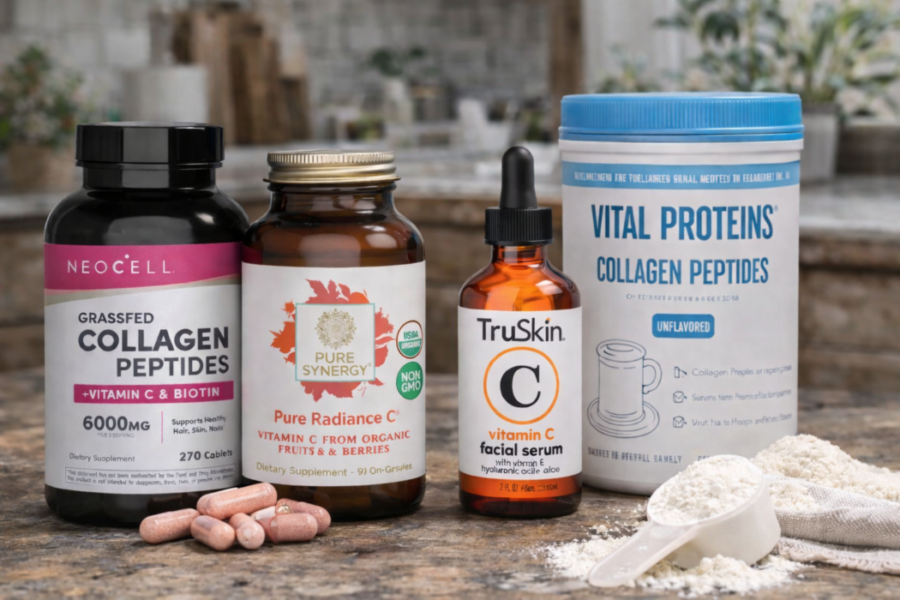
The concept of “vegan collagen” can be confusing at first. From a biological standpoint, plants do not produce collagen. Collagen is synthesized by animals and humans through specialized cells called fibroblasts, and plants lack the cellular machinery required to create this protein.
This makes the surge of supplements labeled as “plant collagen” seem misleading. In a literal sense, the terminology is inaccurate. However, the underlying concept behind these products does have scientific validity.
What is typically meant by plant-based collagen is not collagen itself, but nutritional support for the body’s own collagen production. These formulations provide the raw materials and cofactors the body needs to synthesize collagen internally, including specific amino acids, vitamins, minerals, and antioxidants that support collagen-building pathways.
Rather than supplying collagen directly, this approach focuses on optimizing the biological processes responsible for producing it. The body is capable of generating collagen when these foundational nutrients are available in sufficient amounts.
The growing interest in plant-based collagen alternatives reflects a combination of ethical considerations and increased awareness that direct collagen supplementation is only one strategy for supporting skin, joint, and connective tissue health. For individuals following vegan lifestyles, those with allergies to marine or bovine collagen, or those concerned about the environmental impact of animal-derived supplements, plant-based options offer a viable alternative—even though they function through entirely different mechanisms.
Distinguishing between effective nutritional support and marketing exaggeration is essential. Understanding which nutrients genuinely support collagen synthesis, which claims lack evidence, and how to structure a plant-based approach allows for informed decisions rooted in biology rather than hype.
At-Home Women’s Health Test – Hormones & Wellness
Hormonal shifts can affect everything from energy and sleep to mood and weight. This at-home women’s health test helps you understand key hormone and wellness markers so you can make informed next steps with your healthcare provider.
- ✔ Screens hormones commonly linked to perimenopause and cycle changes
- ✔ CLIA-certified lab testing
- ✔ Physician-reviewed results with clear explanations
- ✔ Convenient finger-prick sample from home
FSA/HSA eligible • Test from home • Results you can discuss with your doctor
Understanding the Fundamental Difference
The most important thing to grasp upfront is that plant-based collagen isn’t collagen at all. When you buy marine collagen or bovine collagen, you’re consuming hydrolyzed collagen peptides, small, pre-broken-down fragments of actual animal collagen that your digestive system can absorb relatively quickly.
These peptides enter your bloodstream and can be incorporated into existing collagen structures or used as templates for new synthesis.
Plant-based approaches work completely differently. You’re providing raw materials: the amino acids that constitute collagen (primarily glycine, proline, and lysine), the vitamin cofactors required for synthesis (especially vitamin C), and the minerals that facilitate enzymatic cross-linking (zinc, copper, silicon).
Your body then has to do all the heavy lifting, breaking down these nutrients, transporting them to fibroblasts in your skin and connective tissues, and reconstructing them into the complex triple-helix collagen structure.
This longer metabolic pathway explains why plant-based collagen typically takes longer to show results. While marine collagen users often report improvements within two to four weeks, plant-based protocols usually need at least four weeks and more commonly eight to twelve weeks before visible changes appear.
That doesn’t mean they don’t work. You just need realistic expectations about timeline and consistency.
The Essential Amino Acid Foundation
Collagen’s structure is roughly one-third glycine by weight, with substantial amounts of proline and smaller quantities of lysine and other amino acids. Your body can synthesize some glycine and proline internally, but not nearly enough to meet the demands of robust collagen production, especially as you age and natural synthesis declines.
Plant-based sources become critical here. Mushrooms, cabbage, asparagus, peanuts, and wheat provide proline.
Various plant proteins supply glycine.
Legumes, nuts, seeds, and whole grains deliver lysine. If you’re eating a diverse plant-based diet, you’re probably getting adequate amounts of these amino acids already, but supplementation can push levels higher to actively support collagen production beyond baseline maintenance.
Spirulina deserves special mention here because it’s a complete protein containing all nine essential amino acids, including both glycine and proline. This blue-green algae also contains phycocyanin, a powerful antioxidant that protects existing collagen from oxidative damage.
I’ve seen spirulina featured in nearly every high-quality plant-based collagen supplement for good reason, it addresses many bottlenecks in the collagen synthesis pathway simultaneously.
The challenge with plant-based amino acids compared to hydrolyzed collagen peptides is bioavailability. Your digestive system needs to fully break down plant proteins into person amino acids, absorb them through the intestinal wall, transport them through your bloodstream, and deliver them to fibroblasts where collagen assembly occurs.
Any disruption in this chain, poor digestion, gut dysbiosis, nutrient competition, reduces efficacy.
Gut health matters tremendously when pursuing plant-based collagen strategies, something rarely mentioned in supplement marketing.
Vitamin C as the Non-Negotiable Cofactor
I cannot overstate vitamin C’s importance. This isn’t just a helpful addition.
Vitamin C is absolutely mandatory for collagen synthesis.
Vitamin C acts as a critical cofactor for hydroxylation enzymes that cross-link collagen’s amino acids into the stable triple-helix structure that gives collagen its strength and function.
Without adequate vitamin C, your body literally cannot complete collagen synthesis, regardless of how many amino acids you consume.
The good news is that plant-based vitamin C sources are abundant and highly bioavailable. Citrus fruits, berries (especially strawberries), bell peppers, tomatoes, kiwis, and leafy greens all provide excellent vitamin C.
The challenge is consistency, vitamin C is water-soluble and degrades with heat and storage, so you need regular intake from fresh sources as opposed to relying on a single weekly dose.
Research shows that comprehensive plant-based protocols including adequate vitamin C alongside amino acids and other cofactors can increase under-eye collagen content by 33% within just four weeks. That’s a really significant improvement in a relatively short timeframe, and it shows how powerful vitamin C’s enzymatic role is when combined with adequate amino acid availability.
Mineral Enablers: Zinc, Copper, and Silicon
Beyond amino acids and vitamin C, collagen synthesis needs specific mineral cofactors that enable various enzymatic processes. Zinc helps with collagen cross-linking and regulates immune responses that protect skin from inflammatory breakdown.
Copper facilitates lysyl oxidase, an enzyme essential for collagen stabilization. Without copper, newly formed collagen stays structurally weak and prone to degradation.
Silicon (or silica) supports collagen formation throughout the body and strengthens connective tissue in skin, hair, and nails.
Plant-based sources provide all three minerals effectively. Pumpkin seeds, cashews, almonds, sunflower seeds, and whole grains are rich in zinc.
Nuts, seeds, and legumes supply copper.
Silicon appears abundantly in bamboo, horsetail, cucumber skins, bananas, and oats.
I’ve noticed that really effective plant-based collagen supplements always include these three minerals alongside amino acids and vitamin C. You need to understand the complete enzymatic pathway required for collagen synthesis and ensure that every rate-limiting cofactor gets addressed. Missing even one mineral can create a bottleneck that limits overall collagen production, no matter how much vitamin C or glycine you’re consuming.
Hyaluronic Acid and the Hydration Connection
Hyaluronic acid doesn’t directly build collagen, but it fundamentally supports the dermal environment where collagen functions optimally. This naturally occurring polysaccharide can hold up to 1,000 times its weight in water, creating the plump, hydrated appearance associated with youthful skin.
Plant-derived hyaluronic acid sourced from fermented plant materials offers a vegan alternative to animal-derived versions. Within four weeks, protocols including hyaluronic acid show 28% increases in skin hydration alongside elasticity improvements.
This suggests that hydration and collagen work synergistically, collagen provides structural scaffolding, while hyaluronic acid maintains the hydrated gel-like matrix that gives skin its volume and smoothness.
I think of hyaluronic acid as the supporting cast that makes collagen look good. You can have abundant collagen fibers, but if your dermis is dehydrated, your skin still appears aged and thin. The combination of structural collagen and adequate hydration creates the visible improvements that most people are actually seeking when they start supplementing.
Omega-3 Fatty Acids and Anti-Inflammatory Protection
Here’s something that often gets overlooked in collagen discussions: inflammation actively degrades existing collagen through increased elastase enzyme activity and inflammatory cytokine signaling. You can be producing new collagen consistently, but if chronic inflammation is breaking down your existing collagen at an accelerated rate, you’re essentially running on a treadmill, working hard but not getting anywhere.
Omega-3 fatty acids become strategically valuable here. Plant-based omega-3 sources like algae, flaxseeds, chia seeds, hemp seeds, and walnuts provide anti-inflammatory protection that slows collagen breakdown.
Research shows that omega-3 supplementation lowers inflammatory markers and protects against cartilage loss, suggesting similar protective effects for skin collagen.
The mechanism involves omega-3 metabolites called resolvins that actively regulate inflammatory cycles, promoting resolution of inflammatory processes that would otherwise damage collagen fibers. So omega-3s aren’t just generally healthy, they specifically protect your collagen investment by reducing the inflammatory environment that constantly threatens to degrade what you’re working so hard to build.
Protective Compounds: Green Tea, Garlic, and Carotenoids
Beyond building new collagen, protecting existing collagen matters tremendously. Green tea’s catechin compounds prevent improper cross-linking between collagen and elastin, a process that occurs during aging and sun exposure.
Catechins also provide photoprotection, reducing UV-induced collagen damage. Matcha, as a concentrated form of green tea, offers even higher doses of these protective compounds for people seeking most benefit.
Garlic contains organosulfur compounds and alpha-lipoic acid that both protect collagen from oxidative damage and upregulate collagen production gene expression. This dual mechanism, protective and anabolic, makes garlic a strategically valuable addition to plant-based protocols.
Plant carotenoids like beta-carotene (from carrots, sweet potatoes) and lycopene (from tomatoes) function primarily through UV photoprotection and antioxidant mechanisms. They don’t build collagen directly, but they preserve it by preventing UV radiation from cross-linking and degrading collagen fibers.
This preservation mechanism explains why diets rich in colorful vegetables correlate with better skin aging outcomes independent of other collagen-building efforts.
Fermented Plant Technology
One of the most exciting developments in plant-based collagen is fermented biotechnology. Companies are now engineering yeast and bacteria to produce collagen-like proteins through fermentation processes.
These lab-produced proteins bypass the amino-acid-to-collagen pathway entirely, instead providing pre-formed collagen-analog molecules that more closely mimic traditional collagen supplements.
Some fermented alternatives contain saponins, plant compounds that stimulate the body’s natural type I collagen synthesis pathways. This represents a hybrid approach: providing collagen-like structure while simultaneously triggering your body’s own collagen production machinery.
The significance here is both practical and ethical. Fermentation technology produces actual collagen proteins (not just amino acid precursors) without any animal involvement.
For committed vegans who want collagen-like bioavailability without compromising ethical values, fermented options offer a genuine solution that didn’t exist even five years ago.
Formulation Strategy and Synergistic Design
Early plant-based collagen supplements featured single amino acids or isolated vitamin C. Modern formulations recognize that collagen synthesis depends on orchestrated nutrient provision across many pathways simultaneously.
The five-nutrient synergy of vitamin C, hyaluronic acid, amino acids, spirulina, and omega-3 fatty acids works because each addresses distinct bottlenecks. Vitamin C enables enzymatic cross-linking.
Amino acids provide the protein backbone.
Hyaluronic acid hydrates the dermal matrix. Spirulina supplies complete amino acid profiles alongside antioxidants.
Omega-3 fatty acids reduce inflammatory degradation.
Products containing these five components should theoretically outperform products focusing narrowly on one or two nutrients. Research supports this, comprehensive formulations consistently show greater improvements in collagen density, elasticity, and wrinkle reduction compared to single-ingredient supplements.
When evaluating plant-based collagen products, I look for this kind of strategic formulation design. You need to understand the complete collagen synthesis pathway and address every rate-limiting step with targeted nutrients.
Realistic Expectations and Timeline
Four-week studies show 33% increased collagen in periorbital areas, 26% greater skin elasticity, and 28% increased hydration. Twelve-week protocols show about 38% wrinkle reduction.
These are genuinely impressive results that suggest plant-based approaches can deliver meaningful improvements when formulated properly and used consistently.
However, important nuances exist in this data. One placebo-controlled study showed vegan alternatives increased collagen density by 4.7% and elasticity by 5.1% while reducing wrinkles by 27.5%, notably less dramatic than the figures above.
This variance likely reflects differences in study duration, ingredient formulation, person genetic factors, and baseline collagen levels.
The practical takeaway is that plant-based collagen works, but not identically for everyone. Some people respond robustly and see significant changes within four to six weeks.
Others need twelve weeks or longer for visible improvements.
Genetic factors influencing fibroblast activity, baseline collagen turnover rates, lifestyle factors (sleep, stress, sun exposure), and gut health all influence person response.
Setting realistic expectations matters. If you’re comparing plant-based options to marine collagen and expecting identical speed of results, you’ll probably be disappointed. Marine collagen’s hydrolyzed peptides offer faster bioavailability.
But if you’re committed to plant-based living and willing to invest in a twelve-week protocol with proper formulation, you can achieve meaningful, measurable improvements in skin quality, elasticity, and visible aging markers.
Lifestyle Factors That Amplify Results
Here’s something that often gets buried in supplement marketing: your lifestyle choices may matter more than your supplement selection. Resistance training stimulates collagen production as connective tissue adapts to mechanical stress.
Sleep quality affects growth hormone secretion and collagen synthesis rates.
Sun exposure degrades collagen faster than supplements can rebuild it without proper photoprotection. Blood sugar control influences glycation, a process where excess glucose irreversibly damages collagen structure.
I’ve seen people spend significant money on high-quality plant-based collagen supplements while simultaneously undermining results through poor sleep, excessive sugar consumption, inadequate sun protection, and sedentary lifestyles. Supplements work best as part of a comprehensive approach, not as isolated interventions.
Red light therapy shows potential for stimulating collagen production through deeper skin penetration. Regular strength training provides mechanical signals that upregulate collagen synthesis throughout your body.
Adequate sleep allows growth hormone peaks that facilitate tissue repair including collagen regeneration.
Blood sugar management prevents glycation that permanently damages existing collagen.
If you’re investing in plant-based collagen supplements, you’ll get substantially better returns by simultaneously addressing these lifestyle factors. Think of supplements as providing raw materials and enzymatic support, while lifestyle choices create the biological environment where collagen synthesis occurs most efficiently.
Common Mistakes to Avoid
The biggest mistake I see is inconsistent supplementation. Collagen synthesis needs sustained nutrient availability.
Taking supplements sporadically or for just a few weeks before evaluating results sets you up for disappointment.
Another common error is ignoring gut health. If you have compromised digestion or gut dysbiosis, amino acid absorption suffers regardless of how high-quality your supplement is.
Addressing digestive health through probiotics, digestive enzymes, or dietary modifications may be necessary before plant-based collagen approaches work optimally.
People also often overlook the importance of comprehensive formulation. Single-nutrient supplements (just vitamin C, or just amino acids) rarely deliver results comparable to multi-component formulas that address the complete synthesis pathway.
Look for products containing at least four to five of the key nutrients: vitamin C, amino acids (glycine, proline, lysine), minerals (zinc, copper, silicon), hyaluronic acid, and either spirulina or omega-3s.
Finally, unrealistic timelines create unnecessary frustration. Expecting dramatic changes within two weeks almost guarantees disappointment.
Commit to at least eight weeks, preferably twelve, before evaluating whether your chosen protocol is working.
Adapting Your Approach Based on Results
If you’re not seeing improvements after twelve weeks of consistent supplementation with a comprehensive formula, several factors deserve investigation. First, gut health, are you actually absorbing the nutrients you’re consuming?
Consider adding digestive support or probiotics.
Second, inflammatory burden, chronic inflammation from poor diet, inadequate sleep, or high stress speeds up collagen breakdown faster than supplementation can compensate. Address underlying inflammatory sources before expecting supplements alone to work.
Third, blood sugar control, if you’re consuming high amounts of refined carbohydrates and experiencing blood sugar spikes, glycation may be damaging collagen faster than you’re building it. Dietary modifications focusing on blood sugar stability may be more impactful than increasing supplement dosages.
Fourth, sun protection, UV exposure remains the primary driver of collagen photodegradation. If you’re supplementing consistently but not using broad-spectrum sunscreen daily, you’re essentially trying to fill a bucket with a hole in the bottom.
For people who respond well initially but plateau after several months, cycling strategies may help. Taking a four-week break from supplementation, then resuming, can sometimes reset responsiveness.
Alternatively, adding new components (like fermented collagen, extra minerals, or botanical blends) can address different aspects of the collagen synthesis pathway and restart progress.
People Also Asked
Does vitamin C help produce collagen?
Yes, vitamin C is absolutely essential for collagen production. Your body uses vitamin C as a cofactor for enzymes that cross-link amino acids into the stable triple-helix collagen structure.
Without adequate vitamin C, your body cannot complete collagen synthesis regardless of amino acid availability.
Fresh citrus fruits, berries, bell peppers, and leafy greens provide excellent plant-based vitamin C sources.
What is spirulina good for?
Spirulina is a complete protein containing all nine essential amino acids, including glycine and proline which are key building blocks for collagen. It also contains phycocyanin, an antioxidant that protects existing collagen from oxidative damage.
Many plant-based collagen supplements include spirulina because it addresses many bottlenecks in collagen synthesis simultaneously.
Can you get collagen from plants?
No, plants don’t produce collagen. Only animals produce collagen through specialized fibroblast cells.
What people call “plant-based collagen” refers to supplements containing amino acids, vitamins, and minerals that support your body’s own collagen production.
These provide building blocks like glycine, proline, lysine, vitamin C, zinc, copper, and silicon that your body needs to synthesize collagen internally.
Does hyaluronic acid increase collagen?
Hyaluronic acid doesn’t directly increase collagen production, but it supports the dermal environment where collagen functions. It can hold up to 1,000 times its weight in water, creating the hydrated matrix that makes skin appear plump and youthful.
Studies show protocols combining hyaluronic acid with collagen-supporting nutrients produce 28% increases in skin hydration alongside elasticity improvements.
What damages collagen in skin?
UV sun exposure is the primary cause of collagen degradation through a process called photodegradation. High blood sugar causes glycation, where excess glucose irreversibly damages collagen structure.
Chronic inflammation speeds up collagen breakdown through increased elastase enzyme activity.
Poor sleep, inadequate vitamin C, smoking, and oxidative stress all contribute to accelerated collagen loss.
How long does it take for plant-based collagen to work?
Plant-based collagen protocols typically require at least four weeks and more commonly eight to twelve weeks before visible improvements appear. This timeline is longer than marine collagen (which shows results in two to four weeks) because plant-based approaches work by providing building blocks that your body must process, as opposed to pre-formed collagen peptides.
Individual results vary based on genetics, gut health, and lifestyle factors.
Key Takeaways
Plant-based collagen provides a strategic combination of amino acids, vitamins, minerals, and protective compounds that support your body’s natural collagen synthesis. The most critical nutrients include glycine, proline, lysine (amino acids), vitamin C (enzymatic cofactor), zinc, copper, silicon (mineral enablers), hyaluronic acid (hydration support), spirulina (complete amino acid profile), and omega-3 fatty acids (anti-inflammatory protection).
Realistic timelines matter, expect at least four weeks and more commonly eight to twelve weeks for visible improvements. Plant-based approaches generally work more slowly than marine collagen because of bioavailability differences, but they offer ethical alignment, sustainability advantages, and suitability for people with fish allergies.
Comprehensive formulation beats single-ingredient supplementation consistently. Products addressing many bottlenecks in the collagen synthesis pathway (amino acids plus cofactors plus minerals plus hydration plus anti-inflammatory protection) deliver superior results compared to isolated nutrients.
Lifestyle factors including resistance training, sleep quality, sun protection, and blood sugar control significantly influence outcomes, potentially more than supplement selection. Addressing these variables alongside supplementation produces synergistic improvements beyond what either approach delivers independently.
Individual response varies based on genetics, baseline collagen status, age, gut health, and inflammatory burden. If you’re not seeing results after twelve weeks of consistent use with a comprehensive formula, investigate gut health, inflammatory sources, blood sugar control, and sun protection before concluding that plant-based approaches don’t work for you.
At-Home Women’s Health Test – Hormones & Wellness
Hormonal shifts can affect everything from energy and sleep to mood and weight. This at-home women’s health test helps you understand key hormone and wellness markers so you can make informed next steps with your healthcare provider.
- ✔ Screens hormones commonly linked to perimenopause and cycle changes
- ✔ CLIA-certified lab testing
- ✔ Physician-reviewed results with clear explanations
- ✔ Convenient finger-prick sample from home
FSA/HSA eligible • Test from home • Results you can discuss with your doctor
Find out our Recommended Collagen after 40; visit: https://www.vitalwomenwellness.com/how-to-boost-collagen-naturally-after-40/
Disclaimer
The information contained in this post is for general information purposes only. The information is provided by Plant-Based Collagen Options and while we endeavor to keep the information up to date and correct, we make no representations or warranties of any kind, express or implied, about the completeness, accuracy, reliability, suitability or availability with respect to the website or the information, products, services, or related graphics contained on the post for any purpose.