

If you’re approaching or already in menopause, you’ve probably realized that nobody really prepared you for what this experience would actually feel like. The cultural narrative around menopause has been so limited: hot flashes, maybe some mood swings, and then you’re done.
The reality is far more complex, far longer, and honestly, far more interesting than most women are led to believe.
Here’s what most doctors won’t tell you upfront: vasomotor symptoms typically last more than seven years for most women. Not a few months.
Not even a couple of years.
More than seven years. And for some women, these symptoms continue well into their 60s and beyond.
Understanding what to look for during this extended transition can make the difference between suffering through it and actually managing it effectively.
The other piece that surprises many women is the sheer range of symptoms that fall under the menopause umbrella. We’re talking about changes that affect your brain, your bones, your heart, your skin, your sleep, your mood, and your intimate relationships.
About 50 to 75 percent of women experience vasomotor and genitourinary symptoms significant enough to impact their quality of life. Yet many women suffer silently, thinking they’re alone or that nothing can be done.
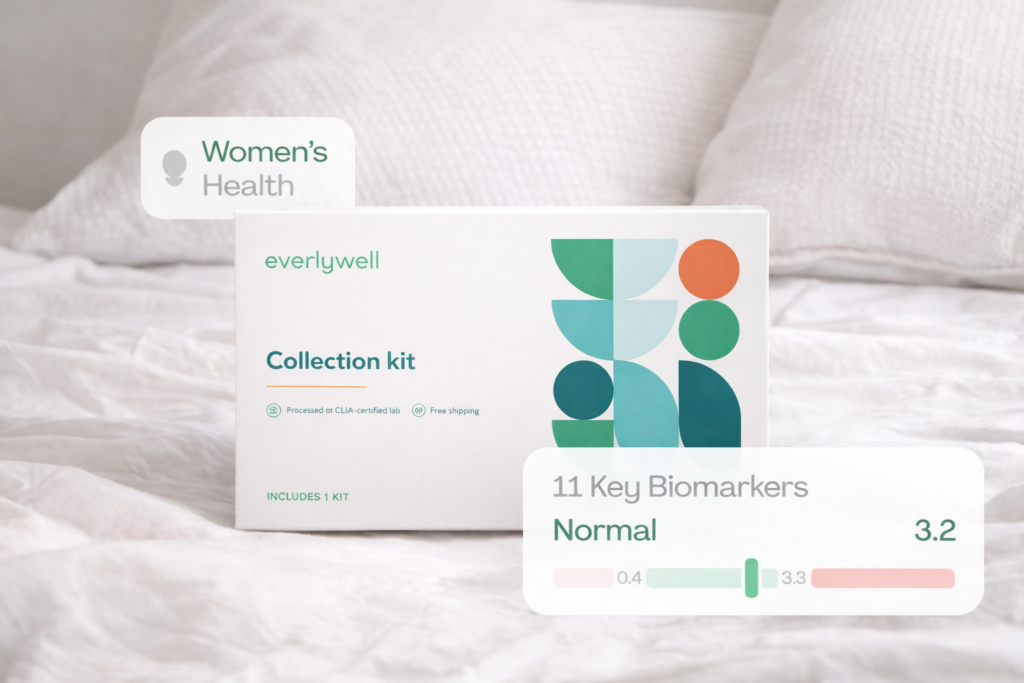
Everlywell Women’s Health Test – At-Home Screening
Wondering about your hormonal health, reproductive wellness, or perimenopause symptoms? This at-home test provides insights into key hormones affecting your overall health, all from the comfort of your home.
- ✔ Measures estradiol, progesterone, FSH, and LH
- ✔ CLIA-certified lab analysis
- ✔ Physician-reviewed, easy-to-read results
- ✔ Simple finger-prick blood sample from home
FSA/HSA eligible • Test from home • Personalized hormone insights
The Core Symptoms You Need to Monitor
Vasomotor Symptoms
Hot flashes and night sweats are the poster children of menopause, and for good reason. They’re incredibly common and remarkably disruptive.
A hot flash feels like someone just cranked up the internal thermostat without warning.
Your face flushes, your chest gets warm, and suddenly you’re sweating through your shirt while everyone around you is perfectly comfortable.
Night sweats are essentially hot flashes that happen while you’re sleeping, and they’re particularly problematic because they destroy sleep quality. You wake up drenched, have to change your pajamas or sheets, and then struggle to fall back asleep.
This happens night after night, creating a sleep debt that compounds over time.
Vasomotor symptoms are caused by estrogen loss disrupting your hypothalamus, the part of your brain that regulates body temperature. Your hypothalamus starts overreacting to minor temperature changes, triggering these intense heat episodes.
The good news is that vasomotor symptoms are highly treatable. Systemic estrogen therapy reduces hot flash frequency by about 75 percent, which is really quite remarkable.
That’s substantial improvement, not partial relief.
Yet many women never try hormone therapy because they’re afraid of it or don’t realize how effective it actually is.
Genitourinary Syndrome of Menopause
This is the symptom cluster that women are most embarrassed to talk about, but it affects a huge percentage of menopausal women and doesn’t just go away on its own. Genitourinary syndrome of menopause, or GSM, includes vaginal dryness, vaginal itching and irritation, pain during intercourse, painful urination, urinary frequency and urgency, getting up many times at night to urinate, and recurrent urinary tract infections.
The mechanism behind GSM is straightforward. Estrogen keeps vaginal tissues thick, moist, and elastic.
When estrogen levels drop during menopause, these tissues thin out, become dry and less elastic, and produce less natural lubrication.
The vaginal pH also changes, making infections more likely.
GSM is particularly frustrating because it’s chronic. Unlike hot flashes, which eventually decide for most women, genitourinary symptoms tend to continue and often worsen over time if left untreated. This creates a progressive problem that affects sexual function, urinary health, and overall quality of life.
The treatment options for GSM are really quite effective, though. Low-dose vaginal estrogen improves symptoms by 60 to 80 percent.
Vaginal prasterone, which is a DHEA hormone preparation, improves symptoms by 40 to 80 percent.
And oral ospemifene improves symptoms by 30 to 50 percent. These are life-changing interventions, not marginal improvements.
Beyond prescription treatments, hormone-free vaginal moisturizers used several times weekly and water-based or silicone-based lubricants used as needed provide substantial relief for many women. Regular sexual activity, whether partnered or solo, also helps by increasing blood flow to vaginal tissues.
Sleep Disturbances
Menopause-related sleep problems go beyond just night sweats. Hormonal changes directly affect sleep architecture, making it harder to fall asleep, stay asleep, and reach deep restorative sleep stages.
Many women suddenly develop insomnia during perimenopause even if they’ve never had sleep problems before.
The consequences of inadequate sleep during menopause extend far beyond feeling tired. Sleep deprivation increases cortisol levels, which drives inflammation throughout your body. This inflammation increases your risk for cardiovascular disease, diabetes, cognitive decline, and immune dysfunction.
Getting fewer than seven to eight hours of sleep nightly creates a cascade of metabolic problems that undermine every other aspect of your health.
Addressing sleep during menopause means treating the underlying causes: managing night sweats, addressing anxiety, and optimizing sleep hygiene. This might involve hormone therapy to reduce night sweats, cognitive behavioral therapy for insomnia, gabapentin specifically for nighttime hot flashes, or lifestyle modifications like avoiding caffeine and alcohol in the evening, keeping your bedroom cool, and establishing a consistent bedtime routine.
Cognitive Changes
Brain fog and memory changes during menopause are real, measurable phenomena. Women report difficulty concentrating, trouble finding words, forgetfulness, and slower mental processing during the menopausal transition.
The mechanism involves estrogen receptors in the brain. Estrogen influences neurotransmitter function, particularly acetylcholine, which is critical for memory and learning. When estrogen levels fluctuate and decline, cognitive function can temporarily decline as well.
Here’s the counterintuitive finding that most women don’t know: you can fight brain fog through cognitive challenge. Learning new skills, volunteering in roles that require mental engagement, practicing a new language, reading challenging material, and engaging in complex problem-solving all build what researchers call cognitive reserve.
This is your brain’s flexibility and processing efficiency, and it can actually improve during menopause if you deliberately challenge yourself cognitively.
Mood and Mental Health Changes
Irritability, anxiety, and depression are common enough during menopause that you need to watch for them. The hormonal fluctuations during perimenopause directly affect neurotransmitter systems that regulate mood, particularly serotonin and GABA.
What makes menopausal mood changes particularly challenging is that they often overlap with other life stressors. Many women experience menopause during a period when they’re dealing with aging parents, launching children into adulthood, career pressures, and relationship changes.
The hormonal component of mood changes gets lost in this mix.
The relationship between menopause and depression deserves particular attention. Women experiencing significant menopausal symptoms have elevated depression risk.
This is clinical depression that may require treatment with antidepressants, therapy, or both.
Cognitive behavioral therapy has been shown to significantly reduce how much menopausal symptoms bother you, even if it doesn’t eliminate the symptoms themselves. This psychological approach helps you identify and challenge unhelpful thought patterns and develop effective coping strategies.
Health Screening Priorities During Menopause
Bone Density Assessment
Estrogen plays a critical role in maintaining bone density by slowing the rate at which your body breaks down old bone. When estrogen levels drop during menopause, bone loss speeds up dramatically.
This is why osteoporosis becomes such a significant concern for postmenopausal women.
DEXA scans measure bone mineral density and assess your fracture risk. These scans should begin at menopause for women with risk factors and at age 65 for all women.
If you have low bone density, interventions including calcium and vitamin D supplementation, weight-bearing exercise, resistance training, and potentially medication can slow or prevent further bone loss.
The exercise component is particularly important. Resistance training three to four times per week and regular weight-bearing aerobic activity like walking, jogging, or dancing stimulate bone formation and increase bone density.
This maintains functional independence as you age.
Cardiovascular Screening
Menopause significantly increases cardiovascular disease risk, and this is really one of the most important health transitions to monitor. Estrogen has protective effects on blood vessels, helping them stay flexible and responsive.
Estrogen also favorably affects cholesterol levels, keeping HDL cholesterol higher and LDL cholesterol lower.
When estrogen levels drop, these protective effects disappear. LDL cholesterol tends to rise, HDL cholesterol may drop, triglycerides often increase, and blood pressure often goes up.
All of these changes increase cardiovascular disease risk.
Lipid panel testing should be performed regularly during and after menopause to track these changes. Blood pressure should be monitored at every healthcare visit.
If these markers start trending in the wrong direction, interventions including dietary changes, exercise, stress management, and potentially medication become important.
The dietary approach that makes the most sense during menopause is an anti-inflammatory eating pattern focused on healthy fats including omega-3 fatty acids, lean proteins, abundant vegetables and fruits, and whole grains. This nutritional foundation helps manage cholesterol levels, supports healthy blood pressure, reduces systemic inflammation, and helps with weight management.
Metabolic Health Screening
The risk of developing type 2 diabetes increases during menopause because of metabolic changes related to estrogen loss, increased abdominal fat deposition, and often decreased physical activity. Hemoglobin A1C testing, which measures average blood glucose levels over the preceding three months, should be part of regular health screening during menopause.
Many women experience frustrating weight gain during menopause despite eating the same way they always have. This reflects real metabolic changes that require different nutritional approaches.
The combination of anti-inflammatory nutrition, regular aerobic exercise, and resistance training helps manage this metabolic shift.
Thyroid Function Testing
Thyroid problems become more common with age, and thyroid dysfunction can mimic or amplify menopausal symptoms. Fatigue, weight gain, mood changes, cognitive difficulties, sleep problems, and temperature sensitivity can all stem from either menopause or thyroid disease.
Thyroid function testing distinguishes between menopausal symptoms and thyroid pathology. If your symptoms seem disproportionate to what might be expected from menopause alone, thyroid testing becomes particularly important.
Treatment Approaches That Actually Work
Hormone Therapy
Menopausal hormone therapy stays the gold standard for managing vasomotor symptoms. Systemic estrogen, whether delivered orally, through a transdermal patch, or via other routes, reduces hot flash frequency by about 75 percent.
This is substantially more effective than any other intervention.
The key to hormone therapy is suitable timing and patient selection. Hormone therapy works best and is safest for women under 60 and within ten years of menopause onset.
The “timing hypothesis” suggests that starting hormone therapy during this window provides cardiovascular benefits, while starting it years after menopause may increase cardiovascular risk.
For women who prefer more targeted treatment, vaginal estrogen provides excellent relief for genitourinary symptoms with minimal systemic absorption. This is administered as a cream, tablet, or ring insert placed directly in the vagina.
The estrogen acts locally on vaginal tissues without significantly raising blood estrogen levels throughout the body.
Non-Hormonal Medications
For women who can’t or don’t want to use hormone therapy, several non-hormonal medications provide substantial symptom relief. Selective serotonin reuptake inhibitors including citalopram, escitalopram, and paroxetine, and serotonin-norepinephrine reuptake inhibitors like desvenlafaxine and venlafaxine reduce vasomotor symptom frequency by 40 to 65 percent.
That’s substantial relief, though not quite as effective as hormone therapy.
These medications are particularly useful for women with a personal history of breast cancer who can’t use estrogen therapy.
Gabapentin, an antiseizure medication, has emerged as a particularly interesting option for nighttime hot flashes. It reduces hot flash frequency and improves sleep quality when taken at bedtime.
This dual benefit makes it especially valuable for women whose primary complaint is night sweats and sleep disruption.
Cognitive Behavioral Therapy
The evidence for cognitive behavioral therapy in menopause management is really quite compelling. Behavioral interventions, mostly group-based CBT, relaxation therapy, or mindfulness-based stress reduction delivered in weekly one to two hour sessions over two to ten weeks, significantly decreased both short-term and medium-term perceived severity of vasomotor symptoms.
What’s interesting about CBT is that it doesn’t necessarily reduce the frequency of hot flashes, but it dramatically reduces how much they bother you. This psychological shift can be just as valuable as reducing symptom frequency because it improves quality of life even when symptoms continue.
Frequently Asked Questions
Can vaginal dryness during menopause be reversed?
Yes, vaginal dryness can be significantly improved with treatment. Low-dose vaginal estrogen is the most effective option, improving symptoms by 60 to 80 percent.
Vaginal prasterone and oral ospemifene are also effective.
Hormone-free vaginal moisturizers and lubricants provide relief for women who prefer non-hormonal options. Regular sexual activity also helps maintain vaginal tissue health.
How long do hot flashes typically last?
Hot flashes typically last more than seven years for most women. Some women experience them for a decade or longer.
The duration varies significantly between people.
Treatment with hormone therapy can reduce hot flash frequency by about 75 percent, making them much more manageable even if they continue.
Is hormone replacement therapy safe during menopause?
Hormone therapy is safest and most effective for women under 60 and within ten years of menopause onset. For women in this group, the benefits of symptom relief generally outweigh the risks.
Long-term use slightly increases breast cancer risk, but for most healthy women in the suitable window, hormone therapy stays the most effective treatment for vasomotor symptoms.
What helps with menopause brain fog?
Cognitive challenge helps combat brain fog during menopause. Learning new skills, engaging in mentally demanding activities, practicing a new language, and solving complex problems all build cognitive reserve.
Adequate sleep, regular exercise, stress management, and addressing any underlying thyroid issues also improve cognitive function during menopause.
Does menopause increase heart disease risk?
Yes, menopause significantly increases cardiovascular disease risk because estrogen loss removes protective effects on blood vessels and cholesterol levels. Regular lipid panel testing, blood pressure monitoring, anti-inflammatory nutrition, regular exercise, and stress management become critical during and after menopause to protect heart health.
Key Takeaways
Vasomotor symptoms typically last more than seven years, making menopause a prolonged transition requiring sustained management strategies as opposed to short-term symptom relief.
Genitourinary syndrome affects up to 75 percent of menopausal women and is chronic, worsening over time if untreated, making early intervention critical for maintaining sexual function and urinary health.
Hormone therapy reduces vasomotor symptoms by about 75 percent and works best when started in women under 60 and within ten years of menopause onset, representing the most effective treatment available for hot flashes and night sweats.
Non-hormonal medications including SSRIs and gabapentin reduce vasomotor symptoms by 40 to 65 percent, providing substantial relief for women who cannot or prefer not to use hormone therapy.
Sleep disruption during menopause has cascading health consequences including increased inflammation, cardiovascular risk, metabolic dysfunction, and cognitive difficulties, making sleep optimization a critical priority.
Cognitive behavioral therapy significantly reduces how much menopausal symptoms bother you even when it doesn’t eliminate symptom frequency, making psychological coping strategies as valuable as pharmaceutical interventions for quality of life improvement.
Regular exercise combining resistance training and aerobic activity provides benefits across many body systems including bone density, cardiovascular health, mood regulation, weight management, and potentially vasomotor symptom reduction.
Vaginal estrogen improves genitourinary symptoms by 60 to 80 percent with minimal systemic absorption, making it an underutilized but highly effective first-line treatment for vaginal dryness, urinary symptoms, and painful intercourse.
Menopause represents a critical window for cardiovascular, metabolic, and bone health screening, as risks for heart disease, diabetes, and osteoporosis increase substantially after estrogen loss, making proactive monitoring and preventive interventions essential for long-term health.
Everlywell Women’s Health Test – At-Home Screening
Wondering about your hormonal health, reproductive wellness, or perimenopause symptoms? This at-home test provides insights into key hormones affecting your overall health, all from the comfort of your home.
- ✔ Measures estradiol, progesterone, FSH, and LH
- ✔ CLIA-certified lab analysis
- ✔ Physician-reviewed, easy-to-read results
- ✔ Simple finger-prick blood sample from home
FSA/HSA eligible • Test from home • Personalized hormone insights
Find out our Recommended products for women navigating menopause; visit: https://www.vitalwomenwellness.com/navigating-menopause-key-nutrients-for-a-balanced-diet/
Disclaimer
The information contained in this post is for general information purposes only. The information is provided by Menopause Essentials: What to Look For and while we endeavor to keep the information up to date and correct, we make no representations or warranties of any kind, express or implied, about the completeness, accuracy, reliability, suitability or availability with respect to the website or the information, products, services, or related graphics contained on the post for any purpose.