

The idea that you might be unintentionally making stiffness worse by trying to “push through” tightness can be hard to consider. And I’m not saying that’s definitely what’s happening in your situation. But if your back feels locked in the morning, your hips protest after sitting, or your shoulders stay tense even on rest days, it’s important to realize that mobility isn’t about forcing flexibility ~ it’s about gently restoring movement your body quietly lost over time.
Taking a close look at how you currently handle stiffness could make you feel defensive, maybe even frustrated, because the suggestion that slowing down could actually help more than pushing harder might sound backwards. But if you keep relying only on occasional stretching or hoping soreness will disappear on its own, you may eventually notice tightness becoming your new “normal.” And that’s usually when daily life ~ bending, walking, sleeping ~ starts feeling heavier than it should.
I totally get how discouraging it feels when simple movements suddenly require effort. You may remember when your body felt naturally loose and cooperative. Now, even gentle exercise can leave you stiff afterward. That doesn’t mean your body is failing ~ it means it needs different support than it did years ago.
That’s actually why the essentials below aren’t organized as a one-size-fits-all solution, but rather as a spectrum. Some tools focus on passive relaxation for stress-held tension. Others help restore joint mobility and circulation. And a few provide gentle strength support so your body stays stable while it regains flexibility.
Here’s a quick overview of how this collection works. You’ll find cushioning basics that support joints during daily movement. You’ll find targeted tools that release tight spots in the hips, back, and shoulders. And you’ll see recovery aids that help your nervous system relax ~ which is often the missing piece behind chronic stiffness.
Everlywell 360 Full Body Test – 83 Biomarkers
Get a complete, high-level view of your health with one at-home test. This comprehensive panel measures 83 biomarkers across key health systems so you can spot trends, risks, and imbalances early.
- ✔ 83 biomarkers across metabolic, heart, thyroid, hormone & nutrient health
- ✔ CLIA-certified lab analysis
- ✔ Physician-reviewed results with clear explanations
- ✔ Simple at-home blood sample
FSA/HSA eligible • Comprehensive full-body insights
1. Empower Premium Yoga Mat
This supportive mat provides cushioning that reduces pressure on joints during gentle mobility routines. It’s especially helpful if kneeling, stretching, or floor exercises usually cause discomfort. Many midlife users prefer slightly thicker mats like this because they allow longer, more relaxed stretching sessions without pain distractions.
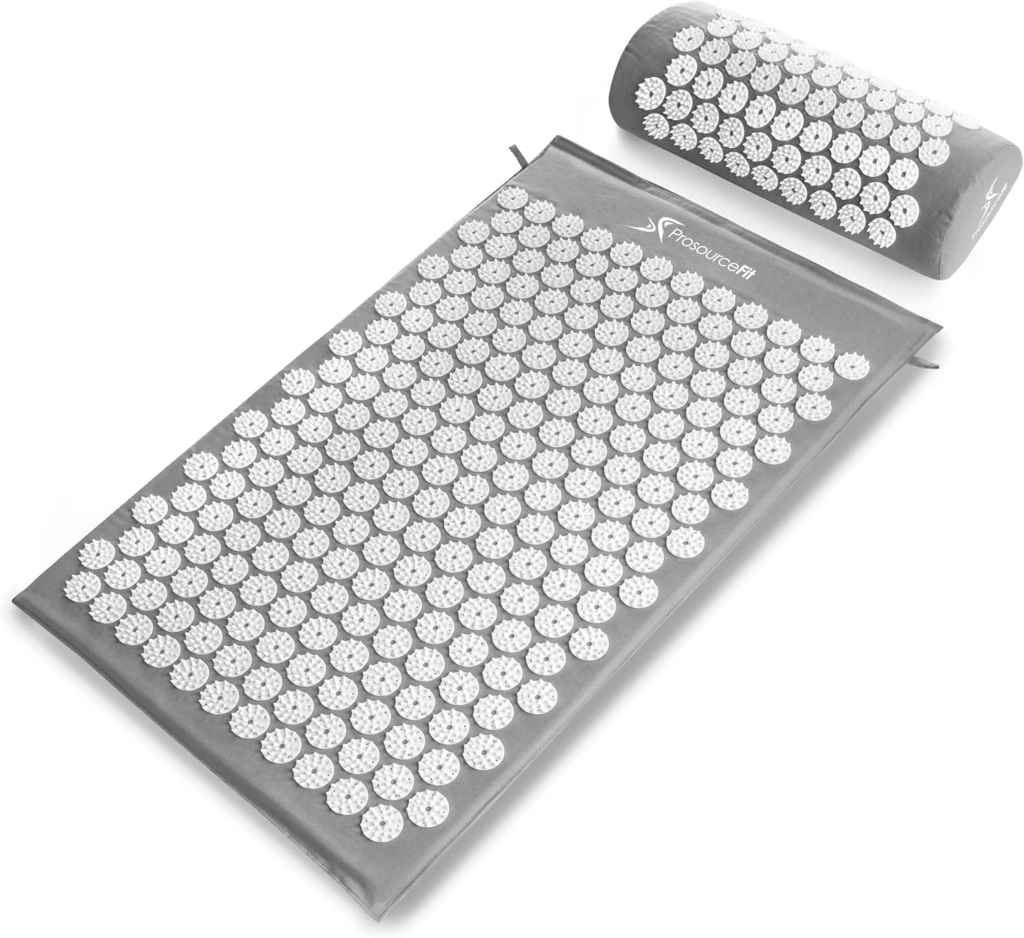
2. ProsourceFit Acupressure Mat and Pillow Set
Acupressure mats are surprisingly effective for stiffness tied to stress tension. The tiny pressure points stimulate circulation and encourage muscle relaxation, making them ideal for evening routines when your back or neck feels tight after long days.
>>Available in Amazon<<
3. Soft Massaging Foam Roller
Foam rolling is one of the simplest ways to reduce muscle stiffness after 40. A softer roller like this helps release tight fascia without causing excessive soreness, making it beginner-friendly for hips, calves, and upper back areas.
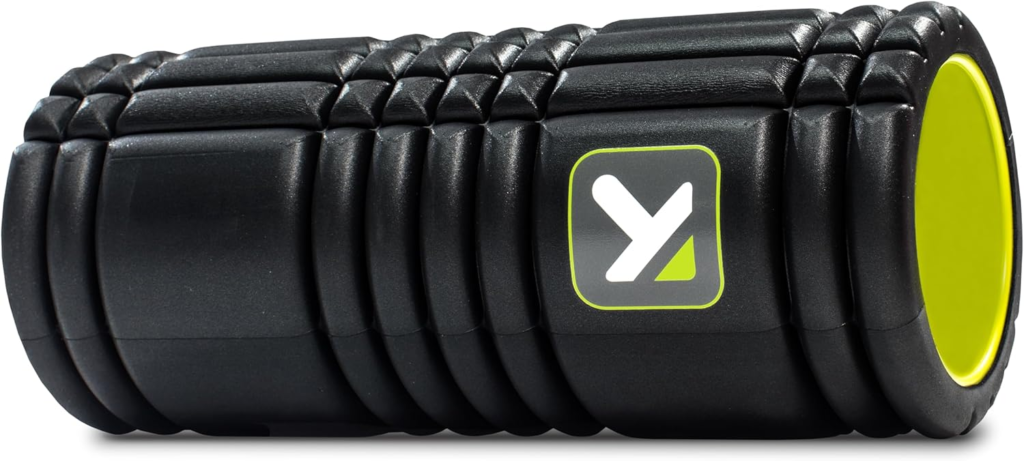
4. EPP Foam Massage Roller
This firmer option works well for deeper tension in glutes and hamstrings. It’s often recommended for people who feel chronic tightness from sitting long hours or reduced activity.
5. Trainbo Stretch Strap Multi-Loop
Stretch straps allow safe, controlled flexibility work ~ especially helpful if reaching your feet or shoulders feels difficult. They’re commonly used for gentle hamstring, hip, and shoulder mobility exercises.
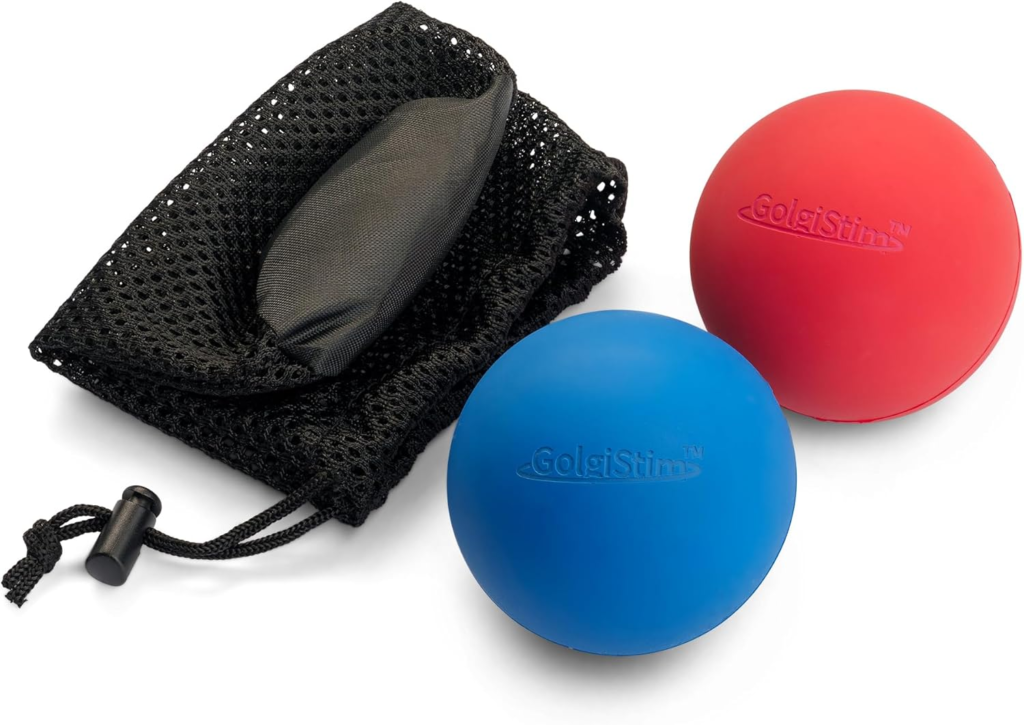
6. Lacrosse Massage Ball
Small massage balls target stubborn tension areas like shoulder blades, hips, and feet. Rolling against a wall can provide quick relief from knots without requiring intense effort.
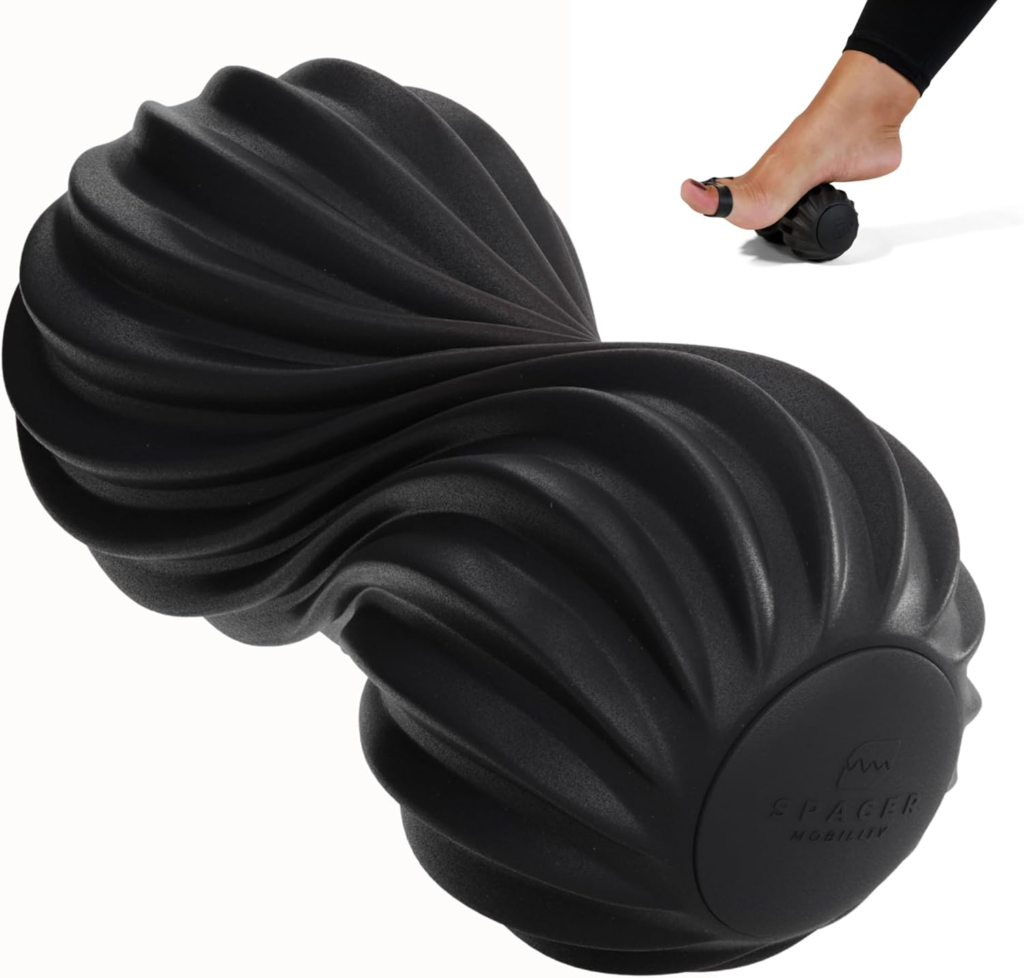
7. SSpacer Mobility EI8HTBALL
This textured ball offers deeper muscle stimulation than smooth versions, making it especially effective for stubborn trigger points in the back and glutes.
8. TOMSHOO Acupressure Mat Set
Another popular recovery tool, this set focuses on full-body relaxation. Many users use it before bedtime to reduce tension buildup that contributes to nighttime stiffness.
9. Elite Fitness Foam Roller
A lightweight roller like this is ideal for travel or quick daily routines. It helps maintain circulation and mobility without requiring long sessions.
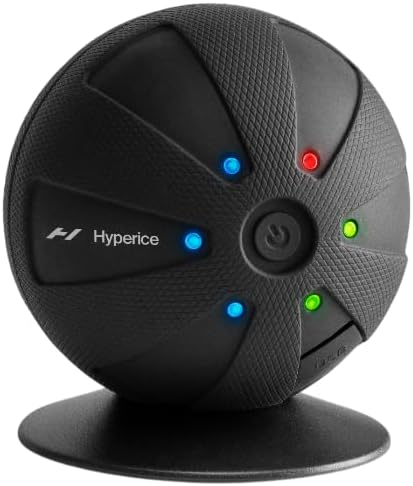
10. Hyperice Hypersphere Vibration Therapy Ball
This advanced option adds vibration therapy to traditional trigger-point work. It’s often used for deep muscle relaxation and faster recovery from chronic tightness.
Next steps
Choose one tool that matches your biggest stiffness trigger.
• If mornings feel tight → start with a yoga mat + stretch strap routine
• If tension builds during the day → try massage balls or foam rollers
• If stress holds in your body → consider acupressure mats for relaxation
Use your chosen tool for just 5–10 minutes daily. Consistency matters far more than intensity. Most people notice subtle improvements in flexibility, comfort, and movement ease within a few weeks.
Frequently Asked Questions
What causes stiffness after 40?
Common causes include reduced activity, muscle imbalances, stress tension, decreased collagen elasticity, and prolonged sitting habits.
Is foam rolling safe daily?
Yes ~ gentle rolling can be done daily. Avoid intense pressure on painful joints or injured areas.
How long does it take to improve mobility?
Many people notice reduced stiffness within 2–4 weeks of consistent gentle mobility routines.
Do you need to stretch every day?
Daily light movement helps most, but even 3–4 sessions weekly can significantly improve flexibility.
Which tool is best for beginners?
A thick yoga mat plus a soft foam roller is usually the most comfortable starting combination.
Can mobility tools help with back pain?
They can reduce muscle tension contributing to discomfort, but persistent pain should be evaluated by a professional.
If stiffness continues to worsen or interferes with daily activities, consider consulting a physical therapist for personalized guidance. Mobility tools support recovery ~ but they work best when paired with consistent movement habits.
Everlywell 360 Full Body Test – 83 Biomarkers
Get a complete, high-level view of your health with one at-home test. This comprehensive panel measures 83 biomarkers across key health systems so you can spot trends, risks, and imbalances early.
- ✔ 83 biomarkers across metabolic, heart, thyroid, hormone & nutrient health
- ✔ CLIA-certified lab analysis
- ✔ Physician-reviewed results with clear explanations
- ✔ Simple at-home blood sample
FSA/HSA eligible • Comprehensive full-body insights
Disclaimer
The information contained in this post is for general information purposes only. The information is provided by Home mobility essentials for stiffness after 40 and while we endeavor to keep the information up to date and correct, we make no representations or warranties of any kind, express or implied, about the completeness, accuracy, reliability, suitability or availability with respect to the website or the information, products, services, or related graphics contained on the post for any purpose.