
The idea that you might be unintentionally making protein intake harder than it needs to be can feel frustrating to consider. And I’m not saying you’re doing anything wrong. But if you’ve been trying to meet your protein needs through large meals alone, skipping shakes because they upset your stomach, or buying powders that taste chalky and go unused in your pantry, it’s important to realize that midlife bodies often benefit from a gentler, more strategic approach. You can’t always rely on appetite alone to maintain muscle after 40, but you can support strength, satiety, and recovery with protein options that digest comfortably and actually taste enjoyable.
Taking a closer look at your current habits might feel discouraging, especially if you’ve struggled with bloating, lactose sensitivity, or the feeling that protein shakes are “too heavy” or hard to tolerate. The suggestion that you might need a different protein type ~ like whey isolate, collagen, or plant-based blends ~ can feel overwhelming at first. But if you keep forcing yourself to drink powders that leave you uncomfortable or dissatisfied, you’ll eventually realize that choosing the right formula for digestion is often the missing piece.
I totally get how confusing it feels when you walk into the supplement aisle or browse online. There are hundreds of options, and labels promise everything from fat loss to anti-aging benefits. When you’ve tried a few that tasted unpleasant or caused stomach upset, buying another protein powder can feel risky.
That’s actually why the options below aren’t organized as a one-size-fits-all solution. Instead, they range from gentle whey isolates for easy digestion, to plant-based blends for sensitive stomachs, to collagen-focused options popular among women prioritizing joint and skin support alongside protein intake.
Here’s how this collection works. You’ll find smooth-mixing whey isolates designed to reduce bloating. You’ll discover plant proteins known for digestive comfort. And you’ll see collagen-based powders that many midlife women use for joint, hair, and skin support while still boosting protein intake.
Everlywell Women’s Hormone Test – At-Home Screening
Curious about your hormone balance during perimenopause, menstrual changes, or overall wellness? This at-home hormone panel gives insight into key markers that affect mood, cycles, metabolism, and more.
- ✔ Measures key hormones related to women’s health
- ✔ CLIA-certified lab analysis
- ✔ Physician-reviewed, easy-to-understand results
- ✔ Simple finger-prick blood sample from home
FSA/HSA eligible • Test from home • Personalized hormonal insights
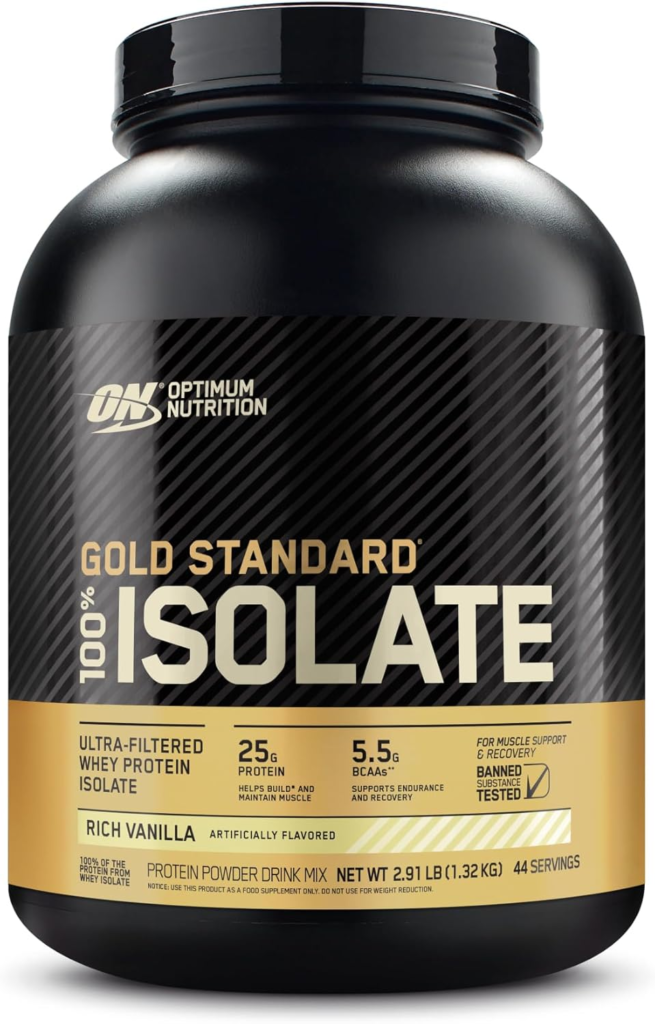
1. Optimum Nutrition Gold Standard 100% Isolate
This whey isolate is popular for its smooth texture and fast digestion. Because it contains minimal lactose, many women who experience bloating with regular whey find it much easier to tolerate. It mixes easily and is often chosen for post-workout recovery.
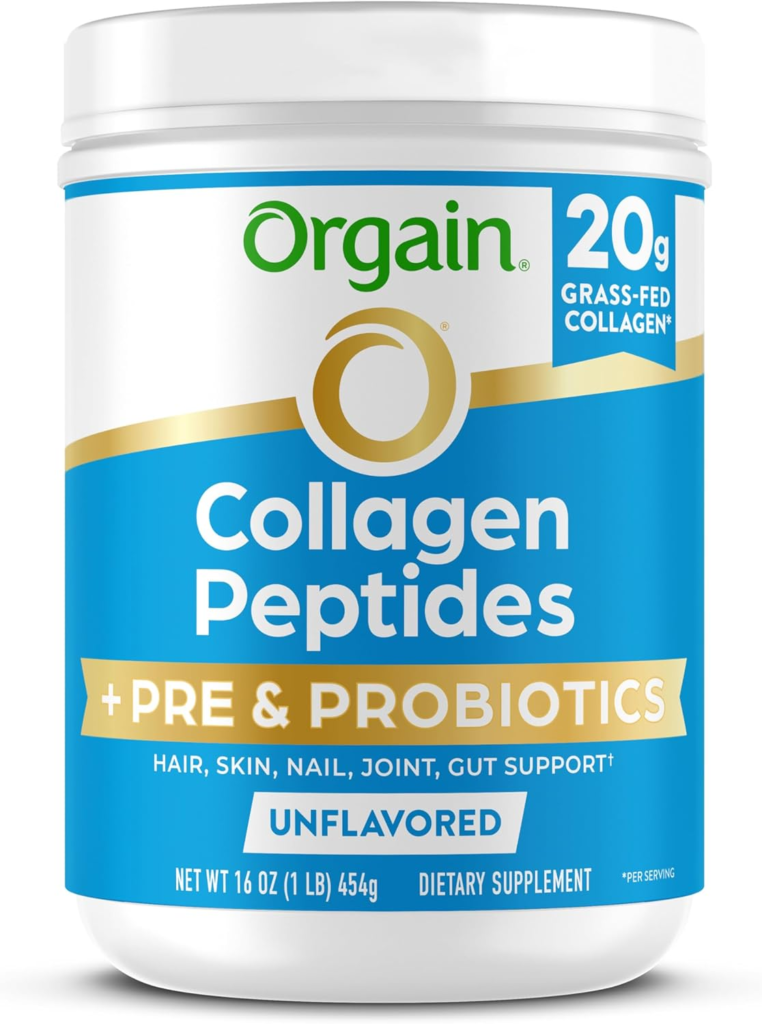
2. Orgain Hydrolyzed Collagen Peptides Powder
This collagen-focused option dissolves quickly in hot or cold drinks and is very gentle on digestion. It’s often used by women over 40 who want joint support alongside a simple protein boost without heaviness.
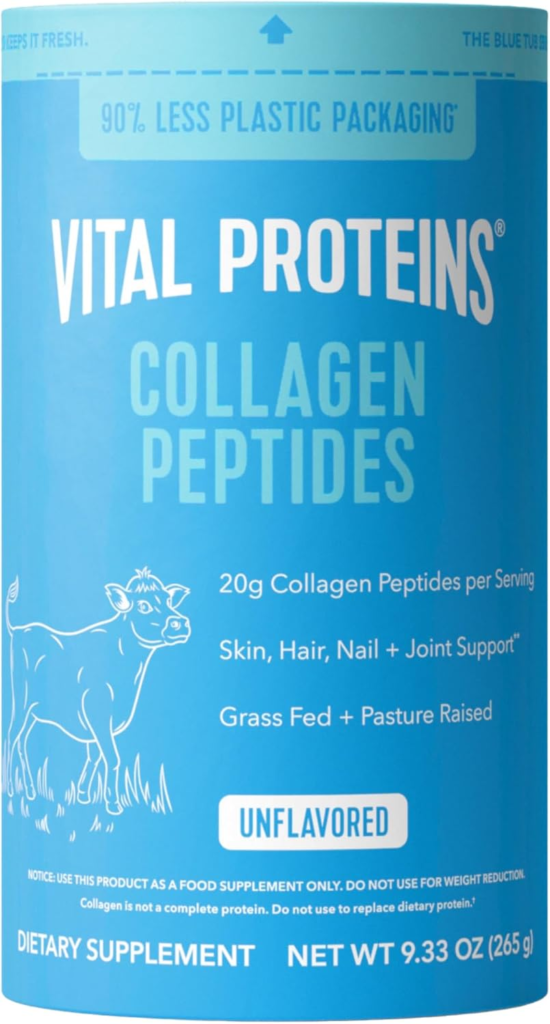
3. Vital Proteins Collagen Peptides
A widely used collagen powder known for neutral taste and versatility. Many midlife women add it to coffee or smoothies to support connective tissue health while increasing daily protein intake.
4. NOW Foods Organic Pea Protein
A single-ingredient plant protein that’s free from dairy, soy, and gluten. It’s often recommended for sensitive digestion and provides a simple, allergen-friendly protein option.
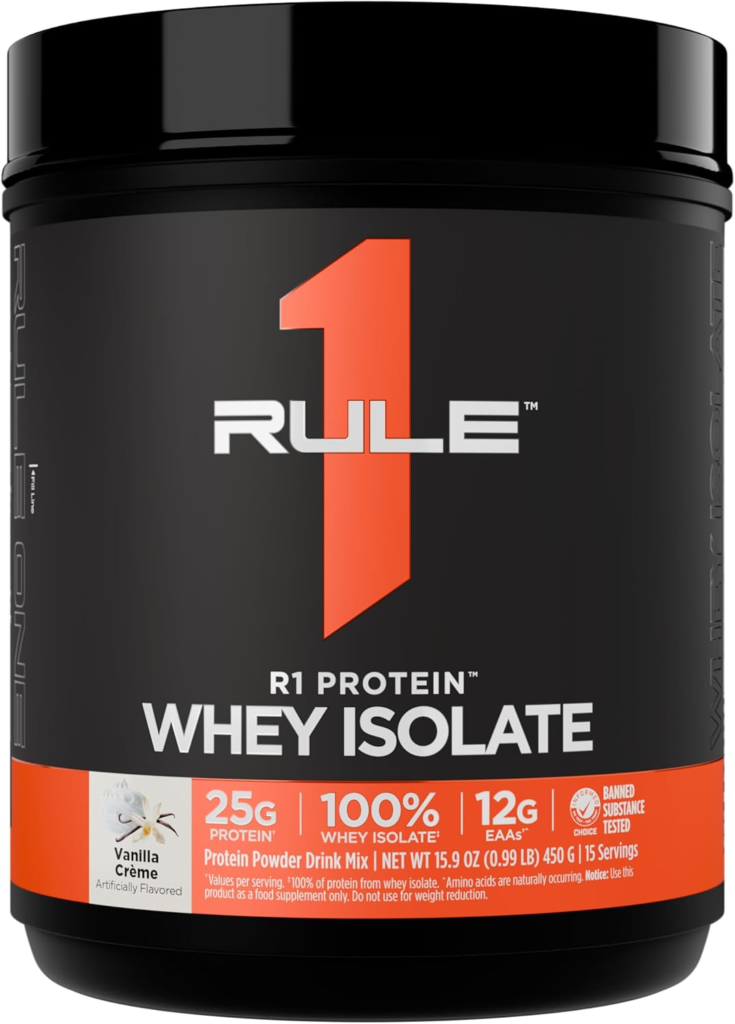
5. Rule 1 Whey Isolate Protein
This ultra-filtered whey isolate focuses on purity and low lactose content, making it another strong choice for women who want muscle-supporting protein without stomach discomfort.
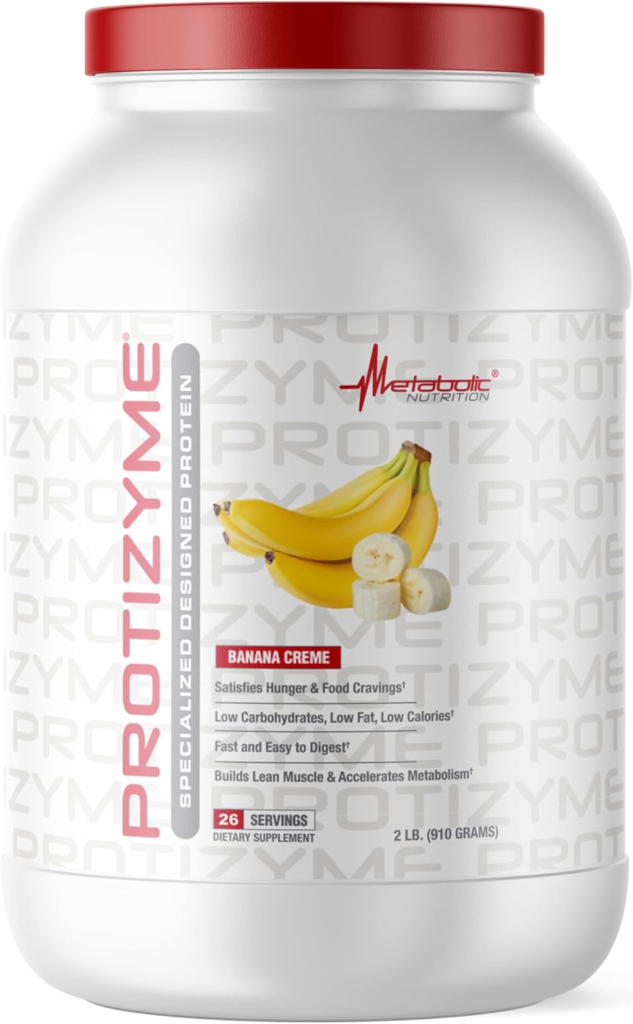
6. Metabolic Nutrition Protizyme
Known for including digestive enzymes, this blend is designed to improve absorption and reduce bloating ~ a helpful feature for women who struggle with protein shake digestion.
7. Healthy Options Organic Plant Protein
A plant-based blend that combines multiple protein sources for balanced amino acids. It’s popular among women seeking dairy-free options with smooth texture.
8. Healthy Options Grass-Fed Whey Protein
Made from grass-fed whey, this protein offers a simpler ingredient profile and smooth taste, appealing to women prioritizing clean nutrition.
9. FITDAY Plant Protein for Her
Formulated specifically for women, this blend includes probiotics and plant proteins aimed at digestion support and balanced nutrition.
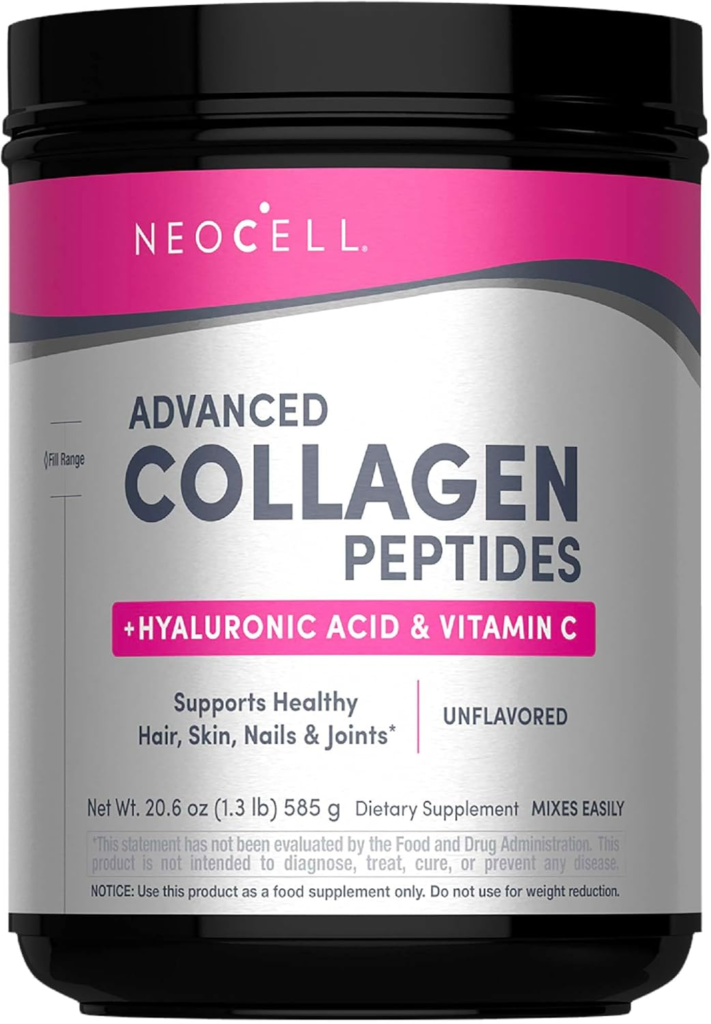
10. NeoCell Super Collagen Powder
A collagen supplement frequently used for joint and skin support that also contributes to daily protein intake without heaviness.
Next steps:
Choose one protein type that fits your biggest challenge right now.
If digestion is your main concern, try a whey isolate or plant-based option first. If joint support and skin health matter most, collagen powders can be an easy starting point.
Start slowly. Begin with half servings to assess tolerance, then gradually increase. Consistency matters more than quantity ~ even one daily shake can support muscle maintenance, energy levels, and recovery after workouts.
Over time, a gentle protein routine can help you feel stronger, more satisfied after meals, and more confident supporting your health after 40.
Frequently Asked Questions
How much protein do women over 40 need daily?
Many experts recommend roughly 1.0–1.2 grams of protein per kilogram of body weight for midlife women to support muscle maintenance and metabolism.
Which protein type is easiest to digest?
Whey isolate, collagen peptides, and pea protein are often considered the gentlest options, especially for people with lactose sensitivity.
Are plant proteins as effective as whey?
Yes. While whey absorbs faster, high-quality plant blends can provide similar muscle support when consumed consistently.
Can protein powders help with weight management?
They can support satiety and reduce cravings by helping stabilize blood sugar and keep you fuller between meals.
Is collagen a complete protein?
Collagen isn’t a complete protein because it lacks certain amino acids, but it’s still valuable for connective tissue support.
When is the best time to drink protein shakes?
Any time you struggle to meet protein needs ~ commonly after workouts, at breakfast, or between meals.
Do protein powders cause bloating?
Some can, especially those with lactose or artificial sweeteners. Choosing isolates, plant proteins, or enzyme-enhanced formulas can help reduce discomfort.
Everlywell Women’s Hormone Test – At-Home Screening
Curious about your hormone balance during perimenopause, menstrual changes, or overall wellness? This at-home hormone panel gives insight into key markers that affect mood, cycles, metabolism, and more.
- ✔ Measures key hormones related to women’s health
- ✔ CLIA-certified lab analysis
- ✔ Physician-reviewed, easy-to-understand results
- ✔ Simple finger-prick blood sample from home
FSA/HSA eligible • Test from home • Personalized hormonal insights
Disclaimer
The information contained in this post is for general information purposes only. The information is provided by Best protein powders for women 40+ (taste + digestion) and while we endeavor to keep the information up to date and correct, we make no representations or warranties of any kind, express or implied, about the completeness, accuracy, reliability, suitability or availability with respect to the website or the information, products, services, or related graphics contained on the post for any purpose.