As the calendar flips to a new year, many women set their sights on ambitious fitness goals. Whether you’re aiming to build lean muscle, shed a few pounds, or simply boost your overall health, protein powders can be a powerful ally in your fitness arsenal.
But with countless options lining store shelves and flooding online marketplaces, choosing the right one can feel overwhelming.
Let’s cut through the noise and explore the top protein powders that can help women achieve their New Year fitness resolutions.
Why Protein Powders Matter for Women’s Fitness
Protein is the cornerstone of muscle development and repair. It plays a crucial role in recovery after workouts, supports a healthy metabolism, and aids in weight management.
For women looking to tone up, build strength, or lose fat, consuming adequate protein is essential.
Many women struggle to meet their protein needs through diet alone, especially those following plant-based or calorie-restricted eating plans. Protein powders offer a convenient and versatile solution to bridge this nutritional gap.
They’re easy to incorporate into smoothies, baked goods, or even as a simple shake, making it simpler to hit daily protein targets.
Choosing the Right Protein Powder
Selecting the ideal protein powder involves considering several factors:
- Dietary preferences: Are you vegan, lactose intolerant, or following a specific diet plan?
- Fitness goals: Are you focused on muscle gain, fat loss, or general health?
- Allergies and sensitivities: Do you need to avoid common allergens like soy or dairy?
- Taste and texture preferences: Some powders blend more smoothly or have a more appealing flavor profile.
Let’s break down the main types of protein powders you’ll encounter:
Whey Protein
Derived from milk, whey protein is a fast-absorbing option rich in essential amino acids. It’s particularly effective for muscle recovery and growth, making it a popular choice for post-workout shakes.
Whey protein comes in several forms:
- Whey concentrate: Contains some lactose and fat, but is generally more affordable.
- Whey isolate: Undergoes additional processing to remove most lactose and fat, resulting in a higher protein content.
- Whey hydrolysate: Pre-digested for even faster absorption, but often more expensive.
Casein Protein
Also derived from milk, casein protein digests more slowly than whey. This gradual release of amino acids makes it ideal for consumption before bed or between meals when you want sustained protein availability.
Casein can help prevent muscle breakdown and support lean muscle maintenance.
Plant-Based Proteins
For vegans, those with dairy sensitivities, or anyone looking to diversify their protein sources, plant-based options have come a long way in taste and effectiveness. Common types include:
- Pea protein: High in branched-chain amino acids (BCAAs) and easily digestible.
- Hemp protein: Contains omega-3 fatty acids and fiber, but lower in total protein content.
- Brown rice protein: Hypoallergenic and easily digestible, often combined with other plant proteins for a finish amino acid profile.
- Soy protein: A finish protein source, though some women prefer to limit soy intake.
Collagen Peptides
While not a finish protein, collagen supplements have gained popularity for their potential benefits for skin, hair, nail, and joint health. Collagen can be a useful addition to a protein routine, especially for women concerned with skin elasticity and joint support as they age and engage in more intense workouts.
Top Protein Powders for Women
Now that we’ve covered the basics, let’s dive into some top-rated protein powders that can help you crush your New Year fitness goals:
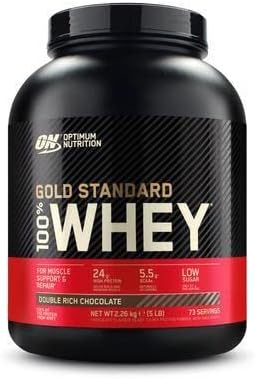
1. Optimum Nutrition 100% Whey Gold Standard
Optimum Nutrition 100% Whey Gold Standard whey has earned its reputation as a go-to protein powder for good reason. With 24 grams of protein per serving, it’s an excellent option for muscle recovery and growth.
The powder is low in carbs and fat, making it suitable for various dietary needs.
Key Features:
- Fast-absorbing whey isolate as the primary ingredient
- Available in a wide range of flavors
- Mixes easily with water or milk
- Third-party tested for quality and purity
Best For: Women looking for a reliable, high-quality whey protein for post-workout recovery or general protein supplementation.
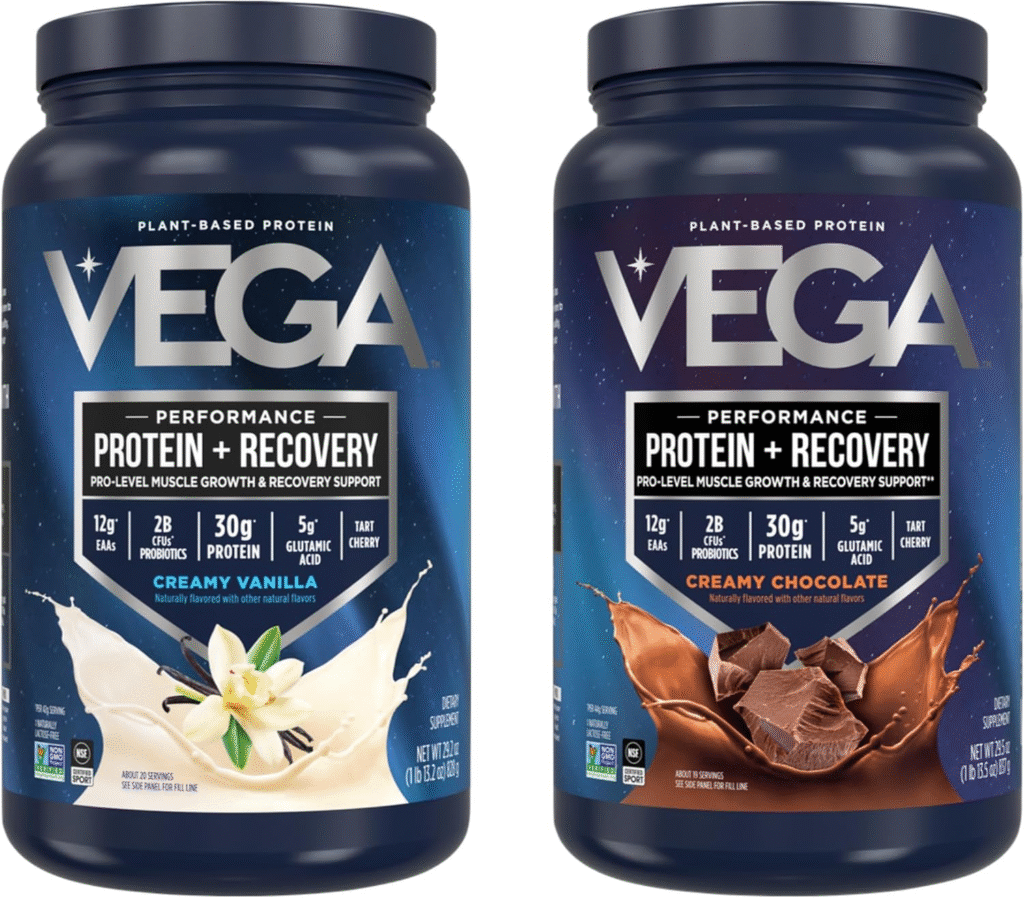
2. Vega Sport Premium Protein
For plant-based fitness enthusiasts, Vega Sport offers a finish protein powder that doesn’t skimp on nutrition. Each serving provides 30 grams of protein from a blend of pea, pumpkin seed, sunflower seed, and alfalfa proteins.
This combination confirms a full amino acid profile comparable to animal-based proteins.
Key Features:
- Includes tart cherry for recovery support
- Contains probiotics for gut health
- No artificial flavors or sweeteners
- NSF Certified for Sport
Best For: Vegan women or those looking to incorporate more plant-based options into their diet without sacrificing protein quality.
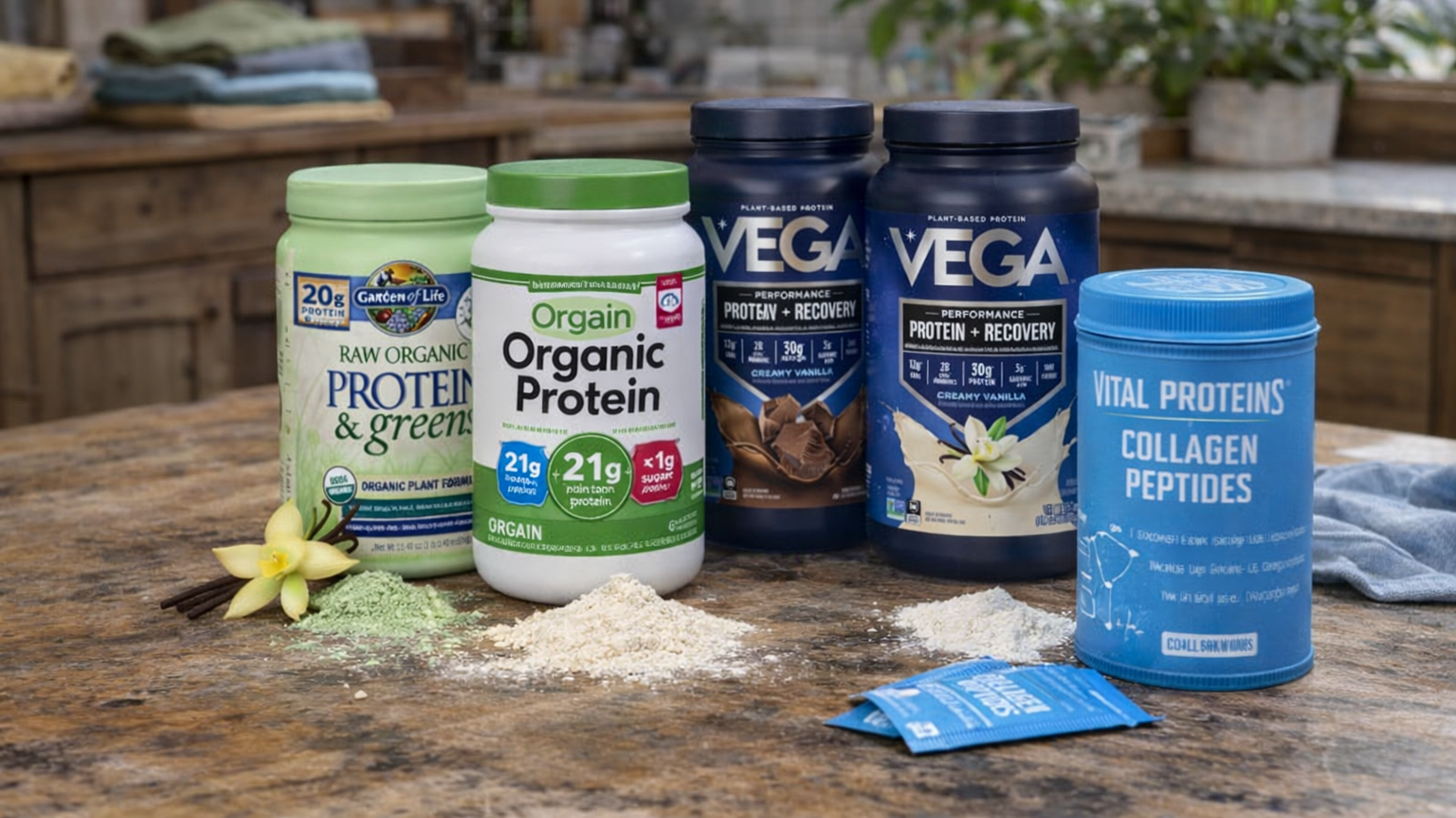
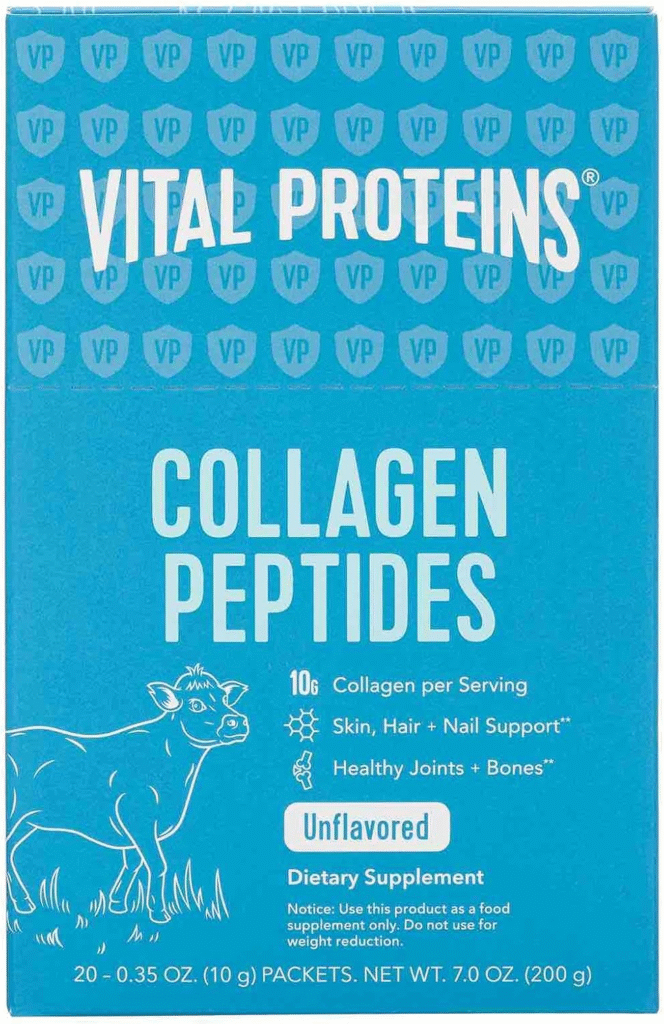
3. Vital Proteins Collagen Peptides
While not a finish protein source, Vital Proteins Collagen Peptides can be a valuable addition to your supplement routine. This unflavored powder dissolves easily in hot or cold liquids, making it versatile for use in coffee, smoothies, or even baked goods.
Key Features:
- Supports skin elasticity and joint health
- May promote stronger hair and nails
- Sourced from grass-fed, pasture-raised bovine
- Contains hyaluronic acid and vitamin C for added benefits
Best For: Women looking to support skin, hair, nail, and joint health alongside their fitness goals, particularly those over 30.
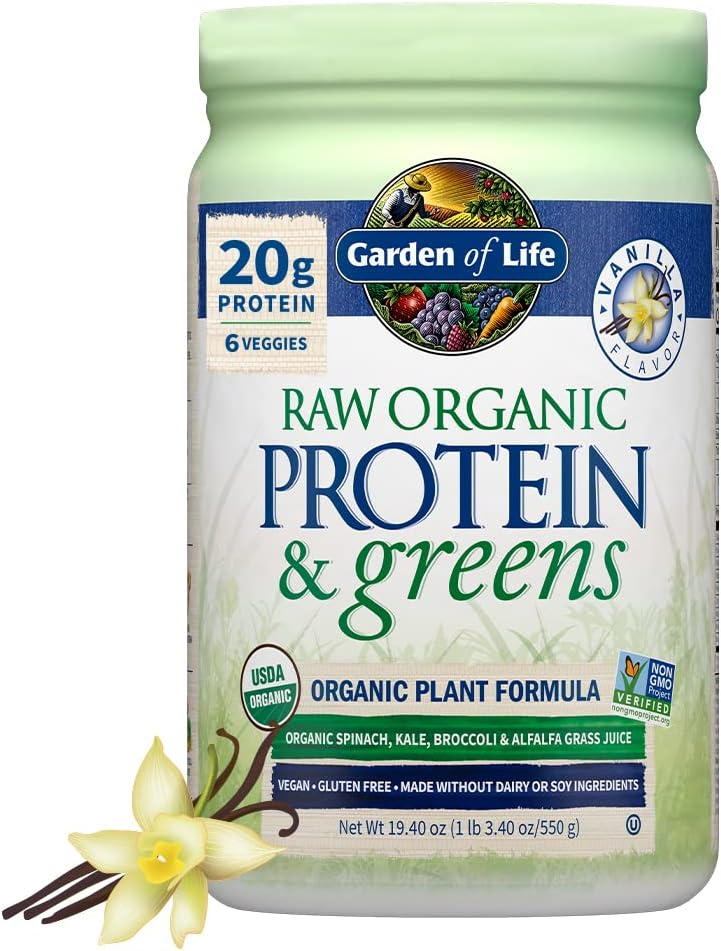
4. Garden of Life Raw Organic Protein & Greens Vanilla
For women who prioritize organic, whole-food ingredients, Garden of Life Raw Organic Protein & Greens Vanilla is an excellent choice. This plant-based powder provides 22 grams of protein per serving and includes a blend of sprouted proteins for improved digestibility.
Key Features:
- USDA Organic and Non-GMO Project Verified
- Contains live probiotics and enzymes
- Includes vitamins and minerals from organic fruits and vegetables
- Free from common allergens like soy and dairy
Best For: Health-conscious women seeking a clean, organic protein option with added nutritional benefits.
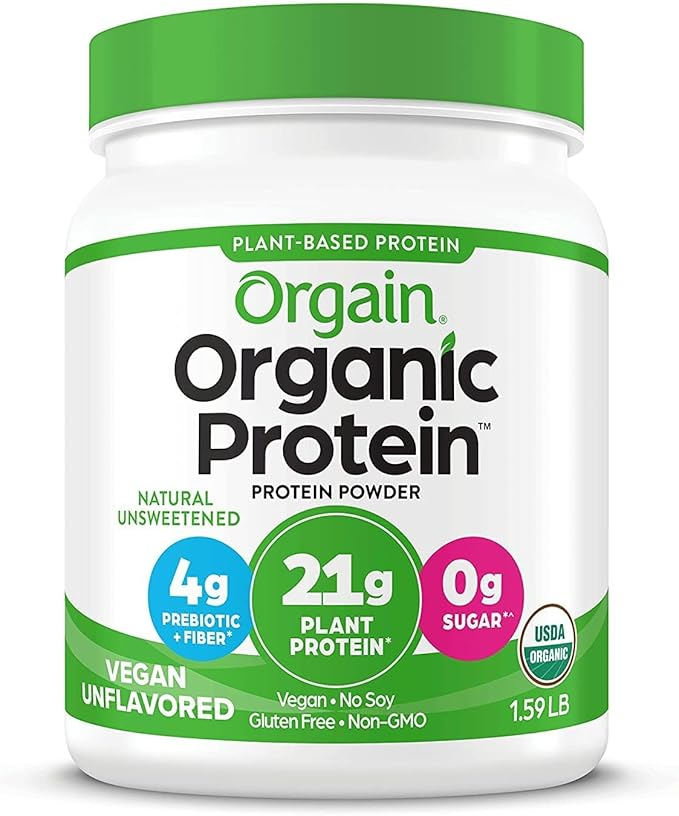
5. Orgain Organic Unflavored Vegan Protein Powder
Orgain’s plant-based protein powder is a great all-rounder, especially for those new to protein supplements. It offers 21 grams of protein per serving and has a creamy texture that works well in smoothies or baked goods.
Key Features:
- Organic and vegan-friendly
- Contains a blend of pea, brown rice, and chia seed proteins
- Includes organic fiber for digestive health
- Available in several flavors, including unflavored
Best For: Women looking for a versatile, plant-based protein powder that’s easy to incorporate into various recipes.
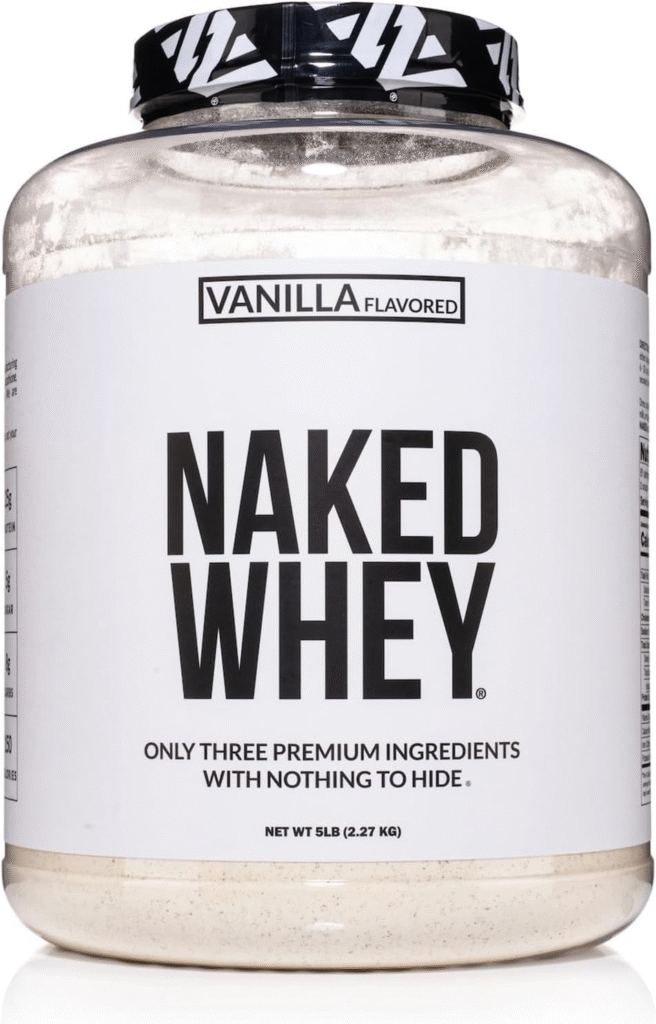
6. NAKED Vanilla Whey Protein Powder
For those who prefer minimal ingredients, NAKED Vanilla Whey Protein Powder is hard to beat. This product contains just one ingredient: grass-fed whey protein concentrate.
There are no artificial sweeteners, flavors, or colors, making it one of the cleanest protein powders available.
Key Features:
- Sourced from small dairy farms in California
- Cold processed to avoid contamination
- High in naturally occurring BCAAs
- Third-party tested for heavy metals and contaminants
Best For: Women who want a pure protein source without any additives, ideal for people who have sensitive stomachs or those following a clean eating regimen.
How to Incorporate Protein Powder into Your Routine
Now that we’ve covered some top protein powders, let’s explore effective ways to use them:
Post-Workout Recovery
Consuming protein within 30 minutes after your workout can help jumpstart muscle recovery and growth. Mix your chosen protein powder with water or milk for a quick and easy shake.
For added nutrients, blend with frozen fruit and a handful of spinach for a finish post-workout meal.
Breakfast Boost
Start your day strong by adding a scoop of protein powder to your morning routine. Stir it into oatmeal, blend it into a smoothie bowl, or use it to make protein-packed pancakes.
This extra protein can help keep you full and energized throughout the morning.
Healthy Baking
Get creative in the kitchen by using protein powder in your baking recipes. You can make protein muffins, energy balls, or even add a scoop to your favorite banana bread recipe for a nutritional boost.
This is a great way to satisfy sweet cravings while supporting your fitness goals.
On-the-Go Snacking
When you’re pressed for time, a quick protein shake can serve as a nutritious snack to keep you full between meals. Keep a shaker bottle and single-serving packets of protein powder in your gym bag or at work for convenient refueling.
Pre-Bedtime Nutrition
If you’re looking to support muscle recovery overnight, consider having a slow-digesting protein like casein before bed. Mix it with a small amount of Greek yogurt or milk for a satisfying, protein-rich nighttime snack.
While protein powders are a convenient tool, they should supplement a balanced diet, not replace whole foods entirely. Aim to get the majority of your nutrients from a variety of whole food sources, using protein powder to fill in the gaps as needed.
Potential Challenges and How to Overcome Them
Some women may experience bloating or digestive discomfort when starting with protein powders. If this happens to you, try these strategies:
- Start small: Begin with half the recommended serving size and gradually increase as your body adjusts.
- Hydrate well: Drink plenty of water throughout the day, especially when increasing your protein intake.
- Choose easily digestible options: If whey causes issues, try a whey isolate or switch to a plant-based protein powder.
- Mix thoroughly: Use a blender or shaker bottle to confirm the powder is fully dissolved, reducing the risk of digestive upset.
- Timing matters: Experiment with consuming your protein shake at different times relative to your workouts to see what works best for your body.
- Consider digestive enzymes: Some protein powders include digestive enzymes, or you can take them separately to aid in protein digestion.
Adapting Your Protein Powder Use to Your Fitness Journey
As your fitness goals evolve, so should your protein powder usage. Here’s how to adjust based on common goals:
Building Muscle
If you’re in a muscle-building phase, you might increase your overall protein intake. Aim for 1.6 to 2.2 grams of protein per kilogram of body weight daily.
Use a fast-absorbing protein like whey immediately after workouts and consider adding a casein shake before bed to support overnight muscle recovery.
Weight Loss
During a cutting phase, opt for a lower-calorie protein powder and focus on using it to replace higher-calorie snacks or to boost the protein content of meals without adding significant calories. Plant-based proteins or whey isolates can be good options here.
Maintenance and Overall Health
For general health and maintaining your current physique, a balanced approach works best. Use protein powder to supplement your diet as needed, focusing on whole food sources for the majority of your protein intake.
Recovery and Injury Prevention
If you’re increasing your training intensity or recovering from an injury, consider adding collagen peptides to your routine in addition to your regular protein powder. This can support joint health and connective tissue repair.
Always listen to your body and adjust your protein intake and timing accordingly. If you’re unsure about the right approach for your specific goals, consider consulting with a registered dietitian or certified nutritionist who specializes in sports nutrition.
Frequently Asked Questions
What is the best protein powder for women?
The best protein powder for women depends on person needs and goals. Whey protein is excellent for muscle building and recovery, while plant-based options like pea or hemp protein are great for vegans or those with dairy sensitivities.
How much protein powder should a woman take daily?
The amount of protein powder a woman should take daily varies based on factors like body weight, activity level, and fitness goals. Generally, aim for 1.2 to 2.2 grams of protein per kilogram of body weight daily from all sources, including protein powder.
Can protein powder help with fat loss?
Protein powder can support fat loss by increasing feelings of fullness, boosting metabolism, and helping maintain muscle mass during calorie restriction. However, it should be used as part of a balanced diet and exercise plan.
Is whey or plant-based protein better for women?
Both whey and plant-based proteins can be effective for women. Whey is quickly absorbed and rich in essential amino acids, while plant-based proteins are suitable for vegans and often contain additional nutrients.
The choice depends on dietary preferences and person needs.
When is the best time to take protein powder?
The best time to take protein powder depends on your goals. For muscle building, consuming protein within 30 minutes after a workout can be beneficial.
For general nutrition, protein powder can be taken at any time to supplement your diet.
Can protein powder cause bloating?
Some people may experience bloating when starting to use protein powder. This can often be mitigated by starting with smaller doses, staying well-hydrated, or trying different types of protein powder that may be easier to digest.
Are there any side effects of taking protein powder?
Most women tolerate protein powder well, but potential side effects can include digestive discomfort, bloating, or headaches if consumed in excess. Always follow recommended serving sizes and ask with a healthcare provider if you have concerns.
How long does it take to see results from using protein powder?
Results from using protein powder vary depending on factors like diet, exercise routine, and person metabolism. Some women may notice improvements in muscle recovery within a few weeks, while changes in body composition may take several months of consistent use combined with proper nutrition and exercise.
Can vegetarians and vegans use protein powder?
Yes, there are many plant-based protein powders available for vegetarians and vegans, including pea, hemp, rice, and soy protein options. These can provide finish protein profiles comparable to animal-based proteins.
Does protein powder expire?
Protein powder typically has a long shelf life but can expire. Check the expiration date on the package and store it in a cool, dry place.
Expired protein powder may lose its effectiveness and could potentially cause digestive issues if consumed.
Key Takeaways
- Protein powders can be a valuable tool for women looking to achieve their New Year fitness goals, supporting muscle growth, recovery, and overall health.
- Choose a protein powder that aligns with your dietary needs, preferences, and fitness goals.
Options range from whey and casein to various plant-based proteins.
- Incorporate protein powder into your daily routine through post-workout shakes, breakfast boosts, baking, and on-the-go snacks.
- Start with a high-quality product and adjust your usage as your fitness journey progresses.
Listen to your body and make changes as needed.
- Remember that protein powders supplement a healthy diet – they don’t replace whole foods.
Focus on a balanced approach to nutrition for the best results.
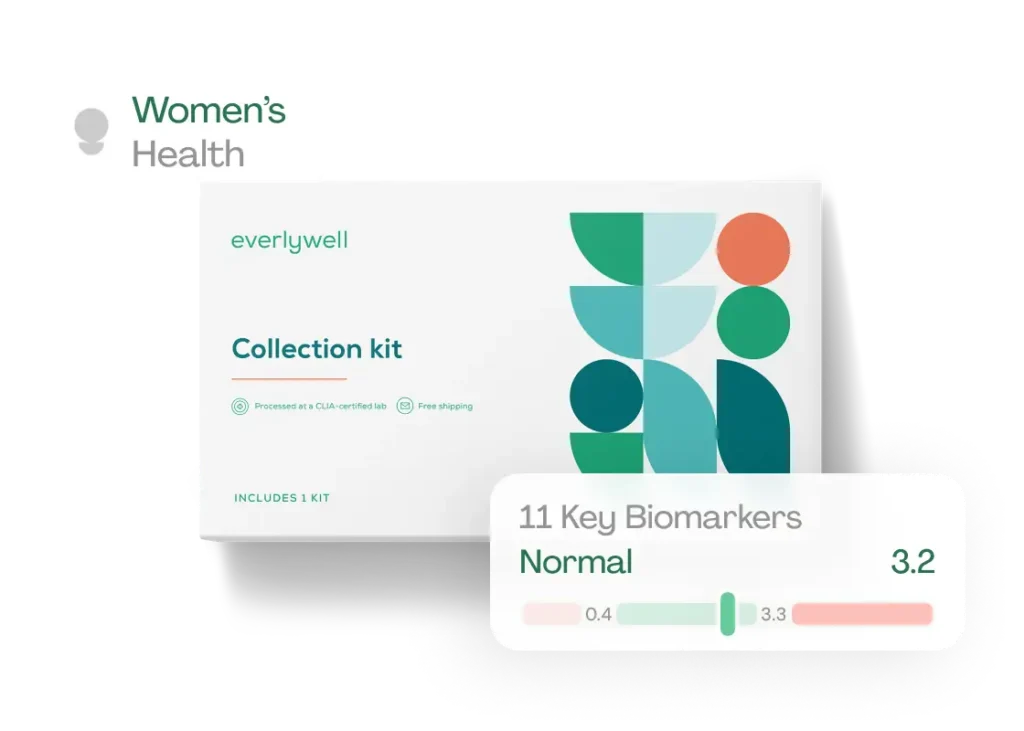
Try this product: At-Home Women’s Health Test for Hormones & Wellness
Find out our Recommended Electrolyte Powders for Women; visit: https://www.vitalwomenwellness.com/best-electrolyte-powders-for-women-stay-hydrated-and-cramp-free-in-the-heat/
Disclaimer
The information contained in this post is for general information purposes only. The information is provided by Best Protein Powders for Women to Crush Their New Year Fitness Goals and while we endeavor to keep the information up to date and correct, we make no representations or warranties of any kind, express or implied, about the completeness, accuracy, reliability, suitability or availability with respect to the website or the information, products, services, or related graphics contained on the post for any purpose.