

At-home health testing has significantly expanded access to preventive care, making it possible to monitor key health markers without navigating traditional healthcare system barriers. The Everlywell Cholesterol and Lipids Test is designed to make cardiovascular monitoring more accessible by allowing users to collect a blood sample at home and send it to a certified laboratory for analysis.
This model eliminates the need for advance scheduling, time off work, and in-office lab visits, offering a streamlined alternative to traditional lipid testing. The appeal lies not only in convenience, but also in the potential for more frequent monitoring—an important consideration for long-term cardiovascular risk management.
For women navigating perimenopause and related metabolic changes, regular access to cholesterol testing can be especially relevant. Hormonal fluctuations during this life stage often influence lipid levels, and easier testing can help identify trends that might otherwise go unnoticed between annual physicals.
The key question is whether at-home cholesterol tests deliver information that is sufficiently accurate and clinically useful compared to traditional lab work—and whether the trade-offs involved in self-collection and independent testing are appropriate for different health needs and risk profiles.
Everlywell Cholesterol Test: Who Benefits Most?
Use the sections below to decide whether at-home cholesterol testing fits your health goals — and when traditional lab work still matters.
- Tracking cholesterol trends during perimenopause
- Monitoring lifestyle changes (diet, exercise, weight loss)
- Testing between doctor visits
- High-deductible plans or no insurance
- Limited access to labs or tight schedules
This test works best for screening and trend tracking, not diagnosis.
- First-time cholesterol testing
- Known cardiovascular disease
- Medication management (e.g., statins)
- Need for fasting lipid panels
- Advanced markers (ApoB, Lp(a), particle size)
In these cases, physician-directed testing provides better clinical context.
- Total Cholesterol — overall circulating cholesterol
- LDL — increases during estrogen decline
- HDL — protective cholesterol
- Triglycerides — sensitive to diet & metabolism
- Total / HDL Ratio — overall cardiovascular risk balance
The ratio often provides more insight than total cholesterol alone.
This test uses capillary blood collected via finger prick. Results generally correlate well with venous draws for screening.
- No fasting required
- CLIA-certified lab analysis
- Accuracy depends on proper sample collection
- Borderline results may warrant confirmation
Understanding What the Test Actually Measures
The Everlywell Cholesterol and Lipids Test analyzes five key biomarkers that paint a comprehensive picture of your cardiovascular health. Each measurement tells you something specific about how your body processes and transports fats through your bloodstream.
Total cholesterol gives you the overall amount of cholesterol circulating in your blood. This number alone doesn’t tell the whole story.
What really matters is how that total breaks down into different types and how they relate to each other.
LDL cholesterol (low-density lipoprotein) is what most people think of as “bad” cholesterol, though that’s oversimplified. LDL carries cholesterol to your arteries, and when levels get too high, it contributes to plaque buildup. For women going through perimenopause, LDL levels often increase as estrogen levels decline.
Estrogen has a protective effect on cholesterol metabolism, so losing that protection creates measurable changes in your lipid profile.
HDL cholesterol (high-density lipoprotein) works in the opposite direction, carrying cholesterol away from your arteries back to your liver for processing. Higher HDL levels are generally protective against heart disease.
The ratio between your total cholesterol and HDL is actually more informative than looking at total cholesterol alone.
Someone with high total cholesterol and very high HDL is in a completely different situation than someone with high total cholesterol and low HDL.
Triglycerides are a type of fat found in your blood that your body uses for energy. Elevated triglycerides often show metabolic issues, and they’re particularly responsive to dietary changes.
High triglyceride levels combined with high LDL and low HDL create a particularly concerning profile for cardiovascular risk.
The total cholesterol to HDL ratio is calculated from your results and provides insight into your overall cardiovascular risk. A lower ratio shows a healthier balance, while higher ratios suggest greater risk.
This metric is especially useful because it contextualizes your total cholesterol number in a meaningful way.
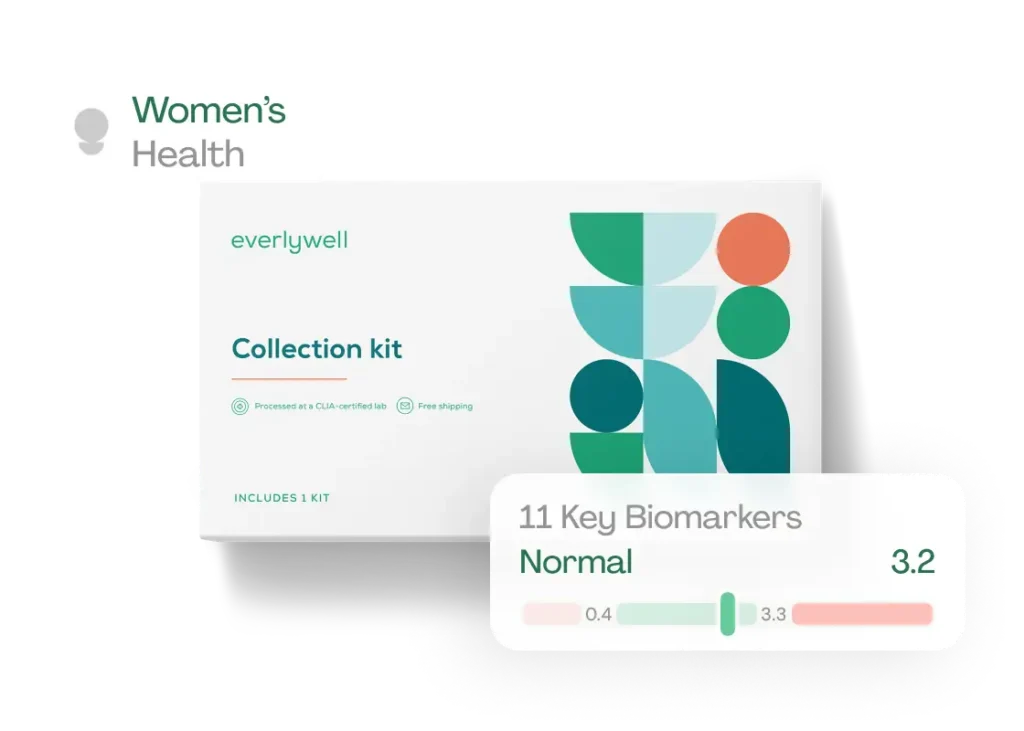
Check out this product: Everlywell’s Women’s Health Test
How the Testing Process Works
The kit arrives at your door with everything you need: lancets for the finger prick, a collection card, a protective sleeve, and a prepaid return envelope. The instructions are straightforward, though there’s definitely a learning curve if you’ve never done a finger-prick test before.
One significant advantage of this particular test is that it doesn’t require fasting. Traditional cholesterol testing at a doctor’s office typically needs an 8-12 hour fast, which means scheduling morning appointments and skipping breakfast.
Everlywell’s methodology allows for non-fasting samples, which is genuinely more convenient.
There’s some debate in the medical community about whether non-fasting tests provide results that are directly comparable to fasting tests, but for most screening purposes, the non-fasting approach works well.
The actual collection process involves pricking your finger with the lancet and collecting several drops of blood on the collection card. You’ll want to make sure you get enough blood.
Inadequate samples are the most common reason for test failures.
Warming your hands before collection, staying well-hydrated, and letting your arm hang down to increase blood flow to your fingers all help ensure you get enough sample.
Once you’ve collected your sample, you mail it back in the prepaid envelope. The blood sample goes to a CLIA-certified laboratory, which is the same certification standard that traditional medical labs must meet.
This certification means the lab follows strict quality control procedures and regulatory standards.
Results typically arrive within a few days of the lab receiving your sample. They’re delivered through a secure online portal where you’ll see your numerical results for each biomarker along with reference ranges that show whether your levels fall within normal, borderline, or high categories.
A physician reviews your results and provides some medical context, though this review is fairly brief and general as opposed to deeply personalized.
What Makes This Test Different from Traditional Lab Work
The primary distinction is obviously convenience. You’re collecting the sample yourself at home as opposed to having a phlebotomist draw blood at a medical facility.
This difference introduces both advantages and potential complications.
The sample collection method uses capillary blood from a finger prick as opposed to venous blood drawn from your arm. Research shows that capillary blood samples generally correlate well with venous samples for cholesterol testing, though there can be slight variations.
These variations are typically within an acceptable range for screening purposes.
If you’re on the borderline between normal and high for any measurement, there might be value in confirming with a traditional venous draw. Small variations in testing methodology can make the difference between borderline and clearly normal or clearly abnormal.
You’re initiating this testing independently as opposed to as part of a doctor’s visit. This can be empowering because you’re taking control of your health monitoring without waiting for an annual physical.
However, it also means you need to be proactive about interpreting results and seeking follow-up care if needed.
The physician review that comes with your results provides some medical context, but it’s not the same as sitting down with your primary care doctor, who knows your full medical history. The reviewing physician can identify concerning results and recommend follow-up, but they don’t have access to your previous test results, family history, or other health conditions that might affect interpretation.
They’re looking at this single snapshot of data without the broader context of your health.
Price Considerations and Value Assessment
The test costs $49, which positions it in the middle range for at-home health testing. To put this in context, a traditional lipid panel at a medical facility might cost anywhere from $40 to $200 or more, depending on your insurance coverage, whether you’ve met your deductible, and which lab processes the test.
For someone with good insurance coverage who hasn’t met their deductible, a traditional lab test might cost less out of pocket. For someone without insurance or with high-deductible plans, the $49 flat rate can actually be more affordable than going through the traditional healthcare system.
The predictable pricing is appealing because you know exactly what you’re paying upfront without worrying about surprise bills arriving weeks later.
The value proposition extends beyond just the monetary cost. When you factor in time off work, transportation to a medical facility, and the general hassle of navigating the healthcare system, the convenience has real value.
For busy professionals or people in rural areas without easy access to testing facilities, that convenience might be worth considerably more than the difference in dollar cost.
Everlywell periodically offers discounts and occasionally runs promotions, so the actual price you pay might be lower than the list price. They also offer memberships that provide discounts on many tests if you’re planning to test regularly.
Accuracy and Reliability Concerns
The question of accuracy comes up often with at-home testing. Several factors influence how reliable your results will be.
The laboratories that process Everlywell tests are CLIA-certified and CAP-accredited, which means they meet the same regulatory standards as hospital and commercial labs. The actual laboratory analysis, once your sample arrives, uses the same equipment and methodologies as traditional labs.
The difference lies primarily in the sample collection method and the pre-analytical variables that can affect sample quality.
Inadequate sample collection is probably the biggest source of potential error. If you don’t collect enough blood, or if the sample gets contaminated, or if it sits in a hot mailbox for too long before making it to the lab, the results might not be accurate.
Everlywell has systems in place to reject inadequate samples as opposed to running potentially inaccurate tests, but that means you might occasionally need to ask a replacement kit.
Temperature exposure during shipping is another consideration. Blood samples are fairly stable, but extreme temperatures can potentially affect results.
Shipping during very hot summer months or very cold winter conditions introduces some risk, though Everlywell’s packaging is designed to provide some temperature protection.
The non-fasting methodology, while convenient, does introduce some variability. Recent food intake can temporarily elevate triglycerides, which might make your results look worse than they actually are.
For most people, this isn’t a major issue, but if you’ve just eaten a particularly fatty meal before testing, your triglyceride numbers might be artificially elevated.
Real User Experiences and Common Feedback Patterns
Reviews of the Everlywell Cholesterol and Lipids Test reveal consistent patterns in user experiences. Many people appreciate the convenience and privacy of testing at home, particularly those who have anxiety about medical settings or find it difficult to schedule appointments during business hours.
The ease of the actual process gets mixed reviews. Some users find the finger prick and blood collection straightforward, while others struggle to get adequate blood flow.
People with cold hands or circulation issues sometimes have difficulty collecting enough blood, which can lead to frustration and occasionally failed tests requiring replacement kits.
The clarity of results presentation generally receives positive feedback. The online portal displays results in an easy-to-understand format with color coding and explanations of what each biomarker means.
The physician review provides some extra context, though the depth of interpretation varies.
Some users express disappointment that the physician review doesn’t provide more detailed recommendations beyond suggesting follow-up with a primary care doctor if results are concerning. The review confirms whether results are within normal ranges and identifies areas of concern, but it doesn’t substitute for comprehensive medical advice tailored to your specific situation.
A number of users specifically mention using the test as a follow-up to previous abnormal results or as a way to watch progress after making lifestyle changes. For tracking trends over time, the consistent methodology and easy reordering make it useful, though you’ll want to consider whether the non-fasting method might introduce variability that makes comparison difficult if you’re testing at different times relative to meals.
Practical Challenges and How to Address Them
Getting enough blood from the finger prick is the most commonly reported challenge. To improve your success rate, wash your hands in warm water before starting.
Do some light exercise like jumping jacks to increase circulation.
Keep your hand below heart level during collection, and massage your finger firmly from palm to tip to encourage blood flow. Some people find that pricking the side of the fingertip as opposed to the pad produces better blood flow.
Timing your test appropriately needs some thought. While the non-fasting feature is convenient, if you want results that are most comparable to traditional fasting lipid panels, consider testing in the morning before eating.
If you’re more interested in tracking consistent trends over time, test at the same time of day with similar recent food intake each time.
Understanding when to retest depends on your results and your health goals. If your results are well within normal ranges and you have no risk factors, annual testing is probably enough.
If you’re making lifestyle changes to improve your lipid profile or if you had borderline or high results, testing every three to six months can help you track progress and see whether your interventions are working.
Interpreting borderline results needs some nuance. If your numbers are right at the edge of normal ranges, consider confirming with traditional lab work, especially if the results would influence treatment decisions.
You want to be confident in the results before making significant health decisions.
When At-Home Testing Makes the Most Sense
This type of testing is particularly valuable for specific situations. If you’re making dietary or lifestyle changes aimed at improving your cholesterol levels, frequent testing helps you see whether your efforts are working without the hassle of repeated doctor visits.
The feedback loop is really valuable because you make changes, test after a few months, and see goal results.
For women experiencing perimenopause, when hormonal changes can affect lipid metabolism, more frequent monitoring makes sense. Your cholesterol profile might change fairly rapidly during this period, and catching unfavorable trends early allows for earlier intervention.
If you have risk factors for cardiovascular disease, like family history, previous high cholesterol, obesity, diabetes, or smoking, regular monitoring is important. At-home testing removes barriers that might otherwise prevent you from testing as often as you should.
Privacy is another consideration. Some people prefer the discretion of at-home testing as opposed to having results go through their regular healthcare system.
If you’re testing for informational purposes and don’t need the results for insurance or medical records, at-home testing provides that option.
Where Traditional Lab Work Still Has Advantages
There are definitely situations where traditional medical facility testing is preferable. If you’ve never had your cholesterol checked before, starting with traditional lab work through your healthcare provider establishes a baseline in your medical records and ensures your doctor is aware of your results and can provide a comprehensive interpretation in the context of your overall health.
If you need fasting lipid panels specifically, some medical situations and guidelines still call for fasting tests. The Everlywell non-fasting methodology doesn’t substitute directly.
While non-fasting tests are increasingly accepted, there are still contexts where fasting values are considered the standard.
For people with known cardiovascular disease or those taking cholesterol-lowering medications, testing typically needs to be coordinated with medical care anyway. The at-home test can provide information between doctor visits, but it doesn’t replace the comprehensive monitoring that your healthcare provider should be doing.
If you need extra or more advanced lipid testing beyond the standard panel, like apolipoprotein B, Lp(a), or particle size analysis, you’ll need to go through traditional medical channels since these more specialized tests aren’t included in the standard at-home panel.
Frequently Asked Questions
Can you check cholesterol levels at home?
Yes, you can check cholesterol levels at home using finger prick blood test kits from companies like Everlywell. You collect a small blood sample and mail it to a certified lab for analysis.
Results typically arrive within a few days through a secure online portal.
Do at-home cholesterol tests work without fasting?
The Everlywell Cholesterol and Lipids Test works without fasting, which makes it more convenient than traditional testing. Non-fasting tests are increasingly accepted for cholesterol screening, though some medical situations still require fasting values for comparison purposes.
How accurate are finger-prick cholesterol tests?
Finger-prick cholesterol tests are generally accurate for screening purposes. The labs processing these tests are CLIA-certified and use the same equipment as traditional labs.
The main difference is the sample collection method, which can introduce some variability if not done correctly.
What causes cholesterol to increase during perimenopause?
Cholesterol increases during perimenopause primarily because of declining estrogen levels. Estrogen has protective effects on lipid metabolism, and as levels drop, LDL cholesterol tends to rise while HDL cholesterol may decrease.
This hormonal change is independent of diet or exercise habits.
How often should you test cholesterol levels?
If your cholesterol is well within healthy ranges with no risk factors, annual testing is enough. If you have borderline high cholesterol or risk factors, testing every six months makes sense.
If you’re actively working to improve high cholesterol through lifestyle changes, testing every three to four months provides useful feedback.
Does HDL cholesterol protect against heart disease?
HDL cholesterol helps protect against heart disease by carrying cholesterol away from your arteries back to your liver for processing. Higher HDL levels are generally protective, which is why HDL is often called “good” cholesterol.
The ratio between total cholesterol and HDL provides important information about cardiovascular risk.
Can lifestyle changes lower LDL cholesterol?
Lifestyle changes can significantly lower LDL cholesterol for most people. Reducing saturated fat intake, increasing fiber consumption, eating more omega-3 fatty acids, minimizing refined carbohydrates and sugar, and regular physical activity all contribute to improved lipid profiles.
What is a good cholesterol to HDL ratio?
A total cholesterol to HDL ratio below 5:1 is generally considered desirable, with ratios below 3.5:1 being optimal. This ratio provides more useful information than total cholesterol alone because it accounts for the protective effect of HDL cholesterol.
Key Takeaways
The Everlywell Cholesterol and Lipids Test provides a convenient, reasonably priced option for monitoring cardiovascular health markers from home. At $49, it costs less than many traditional lab tests for people without insurance or with high-deductible plans, and the convenience of testing at home without appointments makes regular monitoring more possible.
The test measures five important biomarkers using a finger-prick blood sample that you mail to a CLIA-certified laboratory. Results arrive within days through a secure online portal with physician review included. The non-fasting methodology adds convenience, though it introduces some variables that might affect results slightly compared to fasting tests.
Accuracy is generally comparable to traditional lab testing for screening purposes, though adequate sample collection is essential for reliable results. Some people find getting enough blood from a finger prick challenging, but warming your hands, staying hydrated, and using proper technique improve success rates.
The test works best as part of a comprehensive approach to cardiovascular health monitoring as opposed to as a final replacement for traditional medical care. For tracking progress when making lifestyle changes, monitoring during perimenopause when hormonal fluctuations affect cholesterol metabolism, and for people with cardiovascular risk factors who benefit from frequent monitoring, at-home testing provides real value.
Check out this product: Everlywell’s Women’s Health Test
Disclaimer
The information contained in this post is for general information purposes only. The information is provided by Everlywell Cholesterol and Lipids Test Review
Getting Started with At-Home Cholesterol Testing and while we endeavor to keep the information up to date and correct, we make no representations or warranties of any kind, express or implied, about the completeness, accuracy, reliability, suitability or availability with respect to the website or the information, products, services, or related graphics contained on the post for any purpose.