

Getting to a lab for routine cholesterol screening often falls to the bottom of an impossibly long to-do list, somewhere between “reorganize the garage” and “finally call that plumber back.”
So when at-home cholesterol testing kits started gaining traction, I was genuinely curious whether they could actually deliver meaningful results or if they were just another wellness trend that looked good on Instagram but fell short in practice.
The Everlywell Cholesterol and Lipids Test caught my attention specifically because it promises a comprehensive lipid panel as opposed to just a basic total cholesterol number. That distinction matters quite a bit when you’re trying to understand your actual cardiovascular risk, especially during a life stage when hormonal fluctuations can wreak absolute havoc on your metabolic markers.
But does convenience translate to clinical value? Can a finger-prick test you perform in your kitchen really give you information worth acting on?
I wanted to find out.
At-Home Cholesterol Testing Overview
Everlywell’s Cholesterol and Lipids Test provides a convenient way to monitor cardiovascular health from home, especially during perimenopause and menopause.
Understanding What You’re Actually Measuring
Before we evaluate whether the Everlywell test delivers on its promises, you need to understand what these numbers actually mean for your health.
Most people know that cholesterol matters for heart health, but the specifics can feel pretty murky. Here’s what you’re actually getting when you test your lipid panel.
Total cholesterolrepresents the finish picture of all cholesterol-containing particles floating around in your bloodstream. This includes HDL cholesterol, LDL cholesterol, and various other lipid molecules that contribute to your overall cardiovascular profile.
On its own, total cholesterol tells you something, but not nearly enough to make informed decisions about your health strategy.
HDL cholesterol functions like your body’s cleanup crew. These high-density lipoprotein particles travel through your bloodstream, picking up excess cholesterol deposits from your arterial walls and transporting them back to your liver for processing and elimination.
Higher HDL levels generally correlate with better cardiovascular protection, which is why we call it “good cholesterol.” For women specifically, HDL levels often change during hormonal transitions, sometimes dropping significantly during perimenopause.
LDL cholesterol earned its reputation as the problematic player because elevated levels contribute to plaque buildup in arterial walls, increasing your risk for heart attacks and strokes. The Everlywell test calculates LDL as opposed to directly measuring it, which is actually the same approach many traditional lab tests use.
This calculation method has been validated through decades of research and correlates really well with cardiovascular risk assessment.
Triglyceridesrepresent the most common type of fat circulating in your blood. Your body converts excess calories, especially from carbohydrates and alcohol, into triglycerides for storage.
Chronically elevated triglycerides can damage your liver and pancreas while also significantly increasing your cardiovascular disease risk.
For women over 40, triglyceride levels often creep upward as metabolic efficiency declines and hormonal changes affect how your body processes dietary fats and sugars.
The reason a comprehensive panel matters so much more than total cholesterol alone is that these four markers interact in complex ways. You could have perfectly normal total cholesterol but dangerously low HDL and sky-high triglycerides, which would paint a completely different risk picture.
Conversely, you might have slightly elevated total cholesterol that’s primarily driven by really high HDL levels, which is actually protective as opposed to concerning.
**Everlywell’s Women’s Health Test**
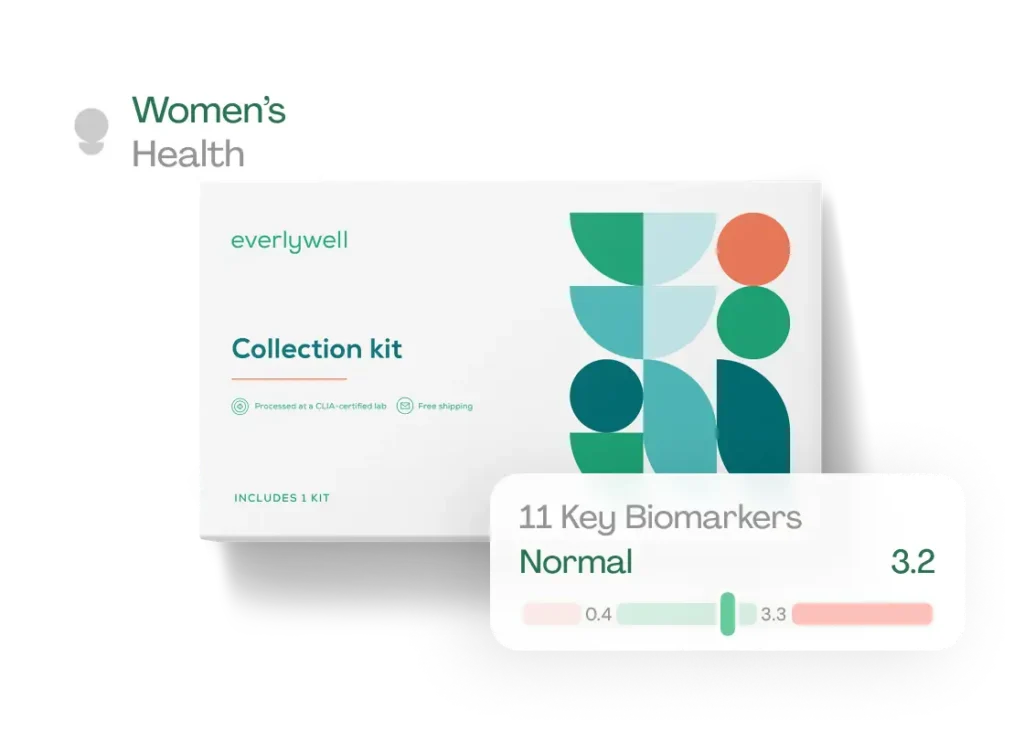
The Collection Process Step by Step
I think one of the biggest barriers to at-home testing is anxiety about the collection process itself. The idea of pricking your own finger and collecting blood samples feels intimidating if you’ve never done it before.
The Everlywell kit arrives in discrete packaging with everything you need inside a single box. You’ll find lancets for the finger prick, bandages, a sample collection card, detailed written instructions, and a prepaid shipping label for returning your sample.
There’s also a QR code that links to video instructions, which honestly makes a huge difference if you’re a visual learner.
The critical requirement here is that you need to fast for eight hours before collecting your sample. This requirement exists because eating significantly affects triglyceride levels, especially, and testing without proper fasting will give you results that don’t accurately reflect your baseline lipid profile.
I recommend planning to do your collection first thing in the morning after an overnight fast.
You can drink water during your fasting period, but no coffee, tea, or anything else.
When you’re ready to collect, you’ll use the lancet to prick the side of your fingertip. The lancets are spring-loaded, so there’s minimal pain, more of a quick pinch than anything truly uncomfortable.
The trick that most people miss is warming your hands first.
Run them under warm water for a minute or two, then shake your hand downward to encourage blood flow to your fingertips. This simple step makes the collection so much easier.
You’ll need to collect enough blood to completely fill the designated circles on the collection card. This is where some people encounter frustration.
If your hands are cold or you’re not applying enough pressure, getting enough blood volume can take longer than expected. The key is patience and not being afraid to really milk your finger from the base down toward the tip to keep the blood flowing.
Once you’ve filled the collection card, you’ll let it dry for about 30 minutes before sealing it in the protective pouch and placing everything back in the original box. Attach the prepaid shipping label and drop it in any mailbox or hand it to your mail carrier.
Laboratory Standards and Accuracy Considerations
This is where things get really interesting and where I think a lot of skepticism about at-home testing is actually justified, until you look at the specific standards Everlywell uses.
All Everlywell samples get processed in CLIA-certified laboratories. CLIA stands for Clinical Laboratory Improvement Amendments, which are federal regulatory standards that all clinical laboratories must meet.
CLIA certification needs regular inspections, proficiency testing, quality control procedures, and personnel qualifications that match what hospital and commercial laboratories must maintain.
Beyond lab certification, every single test result gets reviewed by an independent board-certified physician licensed in your state before you receive it. This dual-layer review process adds a level of clinical oversight that many people don’t realize exists with these at-home options.
But here’s the honest truth about accuracy: no test is perfect, and home collection introduces variables that don’t exist in traditional lab draws. When a phlebotomist draws blood from your vein, they’re getting a larger, more consistent sample under controlled conditions.
With finger-prick collection, factors like whether you squeezed your finger too hard, whether the blood clotted slightly before reaching the collection card, or whether the sample got exposed to extreme temperatures during shipping can potentially affect results.
That said, the research on dried blood spot testing, which is what this method uses, shows really strong correlation with traditional venous draws for lipid panels specifically. Most studies show differences of less than 5-10% between methods, which falls within acceptable clinical ranges.
What this means practically is that your Everlywell results will give you a genuinely useful snapshot of your lipid profile. If your numbers come back elevated, you absolutely should follow up with your healthcare provider for confirmation before making major treatment decisions.
But for monitoring trends over time or getting a baseline assessment when you otherwise wouldn’t test at all, the accuracy is more than enough.
Interpreting Your Results and What Comes Next
Your results typically appear in your secure online account within five to seven business days after the lab receives your sample. The presentation is pretty straightforward.
You’ll see your numerical values for each of the four markers along with reference ranges that show whether your results fall within optimal, borderline, or high-risk categories.
What I find really valuable is that Everlywell provides context around what your numbers mean as opposed to just displaying raw data. You’ll get information about which direction you want each marker moving and general lifestyle factors that influence lipid levels.
However, this is also where the limitations of at-home testing become obvious. The results interpretation you receive is educational and generalized as opposed to personalized medical advice.
You won’t get specific medication recommendations or nuanced risk assessment based on your finish medical history, family background, and other cardiovascular risk factors like blood pressure, smoking status, or diabetes.
For women in midlife specifically, interpreting cholesterol results needs understanding how hormonal changes affect these markers. Estrogen has protective effects on lipid metabolism.
It tends to keep LDL lower and HDL higher.
As estrogen declines during perimenopause and drops significantly after menopause, many women see their LDL increase by 10-20% and their HDL decrease by similar amounts. This hormonal effect on cholesterol is one reason cardiovascular disease risk increases so dramatically for women after menopause.
If your results show concerning patterns, the next step is bringing them to a healthcare provider who can evaluate them in the full context of your health profile. Some people worry that physicians won’t take at-home test results seriously, but I’ve heard from many women whose doctors were perfectly receptive to reviewing Everlywell results, especially when they came from CLIA-certified labs with physician review.
Cost Analysis and Value Assessment
At $49, the Everlywell Cholesterol and Lipids Test sits at the most affordable end of the at-home testing market. This pricing is really significant because it makes regular monitoring financially accessible in ways that traditional lab testing often doesn’t.
Most insurance plans cover lipid panel testing only once every few years unless you have documented cardiovascular disease or specific risk factors. For women who want to watch their levels more often, especially during perimenopause when hormonal fluctuations can cause rapid changes, insurance limitations become a real barrier.
The ability to test quarterly or even monthly for $49 per test opens up new possibilities for data-driven health management. Instead of getting a single data point every three years, you can track actual trends and see how lifestyle interventions affect your numbers in real time.
The test is HSA and FSA-eligible, which effectively reduces the out-of-pocket cost for many people. If you’re contributing to either of these accounts, you’re paying with pre-tax dollars, which means the actual cost is lower than the sticker price, depending on your tax bracket.
When you compare the $49 price point to competitors, the value becomes even clearer. LetsGetChecked charges $89 for a similar lipid panel.
MyLAB Box also comes in at $89.
The CURO L7 device, which allows unlimited testing at home, costs around $199 upfront but needs purchasing test strips for ongoing use, and the convenience comes with questions about long-term accuracy and calibration.
Beyond direct costs, there’s time value to consider. A traditional lab visit typically involves scheduling an appointment often weeks out, taking time off work, driving to the lab, waiting in a reception area, and dealing with parking and all the other logistical headaches that come with in-person medical visits.
For busy professionals and mothers managing complex schedules, that time cost is substantial even if the test itself is covered by insurance.
Practical Limitations You Should Know About
I want to be really transparent about where this test falls short, because no health monitoring tool is perfect for everyone.
The biggest practical challenge people report is difficulty collecting enough blood samples. Despite warming hands and following instructions carefully, some people just don’t produce enough blood flow from a finger prick to finish the collection.
This is particularly frustrating given that Everlywell has a strict no returns, no refunds policy.
If you purchase the test and can’t collect an adequate sample, you’re out the $49 with no recourse.
For people with naturally poor circulation, cold extremities, or conditions affecting blood flow, finger prick collection can be genuinely difficult. Traditional venous blood draws don’t face this limitation because phlebotomists can always find a vein and extract the needed volume.
The eight-hour fasting requirement also creates logistical challenges that shouldn’t be dismissed. If you have blood sugar regulation issues, fasting can feel uncomfortable or even risky. If you take medications with food, you need to time your collection carefully.
If you’re caring for young children who wake you at unpredictable hours, ensuring a full eight-hour fast becomes complicated.
Shipping logistics introduce another variable outside your control. While most samples arrive at the lab without issues, delayed mail service or extreme weather conditions can potentially affect sample integrity.
A small number of users report packages getting lost entirely in transit, which again circles back to the no-refund policy problem.
The results, while physician-reviewed, don’t come with the kind of detailed consultation you’d get during an in-person visit with a cardiologist or lipid specialist. You receive educational information and general guidance, but not personalized treatment recommendations.
For someone who discovers significantly elevated cholesterol through this test, the next step is still to engage with the traditional healthcare system.
Perhaps most importantly, at-home testing can create a false sense of security. Getting normal results might lead someone to skip regular comprehensive health evaluations that would catch other important issues.
Conversely, borderline results might cause unnecessary anxiety without proper medical context.
The test is a monitoring tool, not a comprehensive cardiovascular risk assessment.
Frequently Asked Questions
How accurate is the Everlywell cholesterol test?
The Everlywell test uses CLIA-certified laboratories and dried blood spot testing methods that show 5-10% variation compared to traditional venous blood draws in most studies. This level of accuracy is enough for monitoring trends and getting baseline assessments, though you should confirm any concerning results with traditional lab testing before making treatment decisions.
Can I check my cholesterol at home?
Yes, you can check your cholesterol at home using mail-in testing kits like Everlywell or instant reading devices. Mail-in tests provide comprehensive lipid panels with laboratory analysis, while instant meters typically only measure total cholesterol.
The comprehensive panel gives you much more useful information about your cardiovascular risk.
How often should women over 40 check their cholesterol?
Women over 40, especially those in perimenopause or menopause, benefit from checking cholesterol every 8-12 weeks if they’re actively making lifestyle changes to improve their levels. For general monitoring without specific concerns, testing every 6-12 months provides enough data to track trends related to hormonal changes.
Do I really need to fast before a cholesterol test?
Yes, fasting for 8 hours before a cholesterol test is really important because eating significantly affects triglyceride levels. Testing without fasting can give you results that are 20-30% higher than your true baseline, which means you won’t get accurate information about your cardiovascular risk profile.
What triggers high cholesterol in women?
Hormonal changes during perimenopause and menopause commonly trigger cholesterol increases in women because declining estrogen levels affect lipid metabolism. Other triggers include stress, poor sleep, high-carbohydrate diets, lack of exercise, thyroid problems, and genetic factors that become more apparent with age.
Does HDL really protect your heart?
HDL cholesterol does provide cardiovascular protection by removing excess cholesterol from arterial walls and transporting it to the liver for elimination. Research consistently shows that higher HDL levels correlate with lower heart disease risk, though extremely high HDL above 80-90 mg/dL doesn’t necessarily provide extra benefits.
Can you trust finger-prick cholesterol tests?
Finger-prick cholesterol tests processed in CLIA-certified laboratories provide reliable results that correlate well with traditional venous blood draws. The main concerns are collection difficulties that might prevent getting adequate samples and the no-refund policies that leave you without recourse if collection fails.
What cholesterol level needs medication?
Cholesterol levels that require medication depend on your overall cardiovascular risk profile, including age, blood pressure, smoking status, and family history. Generally, LDL above 190 mg/dL warrants consideration of medication, but your doctor might recommend treatment at lower levels if you have many risk factors.
Key Takeaways
The Everlywell Cholesterol and Lipids Test delivers genuine value as an affordable, convenient option for monitoring your cardiovascular health, particularly during the metabolic transitions of perimenopause and menopause, when tracking changes becomes especially important.
At $49 with HSA and FSA eligibility, the test makes regular monitoring financially accessible in ways traditional healthcare often doesn’t, allowing you to track actual trends as opposed to relying on single data points years apart.
The comprehensive four-marker lipid panel provides clinically meaningful information that surpasses basic total cholesterol testing, with CLIA-certified laboratory analysis and physician review adding credibility to results.
Collection challenges exist for some users, and the no-refund policy creates risk if you can’t produce adequate blood samples, making this test potentially frustrating for people with circulation issues or cold extremities.
The results serve as valuable monitoring data but require a professional medical context when numbers fall outside normal ranges or when you’re making treatment decisions, particularly with many cardiovascular risk factors present.
Strategic testing every 8-12 weeks during active lifestyle interventions provides optimal data for assessing whether your efforts are translating to improved lipid profiles without becoming obsessive about perfect numbers.
The test works best as one component of comprehensive cardiovascular wellness monitoring that includes blood pressure tracking, blood sugar assessment, body composition trends, and functional fitness evaluation, as opposed to standing alone as your only health data point.
For busy women managing complex schedules who value data-driven health decisions and want to watch trends more frequently than traditional healthcare allows, the Everlywell test removes significant barriers to proactive cardiovascular wellness tracking.
**Everlywell’s Women’s Health Test**
Disclaimer
The information contained in this post is for general information purposes only. The information is provided by Everlywell Cholesterol Test Review: Does At-Home Testing Actually Work? and while we endeavor to keep the information up to date and correct, we make no representations or warranties of any kind, express or implied, about the completeness, accuracy, reliability, suitability or availability with respect to the website or the information, products, services, or related graphics contained on the post for any purpose.