

Standing in the supplement aisle with a basket, reading labels about bioavailability and methylation, wondering if you need zinc picolinate or zinc gluconate, and whether adding that fourth bottle will push your monthly supplement budget past what you can sustain – this overwhelm is exactly what Care/of promises to solve.
The proposition sounds compelling on the surface. But after examining actual user experiences, pricing structures, and what you genuinely receive for your money, the decision becomes much more nuanced than their marketing suggests.
Is Care/of Worth It for You?
Click through the sections below to see where Care/of tends to work well — and where it may fall short depending on your needs.
- Want convenience over building your own supplement stack
- Feel overwhelmed choosing supplements on your own
- Value pre-portioned daily packs for travel or busy schedules
- Are generally healthy and want foundational support
- No ability to customize supplement dosages
- Costs more than buying supplements individually
- No medication interaction screening
- May result in a high daily pill count
A typical monthly Care/of pack runs $35–$60+. Comparable independent purchasing can save $200–$300 annually, but requires more planning and effort.
Supplements are not quick fixes. Most benefits require 8–12 weeks of consistent use, and if you’re not deficient, you may not feel noticeable changes at all.
Understanding What Personalization Actually Means
When Care/of talks about personalization, you need to understand exactly what they customize and what stays standardized. The quiz you take asks about health goals, dietary restrictions, lifestyle factors, and wellness concerns. Based on your answers, their algorithm recommends specific supplements from their catalog.
What gets personalized is which supplements you receive. Mention stress management, and you might get ashwagandha.
Show concern about skin aging, and collagen or astaxanthin might appear in your recommendations.
Indicate you follow a vegetarian diet, and the fish-based omega-3s disappear from your options.
What stays completely standardized is the actual dosages. Everyone who receives vitamin D gets the same amount.
Everyone who gets magnesium receives identical doses.
This represents a significant limitation that their marketing materials underemphasize considerably.
For many people, this standardized dosing works perfectly fine. If you maintain generally good health and want foundational nutritional support, the preset amounts typically fall within ranges supported by research.
But if bloodwork shows you have severe vitamin D deficiency, or your healthcare provider recommends specific therapeutic doses of certain nutrients, Care/of cannot accommodate those individualized needs.
The algorithm also operates without knowledge of your current supplement routine and medications. It doesn’t know you already take a multivitamin, fish oil, and prescription medications that might interact with certain herbs.
This means you stay responsible for cross-checking everything yourself or bringing the recommendations to your healthcare provider for review.
The Real Value Proposition for Midlife Women
For women in their 40s and 50s, the nutritional landscape genuinely shifts. Your body processes nutrients differently than it did in your 20s.
Perimenopause and menopause create specific demands for certain vitamins and minerals while simultaneously reducing absorption efficiency for others.
This represents where Care/of potentially shines. Instead of buying a generic multivitamin designed for “women’s health” spanning ages 18 to 60, you can select supplements addressing your actual current concerns: sleep disruption, metabolism changes, stress management, skin elasticity, bone density support, or cognitive function.
The ability to mix foundational vitamins with targeted supplements like adaptogens, probiotics, and collagen in one convenient package addresses a genuine pain point. Managing many bottles, remembering which ones to take when, and keeping track of when each one needs reordering creates a real mental load that accumulates over time.
But the value calculation gets complicated here. That convenience and curation come with a premium price tag.
You pay for the service of having someone else figure out which supplements might benefit you, package them attractively, and deliver them on schedule.
Breaking Down the Cost Reality
Getting specific about pricing matters because this is where many people feel misled after signing up. A basic Care/of pack with four to five supplements typically runs about $35 to $45 monthly.
That might include vitamin D, a B-complex, omega-3s, and magnesium.
Comparing that to buying four separate bottles at a drugstore, the pricing might actually be competitive or even favorable when you factor in the convenience element.
However, once you start adding specialty supplements, the costs escalate quickly. Adding collagen powder, a probiotic, ashwagandha, and a protein powder can push your monthly total past $70 or $80.
At this price point, you almost certainly pay a significant premium over purchasing these items independently.
I ran the numbers comparing a mid-range Care/of pack at $52 monthly against purchasing equivalent supplements from reputable brands like NOW Foods, Thorne, or Garden of Life through retailers like Amazon or iHerb. Buying independently saved about $18 to $25 monthly, which accumulates to $216 to $300 annually.
The question becomes whether the convenience justifies $200 to $300 per year for you specifically. For some people, absolutely yes.
For others, that money gets better allocated elsewhere in their wellness budget, perhaps toward higher-quality organic produce, fitness classes, or saving for healthcare expenses.
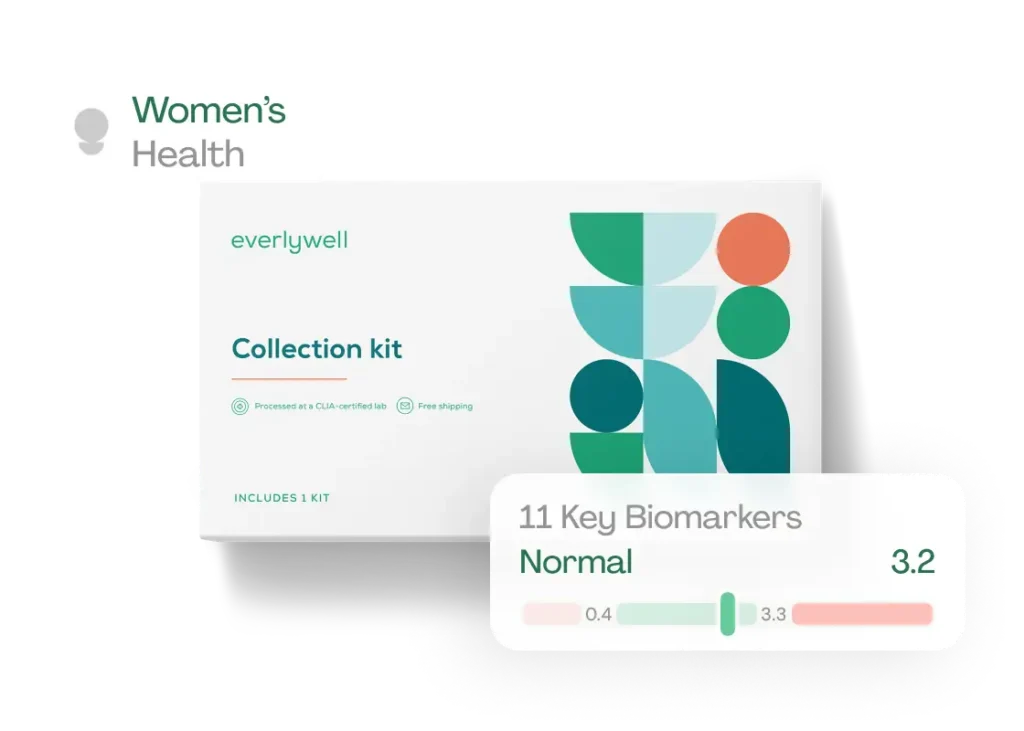
Must try: Everlywell’s Women’s Health Test
What the Timing of Results Really Looks Like
One of the most common sources of disappointment with Care/of, and really with any supplement service, comes from unrealistic expectations about timelines and perceptible effects. Supplements function fundamentally differently from medications.
You will not take your first probiotic packet and notice an improvement in your digestion by that evening.
You will not consume collagen for a week and notice visibly different skin.
Most research on supplement effectiveness measures outcomes over periods of eight to twelve weeks at least. Some nutrients, particularly those supporting structural tissues like bones, skin, and hair, require months of consistent supplementation before changes become noticeable.
Additionally, if you have no actual deficiency in a particular nutrient, supplementing with it may produce zero perceptible effect. You might be taking high-quality vitamin B12, but if your B12 levels were already adequate, you simply will not feel any different.
Your body will either excrete the excess or store small amounts, but you will not experience an energy boost or mood improvement because that deficiency was not what limited you in the first place.
This represents where Care/of’s lack of integration with actual lab work becomes a real limitation. The most effective supplement protocols start with testing to identify actual deficiencies or suboptimal levels, then target supplementation to address those specific gaps, followed by retesting to confirm improvement.
Care/of’s quiz-based approach represents essentially an educated guess based on common deficiencies associated with your demographic and lifestyle factors.
The Quality Question and What It Actually Means
Care/of deserves genuine credit for their attention to ingredient forms and quality sourcing. Their use of methylfolate instead of folic acid represents a really good example.
Methylfolate is the bioavailable form that your body can immediately use, whereas folic acid needs conversion through an enzymatic process that roughly 40% of the population performs inefficiently because of genetic variations.
Similarly, their selection of chelated minerals, which bind to amino acids for better absorption, shows thoughtful formulation. Their omega-3s come from wild-caught fish, and their collagen is sourced from grass-fed bovine.
These choices matter, and they do typically cost more than the cheapest supplement choices.
However, many other supplement brands also offer these premium forms at competitive or lower prices. Thorne, Pure Encapsulations, and Nordic Naturals, for example, use similar high-quality ingredient forms and have third-party certifications that Care/of lacks.
The testing versus certification distinction carries importance here. Care/of conducts third-party testing, meaning independent laboratories analyze their products for purity, potency, and contamination.
This definitely beats brands that skip testing entirely.
However, third-party certification programs like NSF International, USP, or ConsumerLab involve ongoing monitoring, facility inspections, and verification of manufacturing processes beyond just product testing.
For most consumers, Care/of’s testing protocol provides adequate quality assurance. For those with serious health conditions, taking many medications, or who are immunocompromised, the extra verification of third-party certification might provide important peace of mind.
When the Subscription Model Works Against You
The subscription model creates convenience and introduces potential problems. Several users report shipping delays that left them without supplements for several days or even weeks.
When you rely on daily supplementation as part of managing specific health concerns, these gaps frustrate you considerably.
The subscription can also create a kind of complacency where you continue receiving and paying for supplements without regularly reassessing whether they still serve your needs. Your health goals shift over time. The stress management support you needed during a particularly intense work period might not be as critical six months later.
The sleep support supplements you added during perimenopause might become unnecessary once you adjust to new hormone levels.
With bottles you purchase independently, you naturally reassess each time you reorder. With automatic subscriptions, months can pass without really considering whether your current regimen still makes sense.
This makes setting a calendar reminder to review your Care/of selections quarterly a really smart practice if you use the service.
The Pill Burden Nobody Talks About Enough
This aspect of Care/of surprises many new users. Depending on your personalized recommendations, you might take six, seven, or even eight pills daily.
Some supplements simply do not come in forms that allow for lower pill counts.
Omega-3s, for example, typically require two to three capsules to reach therapeutic doses. Calcium needs splitting across many pills because your body cannot absorb large amounts at once effectively.
If you already struggle with swallowing pills or dislike taking many supplements, Care/of’s approach might feel really burdensome. By comparison, some competitors like Ritual offer just two capsules daily, though they include fewer total nutrients and skip customization recommendations.
The powder supplements that Care/of offers, including protein, collagen, and fiber blends, can reduce pill count somewhat, but they also increase the cost of your monthly pack and require more preparation than just swallowing pills with water.
Practical Strategies for Maximizing Value
If you lean toward trying Care/of, specific approaches improve the value proposition significantly. Start with the lowest tier that addresses your primary concerns as opposed to adding every recommended supplement.
You can always add more later if you find the service works well for you.
Focus on supplements that offer particular convenience in packet form. If you travel often for work, having pre-portioned daily packs eliminates the hassle of traveling with many bottles and remembering what to take when.
For supplements you take consistently at home, purchasing larger bottles independently often proves more cost-effective.
Use Care/of for supplements where quality sourcing particularly matters, like fish oil or probiotics, where purity and strain specificity affect effectiveness. For basic vitamins like vitamin D or C, where quality differences between brands stay minimal, consider purchasing them independently at a lower cost.
Take advantage of the app’s educational content to learn about each supplement, then use that knowledge to make informed decisions about whether to continue with Care/of or transition to independent purchasing once you understand what you actually need.
The Integration Challenge With Existing Health Routines
One aspect that receives not enough attention involves how Care/of fits, or fails to fit, with other aspects of your wellness routine. If you work with a functional medicine practitioner, nutritionist, or naturopath who recommends specific protocols, Care/of’s predetermined doses might not align with their recommendations.
Many integrative practitioners use higher therapeutic doses of certain nutrients than what Care/of’s formulations contain. For example, therapeutic vitamin D protocols might involve 5,000 to 10,000 IU daily under supervision, while Care/of’s vitamin D contains 2,000 IU. Magnesium protocols for sleep support might use 400 to 600 mg, while Care/of’s contains 300 mg.
This does not mean Care/of formulates incorrectly – their doses target general wellness support as opposed to therapeutic intervention. But it does mean the service works best for people managing their own supplement routines based on general health optimization as opposed to those following specific protocols for health conditions.
Alternative Approaches Worth Considering
Before committing to Care/of, exploring what else exists makes sense. Several approaches might better serve your specific situation.
If you want personalization but prefer working with actual lab values, companies like Rootine analyze your DNA, blood test results, and lifestyle factors to create truly customized supplement formulations with doses adjusted to your specific needs. This costs significantly more but provides genuine individualization beyond what Care/of offers.
If you value convenience and simple routines, services like Ritual or HUM offer curated formulations in just one or two pills daily. You lose the customization, but you gain simplicity and typically lower costs.
If you have the knowledge to build your own regimen, purchasing quality brands independently through retailers like iHerb, Vitacost, or directly from manufacturers usually provides the best value. This needs more research and organization, but offers the most flexibility and cost control.
Some people find a hybrid approach works really well: using Care/of for two or three supplements where the convenience particularly matters, while purchasing other supplements independently where cost savings prove significant.
What Success Actually Looks Like With This Service
Setting realistic expectations dramatically affects satisfaction with Care/of. Success does not necessarily mean feeling dramatically different or experiencing obvious health improvements.
For many users, success looks like consistent supplementation without the mental load of managing it yourself, peace of mind that you cover nutritional bases, and eliminating the decision fatigue of supplement shopping.
If you view Care/of as a convenience service that happens to include quality supplements as opposed to a transformative health intervention, you position yourself much more likely to feel satisfied with the value you receive. The service excels at removing friction from supplement routines and providing education about why certain nutrients matter.
It does not excel at replacing medical nutrition therapy, addressing diagnosed deficiencies with therapeutic doses, or providing the absolute lowest cost option for supplementation.
The Decision Framework That Actually Helps
Making the right choice about Care/of comes down to honestly assessing several factors specific to your situation.
Consider your current supplement consistency. If you currently own bottles of supplements that sit unopened in your cabinet because you forget about them or do not want to manage many containers, Care/of’s convenience might genuinely improve your adherence enough to justify the cost.
Evaluate your knowledge level. If you feel really unsure which supplements might benefit you and find supplement research overwhelming, the guided recommendations provide real value. If you already understand your nutritional needs well, you pay for curation you do not really need.
Assess your budget flexibility. If spending $40 to $60 monthly on supplements fits comfortably in your budget without creating financial stress, the convenience and quality might be worthwhile. If this price point needs budget adjustments elsewhere, independent purchasing almost certainly makes more sense.
Consider your lifestyle factors. Frequent travelers, people with demanding schedules, or those managing many health priorities often find the pre-packaged convenience worth the premium. If you have consistent daily routines and do not mind managing bottles, this advantage disappears.
Examine your health complexity. If you manage many medications, diagnosed conditions, or work with healthcare providers on specific protocols, Care/of’s limitations around dosing and interaction checking make it less suitable. If you maintain general good health and want foundational support, it works fine.
People Also Asked
Is Care/of cheaper than buying supplements separately?
For basic supplement packs with four to five items, Care/of prices stay competitive with buying separately. However, once you add specialty supplements like collagen, probiotics, or adaptogens, you typically pay $200 to $300 more annually compared to purchasing equivalent brands independently through retailers like iHerb or Amazon.
How long does it take to see results from Care/of supplements?
Most supplements require consistent use for eight to twelve weeks before producing noticeable benefits. Some nutrients supporting structural tissues like bones, skin, and hair may need several months of regular supplementation.
If you have no deficiency in a particular nutrient, you may not feel any perceptible difference at all.
Can I customize the doses in my Care/of pack?
No, Care/of does not allow dose customization. Everyone who receives vitamin D gets the same amount, and everyone getting magnesium receives identical doses.
The personalization applies only to which supplements you receive, not the dosage amounts.
Does Care/of test their supplements for quality?
Yes, Care/of conducts third-party testing on their products for purity, potency, and contamination. However, they do not carry third-party certifications like NSF International or USP, which involve ongoing monitoring and facility inspections beyond individual product testing.
Is ashwagandha good for perimenopause symptoms?
Ashwagandha functions as an adaptogen that may help manage stress and support hormonal balance. Some research suggests it can help with anxiety, sleep quality, and cortisol levels, which often become concerns during perimenopause.
However, you should ask your healthcare provider before adding it to your routine.
What form of magnesium is best for sleep?
Magnesium glycinate typically works best for sleep support because it absorbs well and produces fewer digestive side effects compared to other forms. Magnesium citrate absorbs well but can have a laxative effect.
Care/of uses magnesium oxide, which has lower bioavailability but costs less.
Can I take Care/of supplements with prescription medications?
Some supplements can interact with prescription medications. Care/of’s quiz does not assess potential interactions with your medications.
You need to review all supplements with your healthcare provider or pharmacist, especially if you take blood thinners, blood pressure medications, or medications for diabetes or thyroid conditions.
Do I need a subscription, or can I order Care/of once?
Care/of operates primarily as a subscription service with automatic monthly shipments. While you can pause or cancel anytime, the service is designed around regular monthly deliveries as opposed to one-time purchases.
What is methylfolate, and why does it matter?
Methylfolate represents the bioavailable form of folate that your body can immediately use. Regular folic acid needs conversion through an enzymatic process that about 40% of people perform inefficiently because of genetic variations in the MTHFR gene.
Care/of uses methylfolate in their B-complex formulations.
Key Takeaways
Care/of provides genuine convenience and quality ingredient selection, but charges a premium for these benefits that may or may not align with your specific value priorities.
The personalization customizes which supplements you receive, but not the doses, creating limitations for people with specific therapeutic needs or diagnosed deficiencies.
Realistic expectations about supplement timelines and effects prevent disappointment – most nutrients require consistent use for eight to twelve weeks before producing noticeable benefits.
The service works best for generally healthy people seeking convenient supplementation support as opposed to those needing therapeutic interventions or following specific medical protocols.
Comparing costs against independent purchasing reveals that Care/of typically costs $200 to $300 more annually, making the decision fundamentally about whether convenience justifies this premium in your specific situation.
Must try: Everlywell’s Women’s Health Test
Disclaimer
The information contained in this post is for general information purposes only. The information is provided by Is Care/of Worth It? An Honest Look at the Personalized Supplement Service and while we endeavor to keep the information up to date and correct, we make no representations or warranties of any kind, express or implied, about the completeness, accuracy, reliability, suitability or availability with respect to the website or the information, products, services, or related graphics contained on the post for any purpose.