
Long-term relationships can reach moments where everything suddenly feels unfamiliar. A partner who once felt comforting can become irritating. Emotional closeness can fade. Desire can feel distant or completely absent. These shifts are often confusing and frightening, especially when a relationship has been stable for decades.
In midlife, many women experience a profound change that is difficult to explain in words. Ordinary behaviors can trigger intense irritation. Intimacy may feel exhausting rather than connecting. There is often a clear sense that something fundamental has shifted, without an obvious cause.
What is rarely explained is that these experiences are frequently rooted in neurochemical change. Hormonal transitions during menopause can alter brain chemistry in ways that closely resemble relationship dysfunction. Hormones are not simply influencing emotions ~ they are reshaping the biological systems responsible for attachment, desire, and emotional regulation.
The conversation around menopause and relationships is often reduced to hot flashes and mood swings, but the reality is far more complex. The neurochemical foundations of romantic bonding can destabilize during this transition, even while partners are trying to move forward together.
Without this understanding, biochemical changes are easily misinterpreted as incompatibility, symptoms are mistaken for personal flaws, and temporary neurological shifts are perceived as permanent relationship breakdowns.
Survey data reflects the impact of this misunderstanding. Seventy-three percent of women report that menopause contributed to the breakdown of their marriage, and sixty-seven percent say it increased conflict or domestic abuse within their relationships. Yet only twenty percent seek professional support.
This gap between recognizing distress and receiving help leaves countless relationships struggling in silence, often under the belief that their situation is uniquely irreparable.
Understanding the biological mechanisms at play reframes the experience entirely—and opens the door to solutions that many couples never realize are possible.
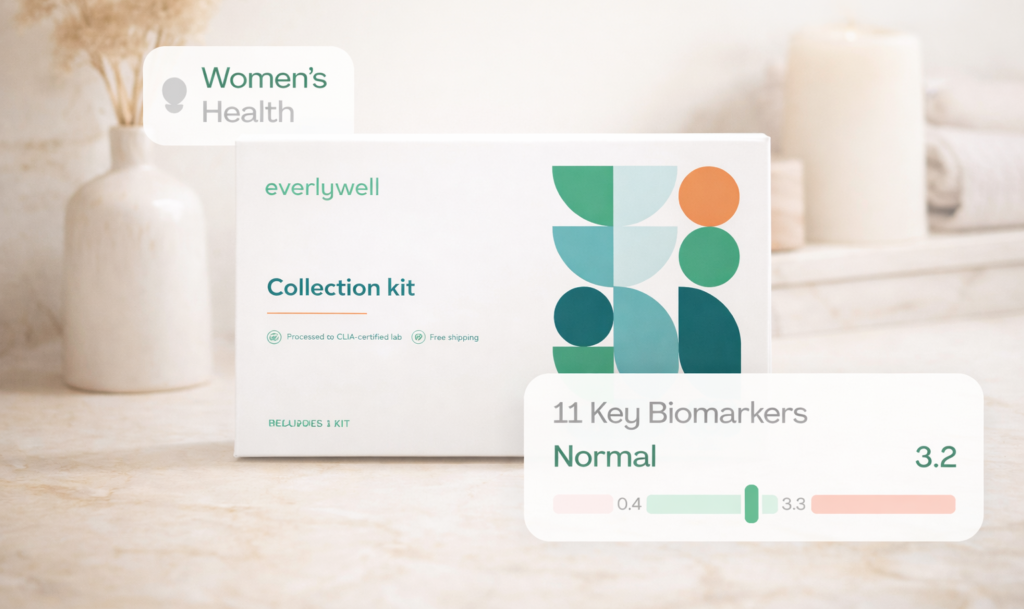
Everlywell Women’s Health Test – At-Home Screening
Wondering about your hormonal health, reproductive wellness, or perimenopause symptoms? This at-home test provides insights into key hormones affecting your overall health, all from the comfort of your home.
- ✔ Measures estradiol, progesterone, FSH, and LH
- ✔ CLIA-certified lab analysis
- ✔ Physician-reviewed, easy-to-read results
- ✔ Simple finger-prick blood sample from home
FSA/HSA eligible • Test from home • Personalized hormone insights
What’s Actually Happening in Your Brain
The most important thing to understand first is that menopause fundamentally alters your neurochemistry. This isn’t metaphorical.
Oxytocin, the hormone that literally makes you feel bonded to your partner, drops significantly during menopause. This same molecule reduces aggression, eases anxiety, and cultivates empathy.
When it becomes scarce in your system, a shift occurs.
So when you suddenly feel less affectionate toward someone you’ve loved for years, when their presence irritates you instead of comforts you, when you can’t muster the warmth you used to feel so easily, your relationship hasn’t necessarily failed. Your brain is producing fewer of the molecules that facilitate attachment. You’re not choosing coldness.
Your biochemistry is different.
Simultaneously, estrogen and testosterone decline, directly impacting libido. But the effects go way beyond just wanting sex less.
These hormonal changes affect emotional regulation capacity across the board.
The psychological filters that before prevented everyday frustrations from becoming major conflicts simply stop working as effectively.
Think about it this way: you’ve spent your adult life with emotional shock absorbers. Small bumps in the relationship road got smoothed over automatically.
Your partner forgot to take out the trash again?
Mildly annoying, but you had the capacity to let it go. Now those shock absorbers are worn down.
The same bump feels like hitting a pothole at full speed. Everything reverberates.
This explains why up to seventy percent of women in perimenopause report mood challenges like irritability and rage. Life didn’t suddenly become more irritating.
Your capacity to absorb irritation has temporarily diminished.
The Cascade Effect Nobody Warns You About
Menopause symptoms don’t operate in isolation. They interact and multiply in ways that make relationship strain almost inevitable without intervention.
Here’s how it typically unfolds: Hot flashes disrupt your sleep. Night sweats wake you repeatedly.
You’re chronically exhausted. Sleep deprivation impairs mood regulation, so you become more irritable.
The irritability creates tension with your partner. Tension makes you want physical space.
Your partner interprets this withdrawal as emotional rejection.
They become anxious or defensive. Their anxiety increases your irritability.
Meanwhile, you’re also dealing with brain fog that makes basic tasks feel overwhelming, so you have zero capacity for the emotional labor of managing their feelings while simultaneously managing your symptoms.
What started as a thermoregulation issue has become, in your partner’s mind, evidence that you don’t love them anymore. And from your perspective, their neediness during this time feels suffocating.
This cascade effect explains why difficulty concentrating and depressed mood are specifically associated with interference in both relationships and work. The added weight of many symptoms creates compound dysfunction across every domain of your life.
And here’s what makes this particularly cruel: you know something is wrong, but you can’t quite articulate what. You feel like you’re losing yourself.
Your partner sees you struggling but doesn’t know how to help.
Both of you are scared, and fear makes people either withdraw or attack.
When Sex Becomes a Battleground
Sexual intimacy becomes the focal point where all relationship strains concentrate. For many couples, physical intimacy has been the primary way they express love, resolve conflict, and maintain connection.
When that suddenly becomes difficult or undesirable, the entire relationship structure feels threatened.
The hormonal decline directly reduces libido. Vaginal dryness makes sex physically uncomfortable or painful.
Fatigue means you barely have energy for basic functioning, let alone sexual connection.
Body image concerns intensify as your body changes in ways you didn’t choose and may not like. And underneath all of this, the cognitive load of managing symptoms leaves you with nothing left for want.
But here’s where it gets really complicated: some women report that despite having zero want to start sex, they actually enjoy it once they’re engaged. The barrier is the gap between spontaneous want and responsive arousal. This distinction rarely gets discussed, leaving both partners confused about what low libido actually means.
Does it mean she doesn’t want me? Does it mean she’s not attracted to me anymore?
Does it mean she’s considering leaving?
From the woman’s perspective: Does it mean there’s something wrong with me? Does it mean my body is broken?
Does it mean I’ll never enjoy sex again?
Neither interpretation is accurate, but without understanding responsive want versus spontaneous desire, couples spiral into anxiety and resentment. The partner increases initiation efforts, trying to reconnect.
The woman experiences this as pressure, which further reduces her already diminished want.
He interprets her withdrawal as rejection. She interprets his persistence as not hearing her needs. Both are trying to save the relationship through opposite strategies that worsen the dynamic.
The Partner Experience That Nobody Talks About
We focus heavily, and rightfully so, on what menopausal women experience. But partners are going through their own genuinely difficult experience that rarely gets acknowledged or supported.
They’re watching someone they love struggle with symptoms they can’t fix. They’re experiencing what feels like rejection, whether or not that’s the intention.
They’re navigating profound uncertainty about the relationship’s future.
They feel helpless. They feel blamed. They’re often confused about whether anger is directed at them personally or is symptomatic.
And they have almost no resources or social permission to talk about their own distress.
Research shows that partner responses range from actively supportive to actively hostile, and these responses significantly shape how women experience menopause itself. One woman reported that her partner said, “Please quit biting my head off and trying to kill me. Please get something done because I love you and I want to stay with you.” Support mixed with threats.
Love mixed with ultimatums.
This reveals something really important: relationship outcomes during menopause may depend more on partner capacity for empathy and education than on menopause severity itself. A partner who responds to irritability with curiosity instead of defensiveness, who learns about symptoms instead of taking everything personally, who adjusts household systems to accommodate hot flashes and sleep disruption, creates an entirely different experience than a partner who dismisses symptoms or responds with anger.
Male partners specifically often lack any framework for understanding what’s happening. They weren’t educated about menopause before marriage.
They don’t have peer groups discussing it.
Medical appointments often exclude them. They’re operating completely blind, trying to navigate by instinct alone, and their instincts are often wrong because they’re interpreting biochemical changes as relationship problems.
Early Menopause: A Distinct Trauma
Women experiencing menopause in their thirties face a fundamentally different psychological experience than those going through it at the expected age. Medical dismissal compounds the symptoms themselves in ways that create lasting damage.
Doctors tell you you’re too young. They offer antidepressants for what is actually a hormone problem.
They suggest stress management or therapy when what you need is hormone replacement.
This medical gaslighting can span years or even a decade. You know something is profoundly wrong with your body, but every authority figure tells you you’re mistaken.
Meanwhile, your relationship deteriorates. You’re irritable, exhausted, losing libido, experiencing all the classic symptoms, but because you haven’t been diagnosed, you attribute these changes to personal failure.
You think you’re becoming a bad partner.
You think you’re losing your mind. Your partner thinks you’ve changed fundamentally as a person.
By the time diagnosis finally arrives, often years into the experience, significant relationship damage has already occurred. And that damage carries its own trauma, separate from the menopause symptoms themselves. The rage at medical systems, at being dismissed and gaslit, at years of unnecessary suffering, becomes directed everywhere, including at partners who didn’t understand what was happening because the medical establishment failed to identify it.
Women with family history of early menopause face this particularly acutely. They often suspect what’s happening based on mothers’ or sisters’ experiences, but still can’t get doctors to take them seriously.
The frustration of knowing and not being believed adds another layer of justified anger to an already volatile emotional state.
The Existential Layer
Menopause coincides with midlife, and midlife brings existential questioning that would be intense even without hormonal amplification. Did I make the right choices about children?
Have I achieved what I thought I would?
Who am I beyond caregiver, professional, daughter, wife? What do I want from the remaining decades of my life?
These questions are normal and necessary. They represent healthy development.
But when you’re asking them with a brain depleted of oxytocin and emotional regulation capacity, they can feel catastrophic.
And when you’re asking them while your relationship is strained from symptoms, they often focus on the partnership itself.
Did I marry the right person? Would I be happier alone?
Is this relationship still serving me?
These questions don’t necessarily indict the partnership. They’re midlife identity development.
But distinguishing between “I’m questioning my life choices” and “I’m questioning this specific relationship” needs nuance and communication capacity that menopause often temporarily removes.
Partners who don’t understand midlife psychology interpret existential questioning as relationship dissatisfaction. They become defensive or clingy, which makes the menopausal woman feel trapped, which intensifies her want to flee, which terrifies the partner more.
The cycle feeds itself.
Some women report what researchers call the “mountain hut fantasy”: detailed daydreams about living alone in a simple space, free from demands and obligations. This isn’t actually about leaving the relationship.
This is dissociation from overwhelming symptom burden.
But try explaining that to a partner who just heard you describe in detail your fantasy life that doesn’t include them.
What Actually Helps: The Practical Framework
After reviewing the research and talking with women who’ve successfully navigated this phase, certain patterns emerge consistently.
Communication restructuring is foundational, but it can’t be the same communication style you used before menopause. You need dedicated time for conversations that isn’t stolen from other activities.
You need explicit agreements that emotions aren’t the other person’s responsibility to fix.
You need permission to say, “I’m overwhelmed and can’t talk about this right now” without that being interpreted as rejection.
Active listening becomes critical, but it needs both partners understanding what that actually means. Genuinely trying to understand the other person’s experience without immediately relating it to your own feelings makes all the difference.
Partners desperately need education about menopause symptoms before they occur, or at least as early in the process as possible. The difference between “she’s become unreasonable” and “her brain chemistry is temporarily different and she needs support” is everything.
One framework creates defensiveness.
The other creates empathy.
Redefining intimacy saves relationships during this phase. Couples who cling rigidly to their previous sexual patterns struggle enormously.
Those who consciously explore non-penetrative physical connection, who deepen emotional intimacy, who release traditional sex as a pressure point, often report that their relationships actually strengthen.
The forced renegotiation becomes an opportunity for deeper understanding and creativity.
Professional support through therapy provides structured space for addressing both symptoms and relationship dynamics. Individual therapy helps women manage emotional shifts and develop coping strategies.
Couples therapy creates safety for conversations that have become too volatile to navigate alone.
The presence of professional support correlates strongly with better outcomes, yet only twenty percent of struggling couples actually seek it.
Practical accommodations talk care in ways that reduce daily friction. Temperature management in the bedroom.
Sleep schedule adjustments.
Reduced expectations during high-symptom periods. These small changes signal, “I see you struggling and I’m willing to adjust to support you.” That message matters more than the specific accommodation itself.
Partner self-care enables sustained support. If your partner reduces themselves trying to manage your symptoms, they’ll eventually burn out or resent you.
They need to maintain their own wellbeing, hobbies, and social connections.
This isn’t selfish, it’s necessary infrastructure for long-term support.
Vulnerability and authenticity from both partners creates the emotional safety necessary to navigate this phase together. Admitting fear.
Expressing love despite circumstances.
Acknowledging helplessness. Saying, “I don’t know what to do but I’m committed to figuring it out with you.” These moments of genuine connection often matter more than any specific symptom management strategy.
The Relationship Crucible
Here’s what I’ve come to understand after researching this extensively and watching friends navigate it: menopause is a relationship crucible. It either forges a stronger bond through adversity or reveals incompatibilities that were before managed through emotional labor that menopause makes impossible.
Couples who move through this phase with mutual understanding and willingness to adapt often emerge reporting stronger relationships than they had before. The forced renegotiation stripped away accumulated resentments and revealed deeper compatibility.
They had to learn to talk more authentically, to redefine intimacy, to support each other through genuine vulnerability.
Couples who struggle often had underlying issues that were already present but manageable. Menopause removed the buffer that made those issues tolerable.
Unresolved resentments become unbearable.
Sexual incompatibility that was before accommodated becomes impossible to ignore. Communication patterns that were always dysfunctional become actively destructive when emotional regulation capacity decreases.
Menopause doesn’t create relationship problems. It amplifies them.
And that amplification forces a reckoning.
Either you address the underlying issues authentically, or the relationship becomes unsustainable. There’s no third option of continuing to manage through surface-level accommodation.
This is why some women report feeling that menopause gave them permission to finally set boundaries and prioritize their own needs. The reduced capacity for peacekeeping and emotional management forces honesty that was before suppressed. For some, that honesty reveals that they’ve been accommodating an unhealthy dynamic for years. For others, it creates the catalyst for genuine relationship transformation.
Frequently Asked Questions
Does menopause cause divorce?
Menopause doesn’t directly cause divorce, but seventy-three percent of women surveyed blame menopause for contributing to their marriage breakdown. The hormonal changes affect mood regulation, libido, and emotional bonding, which can strain relationships.
However, divorce during menopause is often preventable with proper support, education, and couples therapy.
Can menopause make you fall out of love?
The feeling of falling out of love during menopause is usually caused by decreased oxytocin levels, which is the hormone responsible for bonding and attachment. This biochemical change can make you feel less affectionate toward your partner even though the underlying relationship foundation hasn’t changed. These feelings are often temporary and manageable with understanding and support.
How does menopause affect intimacy?
Menopause affects intimacy through decreased libido, vaginal dryness that makes sex painful, fatigue that reduces energy for physical connection, and hormonal changes that impact emotional bonding. Many women experience responsive want instead of spontaneous desire, meaning they may enjoy sex once engaged but rarely feel motivated to start it.
What percentage of marriages end during menopause?
While specific divorce rates during menopause aren’t precisely tracked, seventy-three percent of women report that menopause contributed to marriage breakdown. However, only twenty percent of couples experiencing menopause-related relationship strain seek professional support, suggesting many relationships fail because of lack of intervention as opposed to inevitable biological consequences.
How can partners support women going through menopause?
Partners can support menopausal women by educating themselves about symptoms, responding to irritability with curiosity instead of defensiveness, making practical accommodations like temperature adjustments, not taking emotional distance personally, maintaining their own self-care, and being willing to redefine intimacy beyond traditional sexual patterns.
Does menopause cause anger toward spouse?
Menopause can cause increased irritability and anger because of decreased emotional regulation capacity caused by hormonal changes. Up to seventy percent of women in perimenopause report mood challenges including rage.
This anger isn’t necessarily directed at the spouse specifically but can manifest in the relationship because that’s where the most vulnerability and proximity exists.
When does libido return after menopause?
Libido doesn’t automatically return to pre-menopause levels, but many women find that once they adjust to hormonal changes and address physical symptoms like vaginal dryness through treatment, sexual want can improve. Redefining intimacy and reducing pressure around sex often helps more than waiting for spontaneous want to return.
Should I tell my partner I’m going through menopause?
Yes, absolutely. Partners need to understand that the symptoms you’re experiencing are biochemical changes as opposed to character changes or relationship dissatisfaction.
Education about menopause creates empathy and allows your partner to support you effectively as opposed to interpreting symptoms as personal rejection.
Key Takeaways
Menopause alters neurochemistry fundamentally, reducing oxytocin and hormones that facilitate romantic attachment, meaning emotional distance represents biochemical change as opposed to relationship failure.
Symptoms interact multiplicatively through cascade effects, where sleep disruption leads to mood changes leads to irritability leads to withdrawal leads to partner anxiety, creating compound dysfunction that can be interrupted at many points.
Partner response matters more than symptom severity, with education, empathy, and practical support creating dramatically different outcomes than dismissiveness or taking symptoms personally.
Sexual intimacy needs redefinition as opposed to pressure, understanding the difference between spontaneous want and responsive arousal while exploring non-penetrative connection and emotional intimacy.
Early intervention and professional support correlate strongly with better outcomes, yet only twenty percent of struggling couples actually seek help, representing a massive opportunity gap.
Menopause amplifies existing relationship issues as opposed to creating them, forcing couples to either address underlying tensions authentically or experience accelerating distance.
The seventy-three percent relationship breakdown statistic represents lack of support infrastructure as opposed to biological inevitability, meaning most menopause-related relationship failures are preventable with proper tools, education, and early intervention.
Everlywell Women’s Health Test – At-Home Screening
Wondering about your hormonal health, reproductive wellness, or perimenopause symptoms? This at-home test provides insights into key hormones affecting your overall health, all from the comfort of your home.
- ✔ Measures estradiol, progesterone, FSH, and LH
- ✔ CLIA-certified lab analysis
- ✔ Physician-reviewed, easy-to-read results
- ✔ Simple finger-prick blood sample from home
FSA/HSA eligible • Test from home • Personalized hormone insights
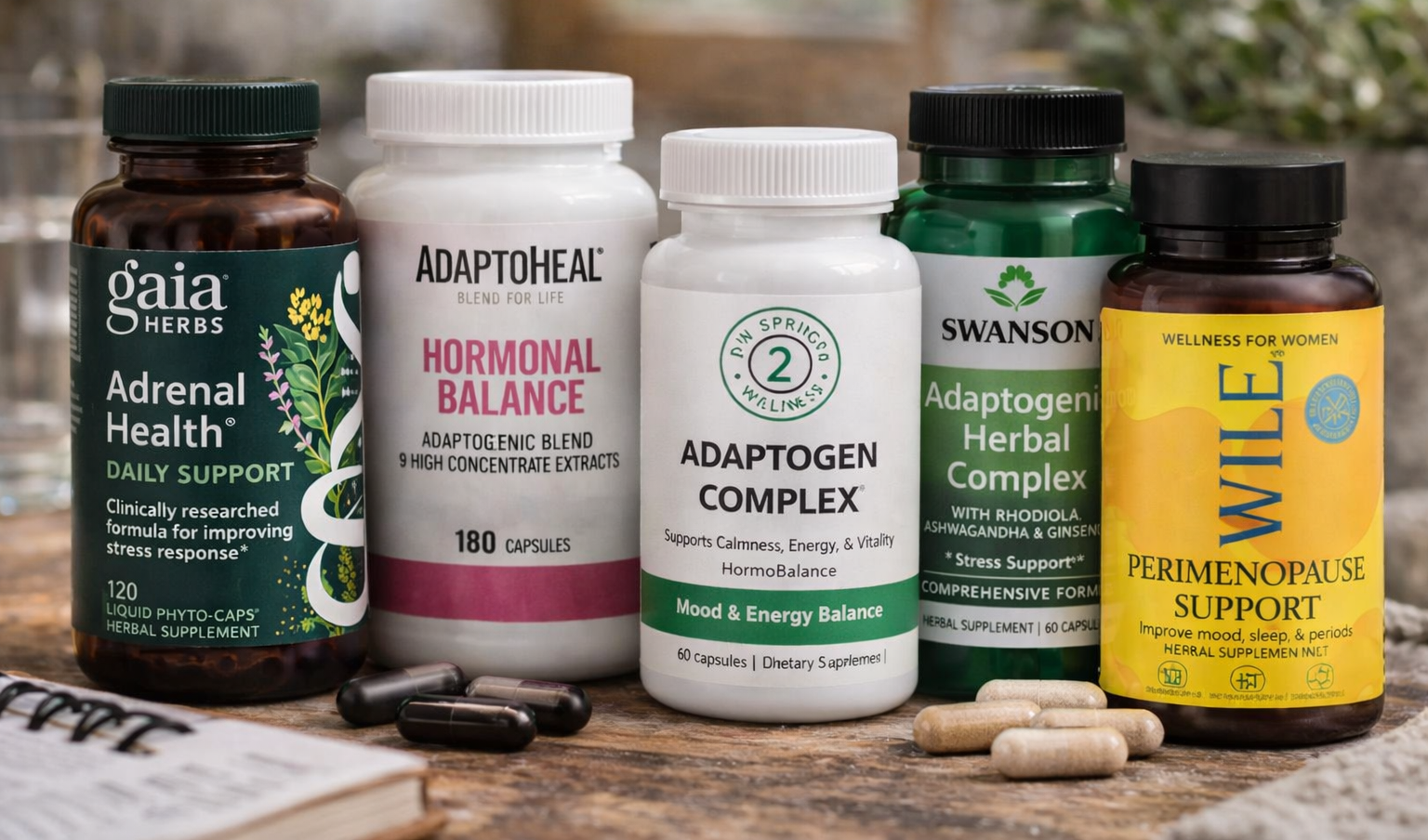
Find out our Recommended Adaptogens for Menopause: https://www.vitalwomenwellness.com/best-adaptogens-for-menopause/
Disclaimer
The information contained in this post is for general information purposes only. The information is provided by Menopause and Its Effects on Relationships and while we endeavor to keep the information up to date and correct, we make no representations or warranties of any kind, express or implied, about the completeness, accuracy, reliability, suitability or availability with respect to the website or the information, products, services, or related graphics contained on the post for any purpose.