
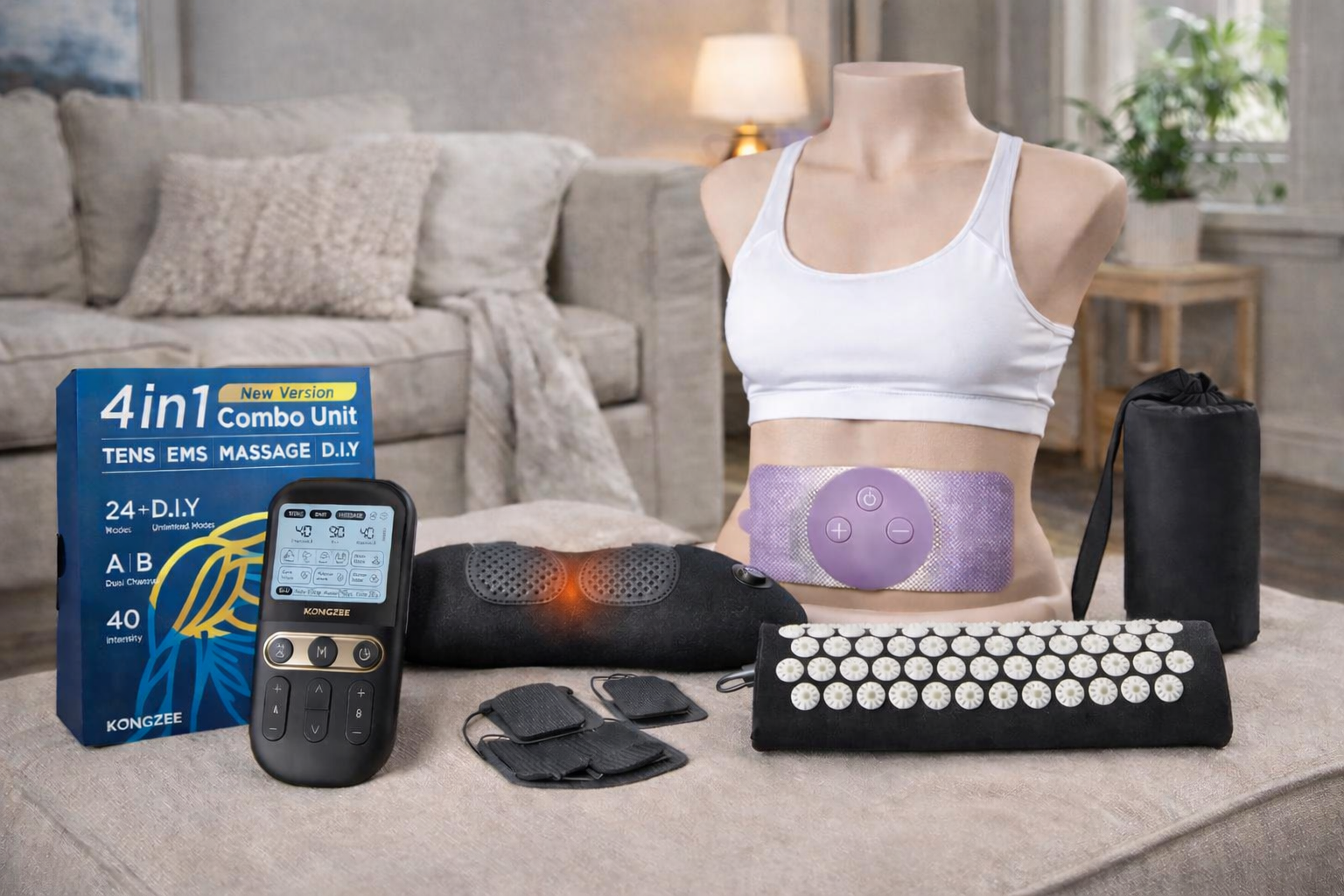
Menstrual cramps can be a real pain, literally. But thankfully, we’re living in an age where technology has given us a wide array of tools to combat this monthly discomfort.
From high-tech gadgets to simple yet effective devices, there’s a whole world of options to explore.
Here are this device showdown and find out which tools might just become your new period BFF.
1. TENS Units: The Electrifying Solution
Transcutaneous Electrical Nerve Stimulation (TENS) units have gained popularity in recent years as a drug-free method for managing menstrual pain. These compact devices work by sending small electrical pulses through electrodes placed on your skin, effectively interrupting pain signals to your brain.
>>Try this product from Amazon<<
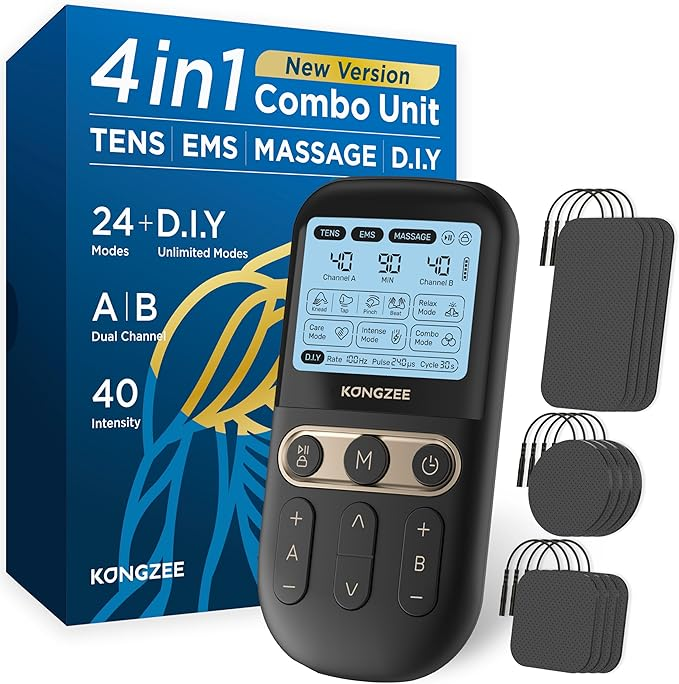
How TENS Units Work
To use a TENS unit, you simply stick the electrode pads on your lower abdomen or back, turn on the device, and let it work its magic. The electrical pulses can be adjusted to your comfort level, and many users report significant pain relief within minutes.
The science behind TENS is fascinating. The electrical stimulation triggers the release of endorphins, your body’s natural painkillers.
Additionally, it helps to relax tense muscles and improve blood circulation in the treated area, further reducing discomfort.
Pros of TENS Units
TENS units offer several advantages for menstrual pain relief:
- Drug-free pain management: For those who prefer to avoid medication, TENS provides an choice solution.
- Portability and discretion: Most modern TENS units are small enough to fit in your pocket or purse, allowing for on-the-go relief.
- Adjustable intensity levels: You can customize the strength of the electrical pulses to suit your pain level and comfort.
- Versatility: TENS units can be used for other types of pain as well, making them a multi-functional investment.
Cons of TENS Units
While TENS units are generally safe and effective, they do have some drawbacks:
- Learning curve: It may take some time to get used to the sensation and find the right settings for your body.
- Ongoing costs: The electrode pads need replacing periodically, which can add up over time.
- Not suitable for everyone: People with certain medical conditions, such as epilepsy or heart problems, should ask a doctor before using TENS.
2. Heat Therapy Devices: The Cozy Comforter
Heat therapy has been a go-to for menstrual cramps since time immemorial, but modern technology has given this old favorite a serious upgrade. From wearable heating pads to high-tech heat wraps, these devices offer targeted warmth to soothe your aching muscles.
>>Try this product from Amazon<<
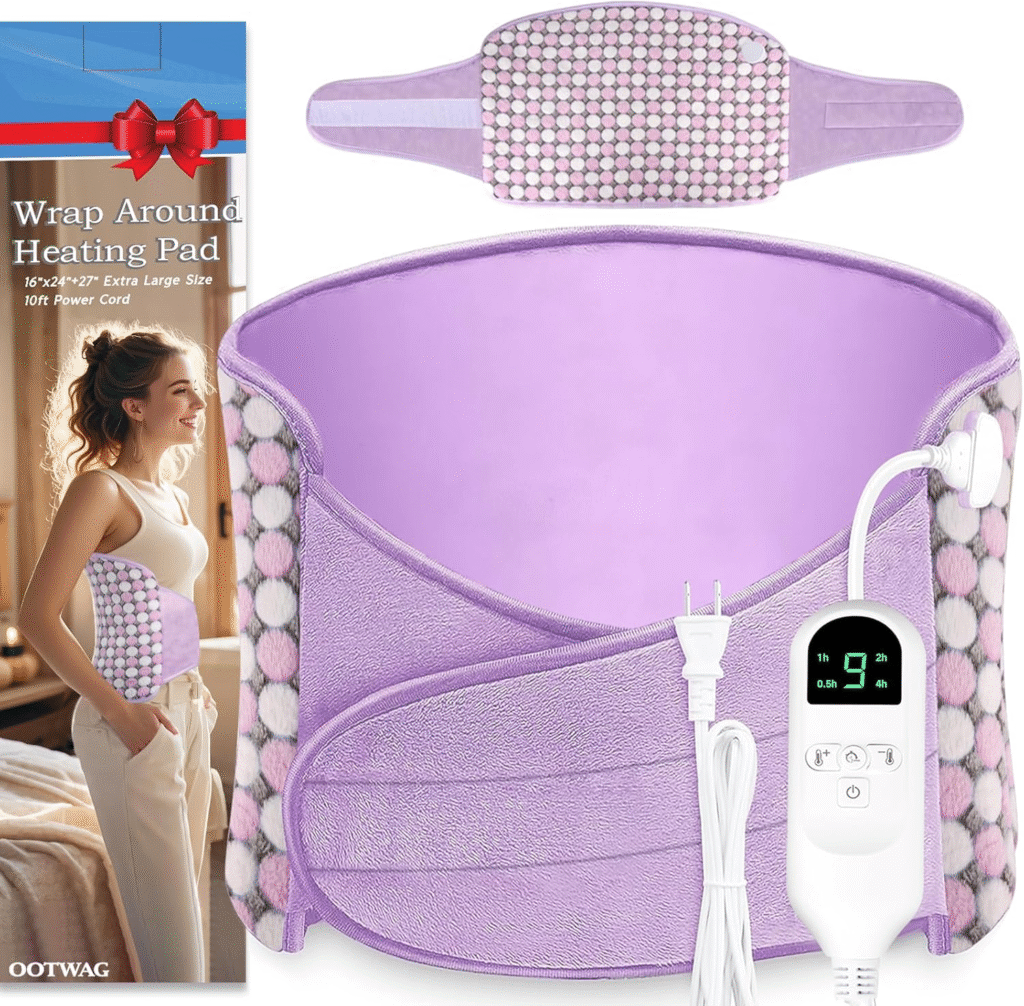
The Science of Heat Therapy
Heat therapy works by increasing blood flow to the affected area, helping to relax muscles and ease pain. When applied to the lower abdomen or back, it can significantly reduce the intensity of menstrual cramps.
The increased blood flow also helps to flush out prostaglandins, the hormone-like substances responsible for causing uterine contractions and pain during menstruation. By reducing the concentration of prostaglandins, heat therapy can provide substantial relief.
Types of Heat Therapy Devices
- Wearable heating pads: These wrap around your waist or lower back, providing hands-free heat therapy.
Many are rechargeable and can be worn discreetly under clothing.
- Microwaveable heat packs: Filled with materials like rice or gel, these can be quickly heated in the microwave for instant relief.
- Electric heating pads: These plug into an outlet and often come with adjustable heat settings and auto-shutoff features for safety.
- Heat patches: Adhesive patches that generate heat when exposed to air, providing up to 8 hours of continuous warmth.
Pros of Heat Therapy Devices
- Immediate comfort: The warmth provides instant relief and a soothing sensation.
- Drug-free option: Like TENS units, heat therapy offers pain relief without medication.
- Improved sleep: Many users find that using heat therapy before bed helps them sleep more comfortably during their period.
- Multi-functional: Heat therapy devices can be used for other types of muscle pain and soreness.
Cons of Heat Therapy Devices
- Temperature sensitivity: Some users may find constant heat uncomfortable, especially in warm climates.
- Limited mobility: Depending on the device, you may be tethered to an outlet or have limited movement.
- Potential for burns: It’s crucial to follow instructions carefully to avoid overheating or skin irritation.
3. Acupressure Devices: The Pressure Point Pro
Acupressure, an ancient healing practice rooted in Traditional Chinese Medicine, has found its way into modern menstrual pain management through innovative devices designed to target specific pressure points associated with pain relief.
>>Try this product from Amazon<<
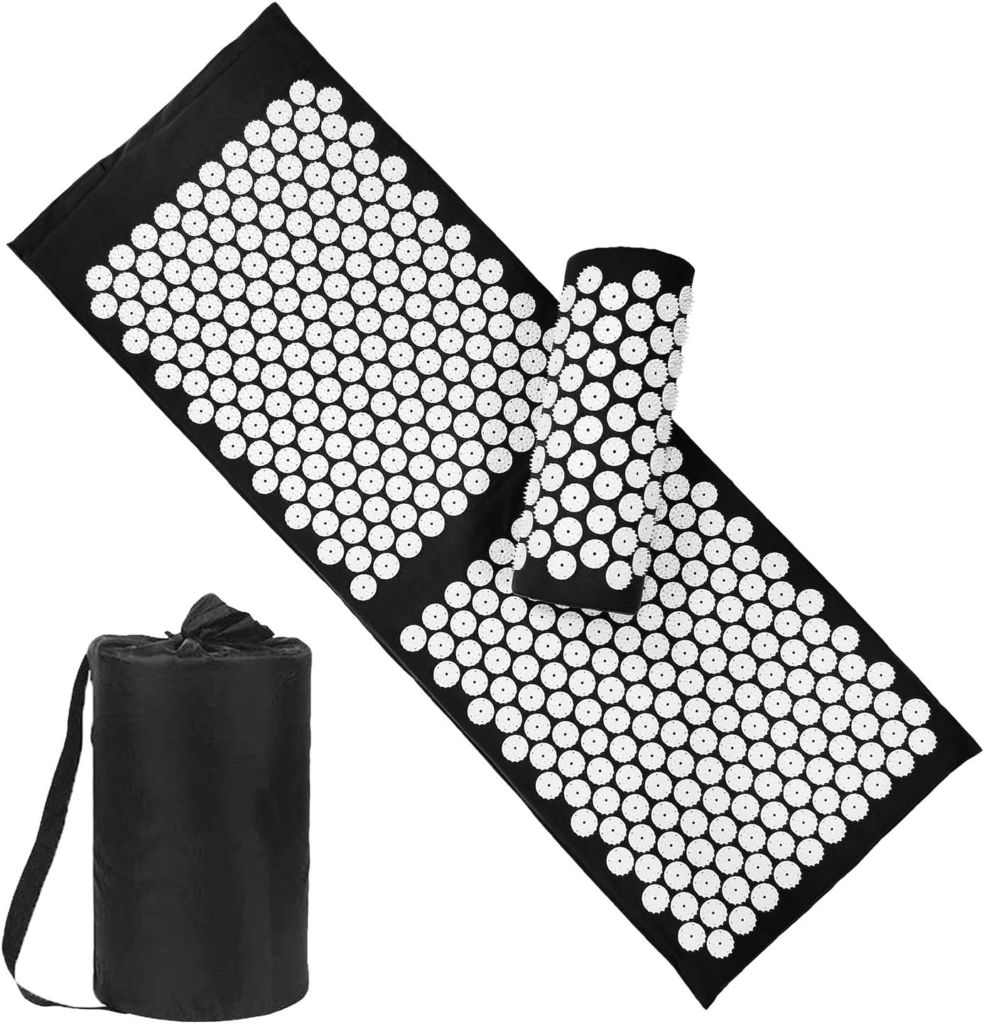
Understanding Acupressure for Menstrual Pain
Acupressure is based on the concept of qi (life energy) flowing through meridians in the body. By applying pressure to specific points, it’s believed that you can unblock energy pathways and reduce various symptoms, including menstrual pain.
For menstrual cramps, common acupressure points include:
- SP6 (Spleen 6): Located about four finger widths above the inner ankle bone.
- LI4 (Large Intestine 4): Found in the webbing between the thumb and index finger.
- CV6 (Conception Vessel 6): Located about two finger widths below the navel.
Types of Acupressure Devices
- Wearable clips: These small devices clip onto your underwear or stick to your skin, applying constant pressure to specific points.
- Acupressure bands: Similar to motion sickness bands, these target pressure points on the wrist.
- Acupressure mats: These larger mats feature numerous pressure points and can be used for full-body relief.
- Handheld acupressure tools: Designed for self-application, these allow you to target specific points as needed.
How Acupressure Devices Work
Most acupressure devices for menstrual pain are designed to be worn throughout the day. They apply constant, gentle pressure to specific points known to relieve menstrual pain. Some even mix acupressure with gentle electrical stimulation for enhanced effect.
Pros of Acupressure Devices
- Non-invasive treatment: Acupressure provides relief without needles or medication.
- Continuous relief: Many devices can be worn all day, providing ongoing pain management.
- Discreet: Most acupressure devices are small and can be worn unnoticed under clothing.
- Additional benefits: Acupressure may help with other menstrual symptoms like nausea and headaches.
Cons of Acupressure Devices
- Varied effectiveness: The results can differ significantly from person to person.
- Learning curve: It may take some trial and error to find the right placement and pressure for optimal relief.
- Potential discomfort: Some users may find the constant pressure uncomfortable, especially when worn for extended periods.
4. Massage Devices: The Tension Tamer
Massage has long been recognized as an effective way to relieve muscle tension and pain, including the discomfort associated with menstrual cramps. Modern massage devices bring this therapeutic technique into the comfort of your own home, offering targeted relief for menstrual pain.
>>Try this product from Amazon<<
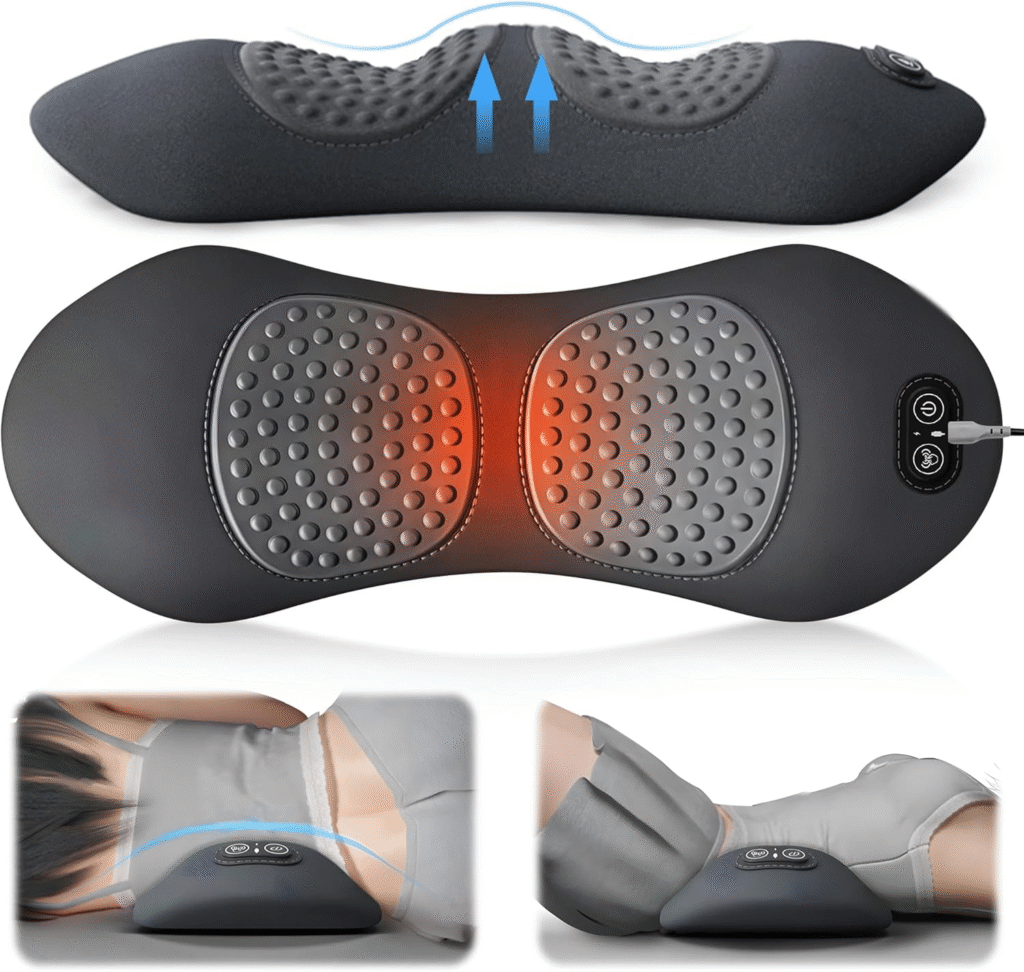
The Benefits of Massage for Menstrual Pain
Massage works to reduce menstrual cramps in several ways:
- Muscle relaxation: By kneading and manipulating the muscles, massage helps to release tension and reduce pain.
- Improved circulation: Massage increases blood flow to the affected areas, which can help reduce inflammation and pain.
- Endorphin release: The physical stimulation of massage triggers the release of endorphins, your body’s natural pain-relieving hormones.
- Stress reduction: Massage can help lower stress levels, which often exacerbate menstrual pain.
Types of Massage Devices for Menstrual Pain
- Handheld massagers: These come in various shapes and sizes, often with many attachments for different types of massage.
- Wearable vibrating devices: These can be strapped to your lower abdomen or back for hands-free relief.
- Massage pillows: Designed to target the lower back, these can be used while sitting or lying down.
- Massage guns: Originally designed for athletes, these powerful devices can provide deep tissue massage for severe cramps.
How to Use Massage Devices for Menstrual Pain
When using a massage device for menstrual cramps, focus on the lower abdomen, lower back, and upper thighs. Start with gentle pressure and gradually increase as comfortable.
Many users find relief with circular motions or by targeting specific acupressure points.
Pros of Massage Devices
- Immediate relief: Many users experience quick pain reduction with massage.
- Versatility: These devices can be used for other types of muscle pain and tension.
- Customizable: With various speeds and attachments, you can tailor the massage to your needs.
- Relaxation: Beyond pain relief, massage can provide overall relaxation and stress reduction.
Cons of Massage Devices
- Noise: Some massage devices, particularly more powerful ones, can be quite loud.
- Battery life: Cordless devices may need frequent charging.
- Learning curve: It may take some practice to find the right technique and pressure for your body.
- Cost: High-quality massage devices can be a significant investment.
5. Wearable Tech: The Smart Solution
The intersection of menstrual health and technology has given rise to a new category of devices: smart wearables designed specifically for period pain relief. These high-tech gadgets often mix many therapies into one sleek, app-controlled package.
>>Try this product from Amazon<<
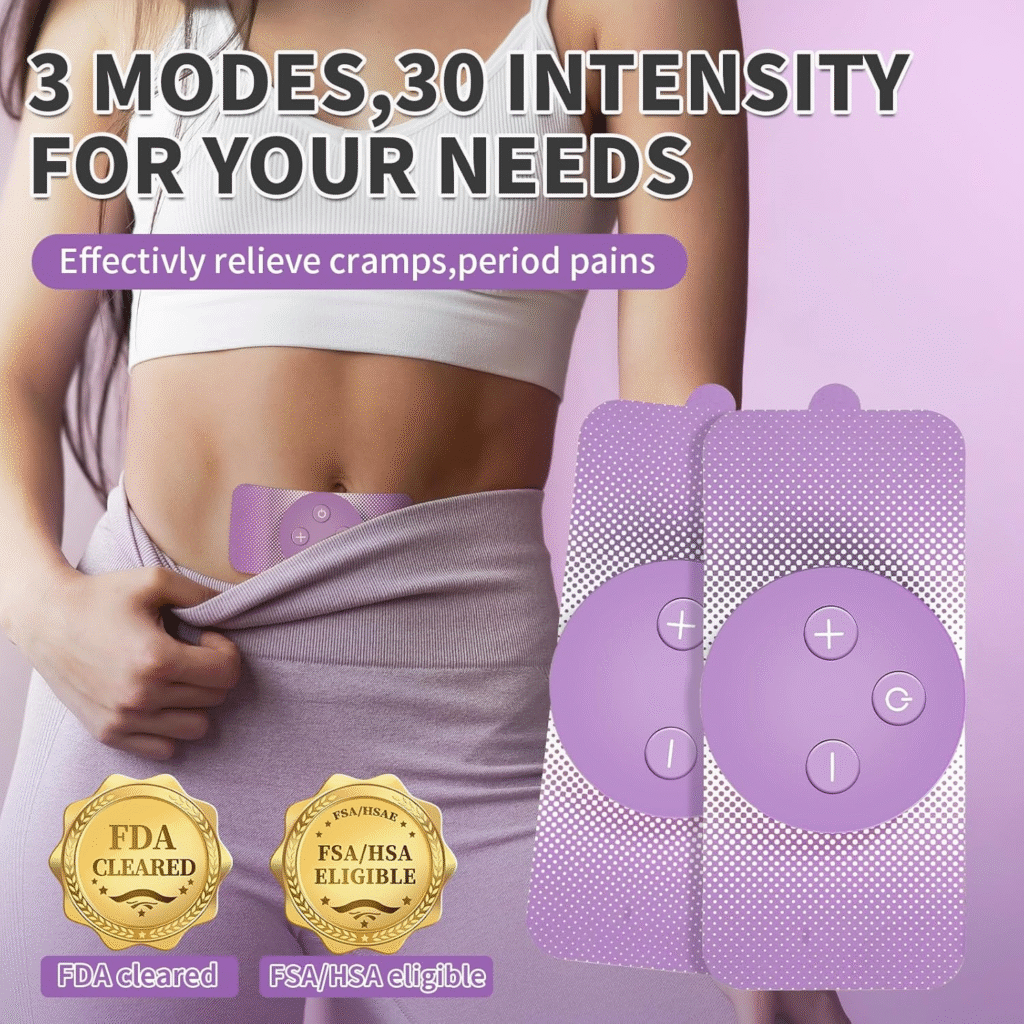
Features of Menstrual Pain Relief Wearables
- Heat therapy: Many devices incorporate adjustable heat settings for targeted warmth.
- TENS functionality: Some wearables include electrical stimulation for pain relief.
- Massage or vibration: Gentle vibrations can help relax tense muscles.
- App integration: Smartphone apps allow for easy control and customization of settings.
- Cycle tracking: Some devices help you predict and prepare for your period and associated symptoms.
How Menstrual Pain Relief Wearables Work
These devices typically attach to your lower abdomen or back using adhesive strips or special underwear. Once in place, you can control the device through a smartphone app, adjusting settings like heat intensity, electrical stimulation, or vibration patterns.
Many apps also allow you to track your cycle, log symptoms, and receive personalized recommendations for pain management. Some even use machine learning to predict your pain patterns and suggest preemptive treatments.
Pros of Menstrual Pain Relief Wearables
- All-in-one solution: These devices often mix many therapies for comprehensive relief.
- Discreet: Most are thin enough to wear undetected under clothing.
- Customizable: App integration allows for personalized treatment plans.
- Data-driven: Tracking features can help you understand your cycle and symptoms better over time.
- Hands-free: Once applied, these devices work without further intervention, allowing you to go about your day.
Cons of Menstrual Pain Relief Wearables
- Cost: These high-tech devices often come with a higher price tag than simpler options.
- Learning curve: With many features, it may take time to find the optimal settings for your body.
- Battery life: The need for frequent charging can be inconvenient.
- Smartphone dependency: Most need a compatible smartphone to control the device fully.
- Potential for technical issues: As with any tech product, there’s always a risk of software glitches or hardware malfunctions.
Choosing the Right Device for You
With so many options available, selecting the best menstrual cramp relief tool can feel overwhelming. Here are some factors to consider when making your choice:
- Pain intensity: For severe cramps, you might want to consider more powerful options like TENS units or combination devices.
- Lifestyle: If you’re always on the go, look for portable, discreet options that can be used anywhere.
- Personal preferences: Some people love the sensation of heat, while others prefer massage or electrical stimulation.
Choose a device that aligns with your comfort preferences.
- Budget: Prices can range from affordable heat packs to high-end smart wearables.
Determine how much you’re willing to invest in pain relief.
- Tech-savviness: If you’re not comfortable with gadgets, simpler options like heat therapy devices might be a better fit.
- Additional health concerns: If you have any underlying health conditions, ask with your healthcare provider before trying new devices, especially those using electrical stimulation.
What works for one person may not work for another. You might need to experiment with different devices or combinations to find your perfect pain relief solution.
The Future of Menstrual Pain Relief Technology
The field of menstrual health technology is rapidly evolving, with new innovations emerging regularly. Some exciting developments on the horizon include:
- AI-powered pain prediction: Advanced algorithms may soon be able to predict the onset and intensity of menstrual pain with high accuracy, allowing for proactive treatment.
- Nanotechnology: Researchers are exploring the use of nanoparticles for targeted drug delivery to reduce menstrual pain more effectively.
- Virtual reality therapy: VR technology could be used to create immersive, pain-distracting experiences specifically designed for menstrual discomfort.
- Personalized treatment plans: As wearable devices collect more data, we may see the development of highly personalized, AI-generated treatment protocols tailored to each person’s unique pain patterns and responses.
- Integration with smart home devices: Think of your smart home automatically adjusting the temperature or preparing a heat pack when your device detects the onset of menstrual pain.
Frequently Asked Questions
What is the best device for menstrual cramp relief?
The effectiveness of menstrual cramp relief devices varies from person to person. TENS units, heat therapy devices, and wearable tech solutions are all popular options.
It’s often useful to try different methods to find what works best for your body.
Are TENS units safe for menstrual pain?
TENS units are generally considered safe for menstrual pain relief when used as directed. However, people with certain medical conditions, such as epilepsy or heart problems, should ask a doctor before use.
How long should I use a heating pad for menstrual cramps?
Most healthcare providers recommend using a heating pad for 15-20 minutes at a time. Always follow the manufacturer’s instructions and avoid falling asleep with a heating pad to prevent burns.
Can acupressure really help with period pain?
Many people find acupressure effective for menstrual pain relief. While scientific evidence is mixed, acupressure is generally considered safe and may provide relief for some people.
Are menstrual pain relief wearables worth the investment?
For those with severe or persistent menstrual pain, high-tech wearables can be a worthwhile investment. They often mix many therapies and offer personalized treatment options.
However, simpler, less expensive devices may be enough for milder symptoms.
How often should I replace the electrode pads on my TENS unit?
The frequency of electrode pad replacement depends on usage and care. Generally, pads should be replaced when they no longer stick well to the skin, which could be after 20-30 uses.
Some high-quality pads may last longer.
Can I use menstrual pain relief devices if I have an IUD?
Most menstrual pain relief devices are safe to use with an IUD. However, it’s always best to ask with your healthcare provider, especially if you’re considering using electrical stimulation devices like TENS units.
Do massage devices help with endometriosis pain?
While massage can provide temporary relief for some endometriosis symptoms, it’s not a cure. Many people with endometriosis find that a combination of treatments, including massage, can help manage pain. Always ask with a healthcare provider for proper endometriosis management.
Are there any side effects to using these devices?
Most menstrual pain relief devices have minimal side effects when used correctly. However, some people may experience skin irritation from electrode pads or heat therapy.
Electrical stimulation devices can cause tingling sensations that some find uncomfortable.
Always follow the manufacturer’s instructions and discontinue use if you experience any adverse effects.
Can these devices replace pain medication for menstrual cramps?
While many people find significant relief from these devices, they may not completely eliminate the need for pain medication in all cases. It’s best to work with your healthcare provider to develop a comprehensive pain management plan that may include both devices and medication as needed.
Key Takeaways
- Modern technology offers a wide range of options for menstrual pain relief, from TENS units to smart wearables.
- Each type of device has its own set of pros and cons, and effectiveness can vary from person to person.
- Factors like pain intensity, lifestyle, personal preferences, and budget should guide your choice of device.
- It’s often useful to experiment with different devices or combinations to find the most effective solution for your body.
- While these devices can provide significant relief, they should be used in conjunction with, not as a replacement for, professional medical advice.
Everlywell 360 Full Body Test – 83 Biomarkers
Get a complete, high-level view of your health with one at-home test. This comprehensive panel measures 83 biomarkers across key health systems so you can spot trends, risks, and imbalances early.
- ✔ 83 biomarkers across metabolic, heart, thyroid, hormone & nutrient health
- ✔ CLIA-certified lab analysis
- ✔ Physician-reviewed results with clear explanations
- ✔ Simple at-home blood sample
FSA/HSA eligible • Comprehensive full-body insights
Find out our recommended supplements for cramps; visit: https://www.vitalwomenwellness.com/natural-relief-top-7-supplements-for-cramps/
Disclaimer
The information contained in this post is for general information purposes only. The information is provided by Menstrual Cramp Relief Tools and while we endeavor to keep the information up to date and correct, we make no representations or warranties of any kind, express or implied, about the completeness, accuracy, reliability, suitability or availability with respect to the website or the information, products, services, or related graphics contained on the post for any purpose.