

As someone who’s battled seasonal allergies for years, I know firsthand how frustrating and debilitating they can be. The constant sneezing, itchy eyes, and runny nose can really put a damper on enjoying the beauty of changing seasons.
While over-the-counter antihistamines are readily available, many of us are looking for more natural choices to manage our symptoms.
In this guide, I’ll share some effective natural antihistamines that have worked wonders for me and many other women dealing with seasonal allergies.
Understanding Seasonal Allergies
Seasonal allergies, also known as hay fever or allergic rhinitis, occur when our immune system overreacts to airborne substances like pollen, mold spores, or dust. This overreaction triggers the release of histamines, which cause those all-too-familiar allergy symptoms.
When allergens enter our body, our immune system mistakenly identifies them as harmful invaders. In response, it produces antibodies called Immunoglobulin E (IgE).
These antibodies attach to cells in our blood vessels and airways, causing them to release histamine and other chemicals.
This release leads to inflammation and the classic allergy symptoms we all dread.
Common symptoms of seasonal allergies include:
- Sneezing
- Runny or stuffy nose
- Itchy or watery eyes
- Itchy throat or ears
- Postnasal drip
- Fatigue
- Headaches
For some women, these symptoms can be mild and manageable. For others, they can significantly impact daily life, affecting sleep, work performance, and overall quality of life.
The Importance of Quercetin
One of the most potent natural antihistamines I’ve come across is quercetin. This flavonoid is found in many fruits and vegetables and has impressive anti-inflammatory and antihistamine properties. Quercetin works by stabilizing mast cells, which are responsible for releasing histamine in the body.
Quercetin’s effectiveness comes from its ability to inhibit the production and release of histamine. It also helps reduce inflammation in the airways, which can provide relief from nasal congestion and other respiratory symptoms associated with allergies.
You can find quercetin in foods like:
- Apples (especially the skin)
- Onions
- Citrus fruits
- Berries
- Broccoli
- Green tea
However, for more potent effects, I often recommend a quercetin supplement during allergy season. When choosing a supplement, look for one that also contains bromelain, an enzyme that can enhance quercetin absorption.
Start with a lower dose and gradually increase it, always consulting with your healthcare provider first. A typical dose ranges from 500 to 1000 mg per day, taken in divided doses.
Stinging Nettle: Nature’s Antihistamine
Stinging nettle might sound intimidating, but it’s actually a fantastic natural antihistamine. This herb has been used for centuries to treat various ailments, including allergies.
Stinging nettle contains compounds that can block histamine receptors and reduce inflammation.
The antihistamine properties of stinging nettle are attributed to its ability to reduce the amount of histamine the body produces in response to an allergen. It also contains anti-inflammatory compounds that can help reduce allergy symptoms.
I usually take stinging nettle in the form of a tea or capsule. If you’re brewing the tea, steep it for at least 5 minutes to extract the most benefits.
Some women find relief by taking freeze-dried stinging nettle capsules before allergy season begins and continuing throughout the season.
When using stinging nettle, keep in mind:
- Start with a lower dose and increase gradually
- Look for products made from the leaves, not the root
- If you’re pregnant or breastfeeding, ask your healthcare provider before use
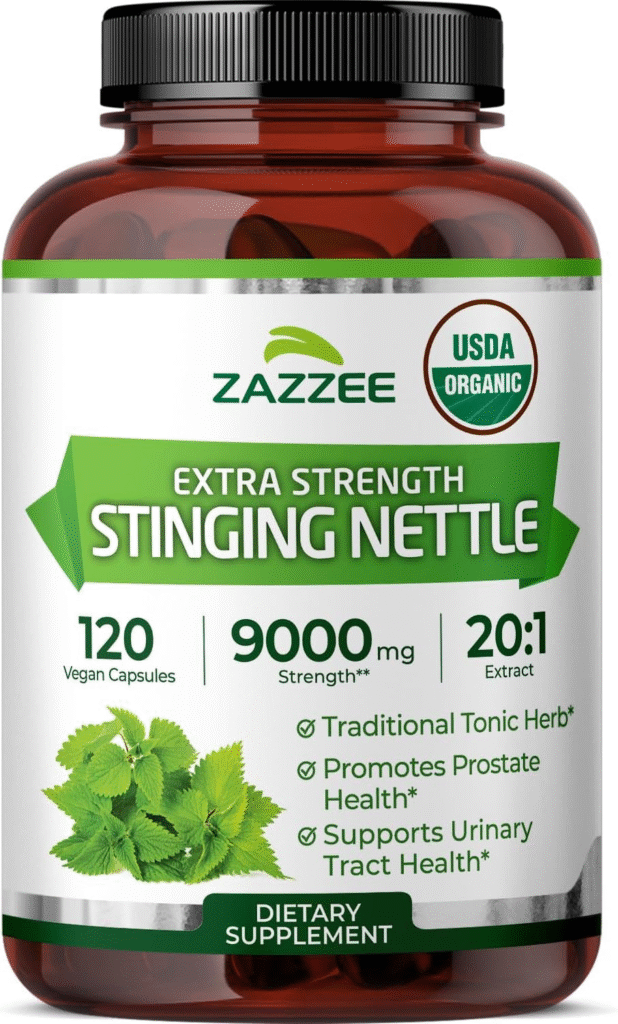
Recommended Product: Zazzee USDA Organic Stinging Nettle
Butterbur: A Powerful Ally Against Allergies
Butterbur is another herb that’s gained recognition for its antihistamine properties. Studies have shown that butterbur can be as effective as some over-the-counter antihistamines in reducing allergy symptoms, without the drowsiness often associated with conventional medications.
The active compounds in butterbur, called petasins, have anti-inflammatory effects and can help reduce the swelling in nasal passages that causes congestion. They also inhibit leukotriene production, which is involved in allergic reactions.
When using butterbur, it’s crucial to choose a product that’s labeled “PA-free,” as raw butterbur contains compounds called pyrrolizidine alkaloids that can be harmful to the liver. Always follow the recommended dosage on the product label.
A typical dose of butterbur extract is 50-75 mg twice daily. It’s best to take butterbur with meals to reduce the chance of stomach upset.
Recommended Product: Vitanica, Butterbur Extra
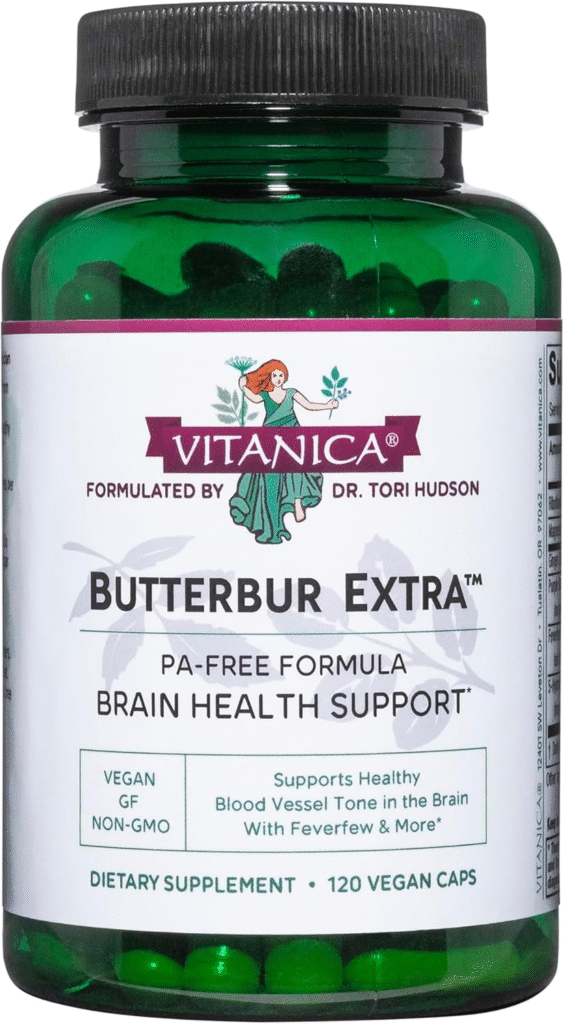
Vitanica, Butterbur Extra
Boosting Your Defenses with Vitamin C
Vitamin C is a natural antihistamine that also supports overall immune function. This powerful antioxidant can help reduce the amount of histamine your body produces in response to allergens.
Vitamin C works in several ways to combat allergies:
- It enhances the function of immune cells, helping them identify and neutralize allergens more effectively.
- It acts as a natural antihistamine by reducing histamine production and helping your body break down histamine more quickly.
- Its antioxidant properties help reduce inflammation throughout the body, including in the airways and nasal passages.
While you can certainly get vitamin C from foods like citrus fruits, berries, and leafy greens, during allergy season, I often recommend a supplement to confirm you’re getting a therapeutic dose. A typical dose for allergy relief ranges from 1000 to 2000 mg per day, taken in divided doses.
When choosing a vitamin C supplement, look for one that includes bioflavonoids, which can enhance the absorption and effectiveness of vitamin C.
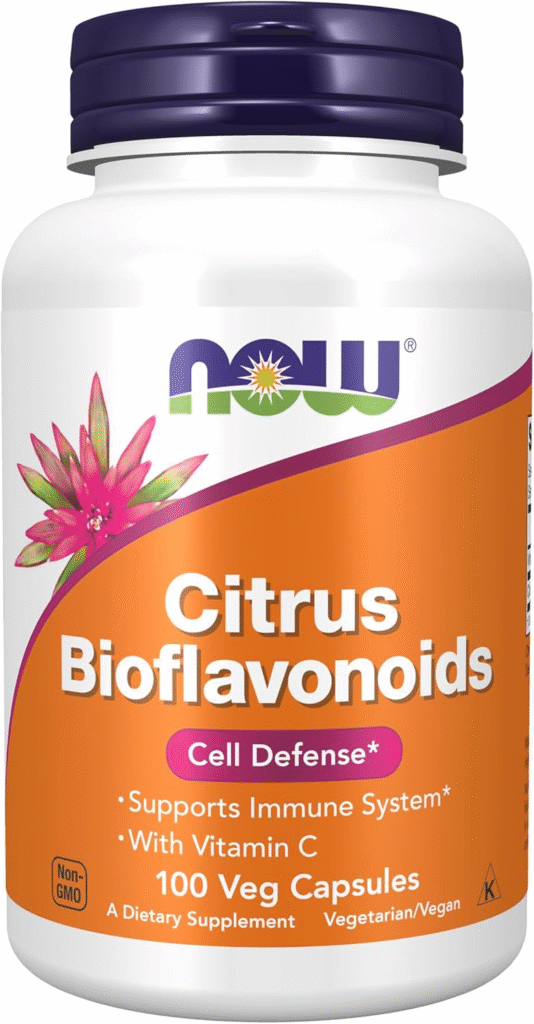
Recommended Product: NOW Supplements, Citrus Bioflavonoids
The Role of Probiotics in Allergy Management
You might be surprised to learn that the health of your gut can significantly impact your allergies. Probiotics, the beneficial bacteria in our digestive system, play a crucial role in modulating our immune response.
The connection between gut health and allergies comes from the fact that a large portion of our immune system is located in our gut. When our gut microbiome is balanced, it helps regulate our immune response, potentially reducing overreactions to allergens.
Some studies have shown that certain probiotic strains can help reduce allergy symptoms and improve quality of life for allergy sufferers. Specifically, strains like Lactobacillus rhamnosus GG and Bifidobacterium lactis have shown promise in alleviating allergy symptoms.
Look for a high-quality probiotic supplement that contains these strains. You can also increase your intake of probiotic-rich foods like:
- Yogurt
- Kefir
- Sauerkraut
- Kimchi
- Kombucha
When starting a probiotic regimen, begin with a lower dose and gradually increase it. This can help minimize potential side effects like bloating or gas that some people experience when first introducing probiotics.
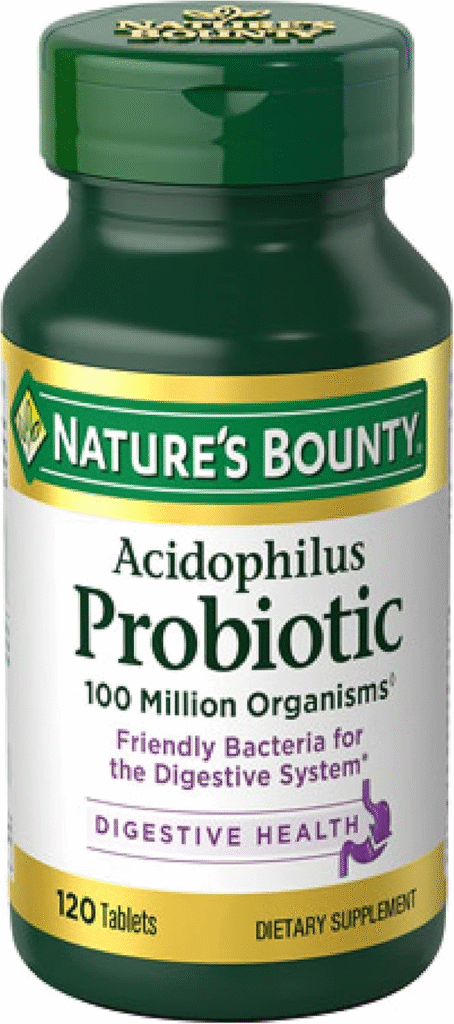
Recommended Product: Nature’s Bounty Lactobacillus Acidophilus Probiotic Supplement
Omega-3 Fatty Acids: Anti-Inflammatory Powerhouses
Omega-3 fatty acids, particularly EPA and DHA found in fish oil, have potent anti-inflammatory properties that can help manage allergy symptoms. These essential fats can reduce the production of inflammatory substances in the body, potentially lessening the severity of allergic reactions.
Omega-3s work by:
- Reducing the production of inflammatory molecules like leukotrienes and prostaglandins
- Promoting the production of anti-inflammatory compounds
- Helping to balance the immune system’s response to allergens
If you’re not a fan of fish, consider a high-quality fish oil supplement. Look for a product that provides at least 1000 mg of combined EPA and DHA per day.
For vegetarians or vegans, algae-based omega-3 supplements are available.
Alternatively, plant-based sources of omega-3s include:
- Flaxseeds
- Chia seeds
- Walnuts
- Hemp seeds
However, these contain a different type of omega-3 (ALA) that the body must convert to EPA and DHA. This conversion process is not very efficient, so you may need to consume larger amounts to see benefits.
Recommended Product: Triple Strength Omega 3 Fish Oil
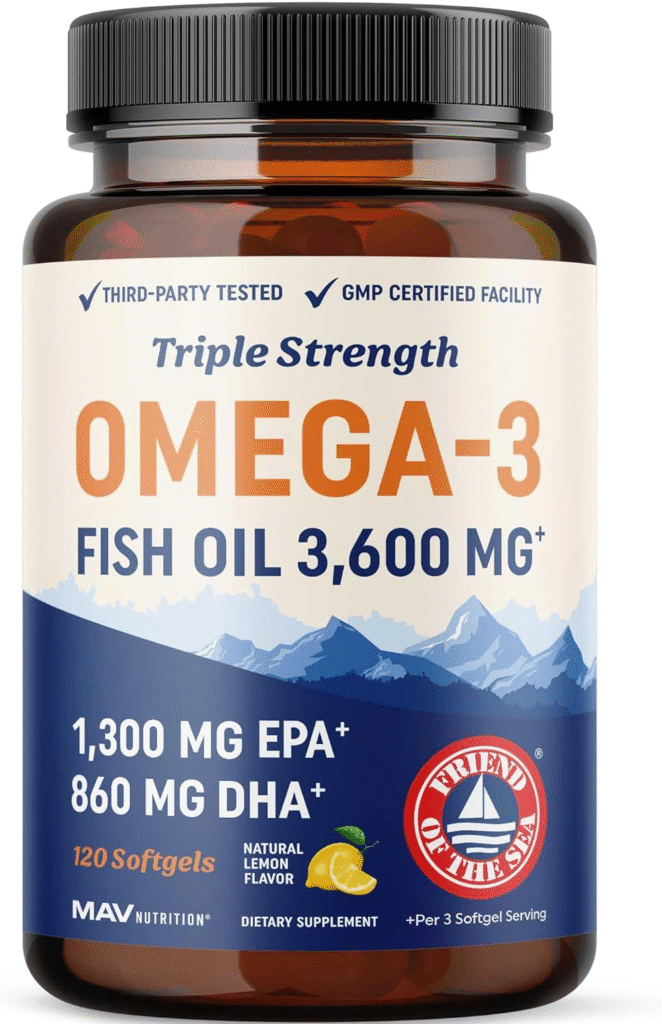
Triple Strength Omega 3 Fish Oil
Turmeric: The Golden Spice for Allergy Relief
Turmeric, with its active compound curcumin, is renowned for its anti-inflammatory and antioxidant properties. While not a direct antihistamine, turmeric can help modulate the immune response and reduce inflammation associated with allergies.
Curcumin works by:
- Inhibiting the release of histamine from mast cells
- Reducing inflammation in the airways
- Modulating the immune system to prevent overreaction to allergens
I love adding turmeric to my cooking, but for more potent effects, you might consider a curcumin supplement. Look for products that include black pepper extract (piperine) to enhance absorption.
A typical dose of curcumin for allergy relief is 500-1000 mg per day.
When using turmeric or curcumin supplements, be aware that they can interact with certain medications, including blood thinners. Always ask with your healthcare provider before starting any new supplement regimen.
Recommended Product: NatureWise Curcumin Turmeric
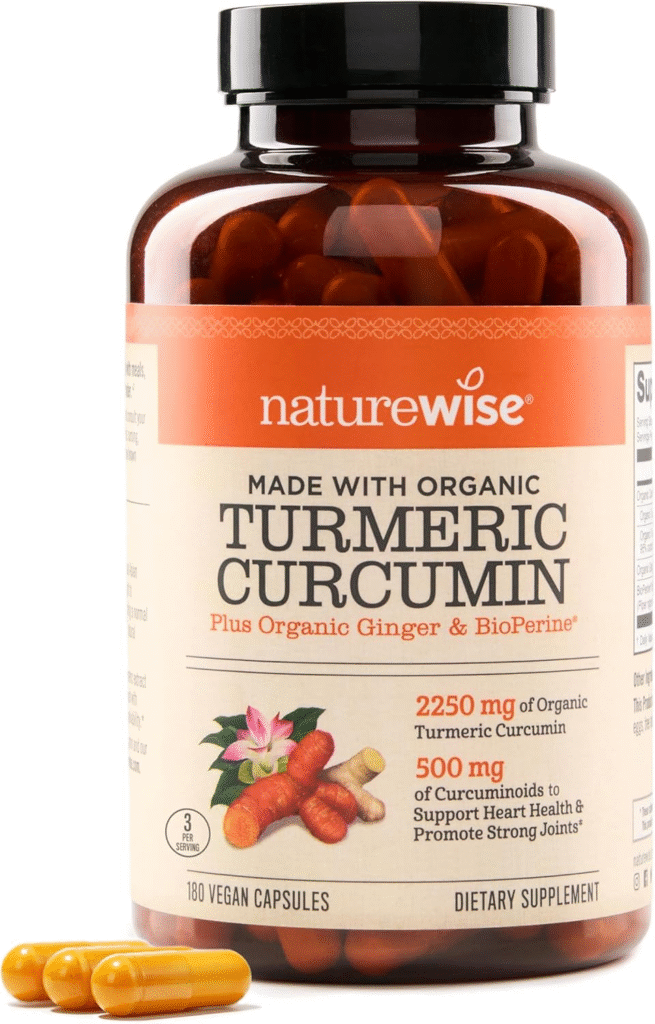
The Soothing Importance of Herbal Teas
Herbal teas can be a comforting and effective way to manage allergy symptoms. Some of my favorites include:
- Peppermint tea: Known for its ability to relieve nasal congestion and headaches.
The menthol in peppermint acts as a decongestant, helping to break up mucus and clear airways.
- Green tea: Rich in antioxidants that can help reduce inflammation.
It also contains a compound called EGCG, which has been shown to have antihistamine properties.
- Ginger tea: Has natural antihistamine properties and can help boost the immune system.
Ginger also has anti-inflammatory effects that can help reduce swelling in the nasal passages.
- Chamomile tea: Offers anti-inflammatory benefits and can help you relax, which is important as stress can exacerbate allergy symptoms.
Chamomile also contains compounds that can help reduce histamine release.
To get the most benefit from these teas, steep them for at least 5-10 minutes. You can drink them hot or cold, and feel free to add a bit of honey for extra soothing effects (local honey may even provide extra allergy relief).
Lifestyle Strategies for Allergy Management
While natural antihistamines can be incredibly helpful, don’t forget about lifestyle strategies to reduce your exposure to allergens:
- Keep windows closed during high pollen days.
This simple step can significantly reduce the amount of allergens entering your home.
- Shower and change clothes after spending time outdoors.
This helps remove any pollen that may have accumulated on your skin or clothing.
- Use a HEPA air purifier in your home.
These devices can remove up to 99.97% of airborne particles, including pollen, dust, and pet dander.
- Practice nasal irrigation with a neti pot to flush out allergens.
This ancient technique can help clear your nasal passages of allergens and excess mucus.
- Reduce stress through practices like meditation or yoga, as stress can worsen allergy symptoms.
Stress can increase inflammation in the body and make you more susceptible to allergic reactions.
- Wear sunglasses when outdoors to protect your eyes from airborne allergens.
- Avoid hanging laundry outside to dry during high pollen seasons, as pollen can stick to your clothes.
- Keep your home clean and dust-free.
Regular vacuuming (with a HEPA filter vacuum) and dusting can help reduce indoor allergens.
- Consider using allergen-proof covers for your mattress and pillows to reduce exposure to dust mites.
- Monitor pollen counts and plan outdoor activities accordingly.
Many weather apps and websites provide daily pollen forecasts.
The Importance of a Personalized Approach
What works for one person may not work for another. It’s essential to listen to your body and work with a healthcare provider to find the best combination of natural antihistamines and strategies for your unique situation.
Some women find relief with a single remedy, while others benefit from a combination approach. Keep a journal to track your symptoms and the effectiveness of different remedies.
This can help you and your healthcare provider fine-tune your allergy management plan over time.
Remember that natural remedies, while generally safe, can still interact with medications or have side effects. Always ask with a healthcare professional before starting any new supplement or treatment regimen, especially if you’re pregnant, breastfeeding, or have underlying health conditions.
Exploring Lesser-Known Natural Antihistamines
While we’ve covered some of the most popular natural antihistamines, there are several lesser-known options that might be worth exploring:
Nigella Sativa (Black Seed)
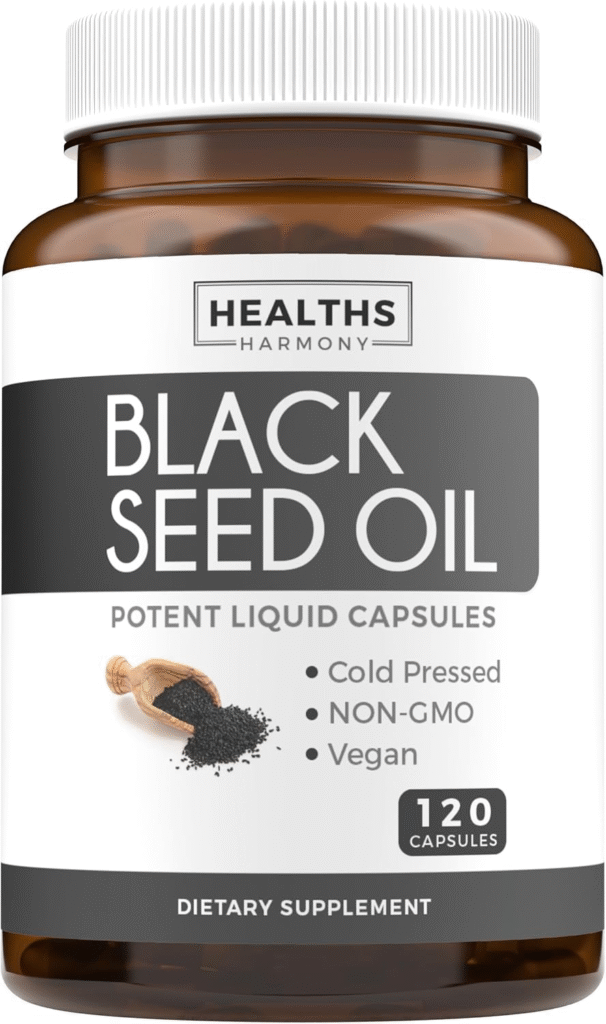
Also known as black cumin, this herb has been used in traditional medicine for centuries. Recent studies have shown that it may have antihistamine and anti-inflammatory properties, making it potentially beneficial for allergy sufferers.
Black seed oil contains thymoquinone, a compound that has been shown to reduce allergic airway inflammation in animal studies. Some people take black seed oil capsules or add the oil to their food or drinks.
>>Try this product from Amazon<<
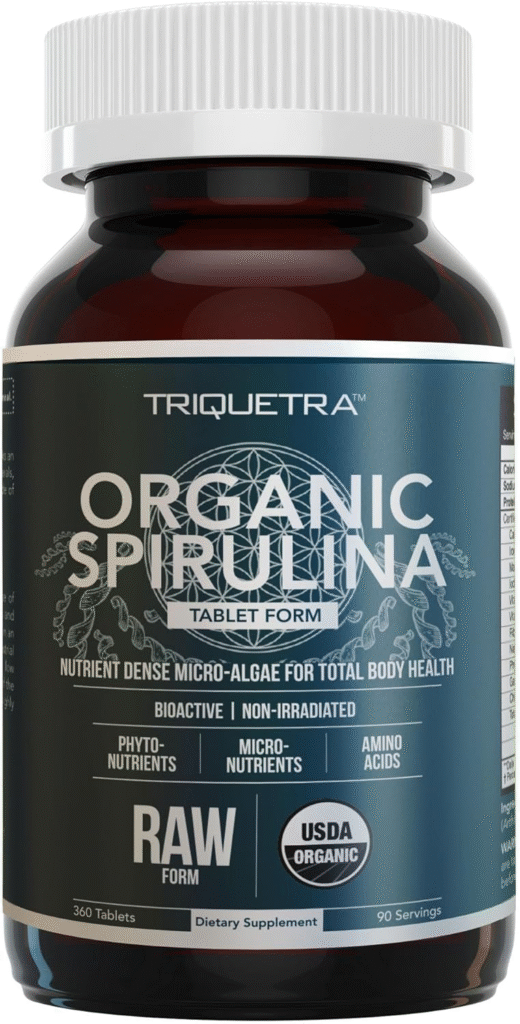
Spirulina
This blue-green algae is packed with nutrients and has been shown to have anti-inflammatory and immune-modulating effects. Some research suggests it may help reduce nasal allergy symptoms.
Spirulina contains phycocyanin, a pigment-protein complex with powerful antioxidant and anti-inflammatory properties. It may help reduce the release of histamine from mast cells.
>>Try this product from Amazon<<
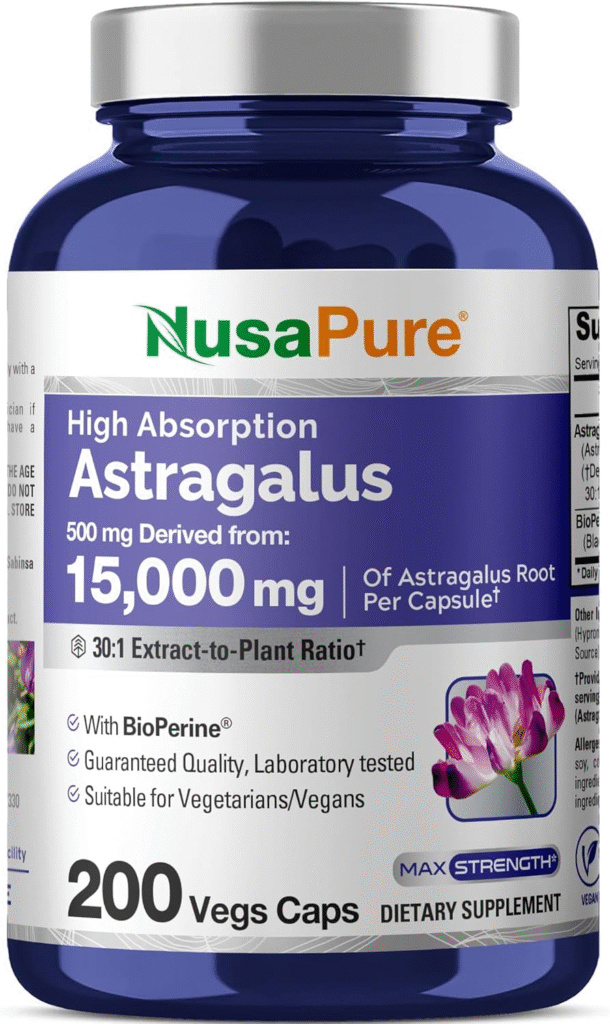
Astragalus
This herb, commonly used in Traditional Chinese Medicine, is known for its immune-boosting properties. While more research is needed, some studies suggest it may help reduce allergy symptoms.
Astragalus contains compounds that may help modulate the immune system and reduce inflammation. It’s often taken as a supplement or used in teas and soups.
When exploring these lesser-known options, start with small doses and watch your body’s response. As with any new supplement, it’s wise to ask with a healthcare provider before adding them to your regimen.
>>Try this product from Amazon<<
The Role of Essential Oils in Allergy Relief
Essential oils can be a complementary approach to managing allergy symptoms. Some oils that may be particularly helpful include:
- Eucalyptus oil: Known for its ability to clear nasal passages and ease breathing.
The main compound in eucalyptus oil, 1,8-cineole, has anti-inflammatory and decongestant properties.
- Peppermint oil: Can help relieve nasal congestion and headaches.
The menthol in peppermint oil provides a cooling sensation that can help you feel like you’re breathing more easily.
- Lavender oil: Has anti-inflammatory properties and can promote relaxation, which is beneficial as stress can exacerbate allergy symptoms.
Lavender oil may also help reduce histamine release.
- Tea tree oil: Known for its antimicrobial properties, it may help prevent secondary infections that can occur with prolonged allergies.
- Lemon oil: Has natural antihistamine properties and can help boost the immune system.
When using essential oils, always dilute them properly and consider using them in a diffuser or as part of a steam inhalation. For topical use, mix a few drops with a carrier oil like coconut or jojoba oil before applying to the skin.
Remember that essential oils are potent and can cause skin irritation or allergic reactions in some people. Always do a patch test before using a new oil, and avoid ingesting essential oils unless under the guidance of a qualified aromatherapist or healthcare provider.
The Gut-Allergy Connection: Healing from Within
We’ve touched on the importance of probiotics, but the gut-allergy connection goes even deeper. A growing body of research suggests that improving overall gut health can have a significant impact on allergies and other immune-related conditions.
The gut microbiome plays a crucial role in regulating our immune system. When our gut bacteria are out of balance (a condition known as dysbiosis), it can lead to an overactive immune response, potentially exacerbating allergies.
Consider incorporating gut-healing foods into your diet, such as:
- Bone broth: Rich in collagen and amino acids that can help heal the gut lining.
- Fermented foods: Beyond just probiotics, fermented foods like sauerkraut, kimchi, and kefir provide a wide range of beneficial bacteria.
- Prebiotic-rich foods: These feed the good bacteria in your gut.
Examples include garlic, onions, leeks, asparagus, and Jerusalem artichokes.
- Fiber-rich foods: Fiber acts as food for beneficial gut bacteria.
Include plenty of fruits, vegetables, and whole grains in your diet.
- Omega-3 rich foods: As mentioned earlier, these have anti-inflammatory properties that can benefit both gut and overall health.
Some women find that following an anti-inflammatory diet, which typically involves reducing processed foods and increasing intake of whole foods, can help manage their allergy symptoms. This type of diet focuses on foods that don’t promote inflammation in the body, potentially reducing the overall allergic response.
The Importance of Local Honey
While scientific evidence is mixed, many people swear by the allergy-fighting properties of local honey. The theory is that consuming small amounts of local pollen through honey can help your body build tolerance over time.
Local honey contains small amounts of pollen from local plants. By consuming this honey regularly, you’re exposing your body to tiny amounts of the allergens in your area.
Over time, this may help your immune system become less reactive to these allergens.
If you decide to try this approach, make sure to start with small amounts and be aware that it may take several months to see any potential benefits. Also, confirm you’re getting truly local honey from a reputable source.
Remember that this approach may not work for everyone, and those with severe allergies should ask with their healthcare provider before trying it. Additionally, honey should never be given to infants under one year old because of the risk of botulism.
Acupuncture for Allergy Relief
Acupuncture, an ancient Chinese healing practice, has shown promise in managing allergy symptoms. Some studies suggest that acupuncture can help reduce nasal symptoms and improve quality of life for allergy sufferers.
Acupuncture works by stimulating specific points on the body to promote healing and balance. For allergies, acupuncture may help by:
- Reducing inflammation in the nasal passages
- Boosting the immune system
- Regulating the nervous system to reduce stress (which can exacerbate allergies)
- Promoting overall balance in the body
If you’re interested in trying acupuncture, be sure to find a licensed practitioner with experience in treating allergies. It’s typically recommended to start with a series of treatments, often once or twice a week for several weeks, to see the best results.
The Importance of Proper Hydration
Staying well-hydrated is crucial for managing allergy symptoms. Water helps thin mucus secretions, making it easier to clear airways.
It also supports overall immune function.
When you’re dehydrated, your body produces histamine as part of its response to conserve water. This can potentially worsen allergy symptoms.
By staying hydrated, you can help reduce this histamine response.
Aim to drink plenty of water throughout the day. A general guideline is to drink at least 8 glasses (64 ounces) of water per day, but your needs may vary based on your activity level, climate, and person factors.
Herbal teas can count towards your fluid intake, providing the added benefit of potential anti-inflammatory properties. However, be cautious with caffeinated beverages, as they can be dehydrating if consumed in large amounts.
Creating an Allergy-Friendly Home Environment
In addition to using air purifiers and HEPA filters, consider these strategies for reducing allergens in your home:
- Use allergen-proof covers on pillows and mattresses.
These covers create a barrier that prevents dust mites from penetrating your bedding.
- Wash bedding weekly in hot water.
This helps eliminate dust mites and other allergens that accumulate in your bedding.
- Keep pets out of the bedroom, especially if you’re allergic to pet dander.
If you can’t bear to part with your dog at night, at least keep them off the bed.
- Remove shoes when entering the house to avoid tracking in pollen and other allergens.
Consider placing a mat at your entryway for people to wipe their feet.
- Consider replacing carpets with hard flooring, which is easier to keep allergen-free.
If you must have carpets, vacuum them regularly with a HEPA filter vacuum.
- Use a dehumidifier to keep humidity levels below 50%.
This helps prevent mold growth and reduces dust mite populations.
- Clean or replace air filters in your heating and cooling systems regularly.
This helps prevent the circulation of allergens throughout your home.
- Keep windows closed during high pollen days, but open them regularly on low pollen days to allow fresh air circulation.
- Use natural cleaning products to reduce exposure to harsh chemicals that can irritate airways and exacerbate allergy symptoms.
- Consider using an air quality watch to keep track of allergen levels in your home and take action when they rise.
The Role of Exercise in Managing Allergies
Regular exercise can help manage allergy symptoms by boosting overall immune function and reducing inflammation. Exercise promotes better circulation, which can help flush allergens from your system more efficiently.
However, if you’re exercising outdoors, be mindful of pollen levels. Consider these tips:
- Check pollen forecasts and plan your outdoor workouts accordingly.
- Exercise early in the morning or later in the evening when pollen counts are typically lower.
- Wear sunglasses and a hat to protect your eyes and face from pollen.
- Shower and change clothes immediately after outdoor exercise.
- Consider indoor workouts on high pollen days.
While exercise is useful, intense workouts can temporarily suppress your immune system. Moderate, regular exercise is generally best for supporting immune function and managing allergies.
Mindfulness and Stress Reduction Techniques
Stress can exacerbate allergy symptoms, so incorporating stress-reduction techniques into your daily routine can be useful. Consider practices like:
- Meditation: Even just 10 minutes a day can help reduce stress and promote overall well-being.
- Deep breathing exercises: These can help calm your nervous system and may even help clear your nasal passages.
- Progressive muscle relaxation: This technique involves tensing and relaxing different muscle groups, promoting overall relaxation.
- Yoga: Combines physical postures, breathing techniques, and meditation for a comprehensive stress-reduction approach.
- Journaling: Writing down your thoughts and feelings can help process emotions and reduce stress.
These practices help reduce stress but can also promote overall well-being, which can indirectly support your body’s ability to manage allergies. They can also help you become more aware of your body and its reactions, allowing you to better manage your allergy symptoms.
Key Takeaways
- Natural antihistamines like quercetin, stinging nettle, and butterbur can be effective choices to conventional allergy medications.
- Supporting your immune system with vitamin C, probiotics, and omega-3 fatty acids can help manage allergy symptoms.
- Anti-inflammatory compounds like those found in turmeric can complement antihistamine effects.
- Herbal teas offer soothing relief and extra health benefits.
- Combining natural remedies with lifestyle strategies can provide comprehensive allergy management.
People Also Asked
What are the most effective natural antihistamines?
Quercetin, stinging nettle, and butterbur are among the most effective natural antihistamines. These compounds work by stabilizing mast cells and reducing histamine production in the body.
Can vitamin C help with allergies?
Yes, vitamin C can help with allergies. It acts as a natural antihistamine and can help reduce the amount of histamine your body produces in response to allergens.
Is local honey effective for treating seasonal allergies?
While scientific evidence is mixed, some people find local honey helpful for seasonal allergies. The theory is that consuming small amounts of local pollen through honey can help build tolerance over time.
How do probiotics help with allergies?
Probiotics can help with allergies by modulating the immune system and potentially reducing allergic responses. They support gut health, which is closely linked to overall immune function.
Are there any essential oils that can help with allergy symptoms?
Yes, essential oils like eucalyptus, peppermint, and lavender may help relieve allergy symptoms. They can be used in diffusers or as part of steam inhalation to help clear nasal passages and reduce inflammation.
Can changing my diet help with seasonal allergies?
Yes, adopting an anti-inflammatory diet rich in fruits, vegetables, and omega-3 fatty acids may help reduce allergy symptoms. Foods high in quercetin, like apples and onions, may be particularly beneficial.
Is acupuncture effective for allergy relief?
Some studies suggest that acupuncture can help reduce nasal symptoms and improve quality of life for allergy sufferers. It may work by reducing inflammation and boosting the immune system.
How can I reduce allergens in my home?
Using HEPA air purifiers, keeping windows closed during high pollen days, washing bedding regularly in hot water, and using allergen-proof covers on mattresses and pillows can help reduce allergens in your home.
Can stress make my allergies worse?
Yes, stress can exacerbate allergy symptoms. Stress reduction techniques like meditation, deep breathing exercises, and yoga may help manage both stress and allergy symptoms.
Are there any natural decongestants that can help with allergy symptoms?
Natural decongestants like eucalyptus, peppermint, and ginger may help relieve nasal congestion associated with allergies. These can be consumed as teas or used in essential oil form.
Disclaimer
The information contained in this post is for general information purposes only. The information is provided by Natural Antihistamines for Women with Seasonal Allergies: A Comprehensive Guide and while we endeavor to keep the information up to date and correct, we make no representations or warranties of any kind, express or implied, about the completeness, accuracy, reliability, suitability or availability with respect to the website or the information, products, services, or related graphics contained on the post for any purpose.