
Iron deficiency is incredibly common among women, often leading to fatigue and poor circulation. I’ve personally struggled with these symptoms, so I know how frustrating and debilitating they can be.
The good news is that there are several natural iron supplements that can help combat these issues effectively.
In this comprehensive guide, I’ll share seven powerful natural iron sources that can boost your energy levels and improve circulation. I’ll also provide practical tips on how to incorporate them into your daily routine and maximize their benefits.
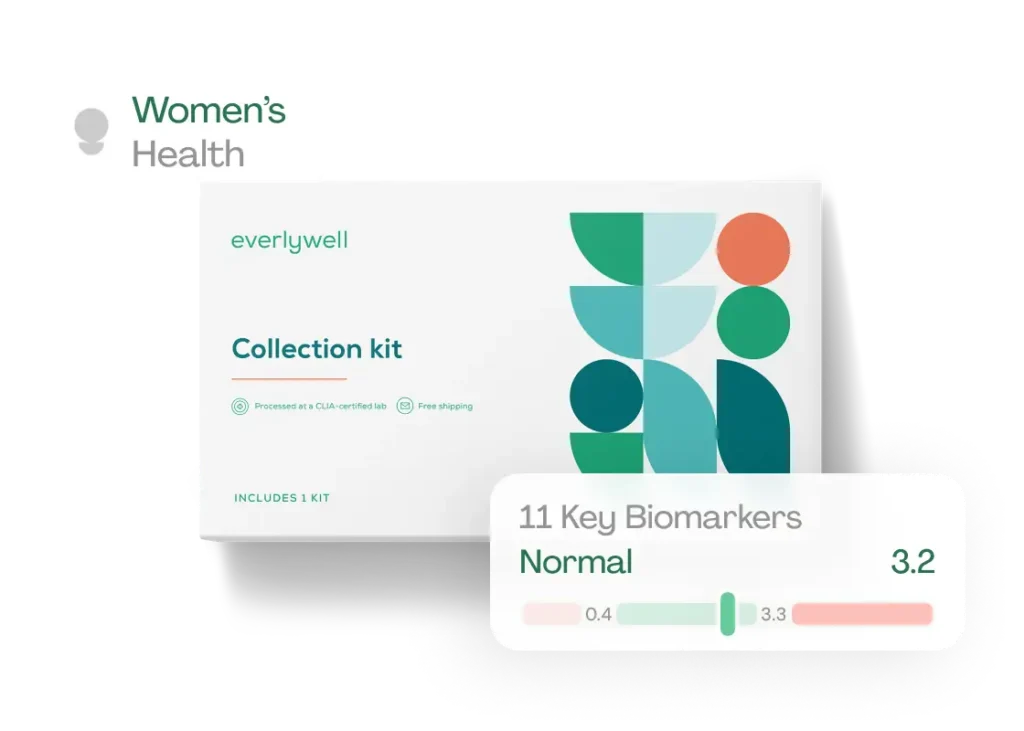
Everlywell Women’s Health Test – Hormones & Wellness
Noticing changes in energy, mood, weight, or cycles? This at-home women’s health test measures key hormones and wellness markers to help you better understand what’s happening inside your body.
- ✔ Measures key female hormones and wellness biomarkers
- ✔ Supports insights into perimenopause and hormonal balance
- ✔ CLIA-certified lab testing with physician-reviewed results
- ✔ Easy finger-prick sample from home
FSA/HSA eligible • Test from home • Clear, actionable results
Understanding Iron Deficiency and Its Impact
Iron plays a crucial role in our bodies, particularly in the production of hemoglobin. This protein in our red blood cells is responsible for carrying oxygen throughout our body. When we’re low on iron, our bodies struggle to produce enough hemoglobin, leading to a host of symptoms including fatigue, weakness, and poor circulation.
Women are especially vulnerable to iron deficiency because of several factors:
- Menstruation
- Pregnancy
- Postpartum blood loss
- Vegetarian or vegan diets (due to lower bioavailability of iron in plant-based foods)
The Benefits of Natural Iron Supplements
While synthetic iron supplements are widely available, natural options often provide extra health benefits and can be gentler on the stomach. Let’s explore seven powerful natural iron supplements that can help boost your energy and improve circulation.
1. Spirulina
Spirulina is a blue-green algae that’s packed with nutrients, including iron. Just one tablespoon of spirulina powder contains about 2 milligrams of iron, which is 11% of the daily recommended intake for women.
What makes spirulina particularly effective is its high bioavailability. This means our bodies can easily absorb and use the iron it contains.
Beyond iron, spirulina is rich in other useful nutrients:
- B vitamins
- Copper
- Antioxidants
These extra nutrients support overall energy levels and immune function, making spirulina a true nutritional powerhouse.
How to use spirulina:
- Add it to smoothies
- Sprinkle it on salads
- Mix it into yogurt
Start with small amounts and gradually increase to avoid any digestive discomfort. I personally love adding a teaspoon to my morning smoothie, it gives me a noticeable energy boost without any unpleasant side effects.
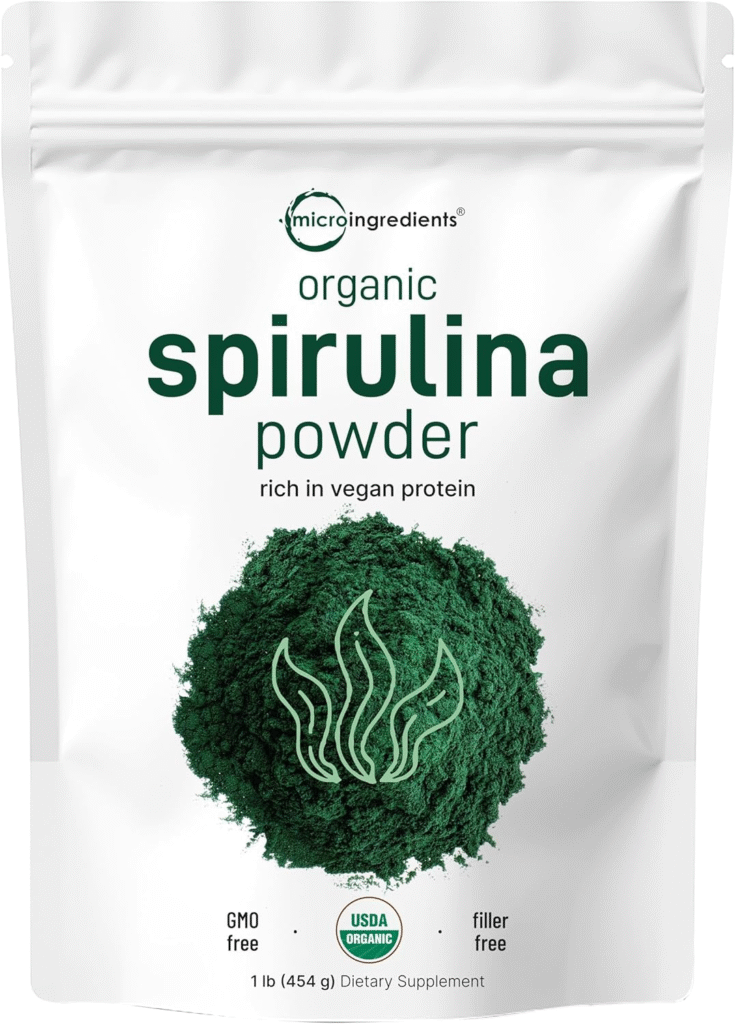
Recommended Product: Micro Ingredients Organic Spirulina Powder
2. Blackstrap Molasses
Blackstrap molasses is a thick, dark syrup that’s a byproduct of sugar cane processing. It’s an excellent source of iron, with just one tablespoon providing about 3.5 milligrams of iron, or 19% of the daily recommended intake for women.
What sets blackstrap molasses apart is its rich mineral profile. In addition to iron, it contains:
- Calcium
- Magnesium
- Potassium
These minerals contribute to overall health and well-being, supporting not just iron levels and bone health and muscle function.
How to use blackstrap molasses:
- Use it as a natural sweetener in baking
- Add it to smoothies
- Mix a tablespoon into warm water or tea for a quick iron boost
I’ll admit, the strong flavor of blackstrap molasses took some getting used to. But now, I love adding a spoonful to my oatmeal in the morning.
It gives a rich, complex sweetness that I’ve grown to crave.
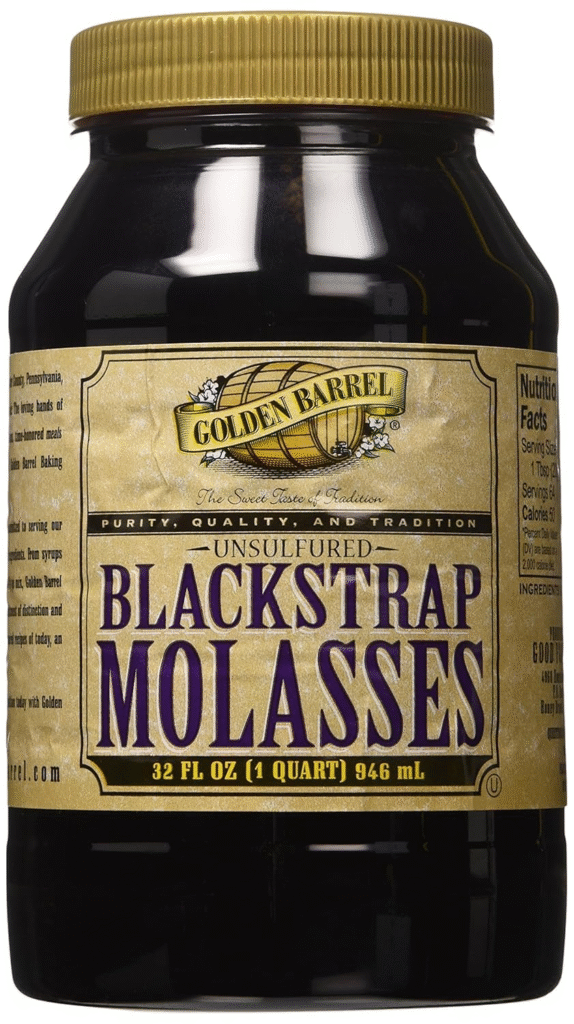
Recommended Product: Golden Barrel Unsulfured Black Strap molasses
3. Pumpkin Seeds
Pumpkin seeds, also known as pepitas, are small but mighty when it comes to iron content. A quarter-cup serving of pumpkin seeds contains about 2.5 milligrams of iron, or 14% of the daily recommended intake for women.
These seeds are also rich in other essential nutrients:
- Zinc
- Magnesium
- Healthy fats
The combination of iron and zinc in pumpkin seeds is particularly useful for immune function and energy production. Plus, the healthy fats help with the absorption of fat-soluble vitamins.
How to enjoy pumpkin seeds:
- Eat them as a snack
- Sprinkle them on salads or oatmeal
- Use them in baking for added crunch and nutrition
For optimal nutrient absorption, consider soaking the seeds overnight before consuming. I like to keep a small container of roasted pumpkin seeds in my bag for a quick, iron-rich snack on the go.
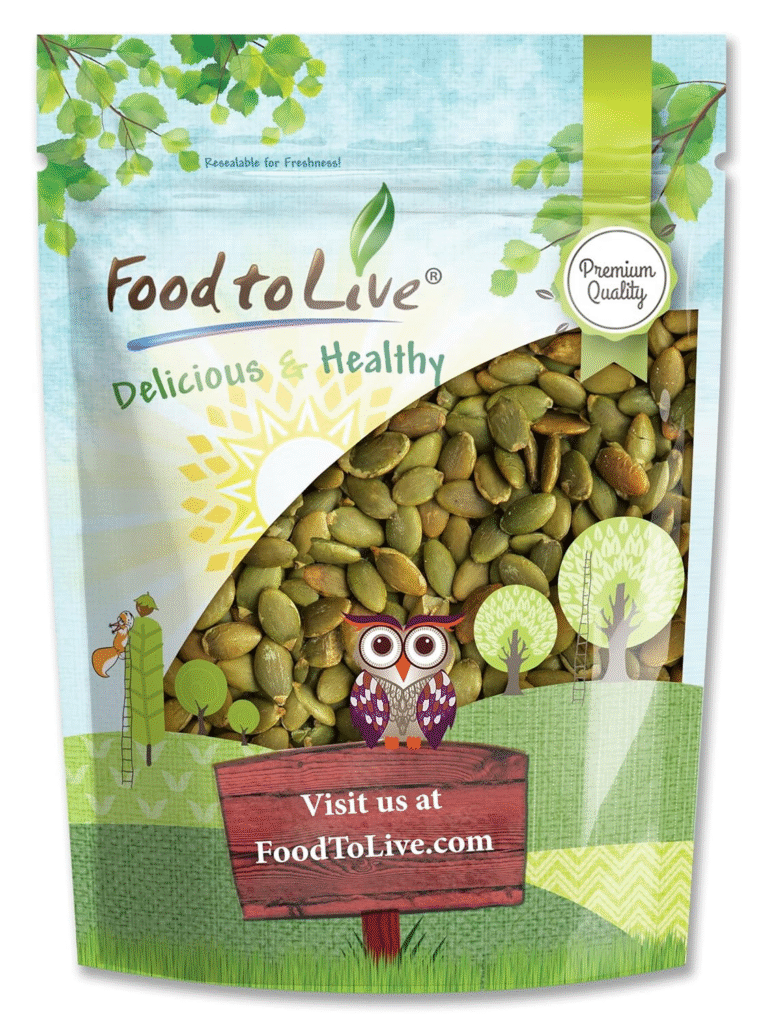
Recommended Product: Food to Live Dry Roasted Pumpkin Seed Kernels
4. Nettle Leaf
Nettle leaf, often consumed as a tea, is an herb that’s been used for centuries in traditional medicine. It’s rich in iron, with some studies suggesting that regular consumption of nettle tea can help increase iron levels in the body.
Beyond its iron content, nettle leaf offers several other benefits:
- Anti-inflammatory properties
- Support for overall health
- Potential to reduce menstrual symptoms
- Support for hormonal balance
How to use nettle leaf:
- Steep dried nettle leaves in hot water for 10-15 minutes to make a tea
- Drink 1-3 cups daily
I find that a cup of nettle tea in the afternoon helps combat that mid-day energy slump. However, it’s important to talk to a healthcare provider before adding new herbs to your routine, especially if you’re pregnant or breastfeeding.
Recommended Product: FGO Organic Nettle Leaf Loose Tea
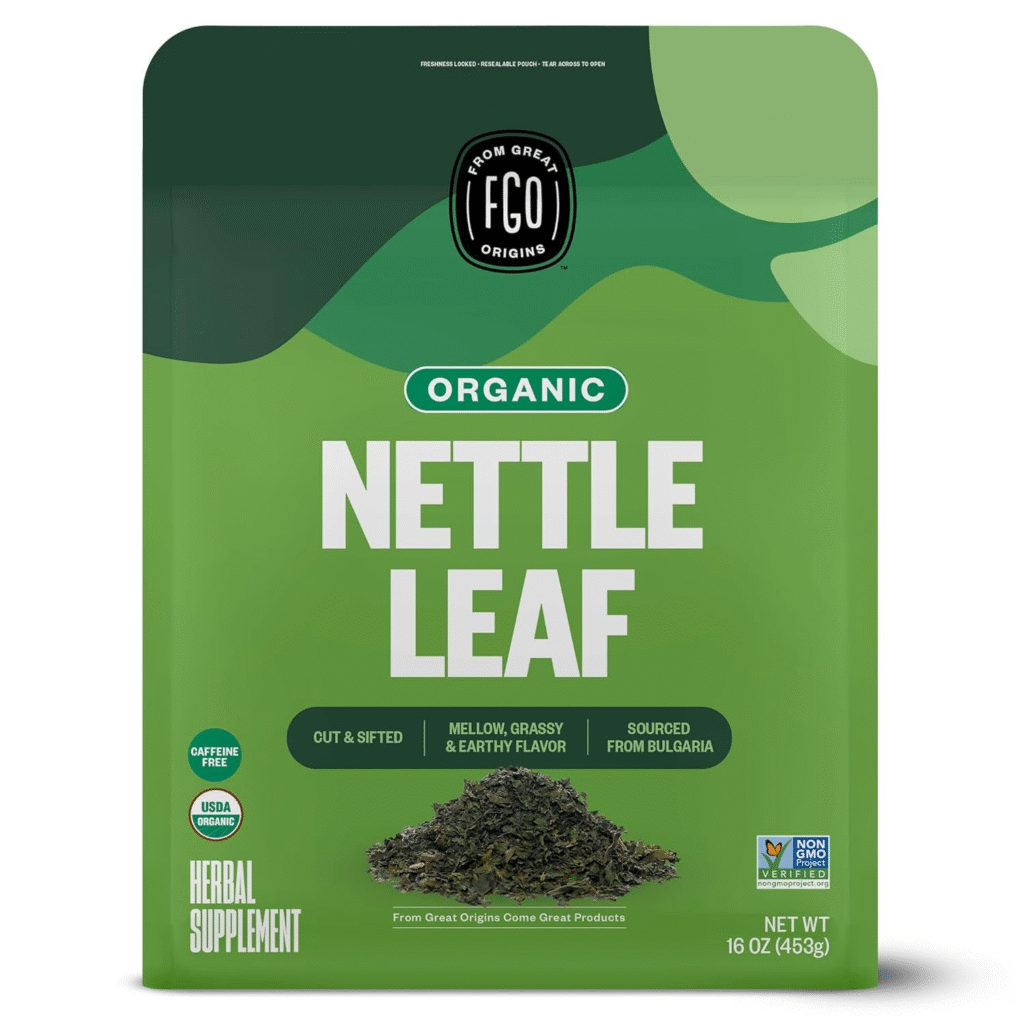
FGO Organic Nettle Leaf Loose Tea
5. Yellow Dock Root
Yellow dock root is an herb that’s been used in traditional medicine to treat various ailments, including anemia. It’s rich in iron and contains compounds that may enhance iron absorption in the body.
What makes yellow dock root unique is its ability to act as a gentle liver tonic. This can be particularly useful for women with iron deficiency, as liver health plays a crucial role in iron metabolism.
How to use yellow dock root:
- Consume as a tincture
- Drink as a tea
Start with small doses and gradually increase as tolerated. As with all herbal supplements, it’s important to talk to a healthcare provider before use, especially if you’re pregnant, breastfeeding, or taking medications.
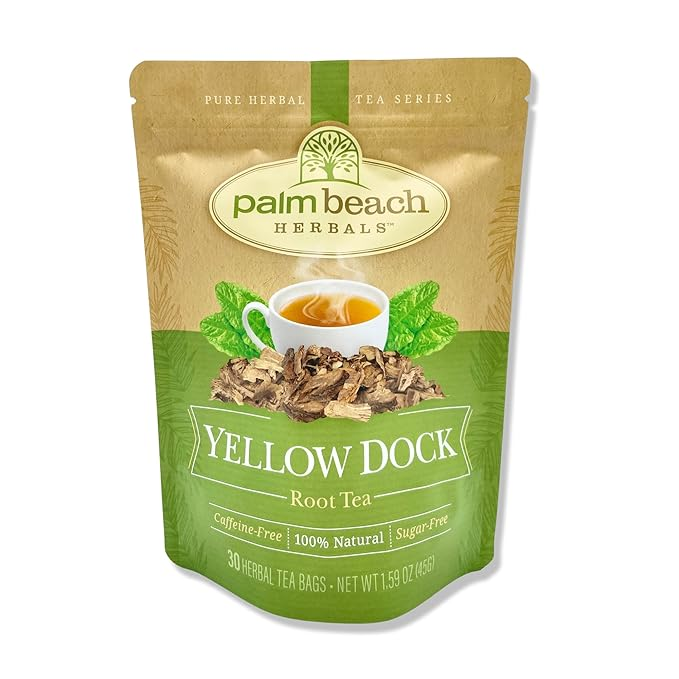
Recommended Product: Palm Beach Medicinal Herbs – Yellow Dock Root Tea
6. Beet Root
Beet root is rich in iron and contains compounds that can enhance iron absorption. One cup of cooked beets provides about 1.1 milligrams of iron, or 6% of the daily recommended intake for women.
What makes beets particularly useful for women with fatigue and poor circulation is their nitrate content. Nitrates are compounds that can improve blood flow and oxygen delivery throughout the body, potentially alleviating symptoms of poor circulation.
How to enjoy beet root:
- Roast beets and add to salads
- Juice raw beets
- Grate raw beets into salads
- Use beet powder in smoothies or mix into water for a quick iron boost
I love adding roasted beets to my salads. Not only do they provide a sweet, earthy flavor, but I also notice an improvement in my energy levels when I eat them regularly.
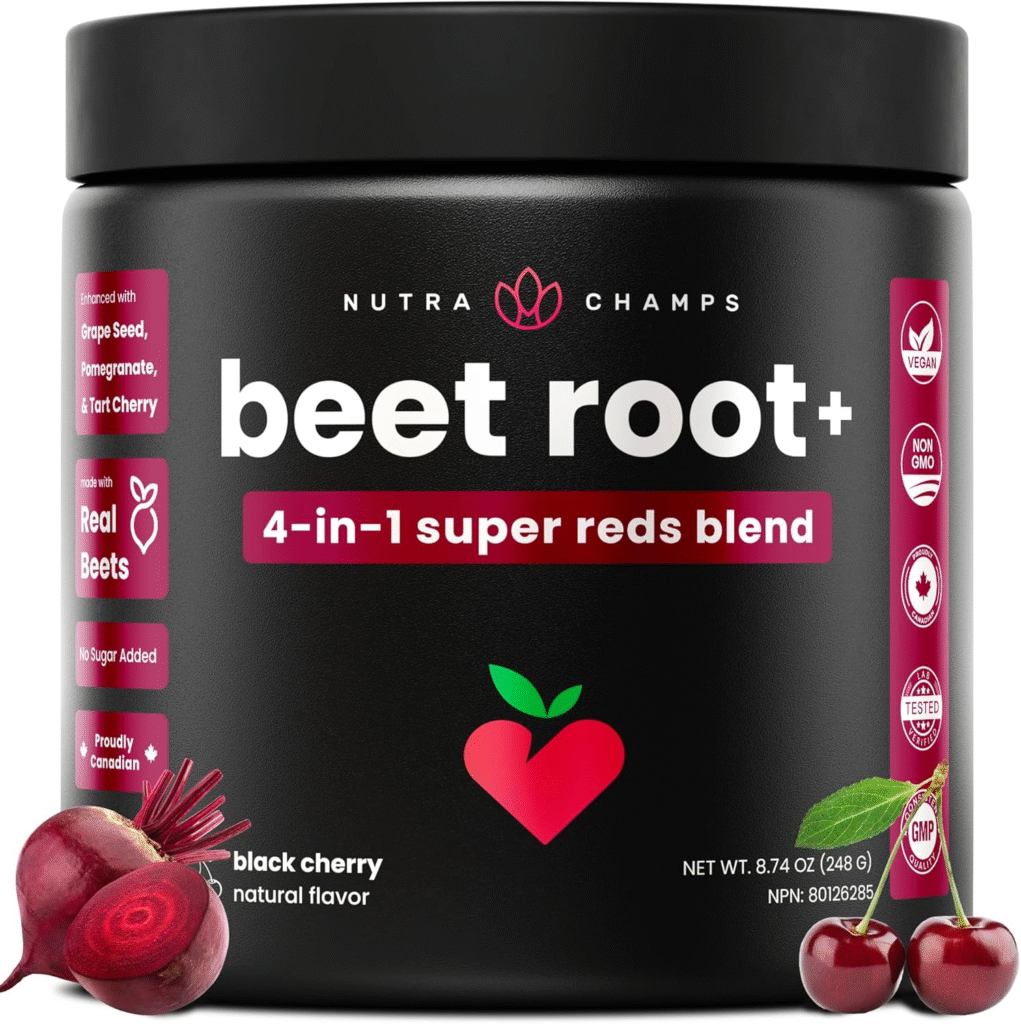
Recommended Product: NutraChamps Beet Root Powder Circulation Supplement
7. Chlorophyll
Chlorophyll, the pigment that gives plants their green color, has a molecular structure similar to hemoglobin. This similarity allows chlorophyll to help in the formation of hemoglobin, potentially boosting iron levels in the body.
While not a direct source of iron, chlorophyll can support iron absorption and utilization in the body. It’s also known for its detoxifying properties and ability to support overall health.
How to use chlorophyll:
- Take as a liquid supplement
- Consume in capsule form
- Boost intake by eating plenty of green leafy vegetables like spinach, kale, and collard greens
I’ve found that adding a few drops of liquid chlorophyll to my water bottle helps me stay energized throughout the day. Plus, it turns my water a fun green color, which serves as a visual reminder to stay hydrated!
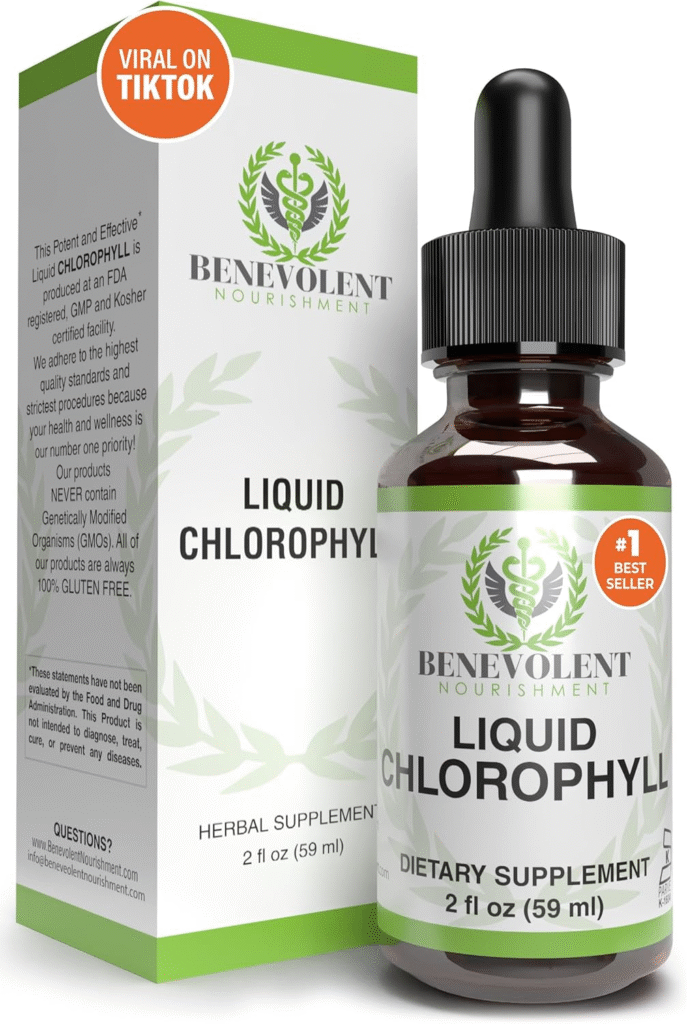
Recommended Product: Benevolent Chlorophyll Liquid Drops
Maximizing Iron Absorption
While these natural iron supplements can be incredibly useful, it’s important to understand how to maximize their absorption. Here are some key tips:
Pair Iron-Rich Foods with Vitamin C Sources
Vitamin C significantly enhances iron absorption. Try combining iron-rich foods with sources of vitamin C such as:
- Citrus fruits
- Bell peppers
- Strawberries
For example, you could add some orange slices to your spinach salad or enjoy a bell pepper with your pumpkin seed snack.
Be Mindful of Calcium Intake
Avoid consuming calcium-rich foods or supplements at the same time as iron, as calcium can interfere with iron absorption. Try to space out your calcium and iron intake by a few hours.
Watch Out for Tannins
Tannins in tea and coffee can inhibit iron absorption. Try to consume these beverages between meals as opposed to with iron-rich foods.
If you’re a tea or coffee lover like me, this might mean adjusting your routine a bit, but it’s worth it for better iron absorption.
Cook in Cast Iron
Consider cooking in cast iron cookware, which can leach small amounts of iron into your food. This is an easy way to add a bit more iron to your diet without any extra effort.
Understand Heme vs. Non-Heme Iron
Remember that heme iron from animal sources is more easily absorbed than non-heme iron from plant sources. If you’re vegetarian or vegan, you may need to consume more iron-rich plant foods to meet your needs.
Listening to Your Body
While these natural iron supplements can be incredibly useful, it’s crucial to listen to your body and work with a healthcare provider. Iron deficiency can have various causes, and it’s important to address the root issue.
If you’re experiencing persistent fatigue and symptoms of poor circulation, consider getting your iron levels checked through a blood test. This can help you and your healthcare provider decide the best course of action.
Everyone’s needs are different, and what works for one person may not work for another. Be patient with your body, and don’t hesitate to adjust your approach as needed.
Incorporating Iron-Rich Foods into Your Diet
Now that we’ve covered the top natural iron supplements, let’s look at some practical ways to incorporate them into your daily diet:
Breakfast Ideas
- Smoothie bowl topped with spirulina and pumpkin seeds
- Oatmeal sweetened with blackstrap molasses and topped with berries
- Whole grain toast with beetroot hummus
Lunch Options
- Spinach salad with roasted beets and pumpkin seeds
- Lentil soup made with nettle leaf broth
- Quinoa bowl with steamed leafy greens and a sprinkle of spirulina
Dinner Suggestions
- Stir-fry with tofu and leafy greens, cooked in a cast iron skillet
- Baked sweet potato topped with black beans and pumpkin seeds
- Whole grain pasta with a sauce enriched with blackstrap molasses
Snacks and Drinks
- Homemade trail mix with pumpkin seeds and dark chocolate
- Nettle leaf tea with a squeeze of lemon
- Beet and carrot juice blend
Consistency is key when it comes to boosting your iron levels. Try to include a variety of these iron-rich foods in your diet regularly.
The Role of Exercise in Iron Absorption and Circulation
While we’ve focused primarily on dietary sources of iron, it’s worth noting that exercise plays a crucial role in both iron absorption and circulation. Regular physical activity can help:
- Improve blood circulation throughout the body
- Enhance the efficiency of oxygen use in the body
- Stimulate the production of new red blood cells
However, it’s important to strike a balance. Intense exercise can actually increase iron loss through sweat and potentially damage red blood cells.
For women dealing with iron deficiency, moderate exercise is usually recommended. This could include:
- Brisk walking
- Swimming
- Yoga
- Light jogging
Always talk to your healthcare provider to determine the best exercise routine for your specific situation.
The Importance of Hydration
Proper hydration is often overlooked when discussing iron absorption and circulation, but it’s incredibly important. Water plays a crucial role in:
- Transporting nutrients, including iron, throughout the body
- Maintaining blood volume, which is essential for good circulation
- Supporting overall energy levels
Aim to drink at least 8 glasses of water per day. You can also boost your fluid intake with herbal teas (like nettle leaf tea) and water-rich fruits and vegetables.
Stress Management and Iron Levels
Chronic stress can have a negative impact on your iron levels and overall health. When we’re stressed, our bodies produce cortisol, which can interfere with iron absorption.
Additionally, stress can lead to poor dietary choices and disrupted sleep patterns, both of which can affect iron levels.
Consider incorporating stress-reduction techniques into your daily routine, such as:
- Meditation
- Deep breathing exercises
- Regular exercise
- Adequate sleep
These practices help manage stress but can also support overall health and well-being.
When to Seek Professional Help
While natural iron supplements can be very effective, there are times when it’s crucial to seek professional medical advice. Consider consulting a healthcare provider if:
- You’re experiencing severe fatigue that doesn’t improve with dietary changes
- You have heavy menstrual bleeding
- You’re pregnant or planning to become pregnant
- You have a chronic health condition that might affect iron absorption
- You’re experiencing symptoms of anemia, such as dizziness, shortness of breath, or pale skin
A healthcare provider can perform the necessary tests to determine your iron levels and recommend the most suitable treatment plan for your person needs.
Key Takeaways
- Natural iron supplements like spirulina, blackstrap molasses, and pumpkin seeds can help combat fatigue and poor circulation in women.
- Herbs such as nettle leaf and yellow dock root offer iron along with extra health benefits.
- Beet root and chlorophyll can support iron levels and improve circulation.
- Maximizing iron absorption involves pairing iron-rich foods with vitamin C and being mindful of factors that can inhibit absorption.
- Regular exercise, proper hydration, and stress management play important roles in maintaining healthy iron levels and circulation.
- Always talk to a healthcare provider before starting any new supplement regimen, especially if you’re experiencing severe symptoms or have underlying health conditions.
People Also Asked
What are the best natural sources of iron for vegetarians?
Some of the best natural sources of iron for vegetarians include:
- Lentils and beans
- Spinach and other leafy greens
- Tofu and tempeh
- Quinoa
- Pumpkin seeds
- Dried fruits like apricots and raisins
Can iron deficiency cause hair loss?
Yes, iron deficiency can contribute to hair loss. Iron is essential for hair growth, and low iron levels can lead to hair follicles not receiving enough oxygen, potentially resulting in hair loss.
How long does it take to raise iron levels naturally?
The time it takes to raise iron levels naturally can vary depending on the severity of the deficiency and person factors. Generally, it can take several weeks to a few months of consistent iron-rich diet and supplementation to see significant improvements.
Is it possible to have too much iron in your body?
Yes, it is possible to have too much iron in your body, a condition known as iron overload or hemochromatosis. This is why it’s important to talk to a healthcare provider before starting any iron supplementation regimen.
Does cooking in cast iron pans really add iron to food?
Yes, cooking in cast iron pans can add small amounts of iron to food, especially when cooking acidic foods like tomato sauce. The amount of iron added can vary but can contribute to overall iron intake.
Can stress affect iron absorption?
Yes, chronic stress can negatively impact iron absorption. Stress hormones can interfere with the body’s ability to absorb and use iron effectively.
Are there any foods that can inhibit iron absorption?
Yes, certain foods can inhibit iron absorption. These include:
- Calcium-rich foods
- Tannins found in tea and coffee
- Phytates found in whole grains and legumes
It’s best to consume these foods separately from iron-rich meals to maximize absorption.
How does vitamin C help with iron absorption?
Vitamin C enhances iron absorption by converting iron into a more easily absorbable form. Consuming vitamin C-rich foods alongside iron-rich foods can significantly improve iron absorption.
Can exercise affect iron levels?
Yes, exercise can affect iron levels. Moderate exercise can improve circulation and iron utilization, but intense exercise may increase iron loss through sweat and potentially damage red blood cells.
Is iron deficiency more common in women than men?
Yes, iron deficiency is more common in women than men, primarily because of menstrual blood loss, pregnancy, and postpartum blood loss. Women generally require higher iron intake to compensate for these factors.
Try this product: Everywell’s At-Home Women’s Health Test for Hormones & Wellness
Disclaimer
The information contained in this post is for general information purposes only. The information is provided by Natural Iron Powerhouses: Boosting Energy and Circulation for Women and while we endeavor to keep the information up to date and correct, we make no representations or warranties of any kind, express or implied, about the completeness, accuracy, reliability, suitability or availability with respect to the website or the information, products, services, or related graphics contained on the post for any purpose.