
As a woman navigating the complex world of hormonal health, I’ve come to appreciate the vital role progesterone plays in our overall well-being. This powerful hormone influences everything from our menstrual cycles to our mood and even our bone density.
Many women experience progesterone imbalances, leading to a host of uncomfortable symptoms.
That’s where natural progesterone support supplements come into play. In this guide, I’ll share my knowledge and experience to help you understand and choose the best natural options for supporting your progesterone levels.
Understanding Progesterone and Its Importance
Progesterone is a key female sex hormone produced primarily in the ovaries. It plays a vital role in regulating the menstrual cycle, supporting pregnancy, and balancing the effects of estrogen.
When progesterone levels are low, women may experience symptoms such as irregular periods, mood swings, difficulty sleeping, and even fertility issues.
Progesterone works in tandem with estrogen to maintain a healthy reproductive system. During the menstrual cycle, progesterone levels rise after ovulation, preparing the uterus for a potential pregnancy.
If pregnancy doesn’t occur, progesterone levels drop, triggering menstruation.
Beyond its reproductive functions, progesterone also:
- Supports bone health by stimulating new bone formation
- Helps regulate sleep patterns
- Acts as a natural antidepressant
- Supports thyroid function
- Helps maintain healthy blood sugar levels
- Promotes proper fat metabolism
Given its wide-ranging effects, maintaining balanced progesterone levels is crucial for overall health and well-being.
Signs of Low Progesterone
Recognizing the signs of low progesterone can help you take proactive steps to address hormonal imbalances. Common symptoms include:
- Irregular or heavy menstrual periods
- Severe premenstrual syndrome (PMS)
- Mood swings, anxiety, or depression
- Difficulty conceiving or recurrent miscarriages
- Hot flashes and night sweats
- Headaches or migraines
- Low libido
- Weight gain, especially around the midsection
- Fatigue and low energy
- Insomnia or disturbed sleep patterns
If you’re experiencing several of these symptoms, it might be worth considering natural progesterone support options.
Natural Progesterone Support Supplements
1. Vitex Agnus-Castus (Chasteberry)
Vitex, also known as chasteberry, is one of the most popular and well-researched herbs for supporting progesterone levels. It works by stimulating the pituitary gland to produce more luteinizing hormone (LH), which in turn promotes progesterone production.
I’ve found that Vitex can be particularly helpful for women dealing with PMS symptoms, irregular periods, and even some cases of infertility. However, Vitex can take several months to show its full effects, so patience is key.
Vitex is available in various forms, including capsules, tinctures, and dried herb for tea. The typical dosage ranges from 160-240 mg per day, but it’s best to start with a lower dose and gradually increase as needed.
Some women report side effects such as headaches, gastrointestinal discomfort, or skin reactions. If you experience any adverse effects, it’s best to stop use and talk to a healthcare provider.
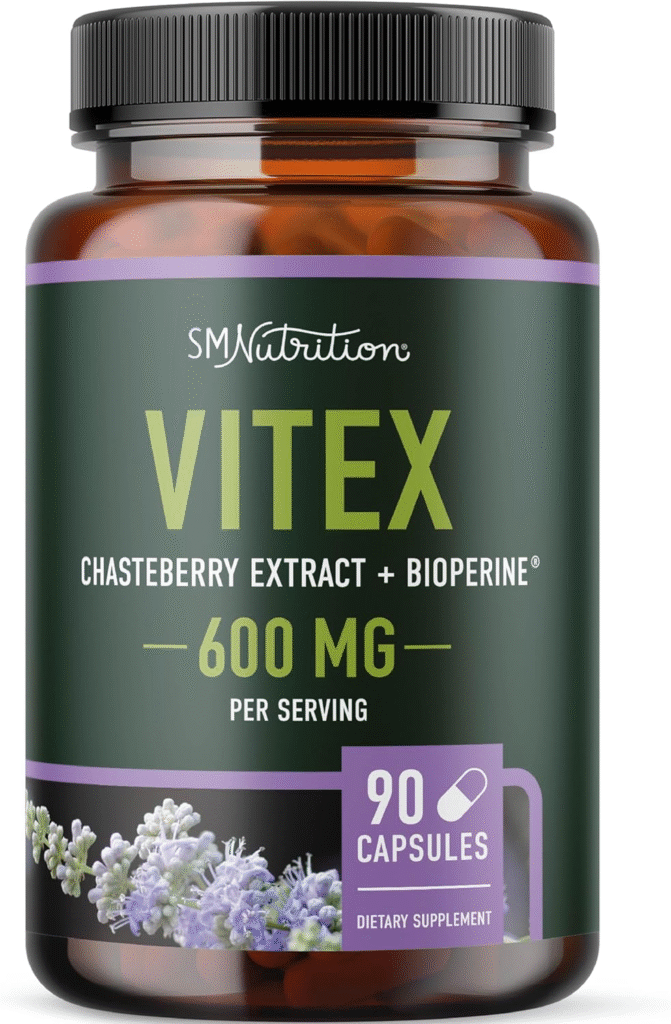
Recommended Product: SM Nutrition Vitex Chasteberry Supplement
2. Wild Yam Extract
Wild yam has been used for centuries in traditional medicine to support women’s health. It contains a compound called diosgenin, which is a precursor to progesterone.
While the body can’t convert diosgenin directly into progesterone, some women find that wild yam supplements help reduce symptoms of hormonal imbalance.
In my experience, wild yam is often most effective when used topically as a cream. However, it’s crucial to choose a high-quality product and be aware that the effects can vary from person to person.
When using wild yam cream, apply a small amount (about 1/4 to 1/2 teaspoon) to areas of thin skin, such as the inner arms, thighs, or neck. Rotate application sites to prevent skin irritation.
For oral supplements, dosages typically range from 100-500 mg per day. As with any supplement, start with a lower dose and gradually increase if needed.
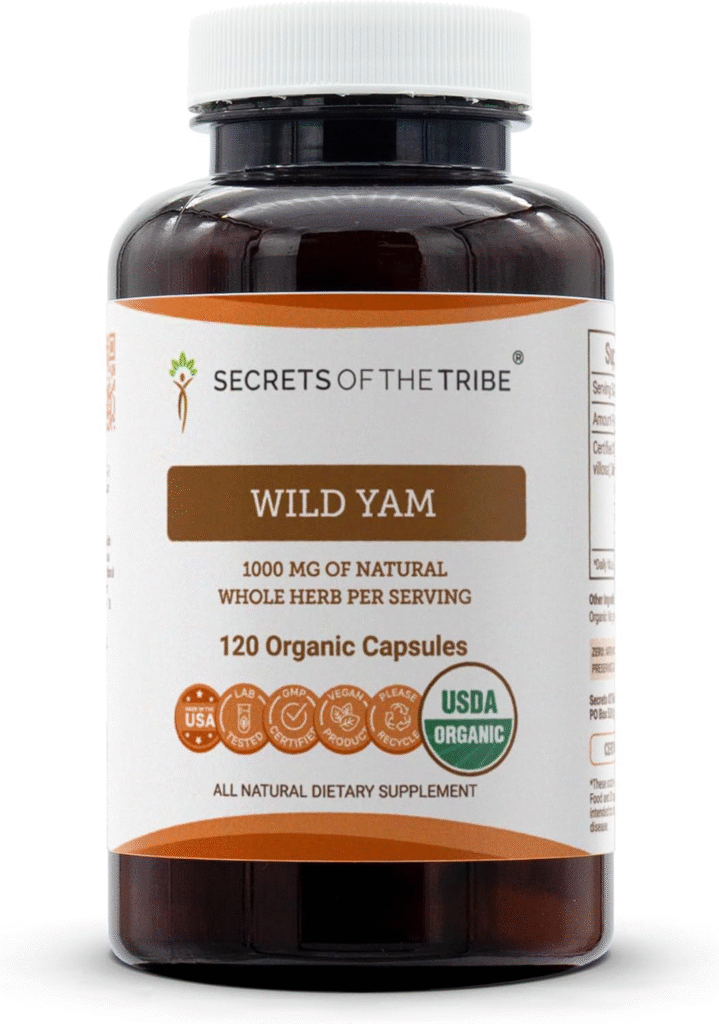
Recommended Product: Secrets of the Tribe Wild Yam
3. Maca Root
Maca is an adaptogenic herb that has gained popularity for its potential to balance hormones and boost energy. While it doesn’t directly increase progesterone levels, it may help to regulate the entire endocrine system, potentially leading to improved hormonal balance overall.
I’ve found maca to be particularly helpful for managing stress-related hormonal imbalances and supporting overall vitality. It’s available in powder form, which can be easily added to smoothies or other foods.
Maca is rich in nutrients like vitamin C, copper, iron, and fiber. It may help:
- Reduce menopausal symptoms
- Improve energy and stamina
- Enhance mood and reduce anxiety
- Support fertility and libido
The typical dosage for maca root powder is 1-3 teaspoons (3-9 grams) per day. Start with a smaller amount and gradually increase to assess your tolerance.
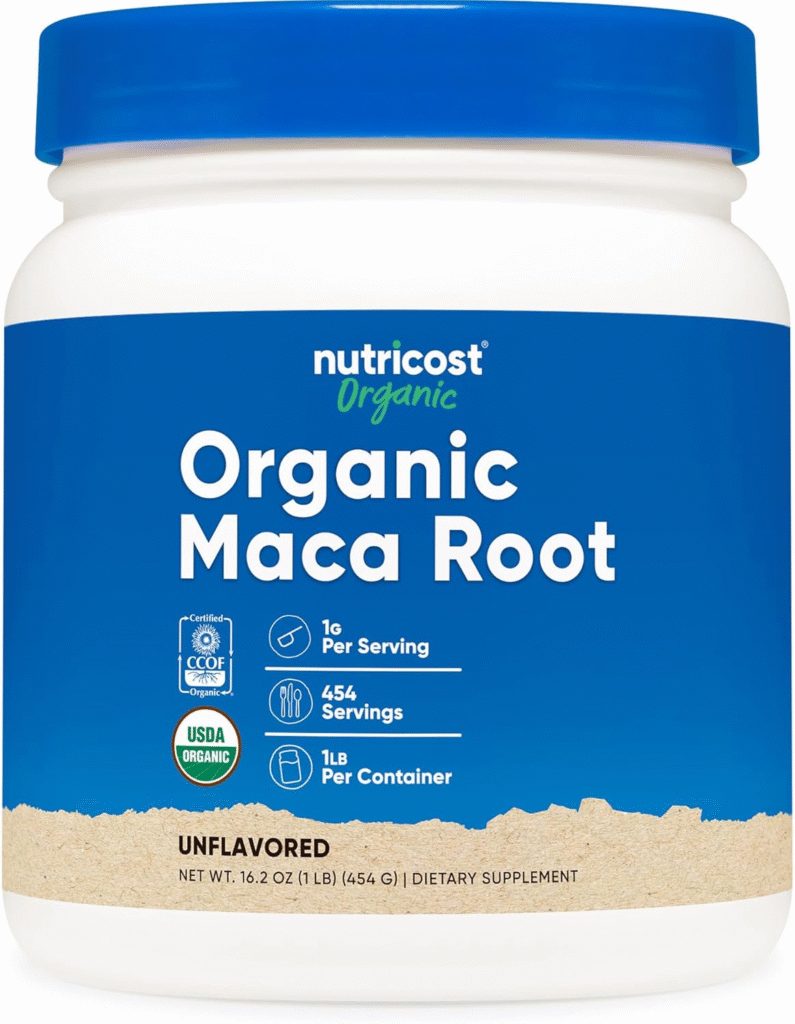
Recommended Product: Nutricost Organic Maca Root Powder
4. Evening Primrose Oil
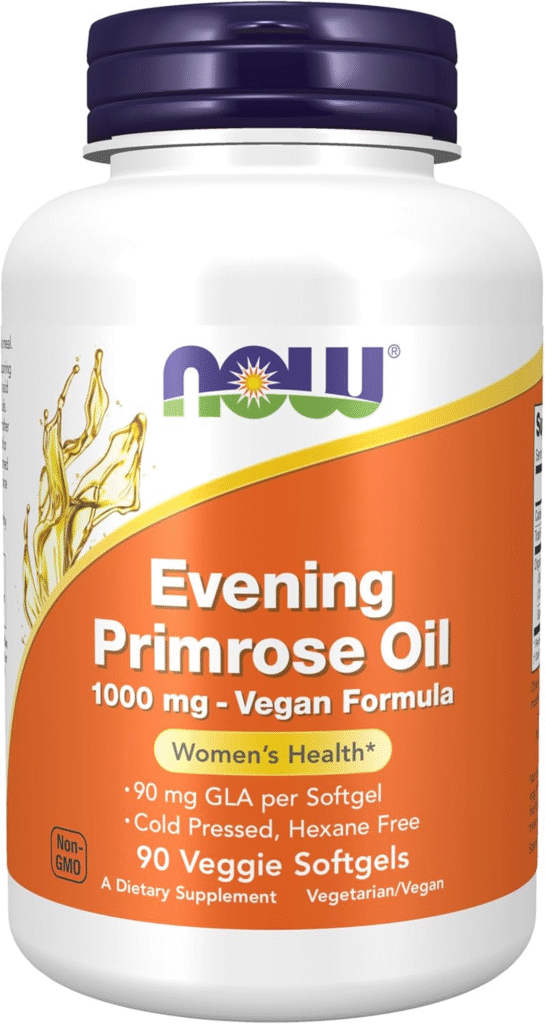
Evening primrose oil is rich in gamma-linolenic acid (GLA), an omega-6 fatty acid that can help support hormonal balance. While it’s not a direct progesterone booster, it may help reduce symptoms associated with low progesterone, such as breast tenderness and mood swings.
I often recommend evening primrose oil to women dealing with PMS symptoms or those transitioning into menopause. It’s generally well-tolerated, but as with any supplement, it’s important to start with a low dose and watch your body’s response.
Evening primrose oil may also help with:
- Reducing inflammation
- Improving skin health
- Supporting heart health
- Alleviating menstrual cramps
The typical dosage ranges from 500-3000 mg per day, divided into two or three doses. It’s best to take evening primrose oil with food to enhance absorption and reduce the risk of gastrointestinal side effects.
Recommended Product: NOW Foods Supplements, Evening Primrose Oil
5. Vitamin B6
Vitamin B6 plays a crucial role in hormone regulation and may help support progesterone production. It’s also involved in the metabolism of estrogen, which can help maintain a healthy balance between estrogen and progesterone.
I’ve found that many women are deficient in B6, and supplementing can make a noticeable difference in their hormonal symptoms. Foods rich in B6 include poultry, fish, potatoes, and non-citrus fruits.
Vitamin B6 is essential for:
- Neurotransmitter synthesis
- Red blood cell formation
- Immune function
- Protein metabolism
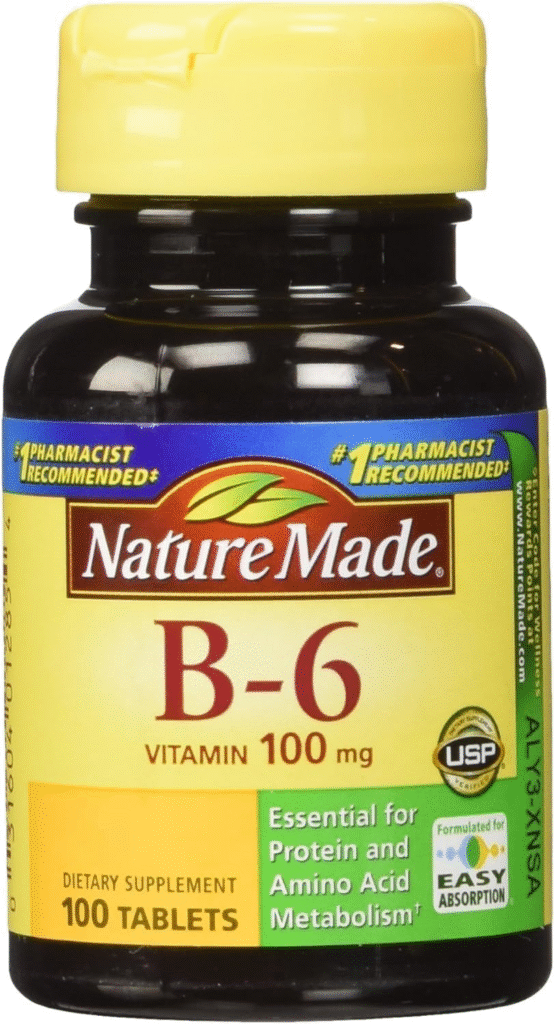
The recommended daily allowance (RDA) for vitamin B6 is 1.3-1.7 mg for adults. However, for hormonal support, doses of 50-100 mg per day are often used. It’s important not to exceed 100 mg per day without medical supervision, as high doses can cause nerve damage over time.
Recommended Product: Nature Made Vitamin B-6 100 Mg
6. Magnesium
Magnesium is a mineral that’s essential for over 300 biochemical reactions in the body, including hormone production and regulation. It can help reduce symptoms of PMS and support overall hormonal balance.
In my experience, many women notice improvements in their sleep, mood, and menstrual symptoms when they increase their magnesium intake. You can get magnesium from foods like dark leafy greens, nuts, and seeds, or through supplementation.
Magnesium benefits include:
- Improved sleep quality
- Reduced muscle tension and cramps
- Better stress management
- Support for bone health
- Regulation of blood sugar levels
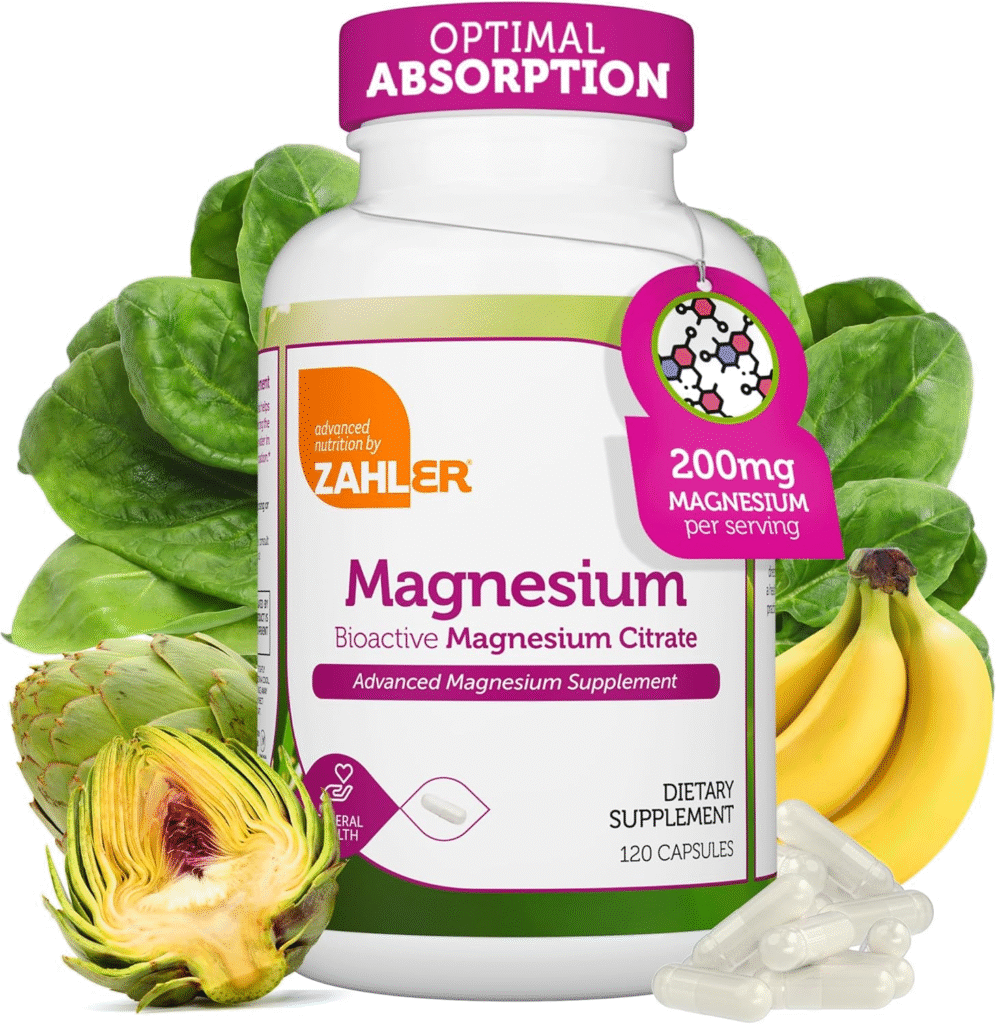
The RDA for magnesium is 310-420 mg for adults, depending on age and gender. When supplementing, start with a lower dose (around 200 mg) and gradually increase as needed. Be aware that high doses can cause digestive upset, so it’s best to split the dose throughout the day.
Recommended Product: Zahler – Magnesium Supplement Capsules 200 mg
7. Zinc
Zinc is another mineral that plays a crucial role in hormone production and regulation. It’s particularly important for the production of progesterone and the proper functioning of the reproductive system.
I often recommend zinc supplements to women who are trying to conceive or those dealing with irregular periods. However, it’s important not to overdo it with zinc, as too much can interfere with the absorption of other minerals.
Zinc is essential for:
- Immune function
- DNA synthesis
- Wound healing
- Protein synthesis
- Cell division
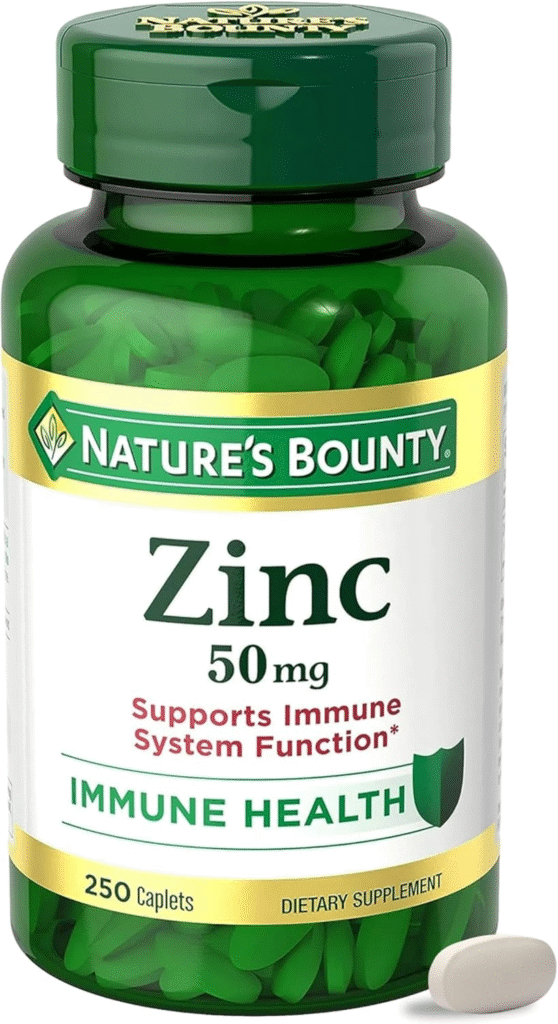
The RDA for zinc is 8-11 mg for adults. When supplementing, doses of 15-30 mg per day are typically used. It’s best to take zinc with food to reduce the risk of nausea.
Recommended Product: Nature’s Bounty Zinc
Lifestyle Factors for Progesterone Support
While supplements can be incredibly helpful, lifestyle factors play a huge role in hormonal balance. Here are some extra tips I always share with my clients:
1. Manage Stress
Chronic stress significantly impacts hormone production. Cortisol, the primary stress hormone, can interfere with progesterone production and action.
Incorporate stress-reduction techniques like meditation, yoga, or deep breathing exercises into your daily routine.
Try setting aside 10-15 minutes each day for a mindfulness practice. Even simple deep breathing exercises can make a big difference.
Inhale deeply through your nose for a count of 4, hold for 4, then exhale slowly through your mouth for a count of 8.
Repeat this cycle 5-10 times.
2. Get Enough Sleep
Adequate sleep is crucial for hormone regulation. Aim for 7-9 hours of quality sleep each night.
Establish a consistent sleep schedule and create a relaxing bedtime routine.
To improve sleep quality:
- Avoid screens for at least an hour before bed
- Keep your bedroom cool and dark
- Use comfortable bedding
- Avoid caffeine and heavy meals close to bedtime
- Consider using white noise or calming nature sounds to promote relaxation
3. Exercise Regularly
Moderate exercise can help balance hormones and reduce stress. However, be cautious of over-exercising, which can actually disrupt hormonal balance.
Aim for 150 minutes of moderate-intensity exercise or 75 minutes of vigorous-intensity exercise per week. This could include activities like:
- Brisk walking
- Swimming
- Cycling
- Yoga or Pilates
- Strength training
Listen to your body and adjust your exercise routine as needed. If you’re feeling exhausted or your menstrual cycle becomes irregular, it might be a sign to reduce the intensity or frequency of your workouts.
4. Eat a Balanced Diet
Focus on whole foods, including plenty of vegetables, fruits, lean proteins, and healthy fats. Avoid processed foods and excess sugar, which can disrupt hormone balance.
Some foods that may support progesterone production include:
- Beans and lentils
- Nuts and seeds (especially pumpkin seeds)
- Whole grains
- Leafy green vegetables
- Salmon and other fatty fish
- Avocados
- Eggs
Consider reducing or eliminating alcohol consumption, as it can interfere with hormone metabolism and liver function.
5. Consider Seed Cycling
Seed cycling involves eating different seeds during different phases of your menstrual cycle to support hormone balance. While more research is needed, many women find it helpful.
Here’s a basic seed cycling protocol:
- Follicular phase (days 1-14 of your cycle): Consume 1 tablespoon each of ground flax seeds and pumpkin seeds daily.
- Luteal phase (days 15-28 or until menstruation): Consume 1 tablespoon each of ground sunflower seeds and sesame seeds daily.
Grind the seeds fresh each day or store them in the refrigerator to prevent rancidity. You can add them to smoothies, yogurt, oatmeal, or salads.
6. Reduce Exposure to Endocrine Disruptors
Endocrine disruptors are chemicals that can interfere with hormone production and function. They’re found in many everyday products, including plastics, personal care items, and household cleaners.
To reduce your exposure:
- Choose organic produce when possible
- Use glass or stainless steel containers instead of plastic
- Opt for natural personal care and cleaning products
- Filter your drinking water
- Avoid handling receipts (they often contain BPA)
- Choose fragrance-free products
7. Support Your Liver
The liver plays a crucial role in hormone metabolism. Supporting liver health can help maintain hormonal balance.
To support your liver:
- Drink plenty of water
- Eat liver-supporting foods like beets, garlic, leafy greens, and cruciferous vegetables
- Consider herbs like milk thistle or dandelion root
- Reduce alcohol and caffeine consumption
- Avoid excessive use of over-the-counter pain medications
8. Try Acupuncture
Acupuncture has been shown to help regulate hormones and improve menstrual health. It may help by reducing stress, improving blood flow to the reproductive organs, and balancing the endocrine system.
Consider finding a licensed acupuncturist who specializes in women’s health or fertility issues. Many women find that regular acupuncture sessions (once a week or every other week) can make a significant difference in their hormonal symptoms.
Potential Risks and Considerations
While natural progesterone support supplements can be useful, they’re not without risks. Some herbs can interact with medications or may not be suitable for certain health conditions.
It’s always best to talk to a healthcare provider before starting any new supplement regimen, especially if you’re pregnant, breastfeeding, or have a pre-existing health condition.
Be aware of potential side effects, which can include:
- Headaches
- Nausea or digestive upset
- Skin reactions
- Changes in menstrual flow
- Mood changes
If you experience any unusual or severe symptoms, stop use and seek medical advice.
Additionally, it’s important to remember that these supplements are not a substitute for addressing underlying health issues. If you’re experiencing severe or persistent symptoms, it’s crucial to seek professional medical advice to rule out any serious conditions.
When to Seek Professional Help
While natural approaches can be very effective, there are times when it’s important to seek professional medical help. Consider consulting a healthcare provider if:
- Your menstrual cycles are consistently irregular
- You’re experiencing severe PMS symptoms that interfere with daily life
- You’ve been trying to conceive for over a year without success (or 6 months if you’re over 35)
- You’re experiencing symptoms of perimenopause or menopause that are significantly impacting your quality of life
- You have a history of hormonal disorders or reproductive health issues
- You’re experiencing unexplained changes in weight, mood, or energy levels
A healthcare provider can perform hormone tests and help develop a personalized treatment plan that may include a combination of lifestyle changes, supplements, and if necessary, bioidentical hormone therapy.
Frequently Asked Questions
What is progesterone and why is it important?
Progesterone is a crucial female sex hormone produced primarily in the ovaries. It plays a vital role in regulating the menstrual cycle, supporting pregnancy, and balancing the effects of estrogen.
Progesterone is important for maintaining overall hormonal health and can affect mood, sleep, bone density, and more.
What are common symptoms of low progesterone?
Common symptoms of low progesterone include irregular or heavy periods, severe PMS, mood swings, difficulty conceiving, hot flashes, headaches, low libido, weight gain, fatigue, and sleep disturbances.
Can diet affect progesterone levels?
Yes, diet can affect progesterone levels. Eating a balanced diet rich in whole foods, including plenty of vegetables, fruits, lean proteins, and healthy fats, can support overall hormonal health.
Foods like beans, nuts, seeds, and leafy greens may be particularly useful for progesterone production.
Is Vitex effective for increasing progesterone?
Vitex (chasteberry) has been shown in some studies to help support progesterone levels by stimulating the production of luteinizing hormone. Many women find it effective for managing PMS symptoms and irregular periods.
However, person results can vary, and it may take several months to see the full effects.
Can wild yam cream increase progesterone?
While wild yam contains a compound that’s a precursor to progesterone, the human body can’t convert it directly into progesterone. Some women find wild yam cream helpful for managing hormonal symptoms, but its effectiveness can vary.
It’s important to choose a high-quality product and be aware that it may not work for everyone.
How does stress affect progesterone levels?
Chronic stress can significantly impact progesterone levels. When we’re stressed, our bodies produce more cortisol, which can interfere with progesterone production and action.
Managing stress through techniques like meditation, yoga, or deep breathing can help support healthy progesterone levels.
Are there any risks associated with natural progesterone supplements?
While natural progesterone supplements are generally considered safe, they can have side effects and may interact with certain medications. Potential risks include headaches, nausea, skin reactions, and changes in menstrual flow.
It’s always best to talk to a healthcare provider before starting any new supplement regimen.
How long does it take to see results from natural progesterone support?
The time it takes to see results from natural progesterone support can vary depending on the person and the specific supplements or methods used. Some women may notice improvements within a few weeks, while for others, it may take several months. Consistency and patience are key when using natural approaches.
Can exercise help balance progesterone levels?
Yes, regular moderate exercise can help balance hormones, including progesterone. However, excessive or intense exercise can actually disrupt hormonal balance.
Aim for a balanced exercise routine that includes a mix of cardio, strength training, and flexibility work.
What’s the connection between magnesium and progesterone?
Magnesium plays a crucial role in hormone production and regulation. It can help reduce symptoms of PMS and support overall hormonal balance.
Many women find that increasing their magnesium intake through diet or supplementation helps improve sleep, mood, and menstrual symptoms.
Conclusion
Supporting your body’s natural progesterone production can be a game-changer for many women dealing with hormonal imbalances. By combining targeted supplements with healthy lifestyle choices, you can take significant steps towards achieving hormonal harmony.
Every woman’s body is unique, so what works for one person may not work for another. Be patient with your body, listen to its signals, and don’t hesitate to seek professional guidance when needed. Here’s to your hormonal health and overall well-being!
Key Takeaways:
- Progesterone plays a vital role in women’s health, affecting menstrual cycles, mood, and more
- Natural supplements like Vitex, wild yam, and maca can support progesterone levels
- Vitamins and minerals such as B6, magnesium, and zinc are crucial for hormone regulation
- Lifestyle factors including stress management, sleep, diet, and exercise significantly impact hormonal balance
- Always talk to a healthcare provider before starting any new supplement regimen
- Natural supplements can be useful but are not a substitute for addressing underlying health issues
Disclaimer
The information contained in this post is for general information purposes only. The information is provided by Natural Progesterone Support: A Comprehensive Guide for Women’s Health and while we endeavor to keep the information up to date and correct, we make no representations or warranties of any kind, express or implied, about the completeness, accuracy, reliability, suitability or availability with respect to the website or the information, products, services, or related graphics contained on the post for any purpose.