

Cramps can be incredibly painful and disruptive, whether they’re menstrual cramps, muscle spasms, or other types of cramping. While over-the-counter medications are readily available, many people prefer natural choices to manage their discomfort.
This comprehensive guide explores seven powerful supplements that can provide natural relief from cramps, backed by scientific research and traditional wisdom.
1. Magnesium
Magnesium is a crucial nutrient for muscle function and relaxation. This essential mineral plays a vital role in regulating muscle contractions and nerve impulses.
When we’re deficient in magnesium, our muscles are more prone to contracting and cramping.
How Magnesium Works
Magnesium helps relax smooth muscle tissue, reduce inflammation, regulate neurotransmitter function, and balance electrolytes. These properties make it an excellent supplement for managing various types of cramps.
Magnesium for Menstrual Cramps
Research has shown that magnesium can be particularly effective for menstrual cramps. A study published in the Journal of Women’s Health found that women who took magnesium supplements experienced significant reductions in the severity and duration of menstrual cramps compared to those who didn’t.
The mechanism behind this effect is thought to be magnesium’s ability to reduce prostaglandin production. Prostaglandins are hormone-like substances responsible for uterine contractions and pain during menstruation.
By decreasing their production, magnesium can help reduce menstrual cramp pain.
Magnesium for Muscle Cramps
Magnesium’s benefits extend beyond menstrual cramps. It can also help with muscle cramps, including those pesky nighttime leg cramps that wake you up in the middle of the night.
By regulating muscle contractions and preventing the overexcitation of nerves, magnesium can significantly reduce the frequency and intensity of muscle cramps.
Choosing the Right Magnesium Supplement
When selecting a magnesium supplement, it’s important to choose forms that are easily absorbed by the body. Some of the most bioavailable forms include:
- Magnesium glycinate
- Magnesium citrate
- Magnesium malate
Start with a lower dose and gradually increase it as needed, always following the recommended dosage on the product label. It’s also worth noting that magnesium can be absorbed through the skin, so magnesium oil or Epsom salt baths can be effective choices or additions to oral supplements.
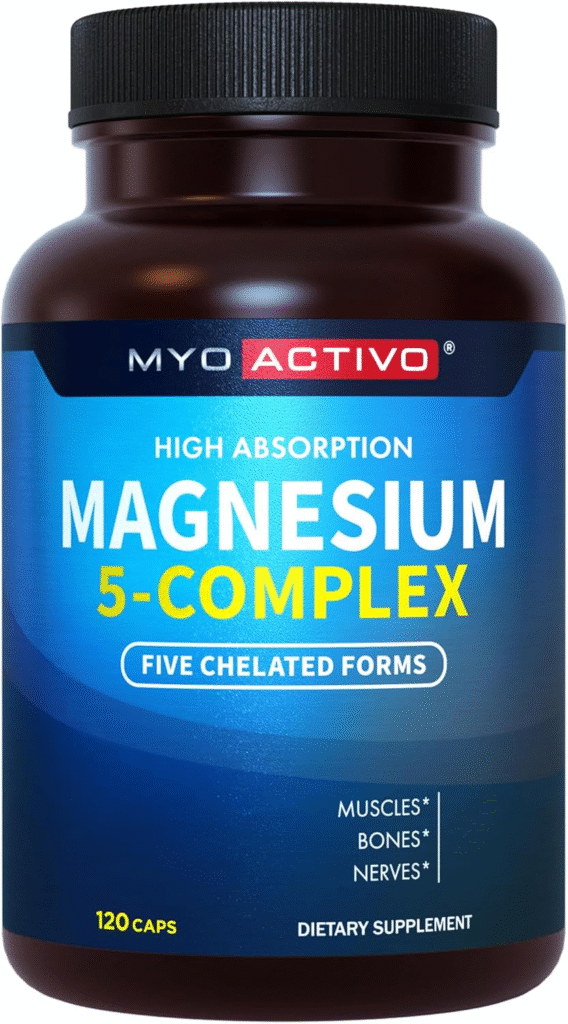
Recommended Product: Myo Activo 5-in-1 Magnesium Complex – High Absorption
2. Omega-3 Fatty Acids
Omega-3 fatty acids, primarily found in fish oil and certain plant sources, are renowned for their potent anti-inflammatory properties. These essential fatty acids can play a significant role in managing cramps by reducing inflammation and pain.
The Science Behind Omega-3s and Cramps
Omega-3 fatty acids work by decreasing the production of prostaglandins, hormone-like substances that can cause uterine contractions and pain during menstruation. By reducing prostaglandin levels, omega-3s can help ease menstrual cramps.
A study published in the International Journal of Gynecology & Obstetrics found that women who took omega-3 supplements experienced significantly less menstrual pain compared to those who took a placebo. This research supports the use of omega-3s as a natural remedy for menstrual cramps.
Beyond Menstrual Cramps
The benefits of omega-3s extend beyond menstrual cramps. They can also help with muscle cramps by reducing inflammation in muscle tissue, improving blood flow, and enhancing muscle recovery after exercise.
This can lead to faster recovery and less pain after intense physical activity, potentially reducing exercise-induced muscle cramps.
Choosing an Omega-3 Supplement
When selecting an omega-3 supplement, look for high-quality fish oil or algae-based options if you’re vegetarian or vegan. Aim for a supplement that provides a good balance of EPA (eicosapentaenoic acid) and DHA (docosahexaenoic acid), the two main types of omega-3 fatty acids.
For optimal absorption, take your omega-3 supplement with a meal that contains some healthy fats. Also, be aware that omega-3s can have a blood-thinning effect, so it’s important to talk to your healthcare provider if you’re taking blood-thinning medications.
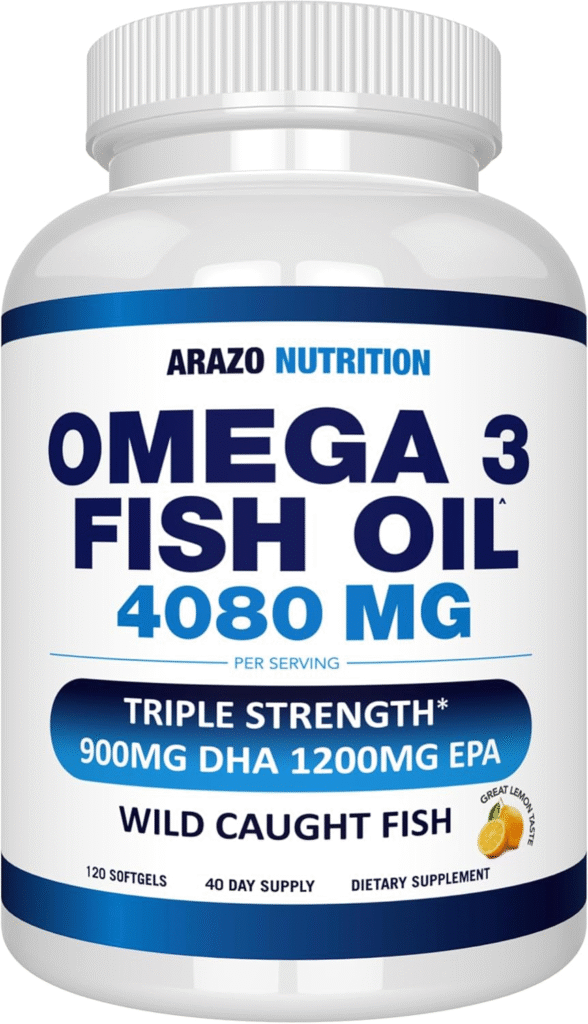
Recommended Product: Arazo Nutrition Wild Caught Omega 3 Fish Oil
3. Vitamin B Complex
The B vitamins are a group of essential nutrients that play various roles in our body, including hormone regulation, energy production, and nervous system function. When it comes to cramps, vitamin B complex can be incredibly beneficial.
Vitamin B6: The Star Player
Vitamin B6, also known as pyridoxine, has been shown to help with menstrual cramps by balancing hormone levels and reducing the production of prostaglandins. A study published in the Journal of Caring Sciences found that vitamin B6 supplementation significantly reduced the severity of menstrual cramps in young women.
Vitamin B6 can also help reduce symptoms of premenstrual syndrome (PMS), which often includes cramping. It’s thought to work by increasing the production of serotonin, a neurotransmitter that plays a role in mood regulation and pain perception.
Other B Vitamins and Their Role in Cramp Relief
While B6 takes center stage, other B vitamins also contribute to cramp relief:
- Vitamin B1 (Thiamine): Supports proper nerve function and muscle metabolism
- Vitamin B12: Essential for nerve health and can help reduce muscle cramps
- Vitamin B5 (Pantothenic Acid): Involved in the synthesis of coenzyme A, which is essential for proper muscle function
Choosing a B Complex Supplement
When selecting a B complex supplement, look for one that contains all eight B vitamins in balanced amounts. Some people may benefit from higher doses of certain B vitamins, so it’s worth discussing with a healthcare provider to decide the best option for your needs.
Keep in mind that B vitamins are water-soluble, meaning excess amounts are excreted through urine. This makes them generally safe to take, but it also means that consistent supplementation is necessary to maintain adequate levels in the body.
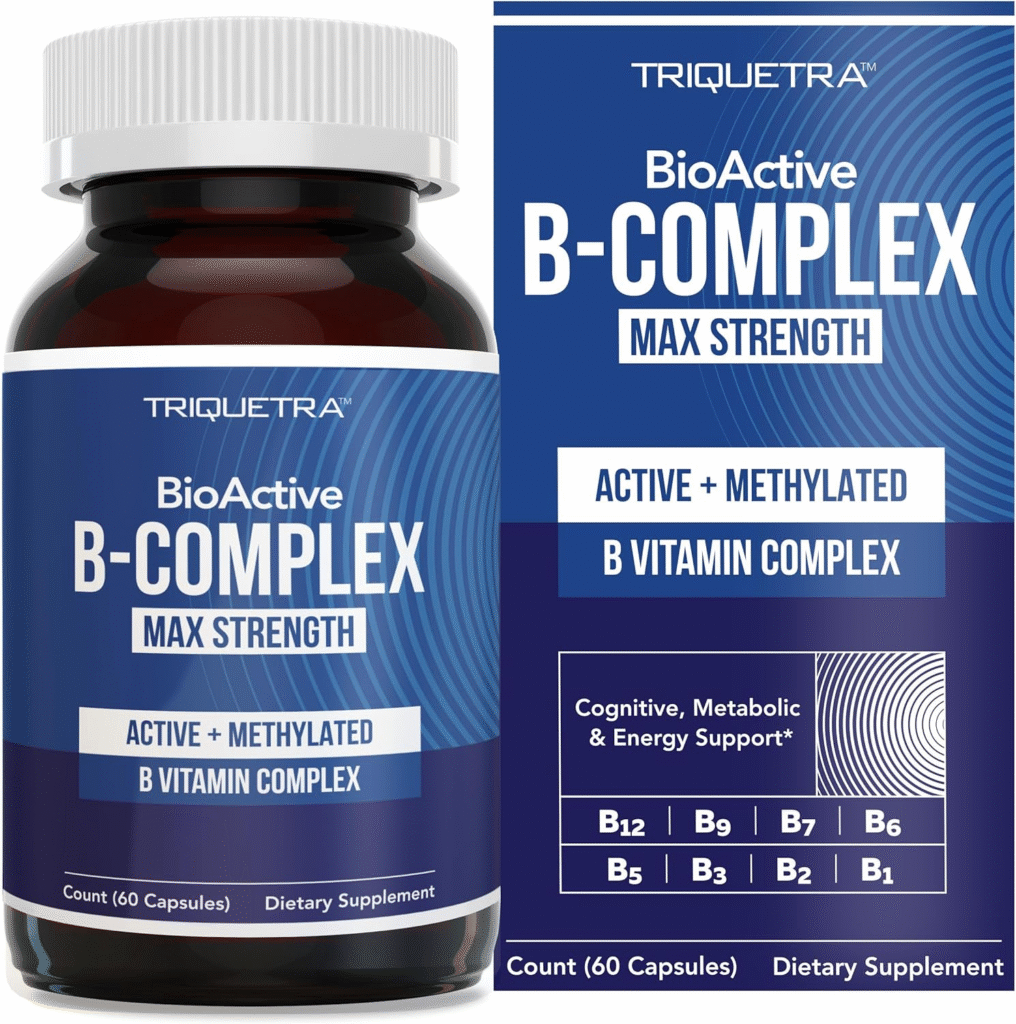
Recommended Product: BioActive Vitamin B Complex
4. Ginger
Ginger has been used for centuries in traditional medicine to treat various ailments, including cramps. This powerful root contains compounds called gingerols and shogaols, which have potent anti-inflammatory and pain-relieving properties.
Ginger for Menstrual Cramps
Research has shown that ginger can be as effective as nonsteroidal anti-inflammatory drugs (NSAIDs) in reducing menstrual cramp pain. A study published in the Journal of Alternative and Complementary Medicine found that ginger was as effective as mefenamic acid and ibuprofen in relieving menstrual cramps.
The mechanism behind ginger’s effectiveness is thought to be its ability to reduce inflammation, inhibit prostaglandin synthesis, and improve blood circulation to the uterus. These properties work together to reduce menstrual pain and discomfort.
Ginger for Muscle Cramps
Ginger can also help with muscle cramps by reducing inflammation and improving circulation. Its warming properties can help relax tense muscles and ease discomfort.
This makes it particularly useful for exercise-induced muscle cramps and soreness.
How to Use Ginger for Cramp Relief
You can take ginger in various forms:
- Capsules: Look for a high-quality ginger extract standardized to contain a specific amount of gingerols
- Tea: Steep fresh ginger root or ginger tea bags in hot water
- Fresh ginger root: Add to smoothies, juices, or cooking
For best results, start taking ginger a few days before you expect menstrual cramps to begin, or immediately after intense exercise to prevent muscle cramps.
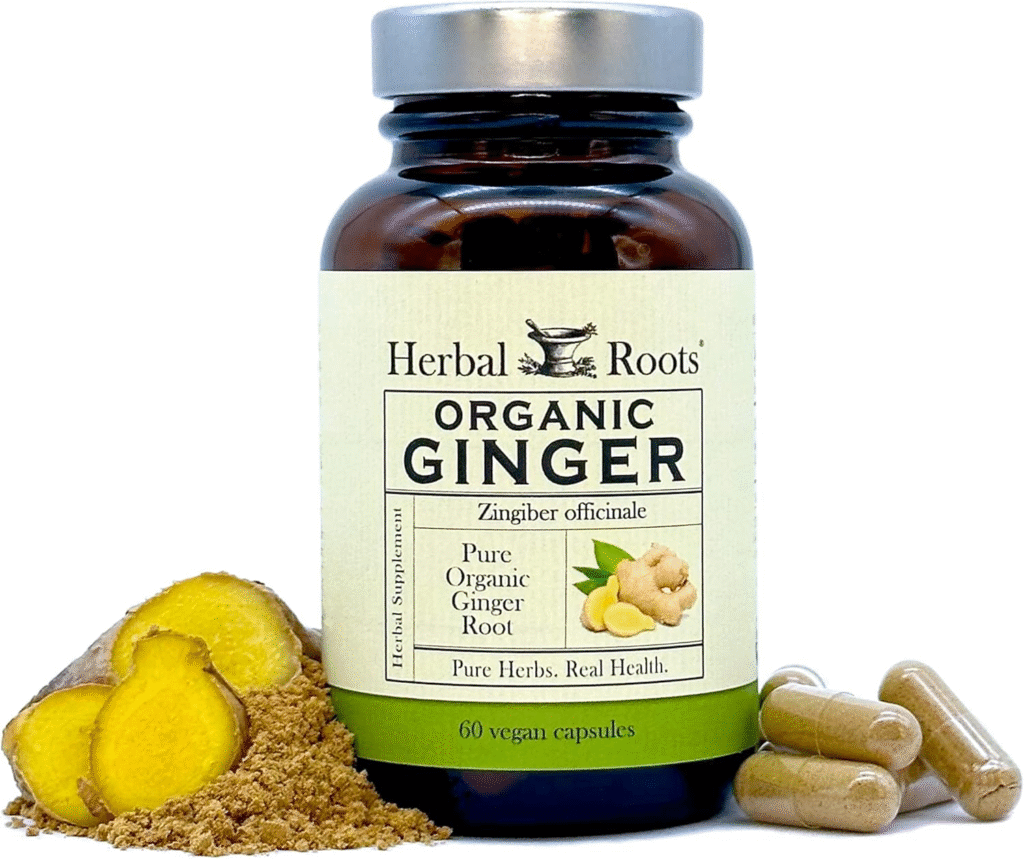
Recommended Product: Herbal Roots Ginger Supplement
5. Calcium
While calcium is often associated with bone health, it also plays a crucial role in muscle function. Calcium is necessary for muscle contraction and relaxation, and a deficiency can lead to increased cramping.
Calcium and Menstrual Cramps
For menstrual cramps, calcium has been shown to help reduce the severity of pain. A study published in the Obstetrics & Gynecology Science journal found that calcium supplementation significantly reduced menstrual pain intensity in young women.
The mechanism behind this effect is thought to be calcium’s role in regulating muscle contractions. Adequate calcium levels can help prevent excessive uterine contractions that lead to cramping.
Calcium and Muscle Cramps
Calcium can also help with muscle cramps, particularly those related to exercise. When we sweat, we lose calcium, which can lead to muscle cramps.
Supplementing with calcium can help prevent this loss and reduce the likelihood of cramping.
Choosing a Calcium Supplement
When selecting a calcium supplement, opt for forms that are easily absorbed by the body, such as calcium citrate. It’s also important to confirm you’re getting enough vitamin D, as it’s necessary for proper calcium absorption.
The recommended daily intake of calcium varies by age and gender, but generally ranges from 1000-1200 mg per day for adults. It’s best to split this into smaller doses throughout the day for optimal absorption.
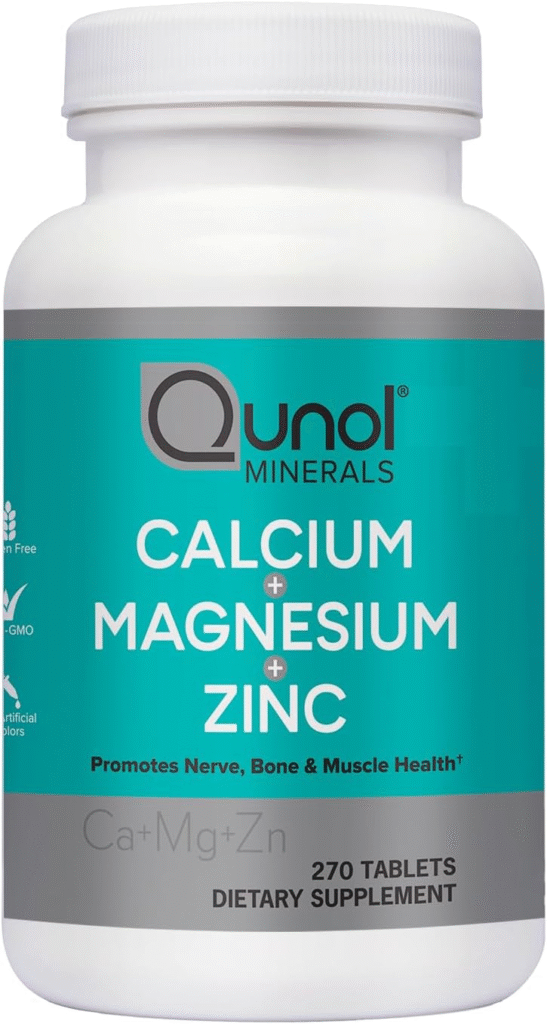
Recommended Product: Qunol Calcium 3 in 1 Tablets
6. Turmeric
Turmeric, and its active compound curcumin, has gained popularity in recent years for its powerful anti-inflammatory properties. This golden spice can be an effective natural remedy for various types of cramps.
Turmeric for Menstrual Cramps
Curcumin works by inhibiting the production of inflammatory compounds in the body, including those responsible for menstrual cramps. A study published in the Complementary Therapies in Medicine journal found that curcumin was effective in reducing the severity and duration of menstrual cramps.
Turmeric for Muscle Cramps
For muscle cramps, turmeric’s anti-inflammatory properties can help reduce pain and speed up recovery. It may be particularly useful for exercise-induced muscle cramps and soreness.
Maximizing Turmeric’s Benefits
When choosing a turmeric supplement, look for one that contains black pepper extract (piperine) or is formulated for enhanced absorption. Curcumin on its own is poorly absorbed by the body, but these additions can significantly increase its bioavailability.
You can also incorporate turmeric into your diet by adding it to smoothies, cooking, or making golden milk (a traditional Indian drink made with turmeric and milk).
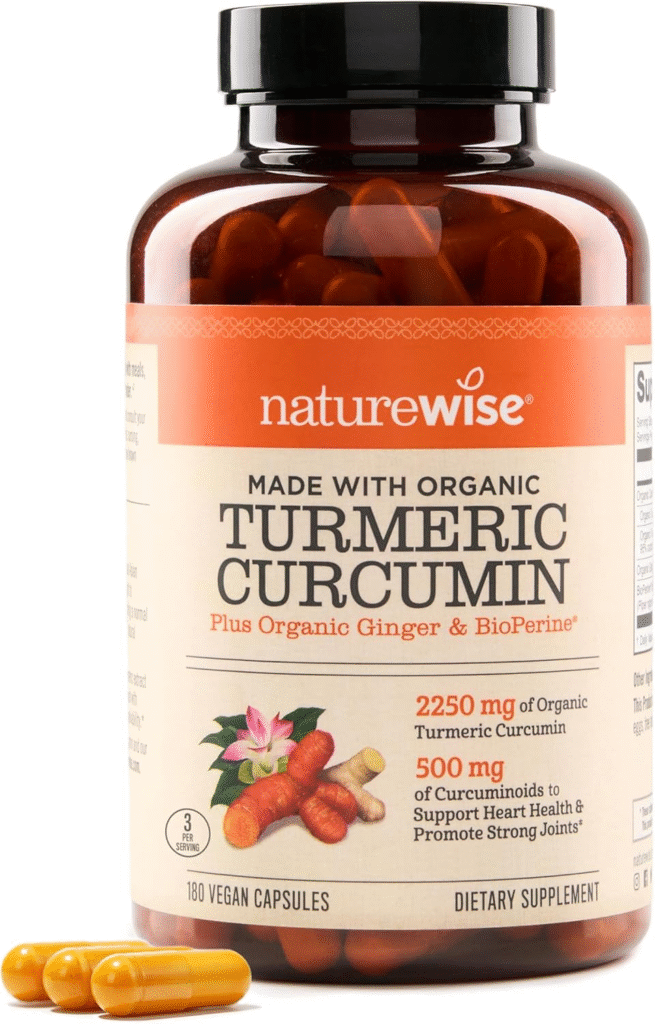
Recommended Product: NatureWise Curcumin Turmeric
7. Dong Quai
Dong quai, also known as “female ginseng,” has been used in traditional Chinese medicine for centuries to treat various women’s health issues, including menstrual cramps. This herb contains compounds that can help relax the uterus and improve blood flow.
Dong Quai for Menstrual Cramps
Research on dong quai is limited, but some studies suggest it may be effective in reducing menstrual pain. It’s believed to work by balancing estrogen levels, reducing inflammation in the uterus, and improving blood circulation to the pelvic area.
Dong Quai for Other Types of Cramps
While dong quai is primarily known for its effects on menstrual cramps, it may also help with other types of muscle cramps because of its ability to improve circulation and reduce inflammation.
Using Dong Quai Safely
When choosing a dong quai supplement, look for a high-quality extract from a reputable brand. Keep in mind that dong quai may interact with certain medications, particularly blood thinners, so it’s best to talk to a healthcare provider before adding it to your regimen.
Dong quai is typically not recommended for use during pregnancy or for people who have heavy menstrual bleeding.
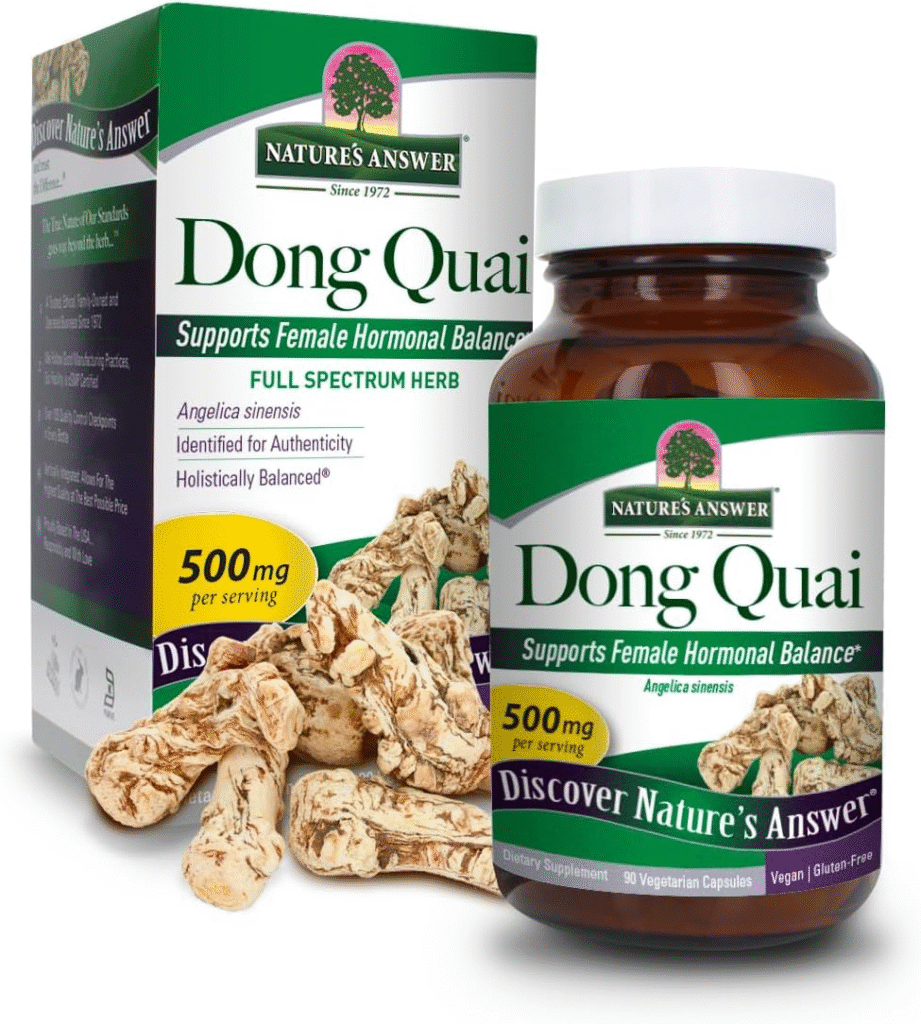
Recommended Product: Nature’s Answer Dong Quai Root
People Also Asked
What is the best supplement for menstrual cramps?
While person responses may vary, magnesium and omega-3 fatty acids are often considered among the most effective supplements for menstrual cramps. Both have strong scientific evidence supporting their use in reducing menstrual pain.
Can vitamin B6 help with PMS symptoms?
Yes, vitamin B6 has been shown to help reduce various PMS symptoms, including mood swings, irritability, and breast tenderness. It may also help reduce menstrual cramps in some women.
How much magnesium should I take for muscle cramps?
The recommended dietary allowance (RDA) for magnesium is 310-420 mg for adults, depending on age and gender. For muscle cramps, some studies have used doses of 300-400 mg per day, but it’s best to talk to a healthcare provider for personalized advice.
Is ginger as effective as ibuprofen for menstrual pain?
Some studies have found ginger to be as effective as ibuprofen in reducing menstrual pain. However, more research is needed to confirm these findings, and person responses may vary.
Can calcium supplements prevent leg cramps?
Calcium supplements may help prevent leg cramps, especially if you’re deficient in calcium. However, it’s often most effective when combined with adequate magnesium and vitamin D intake.
Are there any side effects of taking turmeric for cramps?
Turmeric is generally safe for most people when taken in suitable doses. However, some people may experience digestive issues or allergic reactions.
It’s always best to start with a low dose and talk to a healthcare provider.
How long does it take for omega-3s to work for menstrual cramps?
The effects of omega-3 supplements on menstrual cramps may not be immediate. Some studies suggest it may take 2-3 months of consistent supplementation to see significant benefits.
Can dong quai interact with birth control pills?
Dong quai may potentially interact with hormonal birth control methods because of its effects on estrogen levels. It’s crucial to talk to a healthcare provider before using dong quai if you’re on birth control.
Is it safe to take many supplements for cramps at once?
While many of these supplements can be safely combined, it’s always best to talk to a healthcare provider before starting a new supplement regimen, especially if you’re taking many supplements or medications.
How can I naturally boost my magnesium levels?
In addition to supplements, you can increase your magnesium intake through diet. Foods high in magnesium include dark leafy greens, nuts, seeds, whole grains, and dark chocolate.
Key Takeaways
- Magnesium is a crucial mineral for muscle relaxation and can significantly reduce both menstrual and muscle cramps.
- Omega-3 fatty acids have potent anti-inflammatory properties that can help reduce various types of cramps.
- Vitamin B complex, especially B6, can help balance hormones and reduce menstrual cramp severity.
- Ginger has been shown to be as effective as some over-the-counter pain medications for menstrual cramps.
- Calcium plays a vital role in muscle function and can help prevent exercise-induced cramps.
- Turmeric’s active compound, curcumin, has powerful anti-inflammatory effects that can help with both menstrual and muscle cramps.
- Dong quai, while less studied, has traditional use for menstrual cramps and may help improve blood flow.
- Always talk to a healthcare provider before starting any new supplement regimen, especially if you have underlying health conditions or are taking medications.
- These natural supplements may take time to show effects, so consistency is key.
- A holistic approach combining supplements, diet, and lifestyle changes often yields the best results for managing cramps.
Disclaimer
The information contained in this post is for general information purposes only. The information is provided by Natural Relief: Top 7 Supplements for Cramps and while we endeavor to keep the information up to date and correct, we make no representations or warranties of any kind, express or implied, about the completeness, accuracy, reliability, suitability or availability with respect to the website or the information, products, services, or related graphics contained on the post for any purpose.