
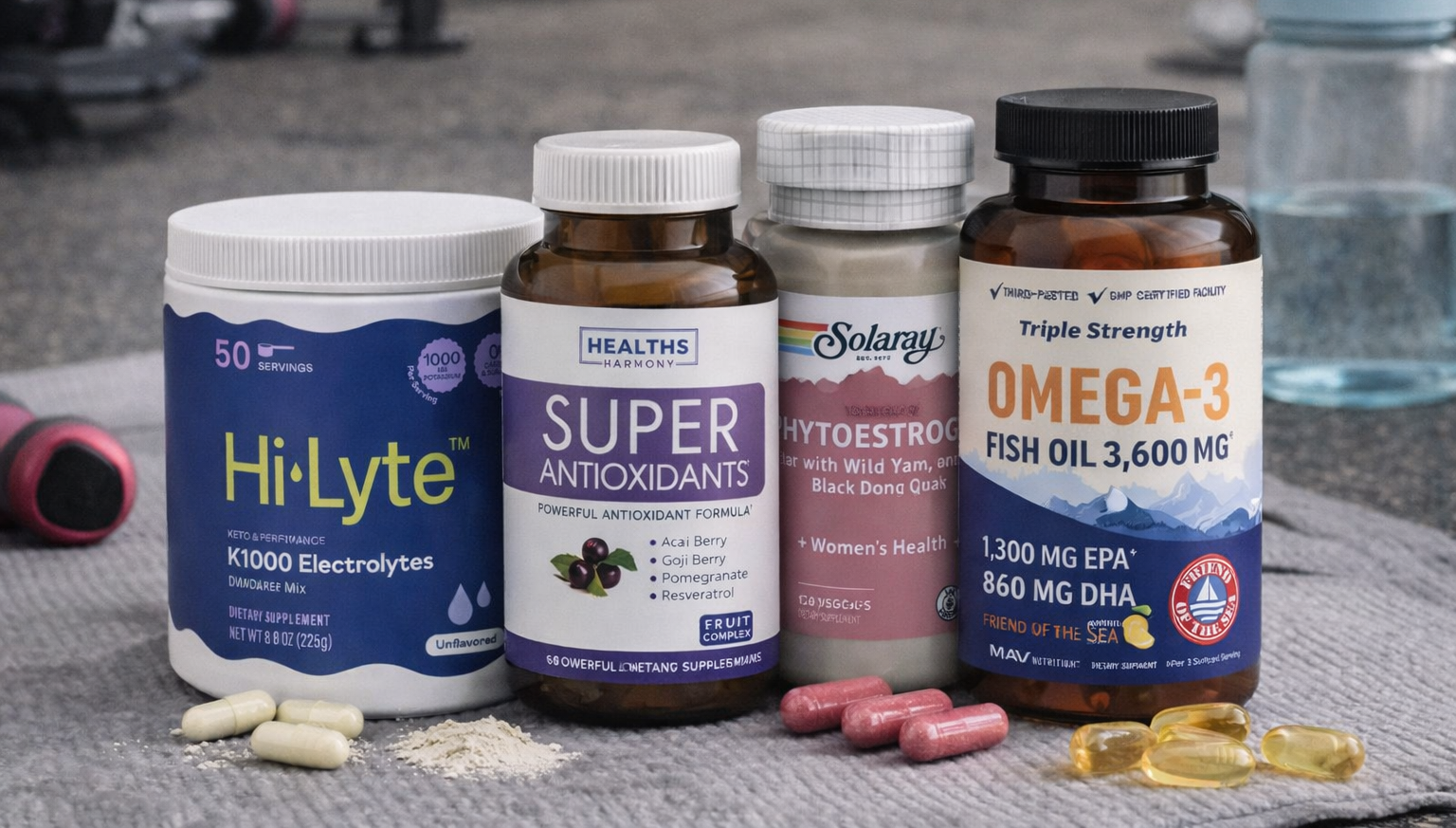
The research landscape around menopause remedies has expanded dramatically over the past few years. Black cohosh still has its place, but some of the newer findings are honestly pretty surprising.
If hot flashes wake you up at 3 AM drenched in sweat, mood swings make you feel like you’re losing your mind, or vaginal dryness affects your quality of life, you’re probably looking for options beyond hormone replacement therapy. Maybe you can’t take HRT because of your medical history, or maybe you just prefer a different approach.
Either way, legitimate, research-backed natural remedies can make a real difference.
Natural doesn’t always mean gentle or simple. Some of these remedies work through really specific mechanisms in your body.
Understanding how they function helps you choose the right combination for your particular symptoms.
What works brilliantly for your friend’s hot flashes might do absolutely nothing for yours, because menopause manifests differently in each person.
Understanding What Actually Happens During Menopause
Before taking a close look at specific remedies, you need to understand that menopause involves declining estrogen, but the whole picture is way more complex. Your cortisol levels shift, your gut microbiome changes, your liver processes hormones differently, and your sleep architecture gets disrupted. All of these factors interact with each other in ways that either amplify or reduce your symptoms.
Some women sail through menopause with barely a hot flash while others suffer intensely for years. The difference comes down to how your entire system responds to hormone changes and how well your body adapts.
The vasomotor symptoms, those notorious hot flashes and night sweats, happen because declining estrogen affects your hypothalamus, the part of your brain that regulates body temperature. Your temperature control gets hypersensitive, so tiny changes that wouldn’t have bothered you before suddenly trigger a full-body flush.
Chronic stress amplifies these symptoms significantly, sometimes even more than the actual estrogen decline. Stress management becomes foundational medicine for menopause as opposed to just a nice add-on.
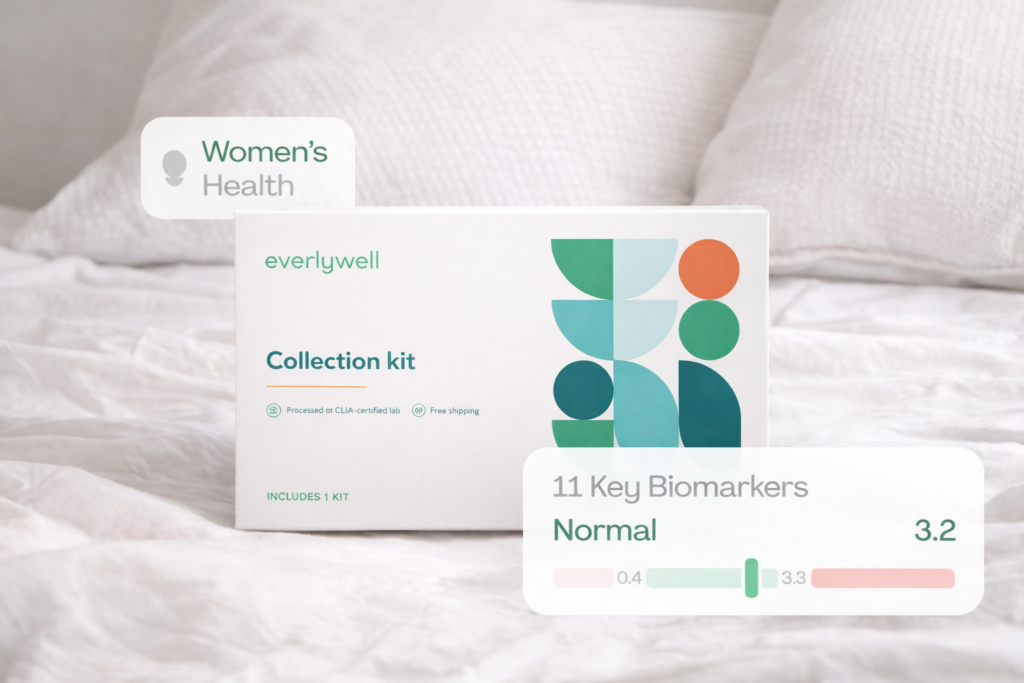
Everlywell Women’s Health Test – At-Home Screening
Wondering about your hormonal health, reproductive wellness, or perimenopause symptoms? This at-home test provides insights into key hormones affecting your overall health, all from the comfort of your home.
- ✔ Measures estradiol, progesterone, FSH, and LH
- ✔ CLIA-certified lab analysis
- ✔ Physician-reviewed, easy-to-read results
- ✔ Simple finger-prick blood sample from home
FSA/HSA eligible • Test from home • Personalized hormone insights
The Remedies That Have Actually Proven Themselves
Black Cohosh
This North American native plant has been used in traditional medicine for centuries, but modern research has finally caught up. A 2023 review analyzing 22 randomized controlled trials found that black cohosh significantly improved overall menopause symptoms, hot flushes, and somatic symptoms.
That represents substantial evidence, especially compared to many choices that rely on anecdotal reports.
Black cohosh helps balance hormones without permanently affecting estrogen receptors, which means it doesn’t carry the same cancer risk profile as traditional HRT. For women who can’t or won’t take hormone therapy, this distinction matters tremendously.
The effective dose typically ranges from 20 to 40 mg daily, and you should expect to take it for at least four to eight weeks before seeing results. Some women notice improvements sooner, but consistency decides success.
The evidence is strongest for hot flashes and night sweats, though some women report better sleep quality as well.
In rare cases, black cohosh has been associated with liver problems. If you develop yellowing of the skin or eyes, dark urine, or upper right abdominal pain, stop taking it immediately and see your doctor.
Fermented Red Clover
Regular red clover contains isoflavones, plant compounds that function similarly to estrogen in your body. A 2021 research review found that red clover supplements may help reduce daily hot flash frequency from a baseline of about three per day.
That’s helpful, but fermented red clover tells a different story.
A 2022 study found that fermented red clover supplementation reduced vascular inflammation in early postmenopausal women compared to placebo. This matters because declining estrogen negatively impacts cardiovascular health, and anything that protects your blood vessels during this transition deserves attention.
The fermentation process changes how your body absorbs and uses the isoflavones, making them more bioavailable and effective. This finding really challenges the idea that natural remedies are interchangeable or that processing doesn’t matter.
The same plant, processed differently, produces significantly different results.
The standard dose equals about 60 mg of isoflavones daily. Side effects are generally mild, maybe some headache or mild nausea, but nothing serious has been reported in the research.
However, if you have a history of hormone-sensitive cancers, you should approach red clover cautiously because of its estrogenic effects.
Flaxseed
For years, flaxseed research produced really inconsistent results. Some studies showed benefits, others showed nothing, and I found it frustrating trying to figure out if it was worth incorporating.
But a 2024 study changed that conversation by finding that flax was effective for many symptoms simultaneously: hot flashes, night sweats, and difficulty falling asleep.
Flaxseed works through two mechanisms. It contains lignans, which are plant compounds with structures similar to estrogen, and omega-3 fatty acids, which reduce inflammation throughout your body.
This dual action might explain why it affects many symptom categories instead of just targeting one.
The key involves consuming ground flaxseed as opposed to whole seeds, which your digestive system can’t break down effectively. Two tablespoons daily, sprinkled on yogurt, oatmeal, or blended into smoothies, provides the effective dose.
You can also use flaxseed oil, though the lignan content is lower.
Store ground flaxseed in the refrigerator or freezer because the omega-3 fats go rancid quickly at room temperature. Grinding your own seeds fresh is ideal, but pre-ground works fine if you use it within a few weeks and store it properly.
Ashwagandha
This adaptogenic herb from traditional Ayurvedic medicine has been used for thousands of years, but recent research specifically examining its effects on perimenopausal women really caught my attention. In one study, women going through perimenopause saw significant improvements in both low mood and irritability after taking a daily ashwagandha supplement for just eight weeks.
Eight weeks represents a remarkably fast timeline compared to many natural remedies that take months to show effects. Other studies consistently show participants recording better scores on scales measuring depression, stress, and anxiety after ashwagandha supplementation.
Ashwagandha crosses the blood-brain barrier, which means it can directly affect mood centers in your brain as opposed to working peripherally on hormones. This direct action might explain both its effectiveness and its relatively rapid onset.
The typical dose ranges from 300 to 600 mg daily of a standardized extract. Look for supplements standardized to contain at least 5% withanolides, which are the active compounds.
Side effects are generally minimal, though some people experience mild digestive upset initially.
St. John’s Wort
If you’re dealing with mood changes during menopause, and honestly, who isn’t at least occasionally, St. John’s wort deserves serious consideration. In a study involving 80 postmenopausal women, those given St. John’s wort reported both reduced hot flash frequency and intensity.
Eighty percent reported no longer feeling depressed compared to only 5.7% given placebo.
That represents a dramatic difference that rivals many prescription antidepressants. A 2023 research review provides evidence that St. John’s wort can effectively improve mood disorders and mild to moderate depressive symptoms during menopause.
The challenge with St. John’s wort involves its potency and significant drug interactions. It affects how your liver processes medications, which can make birth control less effective, interfere with blood thinners, reduce the effectiveness of some heart medications, and interact with many other drugs.
This requires careful consideration of your current medication regimen.
The standard dose is 300 mg three times daily of an extract standardized to 0.3% hypericin. You’ll need to take it consistently for four to six weeks before evaluating its effectiveness.
Combining Herbs for Better Results
Combination herbal formulas often outperform single herbs. Multiple studies using black cohosh combined with red clover, chamomile, and dong quai together showed that hot flashes and night sweats were significantly reduced compared to taking any single herb alone.
Menopause affects many body systems simultaneously, so addressing it from many angles with herbs that have different mechanisms of action works better than a single-target approach. This mirrors how combination medications often work better than monotherapy for complex conditions.
The challenge involves finding high-quality combination formulas with standardized doses of each ingredient. Many commercial products contain proprietary blends that don’t disclose exact amounts, making it difficult to know if you’re getting therapeutic doses.
Look for products that list specific amounts of each herb and choose brands that do third-party testing for purity and potency.
The Dietary Approach That Actually Works
I’ve reviewed dozens of dietary approaches for menopause, and the Mediterranean diet pattern consistently shows the most benefit. The foundation includes lots of colorful fruits and vegetables, olive oil as your primary fat source, whole grains, beans and legumes, fatty fish several times per week, and limited red meat.
This pattern naturally provides phytoestrogens from plant foods, omega-3 fats that reduce inflammation and mood swings, and antioxidants that protect against cellular damage.
Specific foods within this pattern seem to have outsized benefits for menopause symptoms. Fatty fish like salmon, mackerel, and sardines provide omega-3s that specifically target mood swings and reduce inflammation.
Cruciferous vegetables including broccoli, cauliflower, and kale help your liver process estrogen more efficiently, which might actually be more important than consuming extra phytoestrogens through supplements.
Your liver’s ability to metabolize estrogen affects how you experience menopause symptoms. If your liver is sluggish or overwhelmed, even normal hormone levels can cause problems because the metabolites aren’t being cleared efficiently.
Supporting liver function through cruciferous vegetables, adequate hydration, and limiting alcohol can make a noticeable difference in symptom severity.
The Lifestyle Changes That Amplify Everything Else
Natural remedies work better when combined with strategic lifestyle changes. I’m talking about specific interventions that target the mechanisms driving your symptoms.
Sleep Optimization as Foundation
Sleep disruption during menopause amplifies every other symptom you experience. Hot flashes feel more intense, mood swings become more dramatic, cognitive function declines further, and weight management becomes nearly impossible.
Making sleep a primary treatment target can dramatically improve your overall experience.
Valerian root specifically targets menopause-related sleep disruption. A 2018 study in 60 menopausal women found that valerian decreased both the frequency and severity of hot flashes, likely because better sleep reduced the overall stress load on the body, which then reduced vasomotor symptoms.
This interconnection between sleep and other symptoms explains why valerian often produces benefits beyond just better rest.
Magnesium supplementation, typically 300 to 400 mg before bed, improves sleep quality by supporting the production of GABA, a neurotransmitter that promotes relaxation. Many women are marginally deficient in magnesium anyway, and addressing that deficiency can produce surprisingly broad benefits.
Movement That Targets the Nervous System
Exercise recommendations for menopause usually focus on cardiovascular benefits or weight management, but specific types of movement directly affect symptom severity through nervous system regulation. Certain yoga poses, particularly forward fold, supported bridge, and child’s pose, activate the parasympathetic nervous system, which directly counters the fight-or-flight response that intensifies hot flashes.
Just 15 minutes of daily yoga practice that includes these cooling, calming poses can reduce hot flash frequency and intensity. This involves retraining your nervous system to respond differently to hormonal fluctuations.
Walking in nature provides similar benefits through a different mechanism. Being outdoors, particularly in green spaces, measurably lowers cortisol levels.
Since elevated cortisol amplifies menopause symptoms, regular nature exposure becomes functional medicine as opposed to just pleasant recreation.
Blood Sugar Stabilization
Blood sugar instability significantly worsens menopause symptoms, particularly hot flashes and mood swings. When your blood sugar spikes and then crashes, it triggers a stress response that involves cortisol release, which then amplifies vasomotor symptoms.
Eating smaller, more frequent meals that mix protein, healthy fats, and complex carbohydrates keeps blood sugar stable throughout the day. This might mean eating every three to four hours as opposed to sticking to traditional meal patterns.
It also means being strategic about what you eat at each meal: always including protein and fat with any carbohydrate source to slow absorption and prevent spikes.
Avoiding refined carbohydrates and added sugars makes a noticeable difference for many women. This means being strategic about when and how much sweet food you eat, and always consuming sweets with protein and fat to blunt the blood sugar impact.
The Stress-Symptom Connection You Need to Understand
Chronic stress may amplify menopause symptoms more significantly than estrogen decline itself. The stress in your life, whether from work pressure, relationship challenges, caregiving responsibilities, or financial worries, might be causing more of your symptoms than your actual hormones.
When you’re chronically stressed, your body produces elevated cortisol, which interferes with already disrupted hormone balance. High cortisol also disrupts sleep, increases inflammation, promotes abdominal weight gain, worsens mood swings, and intensifies hot flashes.
It creates a cascade effect where one problem amplifies all the others.
Stress management becomes central to your menopause treatment plan. Breathing techniques like the 4-7-8 method (inhale for 4 counts, hold for 7, exhale for 8) provide immediate physiological relief by activating the parasympathetic nervous system.
Practicing this for just a few minutes when you feel a hot flash coming on can actually reduce its intensity.
Meditation and mindfulness practices build emotional resilience over time, making you less reactive to the inevitable hormonal fluctuations. Even five minutes daily produces measurable benefits in studies.
The key involves consistency as opposed to duration, daily short practices work better than occasional long sessions.
Setting boundaries becomes increasingly important during menopause. Learning to say no, delegating responsibilities, and protecting your time and energy are medical necessities when your body is already managing a major transition.
Adapting Your Approach to Your Specific Symptoms
Not every woman needs every remedy. Your symptom profile should guide your choices.
If hot flashes and night sweats dominate your experience, prioritize black cohosh, fermented red clover, sage, and flaxseed. If mood changes are your primary challenge, focus on St. John’s wort, ashwagandha, omega-3 supplementation, and regular exercise.
For sleep disruption, mix valerian root with magnesium supplementation, optimize your sleep environment by keeping your bedroom cool, and practice consistent sleep-wake times even on weekends. For vaginal dryness and discomfort, use topical vitamin E oil directly on vaginal tissue, which is more effective than oral supplementation for this specific symptom.
Some women experience early menopause, whether natural or medically induced, and may respond differently to remedies than women going through menopause at the typical age. The same hormonal changes happen more abruptly, which can intensify symptoms and need more aggressive intervention.
Practical Implementation Strategy
Start with one or two remedies as opposed to everything at once. This allows you to assess what’s actually working and identify any side effects or interactions.
Give each remedy at least four to eight weeks before deciding it isn’t effective, most natural remedies work gradually as opposed to producing immediate results.
Track your symptoms daily using a simple journal or app. Note hot flash frequency and intensity, sleep quality, mood, energy levels, and any other symptoms you’re experiencing. This baseline data helps you objectively assess whether interventions are working as opposed to relying on subjective impressions that can be influenced by other factors.
Quality matters enormously with herbal supplements. The FDA doesn’t regulate supplements with the same rigor as pharmaceuticals, which means quality and purity vary dramatically between brands.
Look for products that have been third-party tested by organizations like USP, NSF, or ConsumerLab.
Choose brands that disclose where their herbs are sourced and how they’re processed.
Consider working with a naturopathic doctor or integrative medicine practitioner who specializes in menopause. They can help you design a comprehensive protocol that addresses your specific symptoms, watch for potential interactions with any medications you take, and adjust dosages based on your response.
Building Your Support System
Connection and community significantly impact how you experience menopause. Women who have strong social support and feel comfortable discussing their symptoms tend to report less severe experiences than isolated women.
Stress and isolation amplify symptoms while social connection provides both practical support and emotional buffering.
Talk openly with friends who are going through or have been through menopause. Join online communities focused on natural approaches to menopause.
Find healthcare providers who take your symptoms seriously and support your treatment preferences.
Educate your partner about what you’re experiencing so they can provide informed support as opposed to being confused by changes they don’t understand.
Seek wisdom from older female relatives who’ve successfully navigated menopause. They can offer both practical advice and the reassurance that this transition is temporary and manageable.
People Also Asked
Does ashwagandha help with hot flashes?
Yes, ashwagandha has been shown to help with various menopause symptoms including mood changes, which can indirectly affect hot flash severity. While the research is strongest for mood improvements, many women report overall symptom relief when taking ashwagandha consistently for at least eight weeks at doses of 300 to 600 mg daily.
What is the best natural supplement for menopause?
Black cohosh has the most research backing its effectiveness for menopause symptoms, particularly hot flashes and night sweats. Studies show it works best when taken at 20 to 40 mg daily for at least four to eight weeks.
However, combination formulas that include black cohosh with red clover and other herbs often produce better results than single supplements.
Can flaxseed help with night sweats?
Recent 2024 research found that flaxseed effectively reduces both hot flashes and night sweats when consumed as two tablespoons of ground flaxseed daily. The lignans and omega-3 fatty acids in flaxseed work together to reduce inflammation and provide gentle estrogenic effects that help stabilize temperature regulation.
Is St. John’s wort safe to take during menopause?
St. John’s wort can be very effective for menopause-related mood changes, with studies showing 80% of women reporting improved depression symptoms. However, it interacts with many medications including birth control, blood thinners, and heart medications.
You must check with your doctor before taking St. John’s wort if you’re on any prescription medications.
What foods make menopause symptoms worse?
Refined carbohydrates and added sugars can worsen menopause symptoms by causing blood sugar spikes and crashes that trigger cortisol release and intensify hot flashes. Alcohol can disrupt sleep quality and trigger hot flashes.
Spicy foods and caffeine may also trigger hot flashes in some women, though responses vary individually.
How long does it take for black cohosh to work?
Black cohosh typically requires four to eight weeks of consistent daily use before producing noticeable improvements in hot flashes and night sweats. Some women notice benefits sooner, but you should give it at least two months at the recommended dose of 20 to 40 mg daily before deciding whether it’s working for you.
Does magnesium help with menopause symptoms?
Magnesium supplementation at 300 to 400 mg before bed can significantly improve sleep quality during menopause by supporting GABA production, which promotes relaxation. Better sleep then reduces overall symptom severity because sleep disruption amplifies every other menopause symptom.
Many women are marginally deficient in magnesium, making supplementation particularly useful.
Can diet alone manage menopause symptoms?
Diet can significantly reduce menopause symptom severity but rarely eliminates symptoms entirely on its own. Mediterranean dietary patterns rich in fatty fish, cruciferous vegetables, and olive oil provide the best research-backed benefits.
Combining dietary changes with targeted supplements and stress management typically produces better results than diet alone.
Key Takeaways
Black cohosh stays the most studied natural remedy with strong evidence for reducing hot flashes and night sweats, though it requires four to eight weeks of consistent use before producing noticeable benefits.
Fermented red clover offers superior vascular protection compared to regular red clover, demonstrating that processing method significantly affects remedy effectiveness.
Combining many herbs typically produces better results than single-herb approaches because menopause affects many body systems simultaneously.
Flaxseed’s recent 2024 research shows it effectively addresses many symptoms including hot flashes, night sweats, and sleep difficulties when consumed as two tablespoons of ground seeds daily.
Ashwagandha produces measurable mood improvements within just eight weeks, making it one of the fastest-acting natural remedies for perimenopausal mood symptoms.
St. John’s wort dramatically improves depression in 80% of users compared to 5.7% on placebo, though it requires careful consideration of drug interactions.
Sleep optimization should be treated as foundational therapy as opposed to just another symptom to manage because poor sleep amplifies all other menopause symptoms.
Chronic stress may amplify symptoms more than actual hormone decline, making stress management central to effective menopause treatment.
Mediterranean dietary patterns with emphasis on fatty fish, cruciferous vegetables, and olive oil reduce symptom severity through many mechanisms including inflammation reduction and improved estrogen metabolism.
Blood sugar stabilization through smaller, frequent meals combining protein, healthy fats, and complex carbohydrates reduces hot flash frequency and mood swings by preventing stress-inducing glucose crashes.
Everlywell Women’s Health Test – At-Home Screening
Wondering about your hormonal health, reproductive wellness, or perimenopause symptoms? This at-home test provides insights into key hormones affecting your overall health, all from the comfort of your home.
- ✔ Measures estradiol, progesterone, FSH, and LH
- ✔ CLIA-certified lab analysis
- ✔ Physician-reviewed, easy-to-read results
- ✔ Simple finger-prick blood sample from home
FSA/HSA eligible • Test from home • Personalized hormone insights
Find out our Recommended Products for Menopause; visit: https://www.vitalwomenwellness.com/navigating-menopause-key-nutrients-for-a-balanced-diet/
Disclaimer
The information contained in this post is for general information purposes only. The information is provided by Natural Remedies for Menopause That Actually Work According to Research and while we endeavor to keep the information up to date and correct, we make no representations or warranties of any kind, express or implied, about the completeness, accuracy, reliability, suitability or availability with respect to the website or the information, products, services, or related graphics contained on the post for any purpose.