

Omega-3 fatty acids are vital nutrients that play a crucial role in maintaining our overall health and well-being. These essential fats support everything from heart health to brain function.
Our bodies can’t produce omega-3s on their own, so we need to get them from our diet.
In this article, I’ll guide you through ten delicious ways to combine these important nutrients into your daily meals. Let’s explore how we can make our diets both healthier and more flavorful.
The Omega-3 Essentials: What You Need to Know
Omega-3 fatty acids come in three main forms: ALA (alpha-linolenic acid), EPA (eicosapentaenoic acid), and DHA (docosahexaenoic acid). ALA is found in plant sources, while EPA and DHA are primarily found in marine sources.
Our bodies can convert ALA to EPA and DHA, but the process isn’t very effective. That’s why it’s important to include a variety of omega-3 sources in our diet.
Each type of omega-3 plays a unique role in our health, from supporting heart function to enhancing brain power.
1. Salmon
Salmon is one of the best dietary sources of omega-3 fatty acids, particularly EPA and DHA. Wild-caught salmon typically contains higher levels of omega-3s compared to farmed varieties.
How to Enjoy Salmon:
- Grill a salmon fillet with lemon and dill for a simple yet omega-3 rich meal.
- Make salmon patties using canned salmon, they’re great for meal prep.
- Try a salmon poke bowl with brown rice, avocado, and cucumber for a refreshing meal.
Salmon is also rich in high-quality protein, B vitamins, and selenium. Its omega-3 content may help reduce inflammation, lower blood pressure, and decrease risk factors for disease.
>>Try this product from Amazon<<

2. Chia Seeds
Chia seeds are nutritional powerhouses and one of the best plant-based sources of ALA omega-3s. They’re also high in fiber, protein, calcium, and various micronutrients.
Ways to Use Chia Seeds:
- Make chia seed pudding by mixing chia seeds with plant-based milk and letting it sit overnight. Top with fresh berries and a drizzle of honey.
- Add chia seeds to smoothies for extra nutrition and a thicker texture.
- Use chia seeds as an egg substitute in baking (1 tablespoon chia seeds + 3 tablespoons water = 1 egg).
Chia seeds can absorb up to 12 times their weight in liquid, forming a gel-like substance. This property may help you feel fuller for longer, potentially aiding in weight management.
>>Try this product from Amazon<<
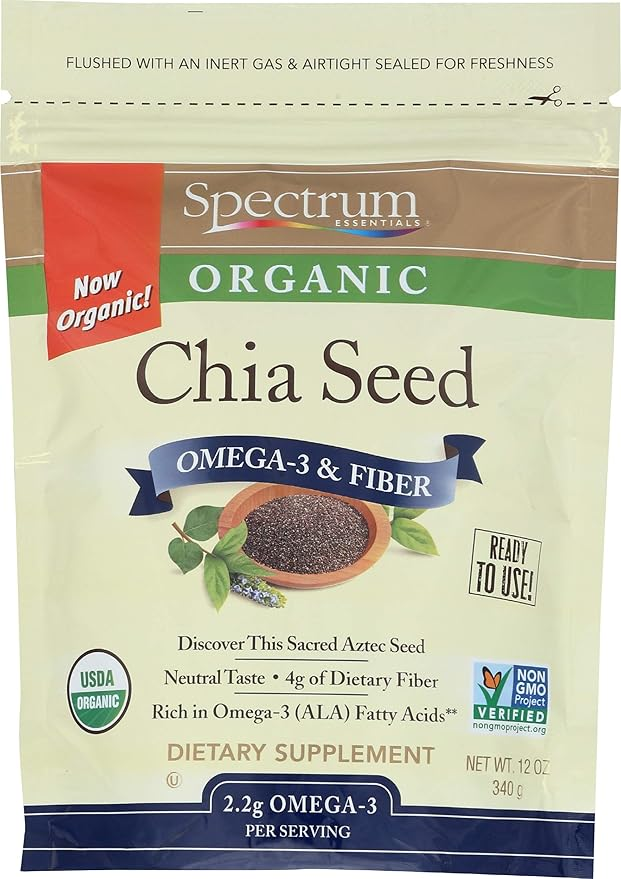
3. Walnuts
Walnuts are rich in ALA omega-3s and packed with antioxidants that support brain health. They’re also a good source of copper, folic acid, phosphorus, vitamin E, and melatonin.
Incorporating Walnuts into Your Diet:
- Toast walnuts and toss them into salads for a satisfying crunch and omega-3 boost.
- Blend walnuts into your morning smoothie for a creamy, nutty flavor.
- Use ground walnuts as a coating for fish or chicken instead of breadcrumbs.
Research suggests that regular walnut consumption may improve cognitive function, reduce inflammation, and support heart health.
>>Try this product from Amazon<<
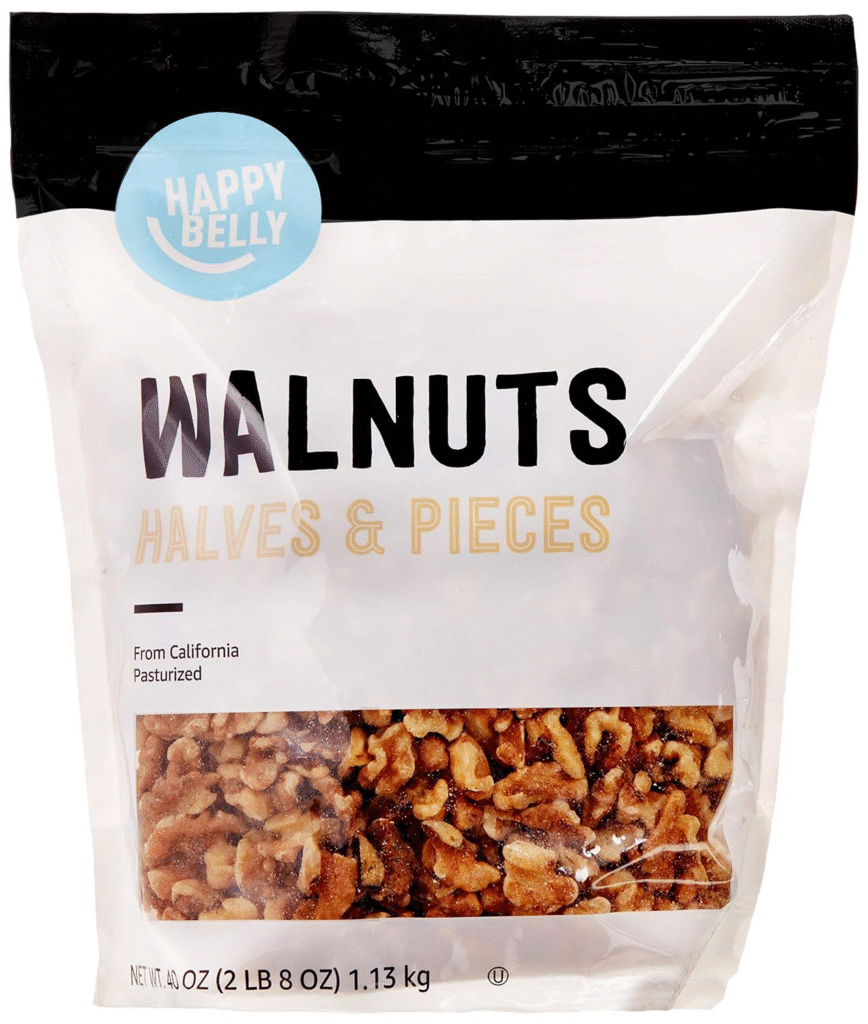
4. Flaxseeds
Flaxseeds are another excellent plant-based source of ALA omega-3s. They’re also high in fiber and lignans, which have extra health benefits.
To unlock their nutritional potential, grind flaxseeds before eating, as whole flaxseeds can pass through your digestive system undigested.
Using Flaxseeds in Your Meals:
- Keep ground flaxseed in your fridge and sprinkle it on oatmeal or yogurt.
- Add ground flaxseed to baked goods for an omega-3 boost.
- Mix ground flaxseed into homemade energy balls or granola bars.
Flaxseeds may help lower blood pressure, reduce the risk of cancer, and improve digestive health because of their high fiber content.
>>Try this product from Amazon<<
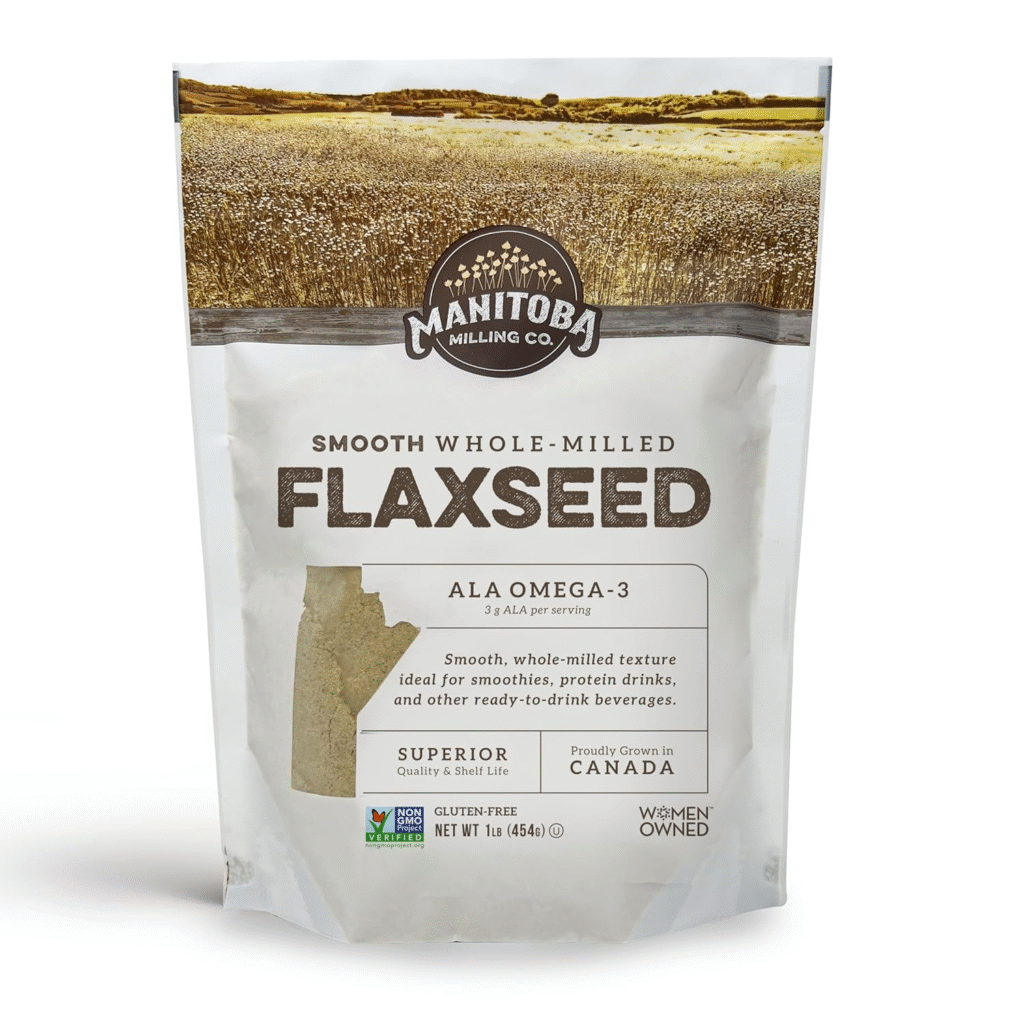
5. Sardines
Sardines are small fish that pack a big nutritional punch. They’re rich in EPA and DHA omega-3s, as well as calcium and vitamin D.
Sardines are also a more sustainable seafood choice compared to larger fish.
Enjoying Sardines:
- Mash sardines with avocado, lemon juice, and herbs for a nutrient-dense spread on whole-grain toast.
- Add sardines to pasta dishes for a boost of protein and omega-3s.
- Grill fresh sardines with garlic and lemon for a Mediterranean-inspired meal.
Sardines are also low in mercury, making them a safe choice for regular consumption. Their omega-3 content may help reduce inflammation and support heart health.
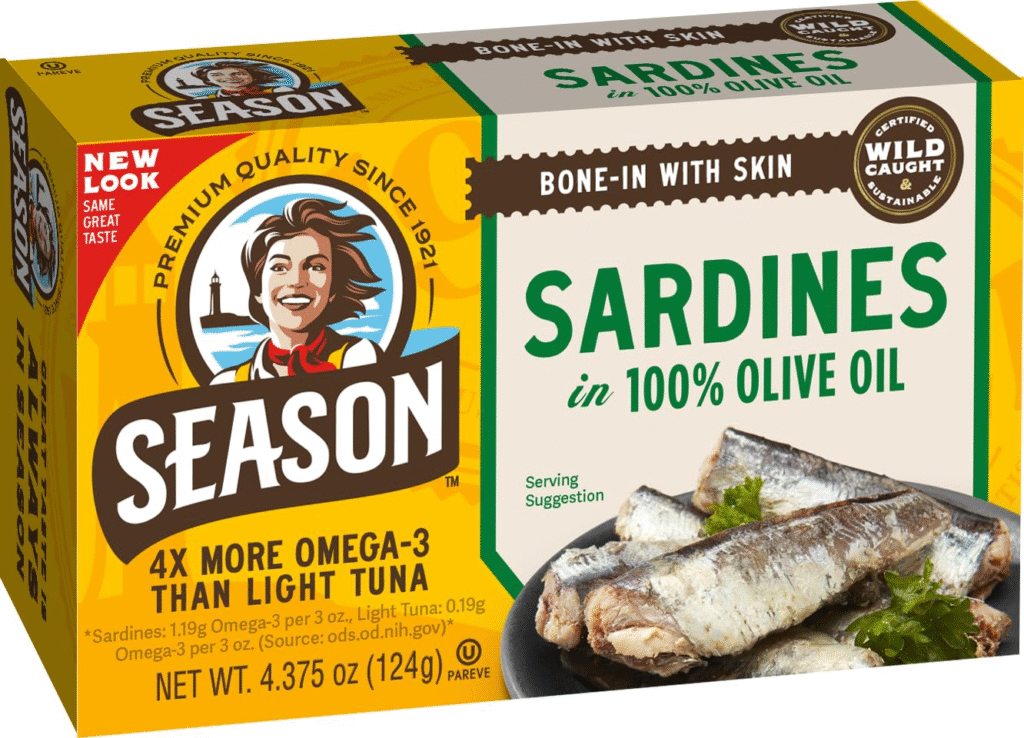
Season Sardines in Olive Oil
6. Mackerel
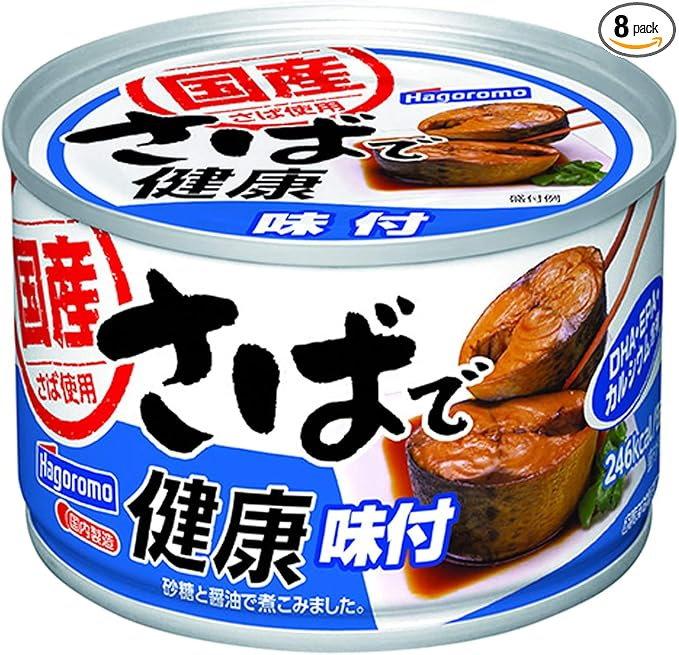
Mackerel is often overlooked, but it’s an excellent source of omega-3 fatty acids, particularly EPA and DHA. It has a rich, flavorful taste that lends itself well to various cooking methods.
Cooking with Mackerel:
- Grill mackerel with a miso glaze for a Japanese-inspired omega-3 rich meal.
- Smoke mackerel and use it in a pâté with cream cheese and lemon juice.
- Pan-fry mackerel fillets and serve with a side of roasted vegetables.
Mackerel is also rich in vitamin B12, selenium, and niacin. Its omega-3 content may help reduce the risk of heart disease and support brain function.
>>Try this product from Amazon<<
7. Oysters
Oysters are a fantastic source of omega-3s, particularly DHA. They’re also rich in zinc, which supports immune function, and vitamin B12, which is crucial for nerve function and the formation of red blood cells.
Ways to Enjoy Oysters:
- Eat fresh oysters with a squeeze of lemon and a dash of hot sauce.
- Grill oysters and top with a garlic butter sauce.
- Use smoked oysters in a seafood chowder for added flavor and nutrition.
While oysters might not be an everyday food for most people, incorporating them into your diet occasionally can give you a significant omega-3 boost.
8. Seaweed
Seaweed is a plant-based source of EPA and DHA, making it an excellent option for vegetarians and vegans. Different types of seaweed, such as nori, wakame, and dulse, all offer omega-3 benefits along with other nutrients like iodine and antioxidants.
Incorporating Seaweed into Your Diet:
- Make your own sushi rolls using nori sheets.
- Add wakame to miso soup for an omega-3 boost.
- Sprinkle dulse flakes over salads or use as a seasoning for roasted vegetables.
Seaweed is also rich in unique bioactive compounds that may have anti-inflammatory and antioxidant effects.
9. Omega-3 Enriched Eggs
While eggs aren’t naturally high in omega-3s, many farmers now offer omega-3 enriched eggs. These come from chickens fed a diet rich in omega-3s, typically through flaxseed supplementation.
These eggs can be a convenient way to increase your omega-3 intake, especially if you’re not a fan of fish.
Cooking with Omega-3 Enriched Eggs:
- Make a veggie-packed frittata for a nutritious and delicious meal.
- Use omega-3 eggs in baking to boost the nutritional value of your treats.
- Prepare a classic eggs Benedict with omega-3 enriched eggs for a luxurious brunch.
Omega-3 enriched eggs also contain all the other useful nutrients found in regular eggs, including high-quality protein, vitamin D, and choline.
10. Algae Oil
For those following a vegan diet or looking for a plant-based omega-3 supplement, algae oil is a game-changer. It’s one of the few plant sources that contain both EPA and DHA, making it a finish omega-3 source.
Using Algae Oil:
- Use algae oil in salad dressings for an omega-3 boost.
- Drizzle it over roasted vegetables or add to smoothies.
- Take algae oil supplements if you prefer not to use it in cooking.
Algae oil is sustainable and doesn’t carry the risk of ocean-borne contaminants that some fish oils do. It’s also suitable for people who have fish allergies.
Bringing It All Together: Your Omega-3 Action Plan
Integrating omega-3s into your diet can be simple and delicious. Start by incorporating one or two of these foods into your meals each week.
Maybe swap your regular snack for a handful of walnuts, or replace one meat-based meal with a salmon dish.
Consistency is key when it comes to nutrition. As you explore these omega-3 rich foods, pay attention to how you feel.
Many people report improvements in mood, skin health, and joint comfort when they increase their omega-3 intake.
Everyone’s body is different, so what works best for you may take some experimentation. While food should be your primary source of nutrients, some people may benefit from omega-3 supplements.
If you’re considering this route, it’s always best to talk to a healthcare professional to decide what’s right for you.
By making these small changes and incorporating these omega-3 rich foods into your diet, you’re taking a significant step towards better health. Every little bit counts when it comes to nourishing your body with these essential fatty acids.
Frequently Asked Questions
What are the best sources of omega-3 fatty acids?
The best sources of omega-3 fatty acids include fatty fish like salmon, mackerel, and sardines, as well as plant-based sources like chia seeds, flaxseeds, and walnuts. Algae oil is also an excellent source, especially for those following a vegan diet.
How much omega-3 should I eat every day?
The recommended daily intake of omega-3 fatty acids varies, but generally, adults should aim for about 250-500 mg of combined EPA and DHA per day. For ALA, the adequate intake is 1.6 g per day for men and 1.1 g per day for women.
Can omega-3s help with weight loss?
While omega-3s aren’t a magic solution for fat loss, some studies suggest they may help reduce body fat, especially when combined with a healthy diet and exercise. They may also help reduce inflammation and improve insulin sensitivity, which can support weight management.
Are there any side effects of consuming too much omega-3?
While omega-3s are generally safe, consuming very high amounts (more than 3 grams per day) may increase the risk of bleeding or interact with certain medications. It’s always best to talk to a healthcare provider before significantly increasing your omega-3 intake.
Can children benefit from omega-3s?
Yes, omega-3s are important for children’s growth and development, particularly for brain and eye health. Good sources for children include fatty fish, chia seeds, and walnuts.
Always talk to a pediatrician before giving children omega-3 supplements.
How do omega-3s affect heart health?
Omega-3 fatty acids can benefit heart health in several ways. They may help reduce triglycerides, lower blood pressure, reduce blood clotting, decrease the risk of arrhythmias, and slow the buildup of plaque in the arteries.
Can omega-3s improve brain function?
Research suggests that omega-3s, particularly DHA, play a crucial role in brain function. They may help improve memory, reduce the risk of cognitive decline with age, and potentially lower the risk of conditions like Alzheimer’s disease.
Are plant-based omega-3s as effective as those from fish?
Plant-based omega-3s (ALA) can be converted by the body into EPA and DHA, but the conversion rate is relatively low. While plant-based sources are useful, getting EPA and DHA directly from fish or algae oil is generally more effective.
How do omega-3s affect inflammation in the body?
Omega-3 fatty acids have anti-inflammatory properties. They can help reduce chronic inflammation in the body, which is linked to various health issues including heart disease, cancer, and autoimmune disorders.
Can omega-3s help with depression and anxiety?
Some studies suggest that omega-3s, particularly EPA, may help reduce symptoms of depression and anxiety. However, more research is needed, and omega-3s should not be used as a substitute for professional mental health treatment.
Key Takeaways:
- Omega-3 fatty acids are essential for overall health and must be obtained through diet.
- Both marine sources (like salmon and sardines) and plant sources (like chia seeds and walnuts) can provide omega-3s.
- Consistency is key – aim to incorporate omega-3 rich foods into your diet regularly.
- Pay attention to how you feel as you increase your omega-3 intake.
- Consider omega-3 supplements if needed, but always talk to a healthcare professional first.
Disclaimer
The information contained in this post is for general information purposes only. The information is provided by Omega-3 Rich Foods: 10 Delicious Ways to Boost Your Health and while we endeavor to keep the information up to date and correct, we make no representations or warranties of any kind, express or implied, about the completeness, accuracy, reliability, suitability or availability with respect to the website or the information, products, services, or related graphics contained on the post for any purpose.