
There’s something really frustrating about putting in the work at the gym only to feel like your body isn’t responding the way it should. You’re showing up, you’re pushing hard, but the soreness lingers for days.
Your energy tanks.
Your next workout feels like you’re dragging cement blocks behind you.
I’ve watched countless women experience this exact scenario, and honestly, it’s rarely about effort or programming. More often than not, what’s missing happens after you leave the gym.
Recovery needs intentional nutritional strategy, and here’s what’s interesting: women need a fundamentally different approach than men. For decades, sports nutrition research focused almost exclusively on male athletes, leaving women to follow guidelines that simply weren’t designed for their physiology.
This created a massive gap between potential and performance.
The science is now catching up, and what we’re discovering is pretty remarkable. Women have a significantly shorter window to improve recovery after exercise, roughly 30 to 45 minutes compared to men’s leisurely three-hour advantage.
Miss that window, and your body doesn’t just pause the recovery process.
Your stress response actually increases, triggering a cascade of hormonal disruptions that affect everything from body composition to your ability to adapt to training.
But when you get recovery nutrition right, especially during that critical window, something really powerful happens. Your muscles repair faster.
Glycogen stores replenish efficiently.
Inflammation decreases. Your next workout doesn’t feel like punishment.
You start seeing the adaptations you’ve been working toward: body composition changes, strength gains, improved endurance, all the things that make consistent training worthwhile.
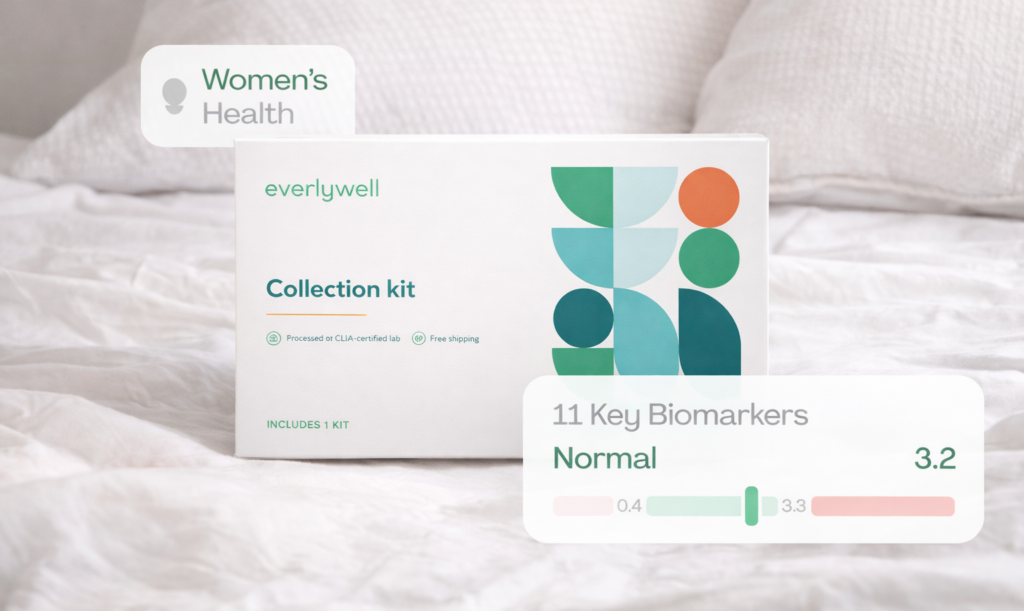
Everlywell 360 Full Body Test – 83 Biomarkers
Get a complete, high-level view of your health with one at-home test. This comprehensive panel measures 83 biomarkers across key health systems so you can spot trends, risks, and imbalances early.
- ✔ 83 biomarkers across metabolic, heart, thyroid, hormone & nutrient health
- ✔ CLIA-certified lab analysis
- ✔ Physician-reviewed results with clear explanations
- ✔ Simple at-home blood sample
FSA/HSA eligible • Comprehensive full-body insights
Why the 30-45 Minute Window Changes Everything
The concept of an “anabolic window” has been debated endlessly in fitness circles, with many dismissing it as oversimplified marketing. And for men, that skepticism might actually be justified. Their bodies maintain an extended period of nutrient sensitivity lasting several hours post-exercise.
But for women, the window is genuinely narrow and genuinely critical.
During those first 30 to 45 minutes after you finish exercising, your insulin levels peak. This is a physiological state where carbohydrates can be rapidly shuttled into muscles and liver to replace depleted glycogen stores.
Simultaneously, amino acid transport to muscle tissue is maximized, allowing protein to facilitate the repair and adaptation process that makes you stronger and faster.
This abbreviated window compared to men’s extended advantage creates a biological imperative. Women simply cannot afford to be casual about post-workout nutrition timing.
The difference between eating immediately and waiting two hours determines whether your body enters a recovery state or a stress state.
When you miss that window, cortisol levels rise. Your body interprets the lack of nutrients as continued stress, essentially remaining in a catabolic state where it’s breaking down more tissue than it’s rebuilding.
Over time, this pattern doesn’t just slow progress.
It actively prevents adaptation, leaving you stuck despite consistent training effort.
The research showing this shortened window came from studies specifically examining female athletes’ hormonal responses to exercise and nutrient timing. What researchers uncovered was that women’s bodies respond differently to the post-exercise metabolic environment, with a faster return to baseline metabolic function.
This means the enhanced nutrient partitioning that directs carbohydrates and protein toward recovery processes rather than fat storage reduces much more quickly in women than in men.
The practical implication is straightforward: you need to have your post-workout nutrition prepared before you start exercising. Waiting until you get home, shower, and decide what to eat means you’ve likely missed the most metabolically useful period for recovery nutrition.
Your body has already shifted out of that optimal recovery state and into a stress-maintaining state.
Building the Foundation with Protein
Protein gets talked about constantly in fitness contexts, but understanding exactly how much you need and when becomes especially important for women during recovery. The target range of 25 to 40 grams within 30 minutes of finishing exercise reflects the amount needed to maximally stimulate muscle protein synthesis, the process where your body repairs damaged muscle fibers and builds them back stronger.
Your specific protein needs within that range depend on body weight and exercise intensity. Heavier athletes training at higher intensities need the upper end of that spectrum.
Lighter athletes doing moderate-intensity work can function effectively at the lower end.
A practical guideline involves consuming roughly 0.25 grams of protein per pound of body weight immediately post-workout, then continuing to eat protein-rich foods every three to four hours throughout the day to maintain elevated muscle protein synthesis. A 140-pound woman would aim for about 35 grams of protein right after her workout, followed by consistent protein intake at subsequent meals.
The type of protein matters too, though perhaps not as much as supplement companies would like you to believe. Whey protein has earned its reputation for rapid digestion and absorption, making it legitimately useful for immediate post-workout consumption.
It hits your bloodstream fast, delivering amino acids when your muscles are most receptive.
But whole food sources like Greek yogurt, eggs, chicken, or salmon work remarkably well too, especially if you’re eating within that 30-minute window when absorption is optimized anyway. Greek yogurt deserves special mention because it provides around 20 grams of protein per cup, contains probiotics that support gut health and potentially reduce inflammation, and includes carbohydrates that contribute to glycogen restoration.
For women following plant-based diets, the landscape has changed dramatically in recent years. Earlier concerns about incomplete amino acid profiles in plant proteins have been largely addressed through sophisticated protein powder blends combining sources like pea, rice, and hemp.
These formulations can now match whey’s amino acid profile when properly designed, expanding options without compromising recovery quality.
One interesting consideration is the dual-protein strategy found naturally in dairy products. Milk contains both whey and casein proteins, one rapidly absorbed and one slowly digested, providing both immediate and sustained amino acid availability.
This combination addresses both the acute post-workout recovery phase and the extended repair process that continues for hours afterward.
It’s one reason chocolate milk keeps appearing in recovery nutrition research, it genuinely works, providing protein, carbohydrates, and fluid in one convenient package.
The timing of protein intake beyond the immediate post-workout window matters for sustained recovery. Spacing protein intake evenly throughout the day, roughly every three to four hours, maintains elevated muscle protein synthesis rates more effectively than consuming the same total amount concentrated in fewer, larger meals.
This means breakfast, lunch, dinner, and potentially a pre-bed snack should all contain substantial protein amounts, typically 25 to 35 grams per meal.
Carbohydrates: The Misunderstood Recovery Tool
If protein gets all the attention, carbohydrates are the recovery nutrient women are most likely to under-consume, often because of lingering misconceptions about carbs and body composition. But here’s the reality: exercise reduces muscle glycogen stores, and those stores need to be replenished for your body to recover properly and perform well in subsequent workouts.
The immediate post-workout phase calls for roughly 30 to 45 grams of carbohydrates at least, with many women benefiting from higher amounts based on the formula of about half a gram per pound of body weight. So a 140-pound woman would target around 70 grams of carbohydrates in her post-workout meal or snack.
The type of carbohydrate you choose matters during this immediate window. High-glycemic-index carbohydrates, the ones that spike blood sugar quickly, are actually useful right after exercise because they speed up glycogen restoration.
This is the one time when white rice, white potatoes, or ripe bananas are optimal choices rather than something to avoid.
Your muscles are primed to absorb glucose rapidly, and fast-digesting carbs take advantage of that metabolic state.
For women whose training causes significant glycogen depletion, think long-distance runners, cyclists, or athletes doing high-volume training sessions, the carbohydrate strategy becomes even more aggressive. Research supports consuming 1.2 grams of carbohydrate per kilogram of body mass per hour for four to six hours post-exercise when rapid and finish glycogen restoration is essential.
That’s a substantial amount requiring deliberate meal planning and often many feeding opportunities throughout the recovery period.
One mistake I see often is women who nail their protein intake but treat carbohydrates as optional or something to minimize. The consequence shows up not immediately but over time.
Incomplete glycogen restoration means starting subsequent workouts already partially depleted, which limits training quality and prevents you from hitting the intensities needed to drive adaptation.
It becomes a downward spiral where each workout feels harder and delivers less benefit.
The fear of carbohydrates stems partly from confusion about when and how they affect body composition. During the post-workout window, carbohydrates preferentially replenish muscle glycogen rather than being stored as fat.
Your muscles are essentially nutrient sponges during this period, actively pulling glucose out of your bloodstream to replace what was used during training.
This metabolic environment is completely different from eating high-glycemic carbohydrates while sedentary, which does more readily promote fat storage.
Pairing carbohydrates with protein in your post-workout nutrition enhances both glycogen restoration and muscle protein synthesis compared to consuming either macronutrient alone. The insulin response triggered by carbohydrate consumption facilitates amino acid transport into muscle cells, creating a synergistic effect where the combination produces better results than either nutrient independently.
Hydration Beyond Just Drinking Water
Dehydration compromises every aspect of recovery. Muscle repair slows.
Nutrient transport to tissues decreases.
Waste product removal becomes less effective. Even cognitive function and mood deteriorate.
But effective hydration needs more than just drinking water until you’re not thirsty anymore. Thirst lags behind actual hydration status, meaning by the time you feel thirsty, you’re already experiencing mild dehydration.
The most precise approach involves weighing yourself immediately before and after exercise.
For every pound of body weight lost during your workout, you need to consume 16 to 24 ounces of fluid during the recovery period.
This accounts for both the fluid lost through sweat and the extra fluid needed to support recovery processes. If you lose two pounds during a workout, you need to drink 32 to 48 ounces of fluid afterward.
This might seem like a lot, but remember that recovery processes need fluid for nutrient transport, waste removal, and temperature regulation.
When you have less than 24 hours before your next training session, the rehydration strategy needs to be even more aggressive. Research recommends consuming 1.5 liters of fluid for every kilogram of body mass lost, acknowledging that some fluid will be lost through urine output during the rehydration period itself.
Plain water works for short, moderate-intensity workouts, but longer or more intense training sessions call for electrolyte replacement. Sodium, potassium, and magnesium lost through sweat need to be replenished to maintain proper muscle function and prevent cramping.
Sports drinks serve this purpose, though you can also get effective electrolyte replacement from foods like bananas for potassium, dairy products for calcium and sodium, and leafy greens for magnesium.
Coconut water has gained popularity as a natural electrolyte source, though its sodium content is relatively low compared to traditional sports drinks. If you’re using coconut water as your primary rehydration fluid after intense or prolonged workouts, consider adding a pinch of salt to boost sodium replacement.
Women who are particularly heavy sweaters or who train in hot environments need to pay extra attention to electrolyte replacement. You can identify this if you notice white salt residue on your skin or clothing after workouts.
That’s a sign of significant electrolyte loss that needs to be addressed more aggressively than just drinking water.
The color of your urine provides a simple hydration assessment tool. Pale yellow shows adequate hydration, while dark yellow or amber suggests you need more fluid.
First thing in the morning, slightly darker urine is normal, but throughout the day and especially after exercise, aim for that pale yellow color.
The Three Rs Framework in Practice
Recovery nutrition organizes around three simultaneous priorities that need to happen together. Refuel addresses glycogen restoration through carbohydrate intake.
Repair addresses muscle protein synthesis through protein consumption.
Rehydrate addresses fluid and electrolyte balance. All three need attention within that critical 30 to 45 minute window.
Practically speaking, your post-workout nutrition needs to be a mixed meal or snack containing both protein and carbohydrates, consumed alongside adequate fluids. A protein shake with just protein powder and water misses two of the three priorities.
A piece of fruit addresses carbohydrates and hydration but misses protein. The most effective approach combines all three elements intentionally.
Some of the most convenient and effective post-workout options include Greek yogurt with fruit and granola, delivering protein, carbohydrates, and probiotics in one bowl. A serving provides about 20 grams of protein from the yogurt, 30 to 40 grams of carbohydrates from the fruit and granola, and fluid from the yogurt’s water content.
Chocolate milk provides liquid for hydration, whey and casein proteins delivering around 16 grams per two cups, and carbohydrates from milk sugar totaling about 50 grams in that same serving. It’s genuinely one of the most research-supported recovery drinks available, despite seeming almost too simple to be effective.
A smoothie blending protein powder, banana, berries, spinach, and milk hits all three recovery priorities while being easy to consume even when appetite is suppressed post-workout. You can prepare the ingredients in advance, keeping them in the freezer so all you need to do is add liquid and blend.
For women who prefer solid meals, a turkey sandwich on whole grain bread with a piece of fruit and water addresses all three Rs. The turkey provides around 20 to 25 grams of protein, the bread and fruit deliver 40 to 50 grams of carbohydrates, and you’re controlling fluid intake directly.
Salmon with sweet potato and vegetables combines high-quality protein delivering around 30 grams per serving, omega-3 fatty acids that reduce inflammation, complex carbohydrates from the sweet potato providing 25 to 30 grams, and micronutrients from the vegetables in a more substantial meal format.
The key is having these options prepared or easily accessible before you work out, because decision fatigue and hunger after training make it really hard to gather optimal recovery nutrition in the moment. Meal prep becomes less about perfection and more about removing obstacles between you and suitable post-workout nutrition.
Functional Foods That Support Recovery
Beyond basic macronutrients, certain foods deliver specific compounds that directly support recovery processes. These functional foods often provide benefits comparable to specialized supplements while also contributing to overall nutrition.
Tart cherry juice contains anthocyanins, antioxidant compounds that reduce exercise-induced inflammation and muscle soreness. Multiple studies have documented measurable reductions in delayed-onset muscle soreness when athletes consume tart cherry juice regularly during training periods.
The effective dose typically involves concentrated juice or powder equivalents consumed both before and after training.
Eight to twelve ounces of tart cherry juice twice daily provides the anthocyanin levels used in research studies showing reduced soreness and faster strength recovery.
Turmeric’s active compound curcumin exhibits anti-inflammatory effects that support the repair process. Adding turmeric to post-workout meals, whether in curry dishes, golden milk, or seasoned proteins, provides sustained inflammatory reduction.
The challenge with turmeric is absorption, curcumin is poorly absorbed on its own, but combining it with black pepper, which contains piperine, increases bioavailability by up to 2000 percent.
Omega-3 fatty acids from sources like salmon, sardines, walnuts, chia seeds, and flaxseeds reduce inflammatory markers and support cardiovascular health. While not prioritized in the immediate post-workout window when carbohydrates and protein take precedence, omega-3 sources become increasingly important in meals consumed later during the extended recovery period.
Two servings of fatty fish per week or daily supplementation with fish oil or algae-based omega-3s provides the amounts associated with reduced inflammation.
Beets and beet juice provide dietary nitrates that improve blood flow and oxygen delivery to tissues. Adding beet powder to smoothies or consuming roasted beets with meals supports endurance performance and recovery efficiency.
The nitrates convert to nitric oxide in your body, which dilates blood vessels and improves nutrient delivery to recovering muscles.
Probiotic-rich foods like Greek yogurt, kefir, and fermented vegetables support gut health, which increasingly appears connected to recovery capacity. The gut microbiome influences nutrient absorption, immune function, and inflammation, all factors directly impacting how efficiently your body recovers from training stress.
Consuming probiotic foods daily helps maintain a healthy gut bacterial population that supports these recovery processes.
Ginger provides anti-inflammatory compounds called gingerols that can reduce muscle pain and soreness. Fresh ginger added to smoothies, teas, or meals, or crystallized ginger consumed as a snack, delivers these compounds in amounts that research suggests can be effective for reducing exercise-induced inflammation.
People Also Asked
What should I eat immediately after a workout?
You should eat a combination of protein and carbohydrates within 30 minutes of finishing your workout. Aim for 25 to 40 grams of protein and 30 to 45 grams of carbohydrates.
Good options include Greek yogurt with fruit and granola, a turkey sandwich with a banana, chocolate milk with a protein bar, or a smoothie made with protein powder, banana, and berries.
The key is having this prepared before you work out so it’s ready to consume immediately.
How much water should I drink after exercise?
Weigh yourself before and after your workout. For every pound you lose during exercise, drink 16 to 24 ounces of water.
If you lost two pounds, you need 32 to 48 ounces of fluid.
For workouts lasting longer than an hour or very intense sessions, choose drinks with electrolytes rather than plain water to replace sodium, potassium, and magnesium lost through sweat.
Do women need different post-workout nutrition than men?
Yes, women have a much shorter window for optimal post-workout nutrition, only 30 to 45 minutes compared to men’s three-hour window. This means timing is significantly more critical for women.
Missing this window triggers increased cortisol levels and puts your body into a stress state rather than a recovery state.
Women also may need to adjust their nutrition strategy based on menstrual cycle phase, though more research is needed in this area.
Is chocolate milk really good for recovery?
Chocolate milk is genuinely effective for post-workout recovery. It provides both whey and casein proteins for immediate and sustained amino acid delivery, carbohydrates from milk sugar for glycogen restoration, and fluid for rehydration.
Two cups deliver about 16 grams of protein and 50 grams of carbohydrates, falling right into the recommended range for recovery nutrition.
Multiple research studies have confirmed its effectiveness for recovery.
Can I skip carbs after strength training?
You shouldn’t skip carbohydrates after any type of training, including strength workouts. While strength training emphasizes muscle damage and repair, it still reduces glycogen stores that need to be replenished. Carbohydrates also trigger an insulin response that helps transport amino acids into muscle cells for repair.
Skipping carbs means incomplete recovery and potentially elevated cortisol levels that work against your training goals.
What helps reduce muscle soreness after working out?
Proper post-workout nutrition within 30 minutes helps reduce muscle soreness by providing the protein needed for repair and the carbohydrates needed to replenish glycogen and reduce cortisol. Tart cherry juice has been shown in many studies to reduce delayed-onset muscle soreness.
Adequate hydration, foods containing omega-3 fatty acids, and anti-inflammatory compounds from turmeric and ginger also help reduce soreness and speed recovery.
Key Takeaways
Women have a 30 to 45 minute post-workout window that’s significantly shorter than men’s three-hour advantage, making immediate nutrition timing critical rather than optional for proper recovery.
Effective recovery needs 25 to 40 grams of protein and 30 to 45 grams of carbohydrates within 30 minutes of finishing exercise, along with adequate hydration based on body weight lost during training.
Missing the critical recovery window increases cortisol levels and triggers a stress response that actively prevents adaptation and progress, not just slowing recovery but sabotaging it entirely.
Refuel with carbohydrates, repair with protein, and rehydrate with fluids and electrolytes must all happen simultaneously within the recovery window for optimal results.
Functional foods like tart cherry juice, turmeric, omega-3 sources, and probiotic-rich options provide recovery benefits comparable to specialized supplements while contributing to overall nutrition.
Personalization matters more than following generic guidelines, with factors like body weight, exercise type, menstrual cycle phase, and person metabolic variations all affecting optimal recovery nutrition strategies.
Everlywell 360 Full Body Test – 83 Biomarkers
Get a complete, high-level view of your health with one at-home test. This comprehensive panel measures 83 biomarkers across key health systems so you can spot trends, risks, and imbalances early.
- ✔ 83 biomarkers across metabolic, heart, thyroid, hormone & nutrient health
- ✔ CLIA-certified lab analysis
- ✔ Physician-reviewed results with clear explanations
- ✔ Simple at-home blood sample
FSA/HSA eligible • Comprehensive full-body insights
Find out our Recommended Supplements for Women’s Health; visit: https://www.vitalwomenwellness.com/top-10-omega-3-supplements-for-womens-health-a-comprehensive-guide/
Disclaimer
The information contained in this post is for general information purposes only. The information is provided by Post-Workout Recovery: Nutrition Tips for Women and while we endeavor to keep the information up to date and correct, we make no representations or warranties of any kind, express or implied, about the completeness, accuracy, reliability, suitability or availability with respect to the website or the information, products, services, or related graphics contained on the post for any purpose.