

Small Intestinal Bacterial Overgrowth (SIBO) can be an incredibly frustrating condition to deal with. As someone who has personally navigated the challenges of SIBO, I understand the discomfort and impact it can have on daily life.
The good news is that nature has provided us with powerful allies in the form of herbal antimicrobials.
Understanding SIBO and Herbal Antimicrobials
SIBO occurs when bacteria that normally live in other parts of the digestive tract start to colonize the small intestine. This overgrowth can lead to a range of symptoms including bloating, abdominal pain, and nutrient malabsorption.
Herbal antimicrobials offer a natural approach to addressing SIBO. These plant-based remedies often provide extra benefits such as anti-inflammatory properties and support for overall gut health.
They can be effective at targeting unwanted bacteria while being gentler on our systems compared to conventional antibiotics.
Let’s explore the top 10 herbal antimicrobials that have shown promise in supporting women battling SIBO.
1. Oregano Oil
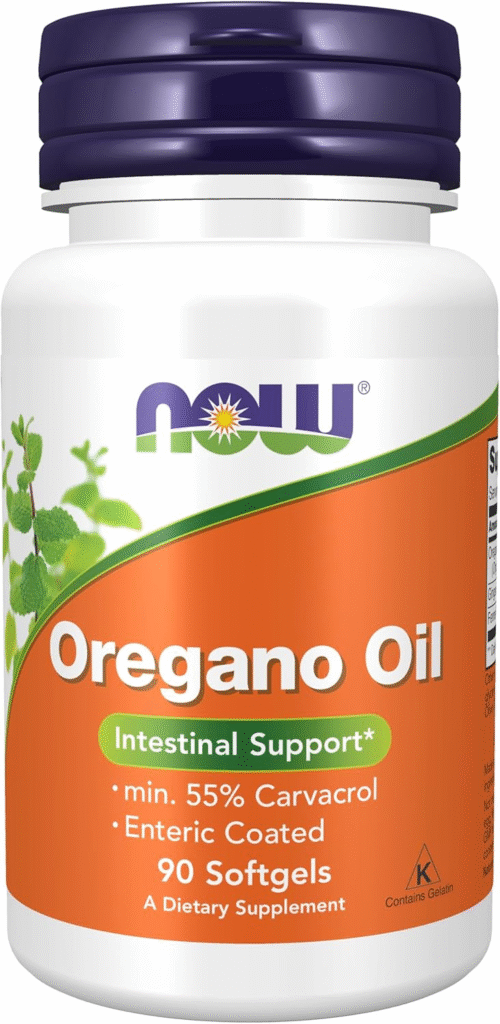
Oregano oil is a potent herbal antimicrobial with impressive antibacterial properties. Its active compound, carvacrol, has been shown to be effective against a wide range of bacteria.
When using oregano oil for SIBO, it’s crucial to start with a low dose and gradually increase under the guidance of a healthcare professional. Look for oregano oil in enteric-coated capsules to confirm it reaches the small intestine intact.
Oregano oil fights bacteria and supports overall digestive health. Some people find it helpful to mix oregano oil with a carrier oil like coconut oil if using it topically or taking it orally in liquid form.
This can help minimize potential irritation.
Recommended Product: NOW Foods Supplements, Oregano Oil
2. Berberine
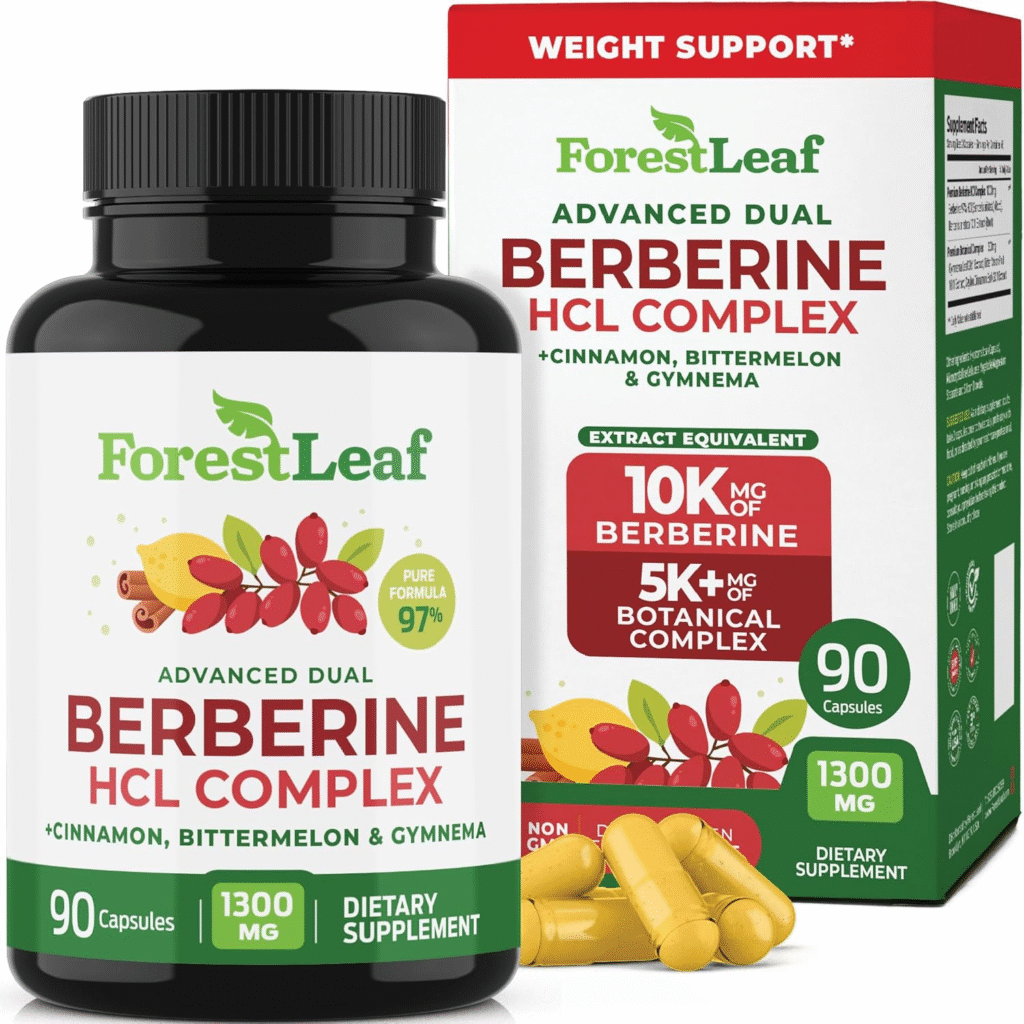
Berberine is a bright yellow compound found in plants like goldenseal and Oregon grape. It has been used in traditional medicine for centuries and offers many benefits for those dealing with SIBO.
Berberine has antibacterial properties and also supports healthy blood sugar levels. It can help repair the gut lining, making it a valuable tool in SIBO treatment.
Research has shown promise in reducing hydrogen-dominant SIBO and improving gut motility.
When incorporating berberine into your SIBO protocol, be aware that it can interact with certain medications. Always talk to a healthcare provider before starting any new supplement regimen.
Recommended Product: Forest Leaf Berberine Supplement
3. Allicin
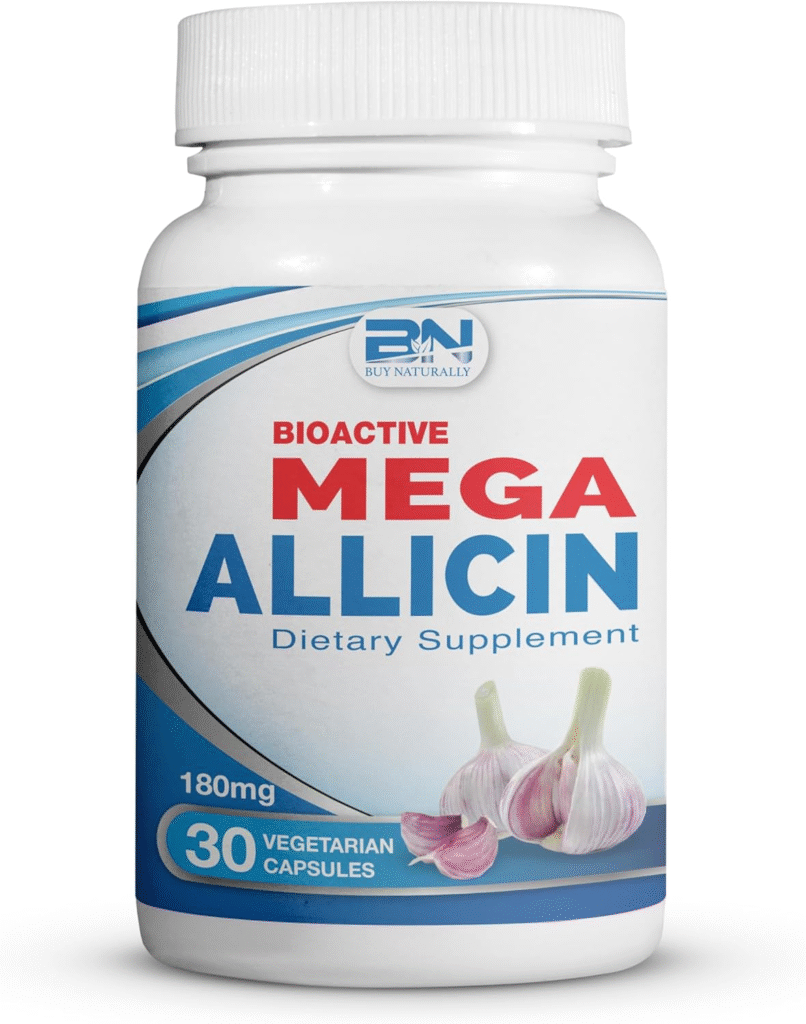
Allicin is the compound responsible for garlic’s pungent smell and potent antimicrobial properties. While eating large amounts of raw garlic might not be practical, allicin supplements can provide concentrated doses without the associated breath issues.
Allicin’s ability to penetrate stubborn biofilms that protect bacterial colonies makes it particularly effective for those dealing with persistent or recurrent SIBO. Combining allicin with other antimicrobials like oregano oil can create a synergistic effect, enhancing the overall impact on bacterial overgrowth.
Recommended Product: Bioactive Mega 100% Pure Stabilized Allicin
4. Neem
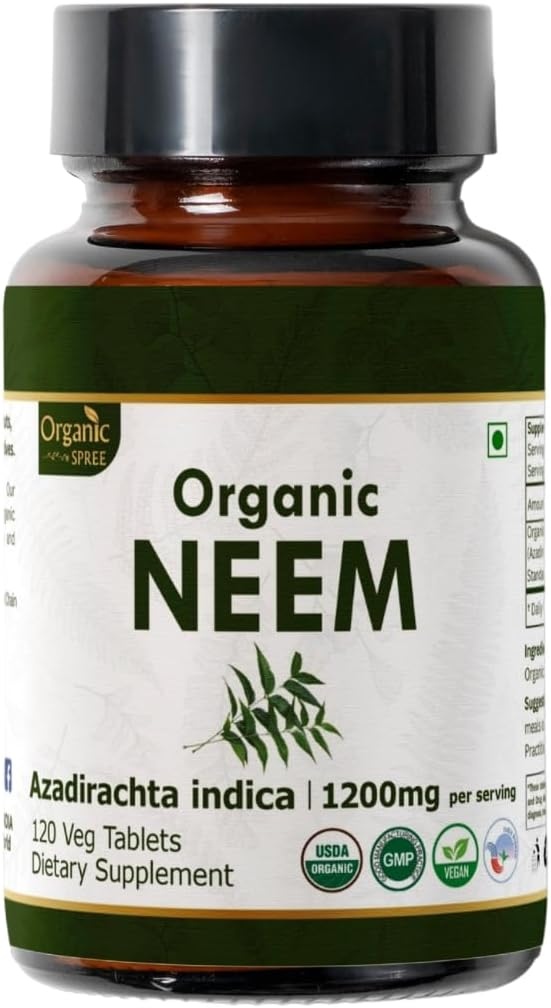
Neem has been a staple in Ayurvedic medicine for thousands of years. Its broad-spectrum antimicrobial properties make it an excellent choice for SIBO treatment.
Neem also supports liver function, which is crucial when clearing out bacterial overgrowth.
Neem helps combat harmful bacteria and supports a healthy inflammatory response in the gut. While its bitter taste can be off-putting for some, the benefits are worth it.
Consider taking neem in capsule form or as part of a balanced herbal blend for SIBO.
Recommended Product: ORGANIC SPREE Neem 120 Tablets
5. Pau D’Arco
Pau d’arco, derived from the inner bark of a South American tree, contains compounds that fight bacteria and support a healthy inflammatory response in the gut. It’s generally gentler compared to some other antimicrobials, making it suitable for longer-term use.
Pau d’arco is particularly effective against fungal overgrowth, which often accompanies SIBO. Many people find pau d’arco tea to be a soothing and effective way to incorporate this herb into their daily routine.
It can also be taken in capsule form for a more concentrated dose.
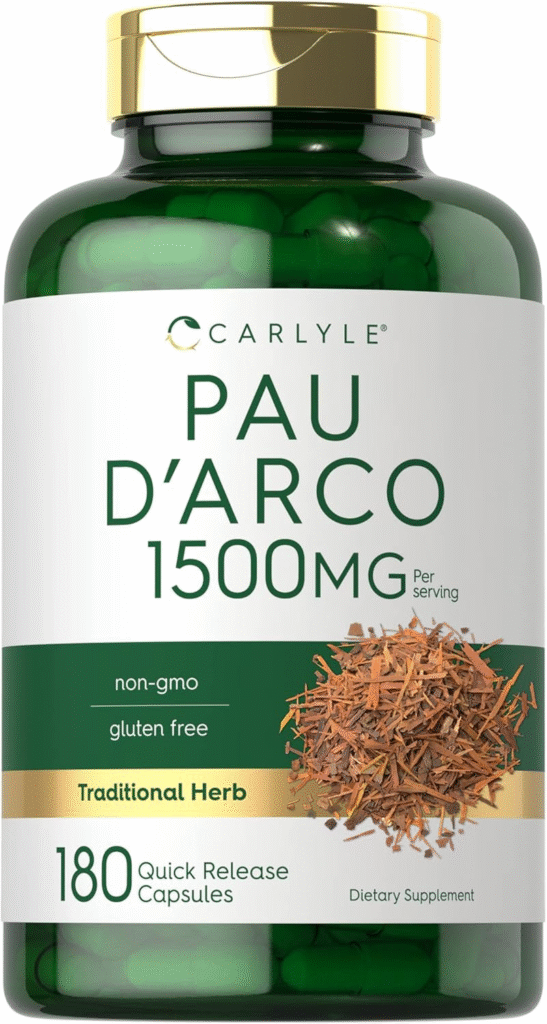
Recommended Product: Carlyle PAU D’Arco Capsules
6. Caprylic Acid
Caprylic acid, derived from coconut oil, acts like a stealth agent in the fight against SIBO. It can penetrate bacterial cell membranes, disrupting their growth.
Caprylic acid combats harmful microorganisms and supports overall gut health.
It can help restore the balance of gut flora and improve nutrient absorption.
Caprylic acid is particularly useful for addressing fungal overgrowth that often accompanies SIBO. When using caprylic acid, start with a lower dose and gradually increase to avoid potential digestive discomfort.
Some people find it useful to mix caprylic acid with other coconut-derived products like MCT oil for enhanced gut-supporting benefits.
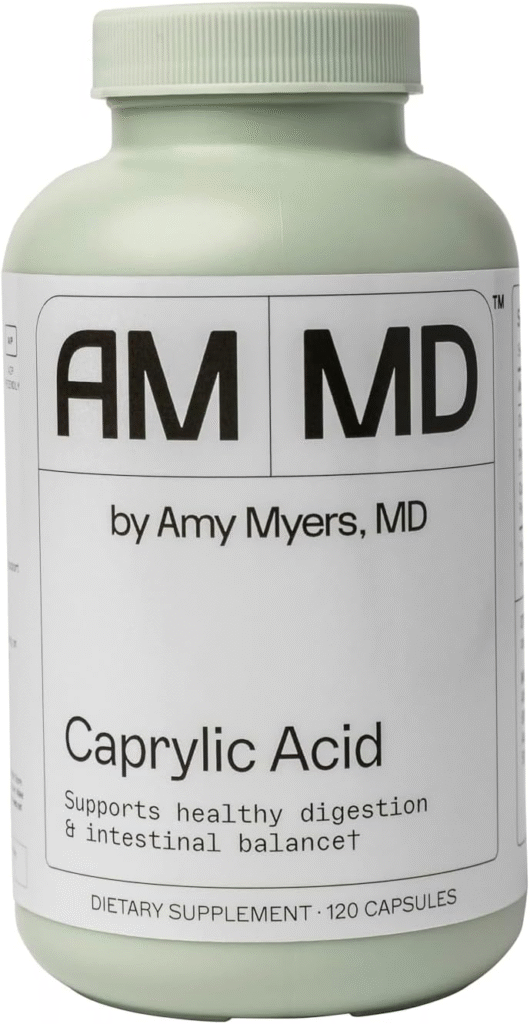
Recommended Product: Amy Myers MD Caprylic Acid
7. Grapefruit Seed Extract
Grapefruit seed extract is a potent antimicrobial that has been shown to be effective against a wide range of bacteria and fungi. It supports the gut’s mucous membranes, providing a double benefit for those dealing with SIBO.
Grapefruit seed extract can be particularly helpful for people who have methane-dominant SIBO. Its broad-spectrum activity makes it an excellent addition to any SIBO protocol.
However, be aware that it can interact with certain medications, so always check with your healthcare provider before use.
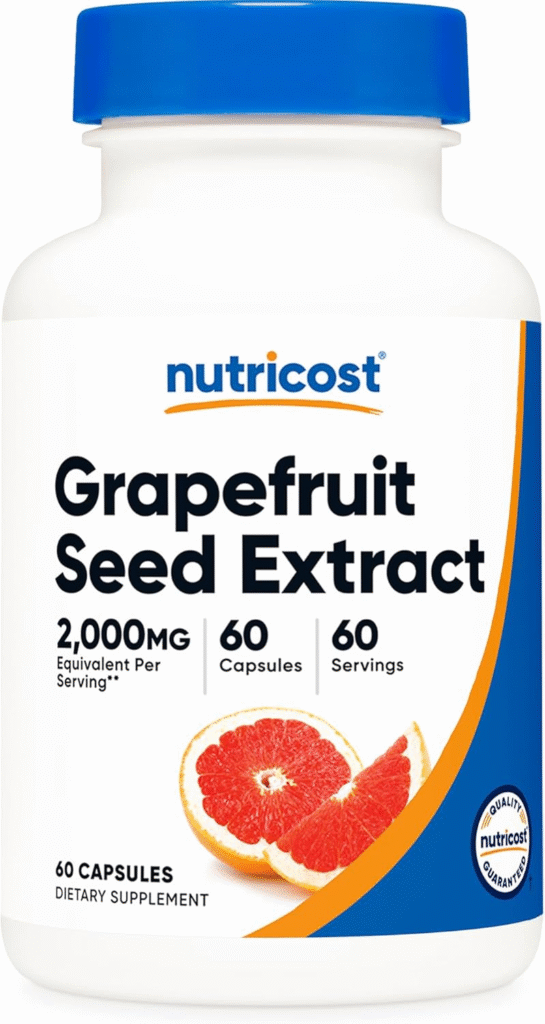
Recommended Product: Nutricost Grapefruit Seed Extract
8. Olive Leaf Extract
Olive leaf extract, rich in a compound called oleuropein, combats harmful bacteria and supports the immune system. Many people notice improvements in energy levels when incorporating olive leaf extract into their SIBO treatment regimen.
Olive leaf extract has the fascinating ability to disrupt the communication between bacteria, known as quorum sensing. This can help prevent bacterial colonies from forming and spreading.
When using olive leaf extract, be prepared for potential die-off reactions as bacteria are eliminated. Start with a low dose and increase gradually to minimize these effects.
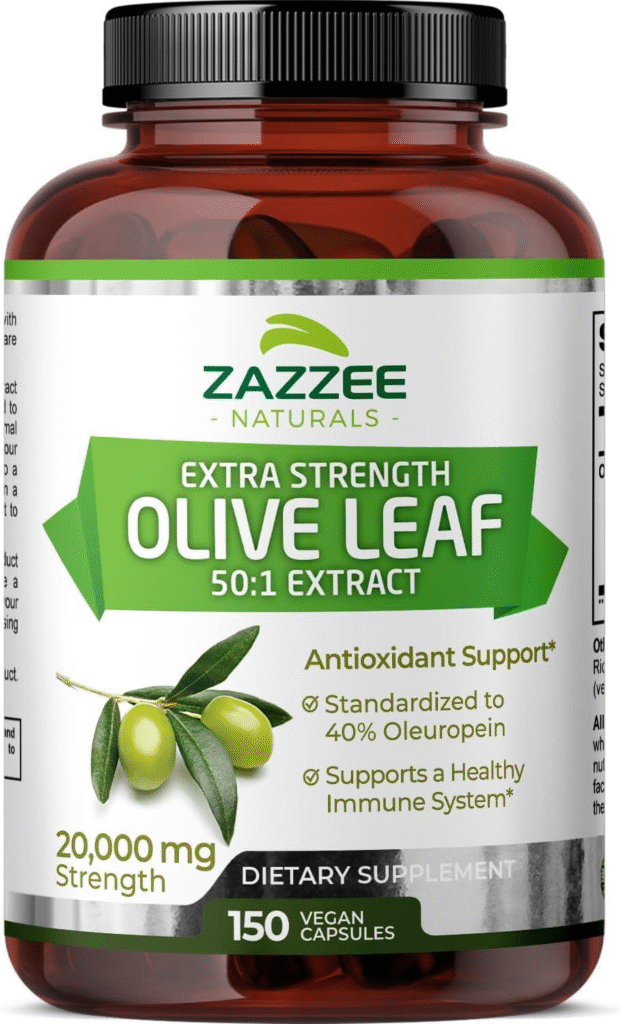
Recommended Product: Zazzee Extra Strength Olive Leaf 50:1 Extract
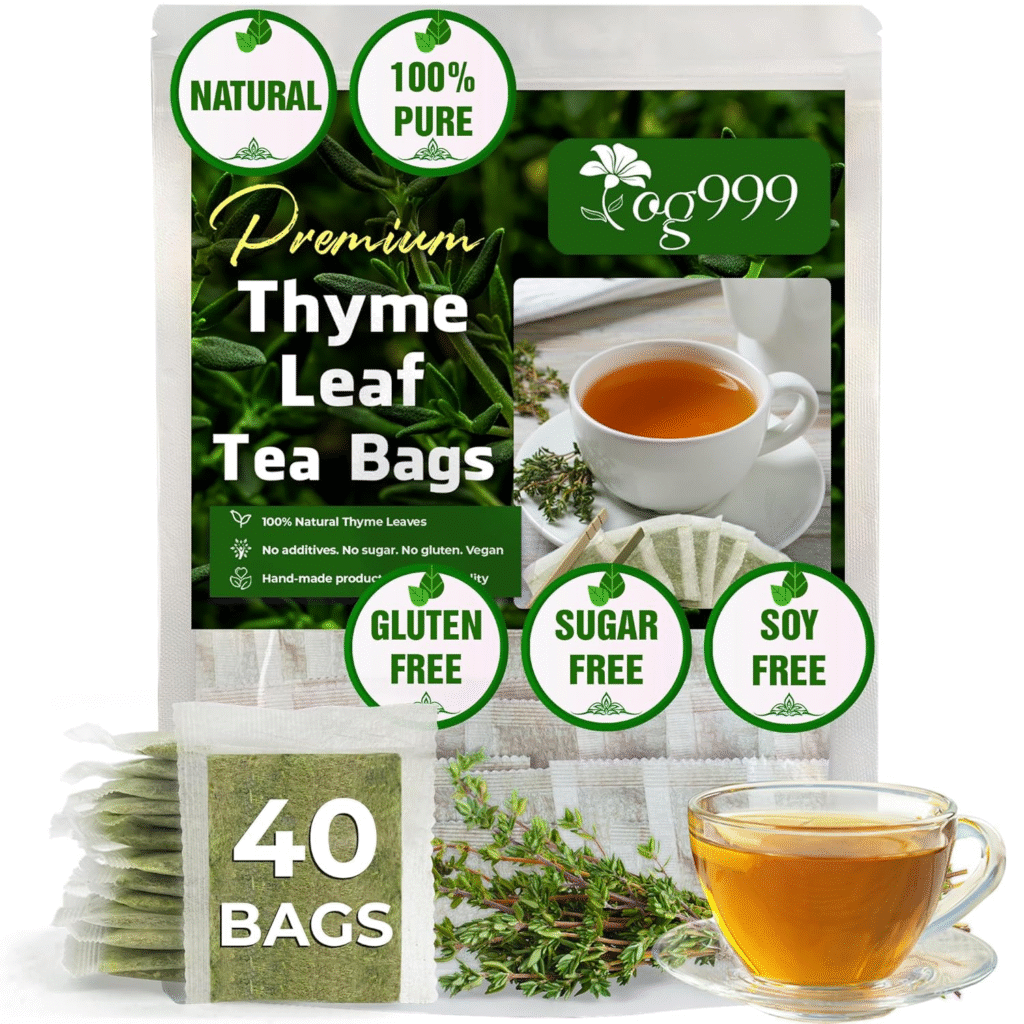
9. Thyme
Thyme might be common in our kitchens, but its medicinal properties are extraordinary. Thymol, its primary active compound, has strong antimicrobial effects.
Thyme helps combat bacterial overgrowth and supports healthy digestion.
It can help relieve bloating and gas, making it an excellent choice for those dealing with the uncomfortable symptoms of SIBO.
Many people enjoy using thyme tea as a gentle daily support alongside more potent herbal treatments. Consider incorporating thyme essential oil into your routine by adding a drop or two to a carrier oil for a soothing abdominal massage.
Recommended Product: TOG999, Premium 40 Thyme Leaf Tea Bags
10. Cinnamon
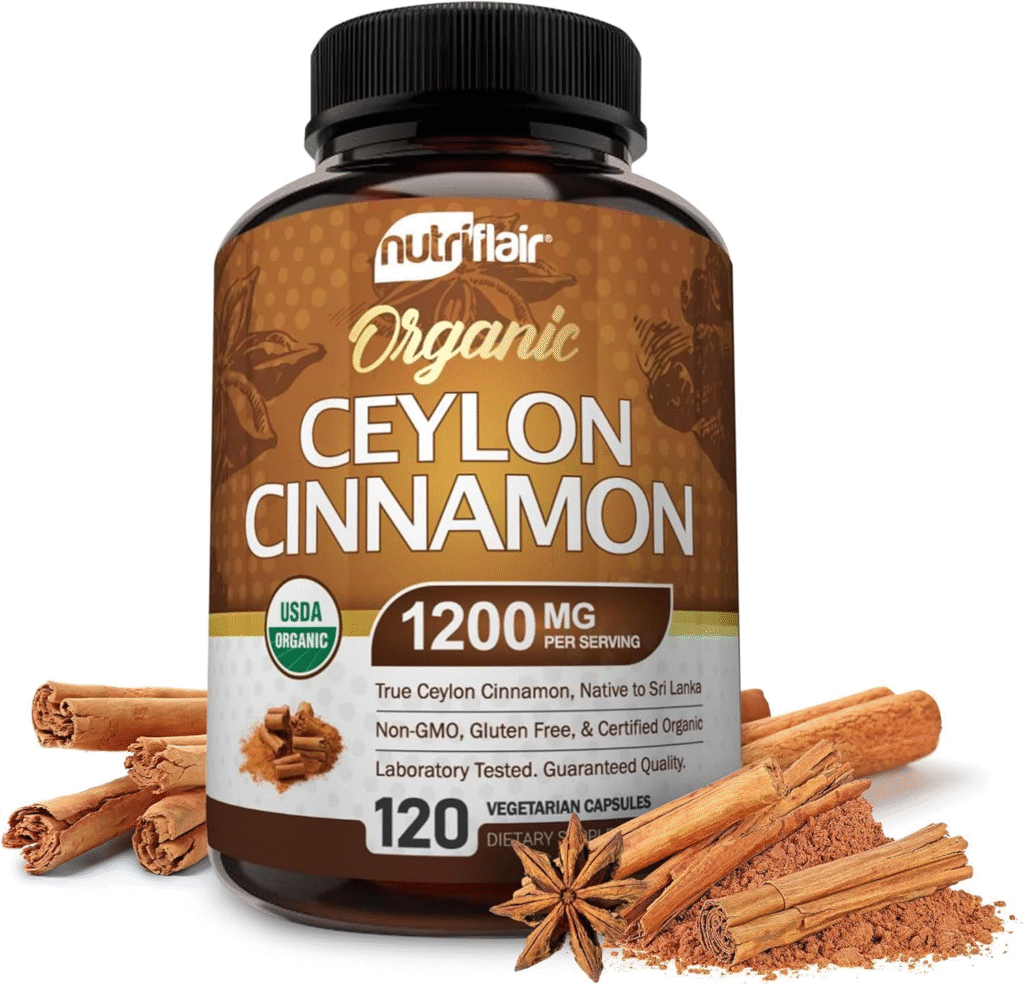
Cinnamon is a powerful ally in the fight against SIBO. Its antimicrobial properties are impressive, and it has the added benefit of helping to regulate blood sugar levels.
Cinnamon can help reduce inflammation in the gut and support overall digestive health.
When using cinnamon for SIBO, opt for Ceylon cinnamon, which has lower levels of coumarin and is safer for long-term use compared to Cassia cinnamon. Many people find cinnamon to be a helpful addition to a comprehensive SIBO protocol, especially for those dealing with concurrent metabolic issues.
Recommended Product: NutriFlair Organic Ceylon Cinnamon Supplement
Implementing Herbal Antimicrobials: A Strategic Approach
While these herbs can be powerful tools in our SIBO-fighting toolkit, it’s essential to approach treatment strategically. Here’s what I’ve learned through my journey and in supporting others:
Start Low and Go Slow
Begin with lower doses of herbal antimicrobials and gradually increase to avoid die-off reactions. This approach allows your body to adjust and minimizes potential side effects.
Pay attention to how your body responds and adjust accordingly.
Rotate Your Herbs
To prevent bacterial resistance, consider cycling through different herbs every few weeks. This strategy keeps the bacteria guessing and can enhance the overall effectiveness of your protocol.
For example, you might use oregano oil for three weeks, then switch to berberine for the next three weeks.
Support Detoxification
As bacteria die off, our bodies need support in eliminating toxins. Focus on supporting your liver and ensuring adequate hydration.
Herbs like milk thistle and dandelion root can be helpful additions to your regimen.
Consider adding lemon to your water or incorporating liver-supporting foods like beets and cruciferous vegetables into your diet.
Address Biofilms
Some herbs, like allicin and neem, are particularly good at breaking down biofilms. Consider incorporating these early in your protocol to enhance the effectiveness of other antimicrobials.
Biofilm disruptors can help expose hidden bacteria, making them more susceptible to treatment.
Don’t Forget Gut Motility
Herbs like ginger and triphala can support healthy gut movement, crucial for preventing bacterial stagnation. Incorporating these alongside antimicrobials can help prevent SIBO recurrence.
Consider gentle exercises like walking after meals to promote gut motility naturally.
Combine with Dietary Changes
Herbal antimicrobials work best when paired with a SIBO-appropriate diet. Consider working with a nutritionist to develop a personalized dietary plan that complements your herbal protocol.
This might involve temporarily reducing fermentable carbohydrates or following a specific SIBO diet plan.
Listen to Your Body
Pay attention to how you react to each herb and adjust accordingly. What works for one person may not work for another, so be prepared to fine-tune your approach.
Keep a symptom journal to track your progress and identify any patterns or reactions to specific herbs.
The Bigger Picture: Beyond Antimicrobials
Treating SIBO requires addressing the root causes, supporting overall gut health, and implementing lifestyle changes to prevent recurrence. Working with a functional medicine practitioner or naturopath experienced in SIBO treatment can help you create a comprehensive protocol that may include:
Stress Management Techniques
Chronic stress can significantly impact gut health and contribute to SIBO. Incorporate stress-reduction techniques like meditation, deep breathing exercises, or yoga into your daily routine.
Consider practices like mindfulness or journaling to help manage stress levels.
Addressing Underlying Hormonal Imbalances
Hormonal imbalances can contribute to SIBO development or recurrence. Work with your healthcare provider to assess and address any hormonal issues, such as thyroid dysfunction or estrogen dominance.
This may involve hormone testing and targeted supplementation or lifestyle changes.
Supporting Digestive Enzyme Production
Improving nutrient absorption is crucial for overall gut health and SIBO recovery. Consider supplementing with digestive enzymes or incorporating enzyme-rich foods like pineapple or papaya into your diet.
Some people find bitter herbs helpful for stimulating natural enzyme production.
Implementing Prokinetics
Prokinetics can help prevent bacterial backflow and support healthy gut motility. Herbal options like ginger or prescription medications may be recommended by your healthcare provider.
Timing of prokinetics is often crucial, with many people taking them before bed or between meals.
Healing the Gut Lining
Nutrients like L-glutamine and zinc carnosine can help repair and strengthen the gut lining. Consider bone broth or collagen supplements as extra sources of gut-healing nutrients.
A healthy gut lining is essential for proper nutrient absorption and preventing bacterial translocation.
Empowering Your Healing Process
As women dealing with SIBO, we have unique considerations, from hormonal fluctuations to the gut-brain connection. Herbal antimicrobials offer us a powerful, natural way to address bacterial overgrowth while supporting our overall well-being.
Healing from SIBO takes time and patience. Celebrate small victories along the way, and don’t hesitate to adjust your approach as needed. With the right combination of herbal support, dietary changes, and lifestyle modifications, you can reclaim your gut health and vitality.
Remember that everyone’s SIBO journey is unique. What works for one person may not work for another, so it’s essential to work closely with a healthcare provider to develop a personalized treatment plan.
Stay committed to your healing process, and trust that with persistence and the right approach, you can overcome SIBO and restore your gut health.
Frequently Asked Questions
What is SIBO?
SIBO stands for Small Intestinal Bacterial Overgrowth. It occurs when bacteria that normally reside in the large intestine begin to colonize the small intestine, leading to various digestive symptoms and nutrient malabsorption.
How effective are herbal antimicrobials for treating SIBO?
Many studies have shown that herbal antimicrobials can be as effective as traditional antibiotics in treating SIBO. They often come with fewer side effects and can provide extra benefits for overall gut health.
Can oregano oil cure SIBO?
While oregano oil is a potent antimicrobial that can be effective against SIBO-causing bacteria, it’s typically not used as a standalone cure. It’s often part of a broader treatment protocol that may include other herbs, dietary changes, and lifestyle modifications.
Is berberine safe for long-term use?
Berberine is generally considered safe for short-term use. However, long-term use should be monitored by a healthcare professional because of potential interactions with certain medications and its effects on blood sugar levels.
How long does it take to treat SIBO with herbal antimicrobials?
The duration of treatment can vary depending on the person and the severity of SIBO. Typically, a course of herbal antimicrobials might last 4-8 weeks, but some people may need longer treatment periods.
Can I take many herbal antimicrobials at once?
Many practitioners recommend combining different herbal antimicrobials for a synergistic effect. However, it’s important to start slowly and introduce new herbs gradually under the guidance of a healthcare professional.
Are there any side effects of using herbal antimicrobials for SIBO?
Some people may experience die-off reactions, including temporary worsening of symptoms, as bacteria are eliminated. Other potential side effects can include digestive upset or allergic reactions. Always start with low doses and consult a healthcare provider.
How does allicin compare to other SIBO treatments?
Allicin, derived from garlic, has shown promising results in treating SIBO, particularly because of its ability to penetrate biofilms. It’s often used in combination with other herbs or as part of a comprehensive treatment plan.
Can diet alone cure SIBO?
While dietary changes are crucial in managing SIBO, they often aren’t sufficient to fully eradicate the overgrowth. Most effective SIBO treatment plans mix dietary modifications with antimicrobial treatments and efforts to address underlying causes.
Is grapefruit seed extract safe during pregnancy?
The safety of grapefruit seed extract during pregnancy hasn’t been well-established. Pregnant women should talk to their healthcare provider before using any herbal supplements, including those for SIBO treatment.
Key Takeaways:
- Herbal antimicrobials offer a natural, effective approach to treating SIBO in women
- A diverse protocol including oregano oil, berberine, allicin, and other herbs can target different aspects of bacterial overgrowth
- Implement herbs strategically, starting low and rotating to prevent resistance
- Combine herbal treatments with dietary changes and lifestyle modifications for comprehensive healing
- Work with a healthcare professional to create a personalized SIBO treatment plan
Disclaimer
The information contained in this post is for general information purposes only. The information is provided by Top 10 Herbal Antimicrobials for Women Battling SIBO: Natural Support for Gut Health and while we endeavor to keep the information up to date and correct, we make no representations or warranties of any kind, express or implied, about the completeness, accuracy, reliability, suitability or availability with respect to the website or the information, products, services, or related graphics contained on the post for any purpose.