

Your finish guide to science-backed supplements that support egg quality, hormone balance and conception.
When you reach your 30s and start thinking seriously about fertility, the supplement aisle can feel overwhelming. Hundreds of bottles promise to boost your chances, but most people struggle to know which ones actually have solid research behind them and which are just expensive marketing hype.
A small handful of well-chosen supplements can make a real difference in supporting egg quality, filling nutrient gaps and helping your body prepare for pregnancy. The five supplements covered in this guide have the strongest clinical evidence for fertility support in your 30s, and you’ll find specific product recommendations for each one so you know exactly what to buy.
Some focus on protecting egg quality as you age, others confirm your nutrient stores are ready for pregnancy, and a few target specific issues like irregular cycles or PCOS.
Your best bet is to start with the basics that apply to nearly everyone, then add targeted options based on your own situation and your doctor’s guidance.
The 5 Core Fertility Supplements for Your 30s
1. High-Quality Prenatal Multivitamin with Methylated Folate
A prenatal multivitamin serves as your foundation. Research shows that women who take a prenatal or multivitamin before conception have higher pregnancy rates and shorter time to conception compared with those who don’t.
The right prenatal covers folate, iron, B12, iodine, vitamin D and other essentials that support ovulation, implantation and early embryo development.
The folate form matters more than most people realize. Standard folic acid works fine for many women, but methylfolate (also called L-methylfolate or 5-MTHF) is the active form your body can use immediately.
This is especially important if you have MTHFR gene variants, which affect how you process folate.
Studies link adequate folate intake with lower ovulatory infertility and reduced miscarriage risk in some populations.
Look for a prenatal that includes at least 400 to 800 mcg of methylfolate, 18 to 27 mg of iron (unless your labs show high iron), around 150 mcg of iodine, and methylcobalamin for B12. Third-party testing for heavy metals is a bonus worth checking for.
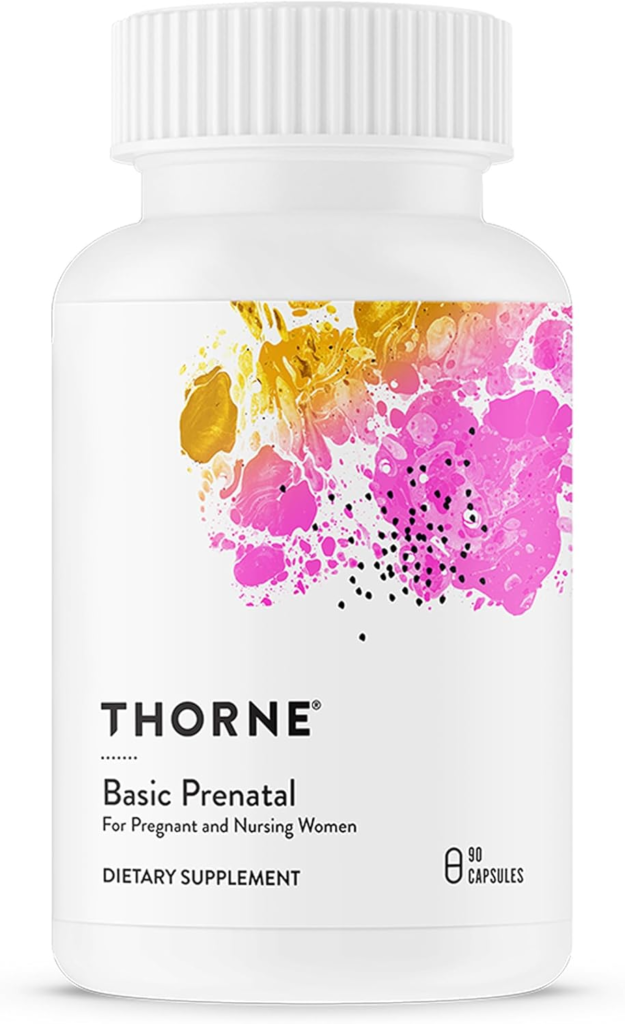
Thorne Basic Prenatal
This is a clinic favorite for good reason. It uses methylated forms of folate and B12, includes suitable levels of iron and other key nutrients, and tends to be well tolerated even if you have a sensitive stomach.
You take six capsules per day, which let’s you split the dose if needed.
Ritual Essential Prenatal
Ritual has built a strong reputation for transparency. Their prenatal includes methylfolate, vegan D3, chelated iron, omega-3 DHA, choline and other essentials.
The capsule design helps reduce nausea, and they publish exactly where each ingredient comes from.
Two capsules daily.
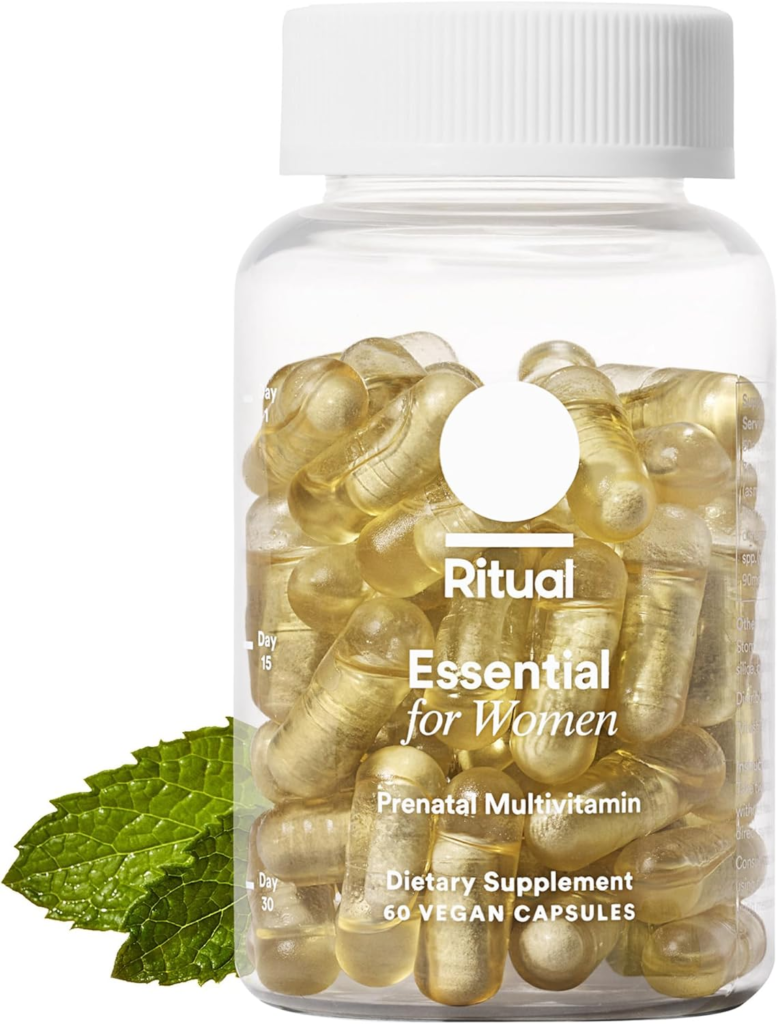
Ritual Essential for Women Prenatal Multivitamin
Garden of Life Vitamin Code Raw Prenatal
If you prefer a food-based supplement, this option delivers folate from organic foods along with probiotics and enzymes. It does not include much calcium or choline, so you may need to get those from diet or add them separately.
Three capsules per day.
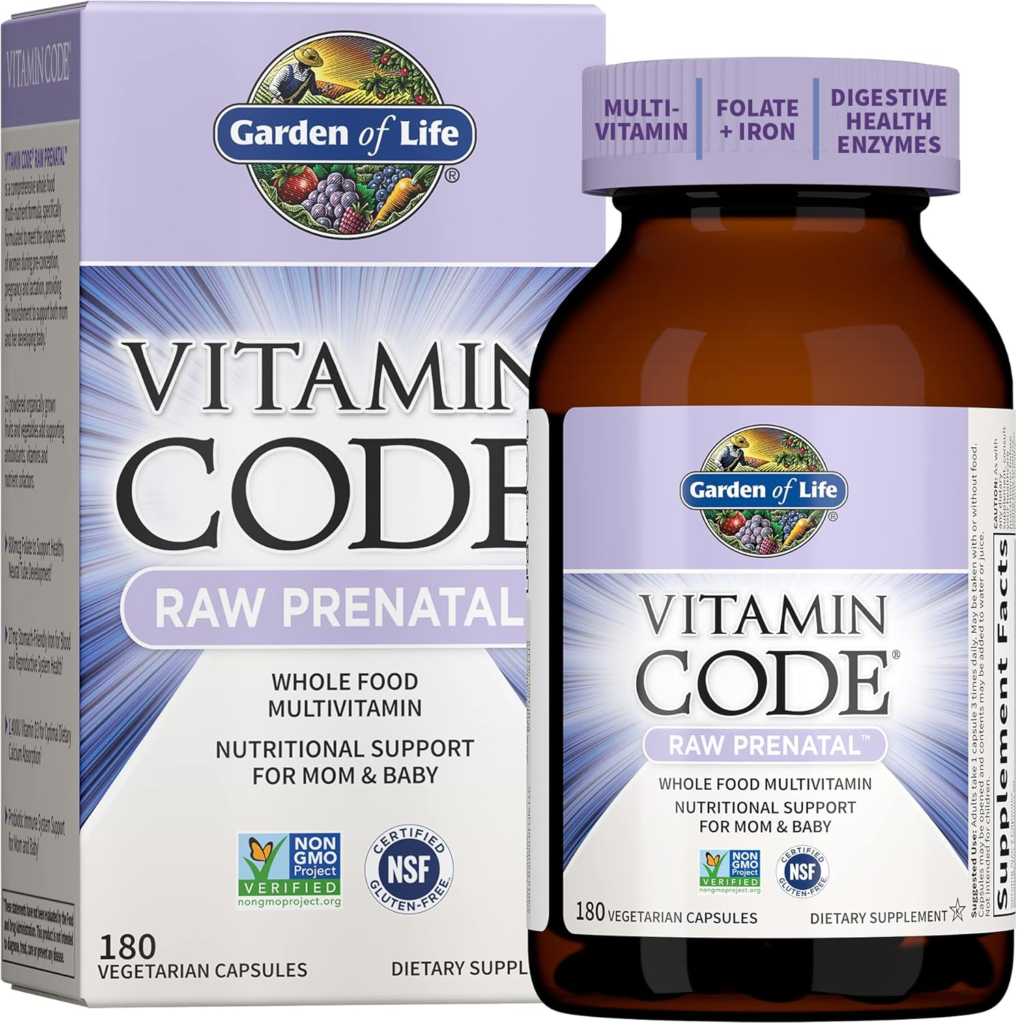
Garden of Life Vitamin Code®, RAW Prenatal
Deva Vegan Prenatal Multivitamin
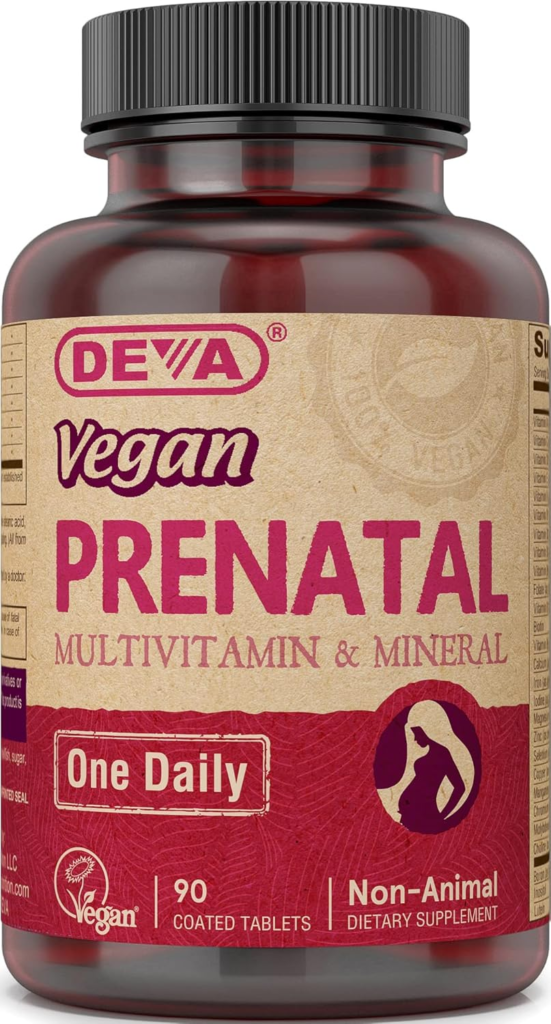
A solid choice for those avoiding animal products. It includes folate, iron, B12 and has been third-party tested. One tablet daily makes it simple to remember.
2. Coenzyme Q10 (CoQ10) for Egg Quality
CoQ10 is one of the most researched supplements for egg quality, especially as you move through your 30s. Your eggs are incredibly energy-hungry cells, and CoQ10 supports the mitochondria that power them.
Studies in women with low ovarian reserve or those undergoing IVF show that CoQ10 supplementation before a cycle can improve embryo quality, improve ovarian response to stimulation, and slightly increase pregnancy rates.
Most fertility clinics recommend 200 to 600 mg per day, often split into two doses. Ubiquinol is the active form and may absorb better, but it costs more.
Ubiquinone is the standard form used in most studies and still works well.
Take CoQ10 with a meal that contains some fat to boost absorption. Plan on at least three months of consistent use since egg maturation takes roughly 90 days.
Thorne Q-Best 100
A highly absorbable CoQ10 in the ubiquinone form. Each softgel delivers 100 mg, so you can adjust your dose easily.
Thorne products are NSF Certified for Sport, which means rigorous third-party testing.
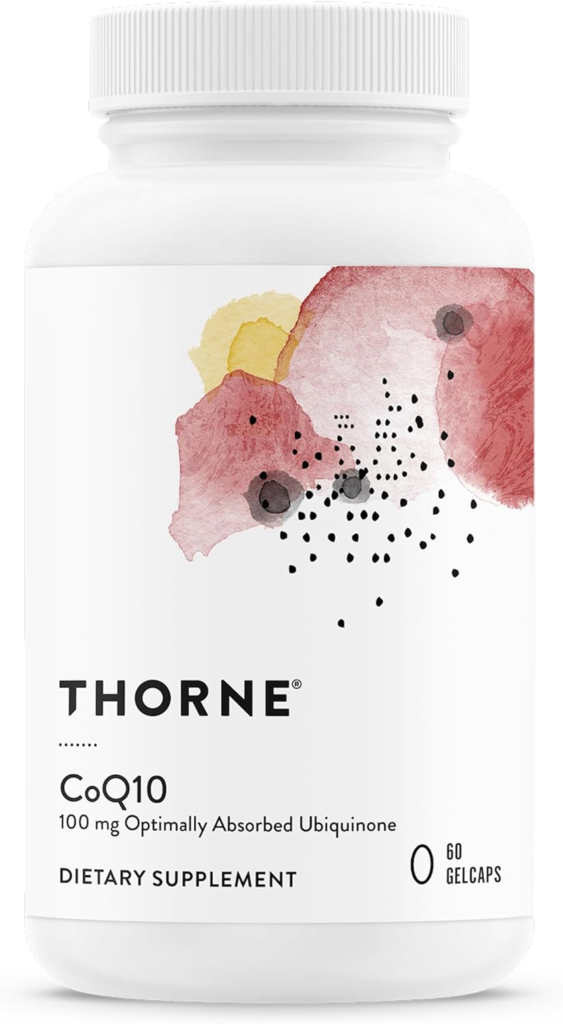
THORNE – CoQ10-100mg
Theralogix NeoQ10
This brand is specifically recommended by many fertility clinics. NeoQ10 uses a crystal-free form of CoQ10 that dissolves well, and it has been tested for purity.
Available in 100 mg and 200 mg softgels.
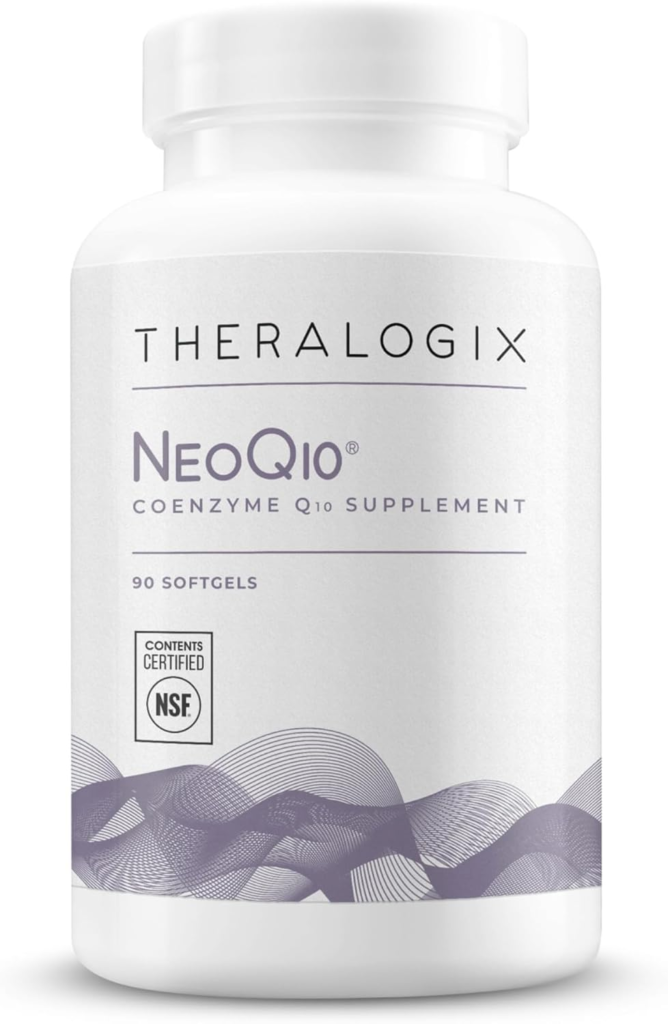
Theralogix NeoQ10
Jarrow Formulas QH-Absorb (Ubiquinol)
To try the ubiquinol form, Jarrow offers a well-priced option. Each softgel contains 100 mg of ubiquinol, and the formula is designed for better bioavailability.
Clinical studies support its effectiveness.
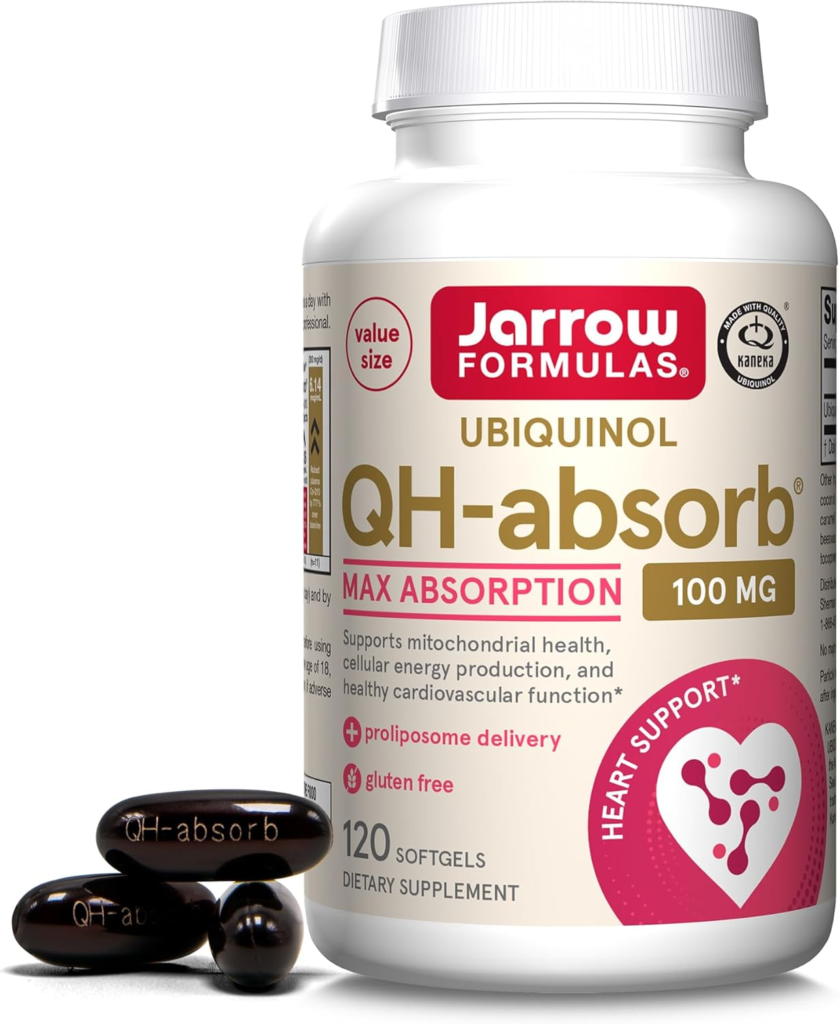
Jarrow Formulas QH-Absorb Ubiquinol
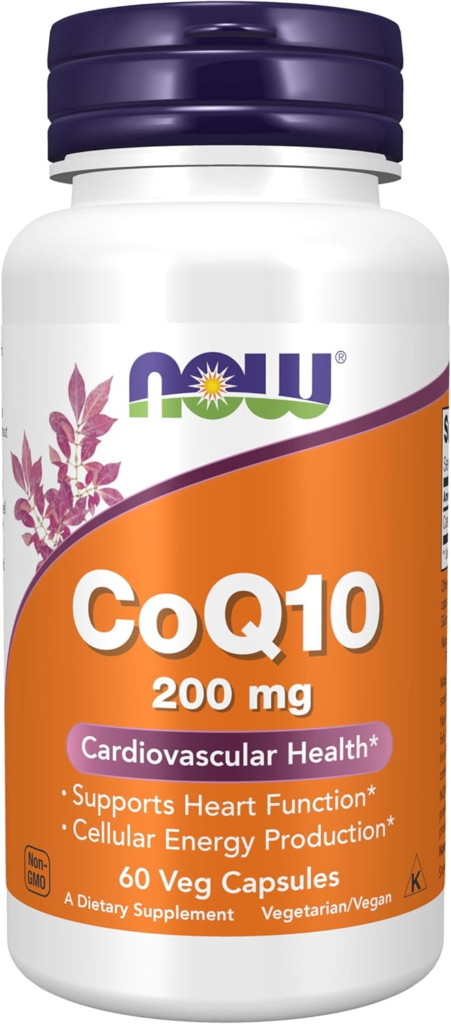
NOW Foods CoQ10 200 mg
A budget-friendly choice that still delivers quality. NOW uses the ubiquinone form and tests every batch for purity.
If you need higher doses, the 200 mg option makes it easy without swallowing many pills.
3. Vitamin D3 for Hormone Balance and Implantation
Vitamin D is technically a hormone precursor, and it plays a crucial role in ovarian function, endometrial receptivity and immune balance. Large reviews show that women with enough vitamin D levels have higher pregnancy and live birth rates in both natural conception and IVF compared with women who are deficient.
Most prenatals only include 400 to 800 IU of vitamin D, which often will not fix a deficiency. Fertility specialists commonly recommend 1,000 to 2,000 IU daily for maintenance, and higher doses short-term if your labs show deficiency.
The ideal approach is to test your 25-OH vitamin D level and aim for about 30 to 50 ng/mL, or whatever range your clinician prefers.
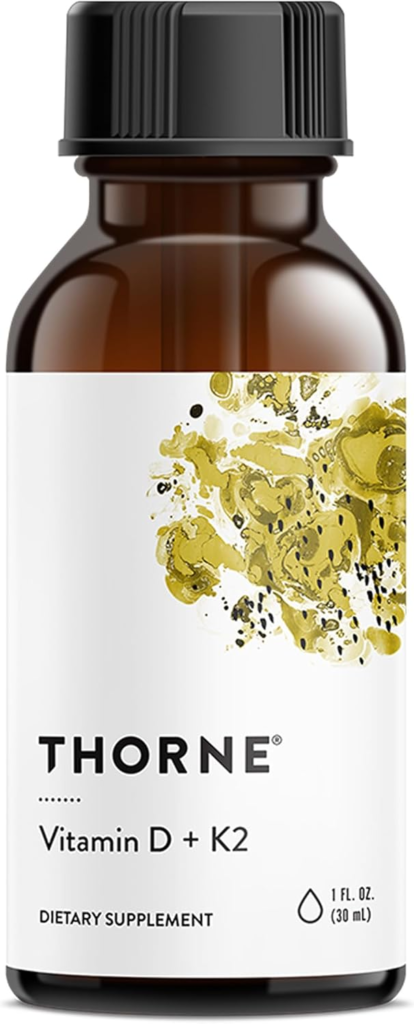
Thorne Vitamin D/K2 Liquid
This liquid formula combines D3 with K2, which helps direct calcium to your bones instead of soft tissues. Each drop delivers 1,000 IU, so you can adjust your dose precisely based on your lab results.
The liquid absorbs quickly.
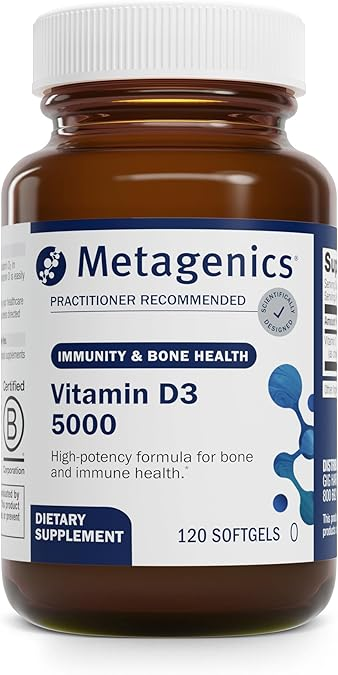
Metagenics D3 5000
A higher-dose option for people who have confirmed deficiency. Metagenics is a professional-grade brand often sold through practitioners.
Each softgel provides 5,000 IU of D3 in a base of olive oil for better absorption.
Pure Encapsulations Vitamin D3 2000 IU
Pure Encapsulations is known for hypoallergenic formulas free from common allergens and unnecessary fillers. Their 2,000 IU capsules are a good maintenance dose for many people.
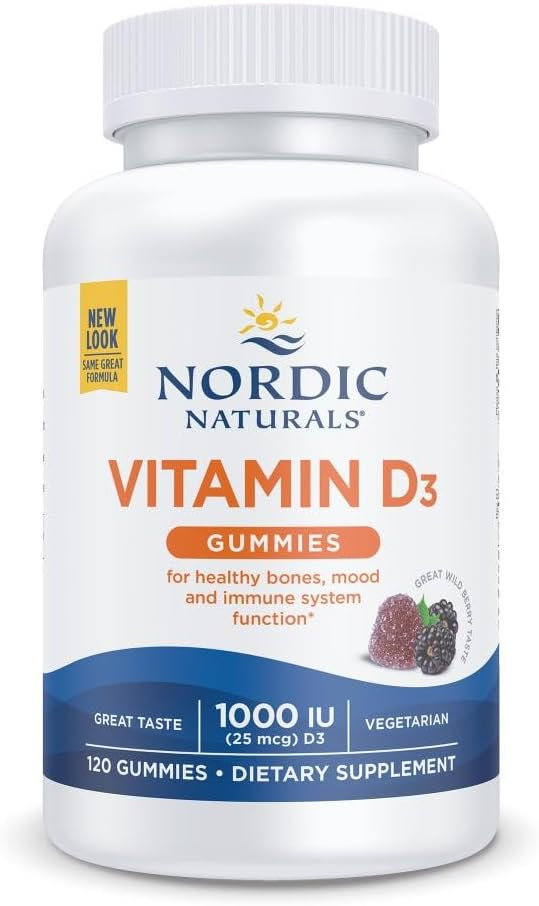
Nordic Naturals Vitamin D3 1000 IU
A straightforward, affordable option from a trusted brand. Nordic Naturals uses D3 sourced from lanolin and tests for purity.
Small softgels are easy to swallow.
4. Omega-3 (DHA/EPA) for Egg Quality and Inflammation
Omega-3 fatty acids from fish oil lower inflammation, support cell membrane health and play a role in hormone production. Research suggests that omega-3s support egg quality and embryo development, and they are especially recommended for women over 35 or those who eat little oily fish.
DHA in particular becomes critical once you are pregnant, as it supports fetal brain and nervous system development.
A common preconception dose is 500 to 1,000 mg of combined EPA plus DHA daily, though some fertility experts recommend closer to 1,000 to 2,000 mg if your diet is low in fish. Look for products that specifically list EPA and DHA amounts on the label, not just total omega-3s.
Molecular distillation or IFOS testing confirms purity from heavy metals and PCBs.
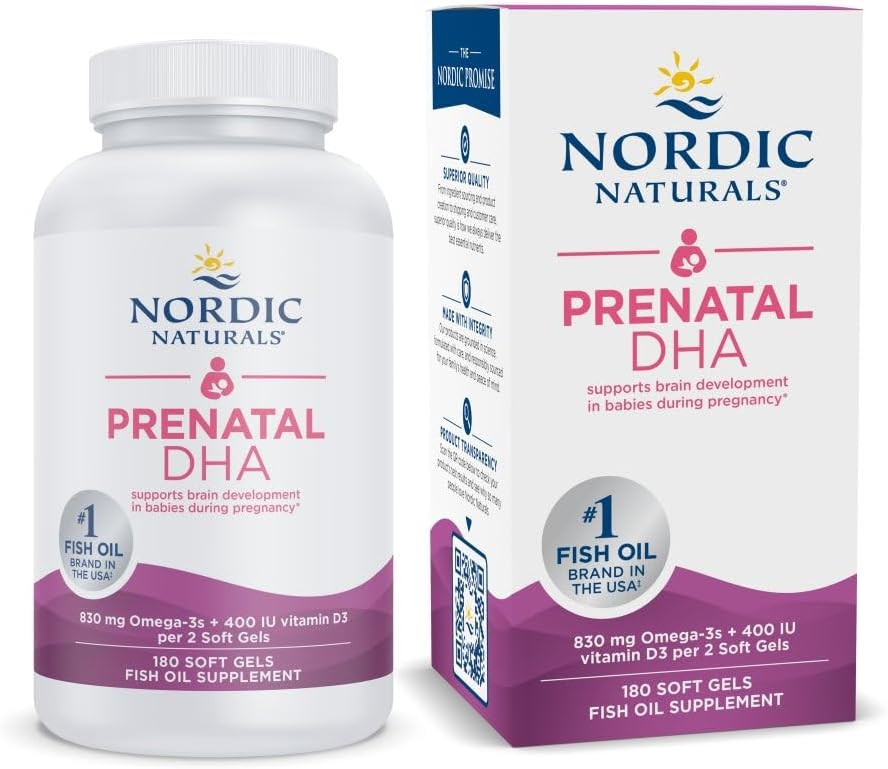
Nordic Naturals Prenatal DHA
Designed specifically for preconception and pregnancy, this formula emphasizes DHA with a 2:1 ratio of DHA to EPA. Each serving delivers 480 mg DHA and 205 mg EPA.
The lemon flavor helps reduce fishy aftertaste.
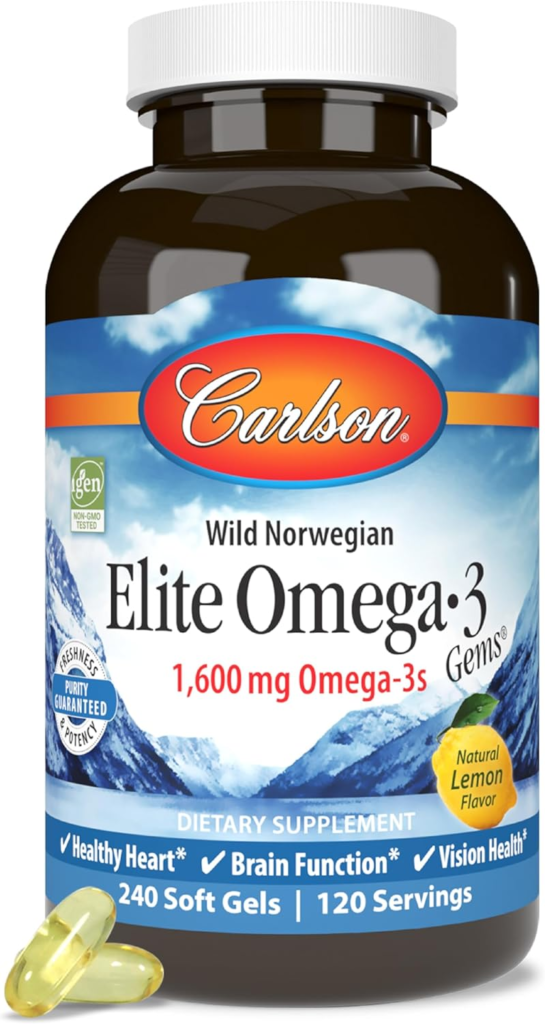
Carlson Labs Elite Omega-3 Gems
A high-potency option delivering 800 mg of omega-3s per softgel, including 500 mg EPA and 200 mg DHA. Carlson tests every batch for freshness and purity, and they publish the results online.
Sports Research Triple Strength Omega-3
This offers a strong dose in triglyceride form, which absorbs better than ethyl ester. Each softgel provides 1,250 mg of omega-3s, including 800 mg EPA and 600 mg DHA.
Third-party tested and sustainably sourced.
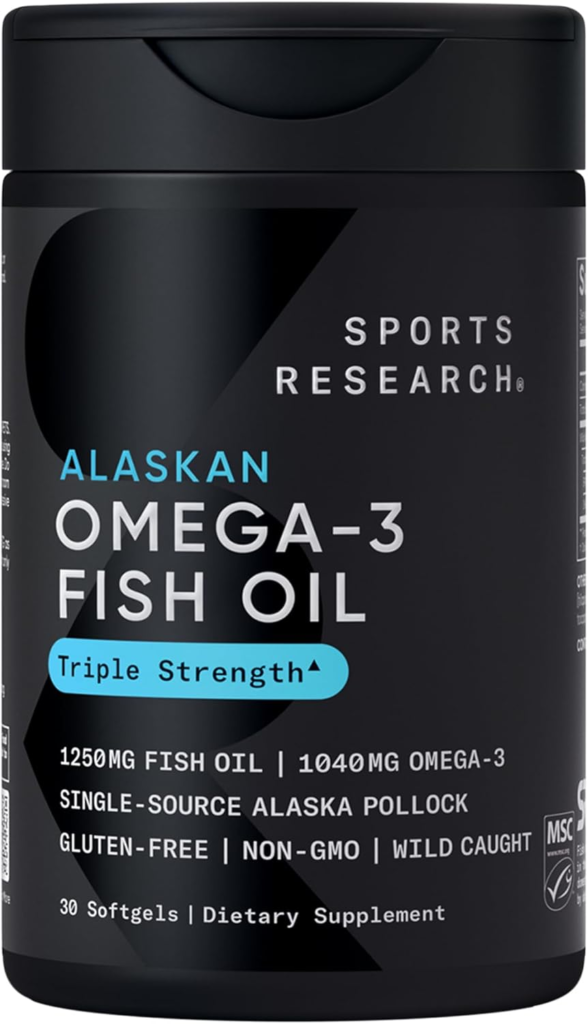
Sports Research Triple Strength Omega 3
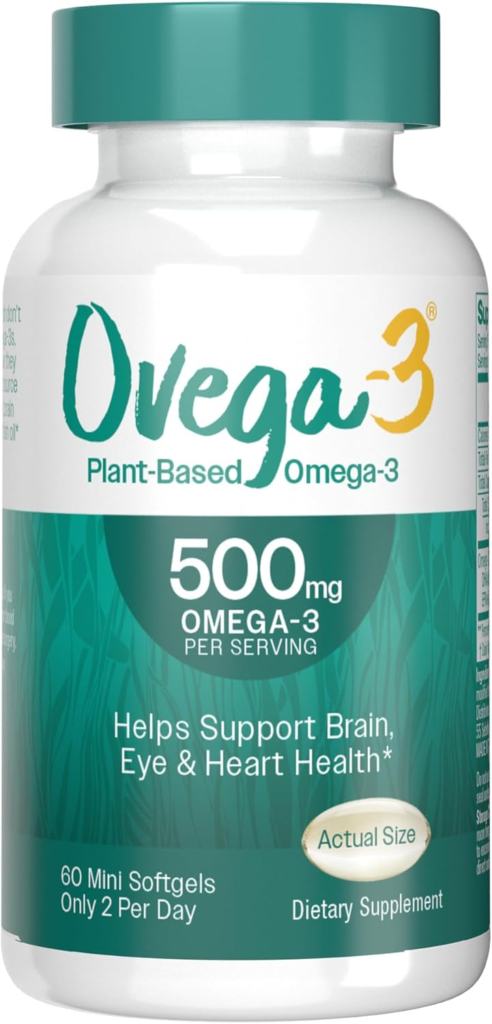
Ovega-3 Vegetarian Algal Oil (Vegan Option)
For those avoiding fish products, algae-derived omega-3 delivers DHA and EPA without the fish. Each softgel provides 320 mg DHA and 130 mg EPA.
Sustainably grown and free from ocean contaminants.
5. Inositol for Cycle Regularity and PCOS Support
Inositol has some of the best evidence for women with PCOS, irregular cycles, anovulation or insulin resistance. This vitamin-like compound helps your cells respond properly to insulin and supports signaling pathways in the ovaries.
Studies show that inositol can restore regular menstrual cycles, trigger ovulation in a high percentage of PCOS patients, improve hormonal profiles, and increase pregnancy rates.
The most effective form is a blend of myo-inositol and D-chiro-inositol in a 40:1 ratio. A typical dose is 2,000 mg myo-inositol plus 50 mg D-chiro-inositol twice daily, for a total of 4,000 mg myo and 100 mg D-chiro.
Inositol is usually taken for at least three to six months.
This supplement is mainly helpful if you have PCOS-type symptoms like long or irregular cycles, elevated androgens or insulin resistance. If your cycles are already regular and you do not have PCOS, you may not need this one.
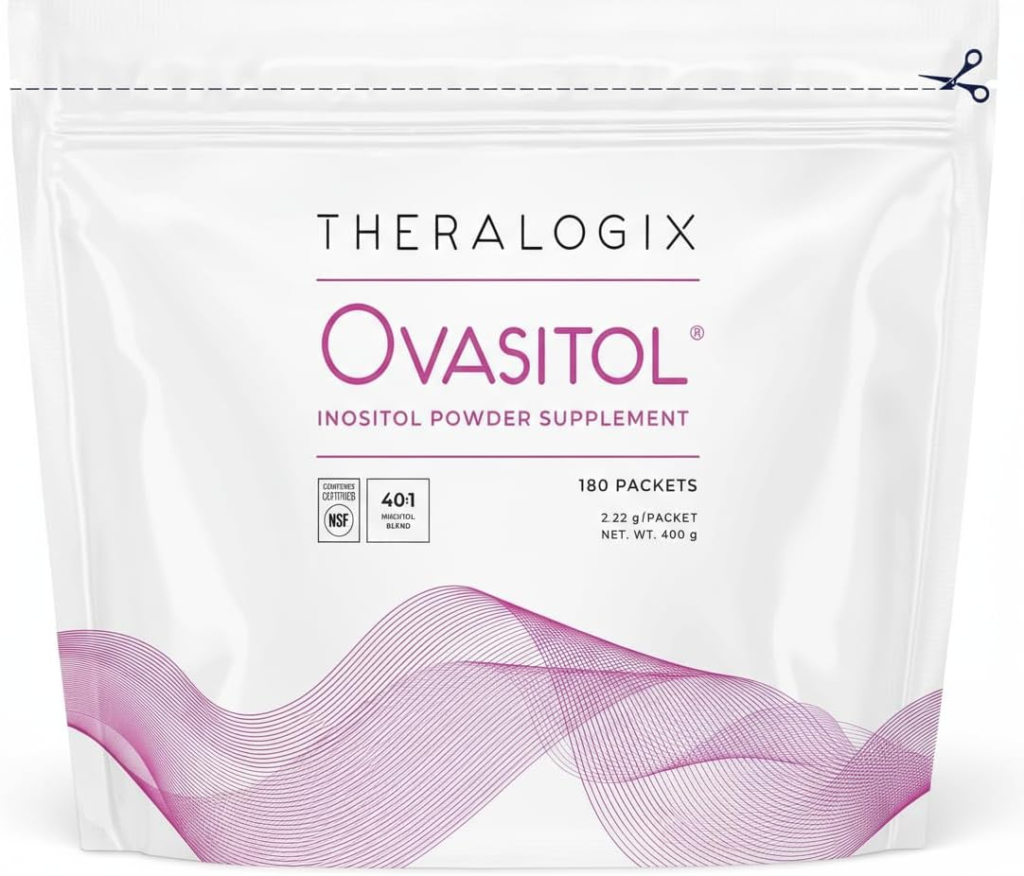
Theralogix Ovasitol
Ovasitol is the most widely recommended inositol product in fertility clinics. It delivers the 40:1 ratio of myo-inositol to D-chiro-inositol used in clinical studies.
The unflavored powder mixes easily into water or other drinks.
One packet twice daily.
Pregnitude Reproductive Support
Another blend designed for fertility support. Pregnitude includes 2,000 mg myo-inositol plus 200 mcg folic acid per packet.
While it does not include D-chiro-inositol, the myo-inositol alone still has good evidence for cycle regularity and ovulation in PCOS.
Wholesome Story Inositol Powder
An affordable option if you want straight myo-inositol. This unflavored powder is third-party tested and contains no fillers or additives.
You can measure your own dose and add D-chiro-inositol separately if desired.
Frequently Asked Questions
Can I take all five of these supplements together safely?
Yes, in most cases combining a prenatal, vitamin D, CoQ10, omega-3 and inositol is common practice in fertility protocols. The main thing to watch for is duplicating doses that could push you into excess.
For example, do not take many prenatals or add a separate folate pill unless your doctor specifically recommends higher dosing.
Also review any history of liver, kidney or thyroid issues with your clinician before starting a full stack. If you feel overwhelmed, start with the prenatal plus vitamin D and omega-3, then add CoQ10 after a few weeks, and finally inositol if you have PCOS symptoms.
This staged approach let’s you notice how each supplement affects you.
How long do I need to take these supplements before I see results?
Eggs take roughly 90 days to mature before ovulation, so most fertility specialists suggest giving supplements at least three months, and more realistically three to six months, before deciding whether they helped. This is especially true for CoQ10, inositol, NAC and omega-3. A prenatal should simply become a long-term daily habit through preconception and pregnancy.
If you have PCOS and start inositol, you might notice more regular cycles within the first month or two, but egg quality improvements take longer.
Be patient and stay consistent.
Do I still need fertility supplements if my blood work looks normal?
Blood tests do not always tell the whole story. Folate, B12 and iron stores might be within the normal range, but being on the low end of normal may still not be ideal for fertility.
Vitamin D normal ranges vary widely, and many fertility specialists target a higher end of normal for optimal outcomes.
A prenatal, vitamin D and omega-3 are often recommended even when labs look fine, because they cover the increased demands of early pregnancy and support the quality of the egg and uterine environment. More targeted supplements like inositol or NAC become more important when there is a known issue, such as PCOS, insulin resistance or recurrent pregnancy loss.
Should my partner take supplements too, or is this just for women?
Many of the same supplements help both partners. For sperm quality, the evidence is particularly good for a multivitamin with folate, zinc and selenium, plus vitamin C and E for DNA protection.
CoQ10 improves sperm motility and count in several studies.
Omega-3s support motility and morphology. NAC and carnitine also show benefits for sperm motility.
If there is a male factor issue, it is usually more effective when both partners take a thoughtful supplement routine as opposed to only one person doing all the work.
Sperm takes about 70 to 90 days to mature, so the timeline is similar.
Is melatonin safe when trying to conceive, and does it really help?
Melatonin at 3 mg at bedtime has been studied in IVF populations and is considered generally safe for short-term use under medical supervision. It acts as an antioxidant in the follicular fluid and may improve egg and embryo quality, in addition to improving sleep.
If you are trying naturally, many clinicians still consider low-dose melatonin acceptable before pregnancy.
Avoid mega-doses found in some sleep products, and stop or adjust once you are pregnant based on your doctor’s advice. Always check with your provider if you have autoimmune conditions, take sedatives or already have disrupted sleep cycles.
Can I skip supplements if I already eat a very healthy diet?
A nutrient-dense, fertility-friendly diet is crucial and cannot be replaced by pills. Whole foods provide fiber, phytonutrients and compounds that supplements cannot match.
At the same time, research shows that prenatal or multivitamin use on top of a good diet still improves fertility and pregnancy outcomes in many cases.
This is not an either-or situation. The most reliable approach is to build a solid foundation with whole foods, lean protein, healthy fats, colorful vegetables and low refined sugar, then add a prenatal, vitamin D and omega-3 at minimum.
Layer in targeted supplements if you have specific issues or are in your mid to late 30s or pursuing assisted reproduction.
Are there any supplements I should avoid while trying to conceive?
Some supplements can interfere with fertility or hormone balance. Avoid high doses of vitamin A in retinol form, as excessive amounts are linked with birth defects.
Stick with beta-carotene or the amounts in your prenatal.
Be cautious with herbal supplements like vitex, black cohosh or dong quai unless your provider specifically recommends them, as they can disrupt your cycle. DHEA is a hormone and should never be used without close medical supervision and clear indication, such as documented low ovarian reserve.
Also watch out for fat loss supplements, high-dose biotin (which can interfere with lab tests), and any product that makes dramatic fertility claims without scientific backing.
When in doubt, always check with your doctor or a registered dietitian who specializes in fertility.
References
[1] The Oldershaw Clinic. Top 5 Supplements for Fertility After 35.
[2] Extend Fertility. Female fertility supplements: an evidence-based guide.
[3] Progyny. The Best Vitamins and Supplements to Boost Your Fertility.
[4] Haven Womens Center. Top Fertility Supplements to Help You Conceive.
[5] Fertility Academy. Getting pregnant after 35 – 10 ways to help boost your fertility.
[6] Ochsner Blog. A Dietitian Picks the 7 Best Prenatal Vitamins for 2025.
[8] Bird&Be. The 6 Best Fertility Supplements to Help You Get Pregnant.
Disclaimer
The information contained in this post is for general information purposes only. The information is provided by Top 5 Supplements to Consider for Fertility in Your 30s and while we endeavor to keep the information up to date and correct, we make no representations or warranties of any kind, express or implied, about the completeness, accuracy, reliability, suitability or availability with respect to the website or the information, products, services, or related graphics contained on the post for any purpose.