
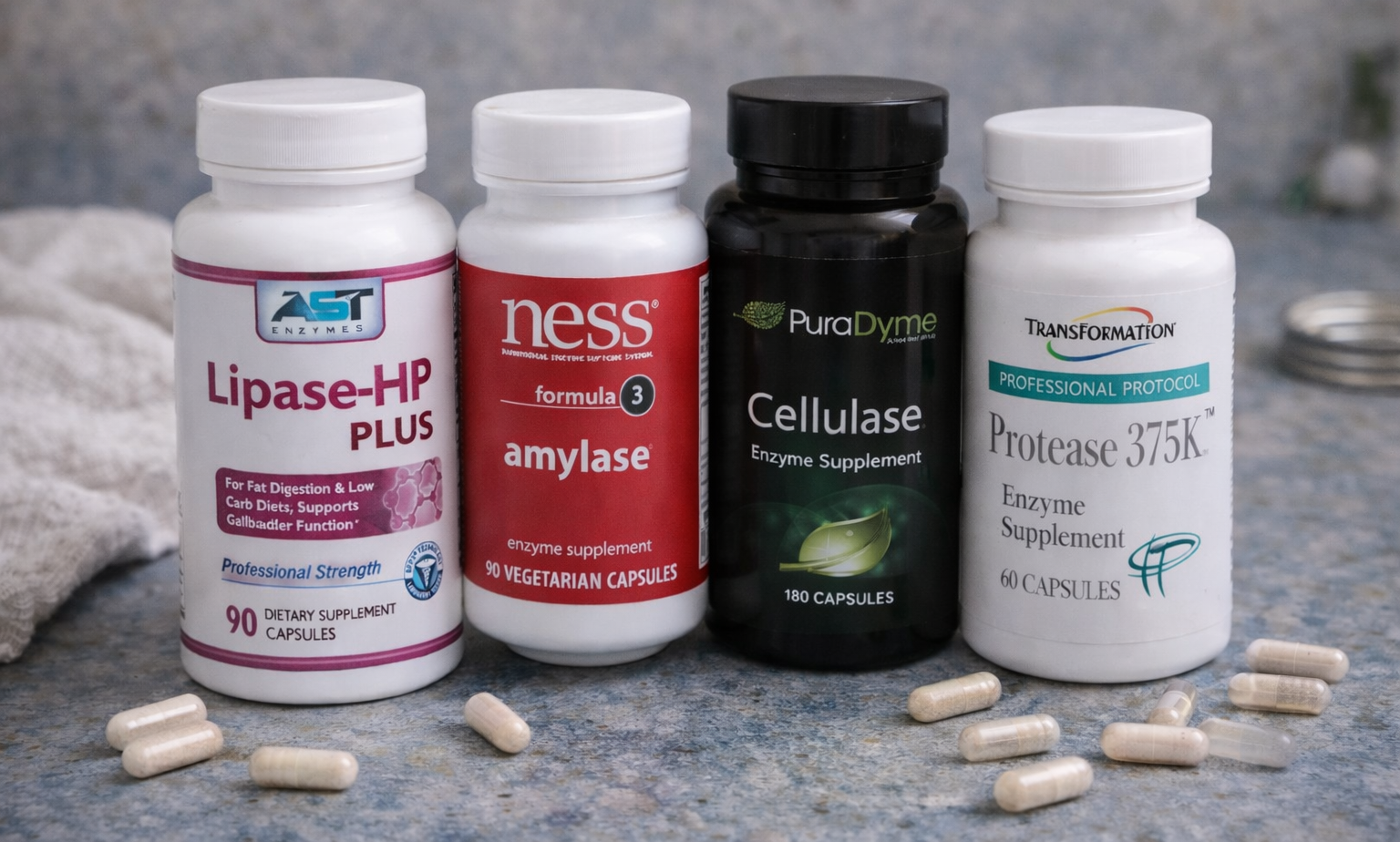
As someone who’s personally grappled with the discomfort of SIBO-related bloating, I understand the frustration and the constant search for relief. Small Intestinal Bacterial Overgrowth (SIBO) can wreak havoc on your digestive system, leaving you feeling bloated, uncomfortable, and often at a loss for solutions.
But there’s hope, and it comes in the form of digestive enzymes.
Understanding SIBO and the Role of Digestive Enzymes
SIBO occurs when bacteria that normally reside in your large intestine decide to take up residence in your small intestine. These bacterial squatters feast on the carbohydrates passing through, producing gas as a byproduct and causing that all-too-familiar balloon-like feeling in your abdomen.
Digestive enzymes act as your gut’s cleanup crew. They help break down food more efficiently, reducing the amount of undigested particles that can feed the overgrown bacteria.
By doing so, they can potentially decrease bacterial overgrowth and reduce symptoms.
Now, let’s explore the seven digestive enzymes that have shown the most promise in managing SIBO-related bloating. While these enzymes can be incredibly helpful, they’re most effective as part of a comprehensive SIBO treatment plan.
1. Protease
Protease enzymes break down proteins into smaller peptides and amino acids, making them easier for your body to absorb. For women battling SIBO, protease can be a game-changer because undigested proteins can become a feast for harmful bacteria, exacerbating SIBO symptoms.
Recommended Product: TRANSFORMATION THE GENESIS OF GOOD HEALTH Protease 375K Enzyme Blend Supplement
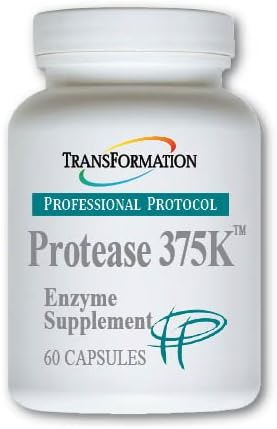
TRANSFORMATION THE GENESIS OF GOOD HEALTH Protease 375K Enzyme Blend Supplement
By ensuring proper protein breakdown, protease enzymes can help reduce the bacterial buffet in your small intestine. Some studies even suggest that certain proteases may have antimicrobial properties, potentially helping to combat bacterial overgrowth directly.
When shopping for a protease supplement, look for broad-spectrum options that include many types of proteases. This variety ensures you’re equipped to break down various protein structures, from the collagen in your bone broth to the casein in your Greek yogurt.
Taking your protease supplement at the beginning of protein-rich meals maximizes its effectiveness. This timing allows the enzymes to start working as soon as the food enters your stomach, optimizing the breakdown process.
Protease supplements come in various forms, including capsules, tablets, and powders. Some people prefer capsules for their convenience, while others opt for powders that can be mixed into drinks or sprinkled on food.
Experiment to find what works best for you and your lifestyle.
Keep in mind that while protease can be useful, it’s not a one-size-fits-all solution. Some people may experience side effects such as stomach upset or allergic reactions.
Start with a lower dose and gradually increase it to assess your tolerance.
2. Lipase
While fat malabsorption isn’t typically the star of the show in SIBO, lipase enzymes still play a crucial supporting role. These fat-digesting dynamos break down fats into fatty acids and glycerol, improving overall digestion and potentially alleviating some SIBO symptoms.
Recommended Product: AST Enzymes Lipase-HP Plus
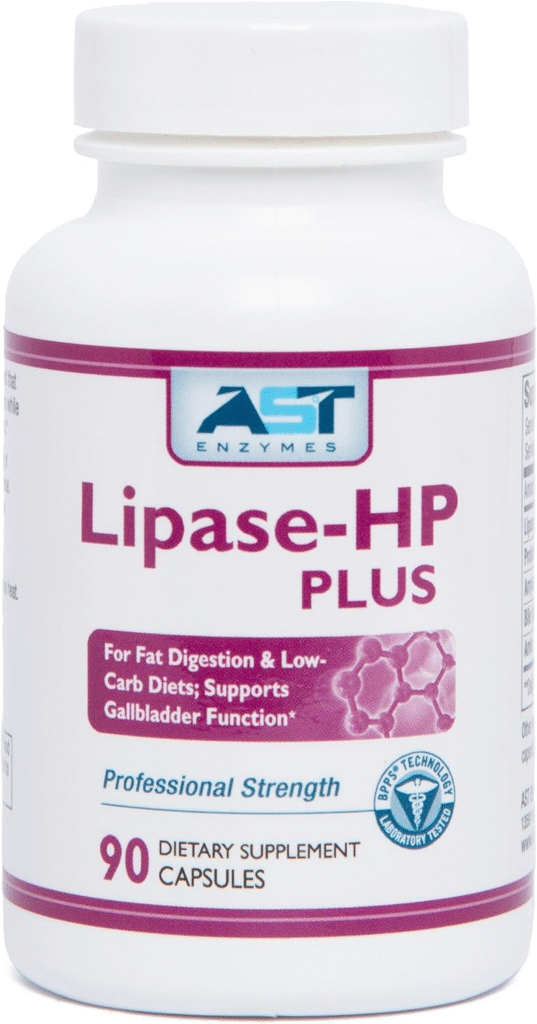
Efficient fat digestion is key to maintaining the integrity of your gut lining. A healthy gut lining is your first line of defense against bacterial translocation, which can worsen SIBO.
Additionally, some women with SIBO may have concurrent pancreatic insufficiency, making lipase supplementation even more critical.
When choosing a lipase supplement, consider one that includes co-factors like bile salts. These additions can enhance fat digestion further, giving you more bang for your enzymatic buck.
Lipase can be particularly helpful if you experience discomfort after eating fatty foods or notice undigested fat in your stool.
The dosage of lipase supplements can vary widely, typically ranging from 1,000 to 6,000 lipase units per capsule. Your healthcare provider can help decide the right dosage based on your specific needs and symptoms.
Some people find that taking lipase supplements with meals containing higher fat content provides the most noticeable benefits. However, consistency is key – regular use over time often yields the best results.
It’s worth noting that lipase supplements may interact with certain medications, particularly those used to treat diabetes or control blood sugar. Always ask with your healthcare provider before starting any new supplement regimen, especially if you’re taking other medications.
3. Amylase
Amylase is your go-to enzyme for breaking down complex carbohydrates into simpler sugars. For women with SIBO, carbohydrates can be particularly problematic as they’re the primary food source for those overgrown bacteria.
Recommended Product: Ness Enzymes- Amylase #3 90 vegcaps
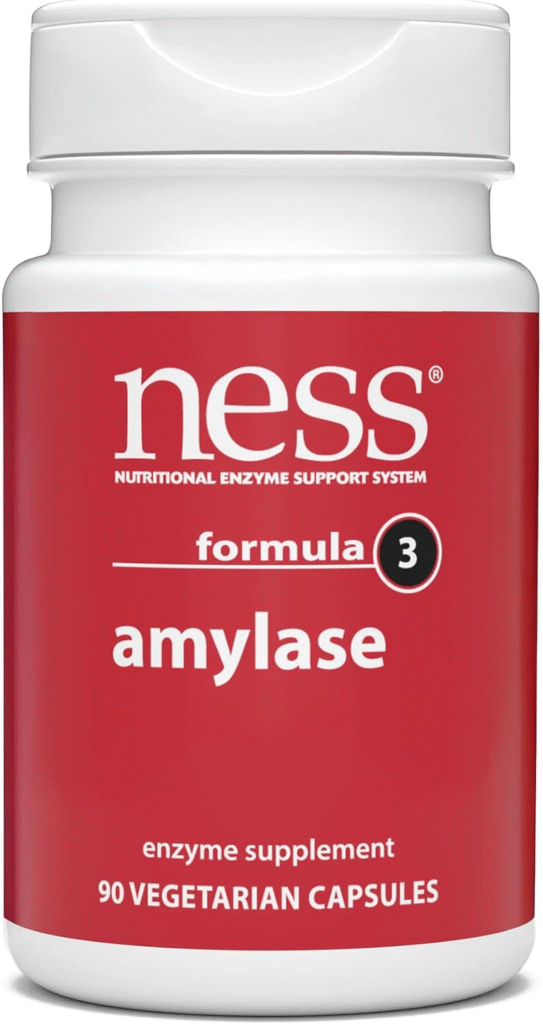
By supplementing with amylase, you’re essentially cutting off the bacteria’s food supply at the source. You’re breaking down those complex carbs before the bacteria can get their hands on them, potentially reducing fermentation and the resulting gas and bloating.
However, keep in mind that while amylase can be helpful, it’s not a free pass to load up on carbs. Women with SIBO should still consider following a low FODMAP diet or working with a nutritionist to identify problematic carbohydrates.
Amylase is a tool in your toolkit, not a magic wand.
Combining amylase supplementation with mindful carbohydrate consumption often yields the best results. Pay attention to how different carbs affect your symptoms and adjust accordingly.
Some people find that keeping a food diary alongside their enzyme supplementation helps them identify patterns and improve their diet.
Amylase supplements are available in various strengths, typically measured in DU (Dextrinizing Units) or SKB (Sandstedt, Kneen, and Blish) units. A common dosage range is 10,000 to 50,000 DU per serving, but this can vary based on person needs and the specific product.
Some amylase supplements are derived from animal sources, while others are plant-based or fungal in origin. If you have dietary restrictions or preferences, be sure to check the source of the enzyme in your chosen supplement.
It’s also worth noting that amylase is naturally present in saliva. Chewing your food thoroughly can help kickstart the carbohydrate digestion process even before the food reaches your stomach.
This simple habit, combined with amylase supplementation, can significantly improve your carbohydrate digestion.
4. Cellulase
Cellulase is a bit of an oddball in the enzyme world because humans don’t naturally produce it. This enzyme breaks down cellulose, a type of fiber found in plant cell walls.
While we can’t digest cellulose on our own, supplementing with cellulase can be a game-changer for women with SIBO.
Recommended Product: PuraDyme – Cellulase Enzyme Supplement
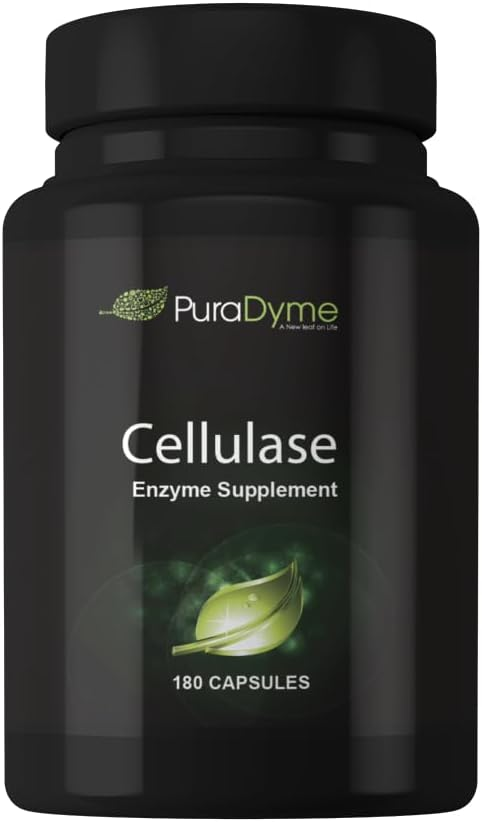
By improving the breakdown of cellulose, cellulase reduces the amount of fermentable substrate available to bacteria in the small intestine. This can lead to less gas production and, so, less bloating.
But cellulase has another trick up its sleeve. It can help break down biofilms, those protective matrices that bacteria create to shield themselves from the immune system and antibiotics.
By disrupting these biofilms, cellulase may enhance the effectiveness of other SIBO treatments.
Cellulase can be particularly useful if you notice increased bloating after consuming high-fiber foods. It’s often included in broad-spectrum enzyme supplements, but you can also find it as a standalone product.
The dosage of cellulase is typically measured in CU (Cellulase Units) or FCC (Food Chemical Codex) units. A common range is 1,000 to 5,000 CU per serving, but this can vary depending on the specific product and your person needs.
When taking cellulase supplements, timing can be important. Some people find it most effective to take cellulase with meals that contain high amounts of plant-based foods.
Others prefer to take it between meals to help break down residual fiber in the gut.
It’s worth noting that while cellulase can be useful for many people with SIBO, it may not be suitable for everyone. Some people may experience increased gas or bloating when first starting cellulase supplements.
If this occurs, it’s often temporary and can be mitigated by starting with a lower dose and gradually increasing.
5. Lactase
Lactase is the enzyme responsible for breaking down lactose, the sugar found in dairy products. Many women with SIBO develop secondary lactose intolerance because of damage to the brush border of the small intestine, where lactase is produced.
Recommended Product: Carlyle Lactase Enzyme Pills 9000 FCC
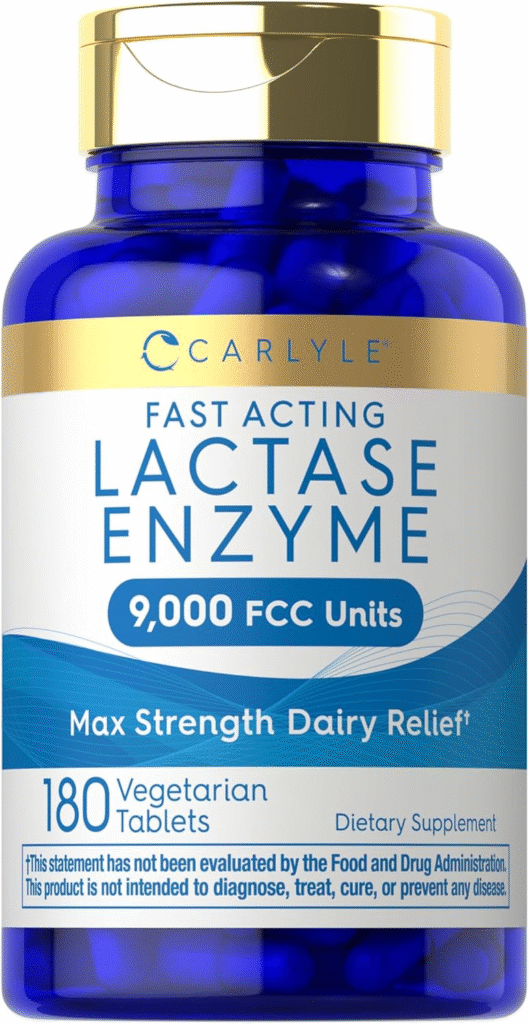
Supplementing with lactase can help reduce symptoms related to dairy consumption, which can be particularly problematic for people with SIBO. While avoiding dairy altogether might be advisable during active SIBO treatment, lactase supplementation can be helpful during the reintroduction phase or for occasional dairy consumption.
Lactase supplements are typically measured in FCC lactase units. A common dosage range is 3,000 to 9,000 FCC units per serving, but this can vary based on person lactose sensitivity and the amount of dairy consumed.
When using lactase supplements, timing is crucial. For best results, take the supplement just before consuming dairy products.
Some people find it helpful to keep lactase supplements on hand for unexpected dairy encounters, such as when dining out.
It’s important to remember that lactase alone won’t treat SIBO, but it can be a valuable tool in managing symptoms and improving quality of life. Think of it as a dairy decoder, helping your body make sense of lactose when you do decide to indulge in that occasional slice of cheese or scoop of ice cream.
Start with a small amount of dairy and gradually increase while using lactase to find your personal tolerance level. Keep in mind that different dairy products contain varying amounts of lactose.
Hard cheeses and yogurt, for example, typically contain less lactose than milk and may be better tolerated even without lactase supplementation.
Some people with SIBO find that combining lactase with other digestive enzymes, particularly proteases and lipases, provides more comprehensive support for dairy digestion. This multi-enzyme approach can be especially helpful if you’re dealing with many food sensitivities.
6. Bromelain
Bromelain, a group of enzymes found naturally in pineapple, isn’t a digestive enzyme in the traditional sense. However, it has shown promise in supporting digestive health and potentially alleviating SIBO-related symptoms.
Bromelain’s claim to fame is its anti-inflammatory properties. It may help reduce gut inflammation associated with SIBO, providing relief from discomfort and supporting overall gut health.
Recommended Product: Life Extension Specially-Coated Bromelain
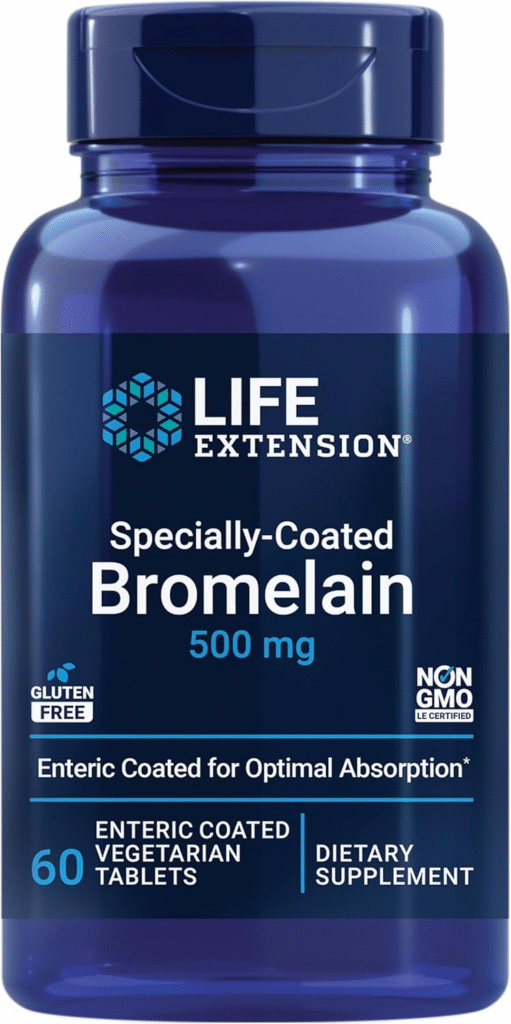
Some studies even suggest that bromelain may have antimicrobial effects, potentially helping to combat bacterial overgrowth directly.
When choosing a bromelain supplement, look for one that’s enteric-coated. This ensures that the enzyme reaches the small intestine intact, where it can do its best work. Bromelain is typically measured in GDU (Gelatin Digesting Units) or MCU (Milk Clotting Units).
A common dosage range is 500 to 2,000 GDU per day, but this can vary based on person needs and the specific product.
Bromelain can be particularly useful if you’re dealing with both SIBO and inflammatory bowel conditions. Its anti-inflammatory properties may help soothe irritated gut tissue, potentially reducing symptoms like abdominal pain and diarrhea.
One interesting aspect of bromelain is its potential to enhance the absorption of certain antibiotics. This could be particularly relevant for SIBO treatment, as antibiotics are often part of the treatment protocol.
However, always ask with your healthcare provider before combining bromelain with any medications.
It’s worth noting that while bromelain is generally well-tolerated, some people may experience side effects such as nausea or diarrhea, especially at higher doses. As with any supplement, it’s best to start with a lower dose and gradually increase as tolerated.
Bromelain supplements are often derived from pineapple stems, which are a rich source of the enzyme. If you have a pineapple allergy, you should avoid bromelain supplements or ask with an allergist before use.
Some people find that taking bromelain on an empty stomach enhances its anti-inflammatory effects, while taking it with meals may boost its digestive benefits. Experiment with timing to see what works best for your body and symptoms.
Choosing the Right Enzyme Supplement
When selecting a digestive enzyme supplement for SIBO-related bloating, consider a broad-spectrum product that includes a combination of the enzymes mentioned above. Look for high-quality, reputable brands that use third-party testing to confirm purity and potency.
Here are some factors to consider when choosing an enzyme supplement:
- Enzyme Blend: Look for products that contain a variety of enzymes to address different aspects of digestion.
- Potency: Check the enzyme activity units (e.g., DU, FCC, GDU) to ensure you’re getting an effective dose.
- Quality Assurance: Choose brands that use third-party testing and follow Good Manufacturing Practices (GMP).
- Allergen Information: If you have allergies, check the product label for potential allergens or cross-contamination risks.
- Additional Ingredients: Some enzyme supplements include extra supportive ingredients like probiotics or herbs.
Consider whether these align with your needs and treatment plan.
- Form and Dosage: Decide whether you prefer capsules, tablets, or powders, and consider how often you’ll need to take the supplement.
- Price and Value: Compare the cost per serving across different brands, but remember that the cheapest option isn’t always the best value.
While digestive enzymes can be a valuable tool in managing SIBO symptoms, they are not a cure for the condition. A comprehensive approach that includes dietary modifications, stress management, and potentially antimicrobial treatments under the guidance of a healthcare professional is often necessary for long-term relief.
The Holistic Approach to SIBO Management
Incorporating digestive enzymes into your SIBO management strategy can be a game-changer, but it’s essential to view them as part of a larger, holistic approach. Here are some key considerations to keep in mind:
Timing is Crucial
Take enzymes at the beginning of meals to ensure they’re present when food enters your digestive system. This allows the enzymes to start working immediately on the food you’re consuming, maximizing their effectiveness.
Some people find it helpful to take a portion of their enzyme dose before the meal and the rest during or immediately after eating. This can provide a more sustained enzymatic action throughout the digestive process.
Start Slowly
Begin with a lower dose of enzymes and gradually increase to assess your body’s response and minimize potential side effects. This approach allows you to identify any sensitivities or adverse reactions early on.
Keep a journal to track your symptoms and enzyme dosage. This can help you and your healthcare provider fine-tune your supplementation strategy over time.
Combine with Probiotics
Some women find that taking a high-quality probiotic alongside digestive enzymes enhances their effectiveness in managing SIBO symptoms. Probiotics can help restore balance to the gut microbiome, while enzymes support effective digestion.
However, it’s important to choose probiotics carefully when dealing with SIBO. Some strains may exacerbate symptoms, while others can be useful.
Work with a healthcare provider to choose the most suitable probiotic for your situation.
Address Underlying Causes
Work with a healthcare provider to identify and treat the root causes of your SIBO, which may include motility issues, structural abnormalities, or other underlying conditions. Addressing these factors is crucial for long-term management and prevention of SIBO recurrence.
This may involve extra testing, such as breath tests to diagnose SIBO, or imaging studies to identify structural issues in the digestive tract. Your healthcare provider may also recommend treatments like prokinetics to improve gut motility.
Monitor Your Progress
Keep a symptom journal to track how different enzymes and combinations affect your bloating and overall digestive health. This can help you identify patterns and improve your supplement regimen over time.
Consider using a standardized symptom scale or questionnaire to quantify your progress. This can provide more objective data to share with your healthcare provider and guide treatment decisions.
Be Patient
It may take some time to find the right combination of enzymes and dosages that work best for your personal needs. SIBO management is often a process of trial and error, requiring patience and persistence.
Remember that healing the gut takes time. While some people experience rapid improvement with enzyme supplementation, others may need several weeks or months to see significant changes.
Consider Cyclic Use
Some practitioners recommend cycling on and off enzyme supplements to prevent dependence and maintain their effectiveness. This might involve taking enzymes for a set period (e.g., 3-4 weeks) followed by a break.
During the “off” periods, focus on supporting your body’s natural enzyme production through diet and lifestyle measures. This might include consuming enzyme-rich foods like pineapple and papaya, or practicing stress-reduction techniques to support overall digestive function.
By incorporating these digestive enzymes into a comprehensive SIBO treatment plan, many women find significant relief from bloating and other uncomfortable symptoms. Everyone’s experience with SIBO is unique, and what works for one person may not work for another.
Be patient with yourself, listen to your body, and don’t hesitate to seek professional guidance as you navigate your path to digestive wellness. With the right tools and approach, you can overcome SIBO-related bloating and rediscover comfortable digestion.
Frequently Asked Questions
What are the main symptoms of SIBO?
The main symptoms of SIBO include bloating, abdominal pain, diarrhea or constipation, excessive gas, and nutrient deficiencies. Some people also experience fatigue, skin issues, and brain fog.
Can digestive enzymes cure SIBO?
Digestive enzymes can help manage SIBO symptoms but are not a cure. They work best as part of a comprehensive treatment plan that may include dietary changes, antibiotics, and addressing underlying causes.
How long does it take for digestive enzymes to work for SIBO?
The time it takes for digestive enzymes to show effects can vary. Some people notice improvements within a few days, while others may need several weeks of consistent use to see significant changes.
Are there any side effects of taking digestive enzymes?
While generally safe, some people may experience side effects like nausea, diarrhea, or abdominal discomfort when taking digestive enzymes. Starting with a lower dose and gradually increasing can help minimize these effects.
Can I take many types of digestive enzymes together?
Yes, many people benefit from taking a combination of different enzymes. However, it’s important to follow dosage instructions and ask with a healthcare provider to ensure you’re using an suitable combination.
Do I need to take digestive enzymes forever if I have SIBO?
Not necessarily. While some people may benefit from long-term enzyme supplementation, others may only need them temporarily as part of their SIBO treatment plan.
Work with your healthcare provider to decide the best long-term strategy for your situation.
Can digestive enzymes help with food intolerances related to SIBO?
Digestive enzymes can often help manage symptoms related to food intolerances that commonly occur with SIBO, such as lactose or gluten sensitivity. However, they don’t address the root cause of these intolerances.
Is it safe to take digestive enzymes during pregnancy?
While many digestive enzymes are considered safe during pregnancy, it’s crucial to ask with your healthcare provider before starting any new supplement regimen when pregnant or breastfeeding.
Can children with SIBO take digestive enzymes?
Digestive enzymes can be used in children with SIBO, but dosages and specific enzyme choices may differ from those used in adults. Always ask with a pediatric specialist before giving enzymes to children.
How do digestive enzymes interact with SIBO medications?
Digestive enzymes generally don’t interact negatively with common SIBO medications. However, they may enhance the absorption of certain antibiotics.
Always tell your healthcare provider about all supplements you’re taking.
Key Takeaway
Digestive enzymes can be powerful allies in managing SIBO-related bloating, but they’re most effective when used as part of a comprehensive, individualized treatment plan.
At-Home Women’s Health Test – Hormones & Wellness
Hormonal shifts can affect everything from energy and sleep to mood and weight. This at-home women’s health test helps you understand key hormone and wellness markers so you can make informed next steps with your healthcare provider.
- ✔ Screens hormones commonly linked to perimenopause and cycle changes
- ✔ CLIA-certified lab testing
- ✔ Physician-reviewed results with clear explanations
- ✔ Convenient finger-prick sample from home
FSA/HSA eligible • Test from home • Results you can discuss with your doctor
Find out our recommended Probiotics; visit: https://www.vitalwomenwellness.com/best-probiotics-for-women-over-40-bloating-regularity/
Disclaimer
The information contained in this post is for general information purposes only. The information is provided by Top 6 Digestive Enzymes for Women Battling SIBO-Related Bloating and while we endeavor to keep the information up to date and correct, we make no representations or warranties of any kind, express or implied, about the completeness, accuracy, reliability, suitability or availability with respect to the website or the information, products, services, or related graphics contained on the post for any purpose.