
Iron deficiency is incredibly common among women, often manifesting as low ferritin levels. Ferritin, a protein that stores iron in the body, serves as a crucial indicator of overall iron status.
When ferritin levels drop, it can lead to a cascade of health issues, including fatigue, weakness, and cognitive impairment.
For women grappling with this prevalent yet often overlooked problem, finding the right iron supplement can be transformative.
Understanding Ferritin and Iron Deficiency
Before we dive into specific supplements, it’s crucial to grasp the significance of ferritin and its role in iron metabolism. Ferritin acts as a storage locker for iron in your body, releasing it when needed for various physiological processes, including the production of hemoglobin, the protein in red blood cells responsible for carrying oxygen throughout the body.
Women are particularly susceptible to low ferritin levels because of several factors:
- Menstrual blood loss
- Pregnancy and childbirth
- Dietary choices (especially vegetarian or vegan diets)
- Intense physical activity
When ferritin levels drop, it’s a clear sign that your body’s iron stores are depleted. This depletion can lead to iron deficiency anemia if left unchecked. Symptoms of low ferritin can be subtle at first but may include:
- Persistent fatigue
- Weakness
- Pale skin
- Shortness of breath
- Difficulty concentrating
- Unusual cravings for non-food items (a condition called pica)
Addressing low ferritin levels promptly is essential, as chronic iron deficiency can have far-reaching effects on your overall health and quality of life.
Types of Iron Supplements
When it comes to iron supplements, there’s a wide variety available. Understanding the differences between these types can help you make an informed decision about which supplement might work best for you.
Heme Iron Supplements
Heme iron is derived from animal sources and is generally more easily absorbed by the body. This form of iron is found naturally in meat, poultry, and fish.
Supplements containing heme iron are often well-tolerated and can be an excellent choice for people who have sensitive stomachs or absorption issues.
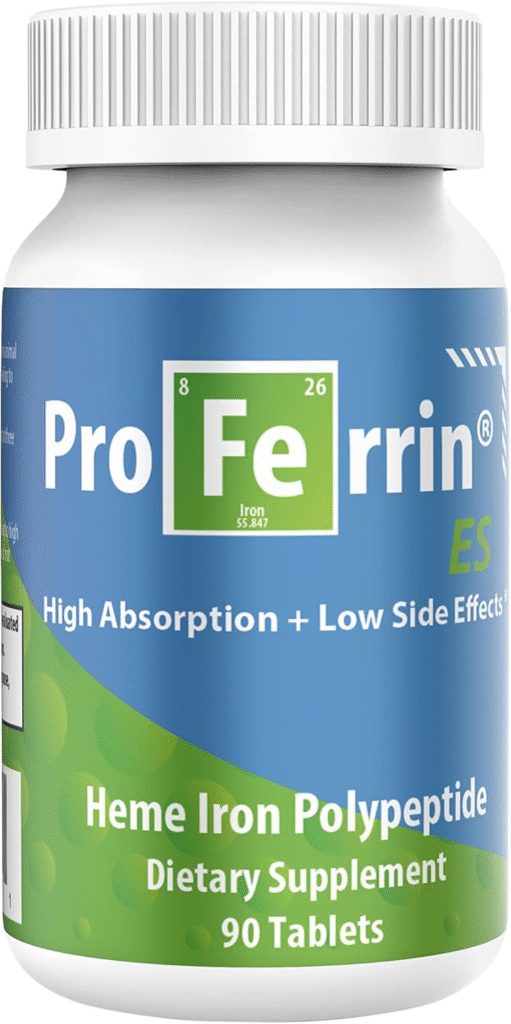
1. Heme Iron Polypeptide
Heme iron polypeptide is made from animal sources and mimics the iron found in meat. It’s highly bioavailable, meaning your body can use it efficiently.
This type of iron supplement is often well-tolerated and can be an excellent choice for those who have had difficulty with other iron supplements in the past.
The structure of heme iron polypeptide allows it to be absorbed through a different pathway than non-heme iron, which can lead to better absorption rates and fewer side effects. Some studies have shown that heme iron polypeptide can be absorbed up to 50% more efficiently than non-heme iron sources.
One of the advantages of heme iron polypeptide is that its absorption is less affected by other dietary factors that typically inhibit iron absorption, such as calcium or phytates found in plant-based foods. This makes it a versatile option for people who have varied diets.
However, it’s worth noting that heme iron polypeptide supplements are not suitable for vegetarians or vegans, as they are derived from animal sources. They may also be more expensive than other forms of iron supplements because of their specialized production process.
Non-Heme Iron Supplements
Non-heme iron comes from plant sources and is the type most commonly found in supplements. While it’s not as readily absorbed as heme iron, there are ways to enhance its absorption, such as taking it with vitamin C or avoiding calcium-rich foods at the same time.
Recommended Product: Proferrin ES- 10.5mg of high Absorbing Heme Iron Polypeptide
2. Ferrous Sulfate
Ferrous sulfate is one of the most common and affordable iron supplements on the market. It’s effective at raising iron levels but can cause gastrointestinal side effects in some people.
If you opt for ferrous sulfate, start with a low dose and gradually increase as tolerated.
This form of iron has been used for decades and has a long history of effectiveness in treating iron deficiency. It’s often the first-line treatment recommended by healthcare providers because of its low cost and widespread availability.
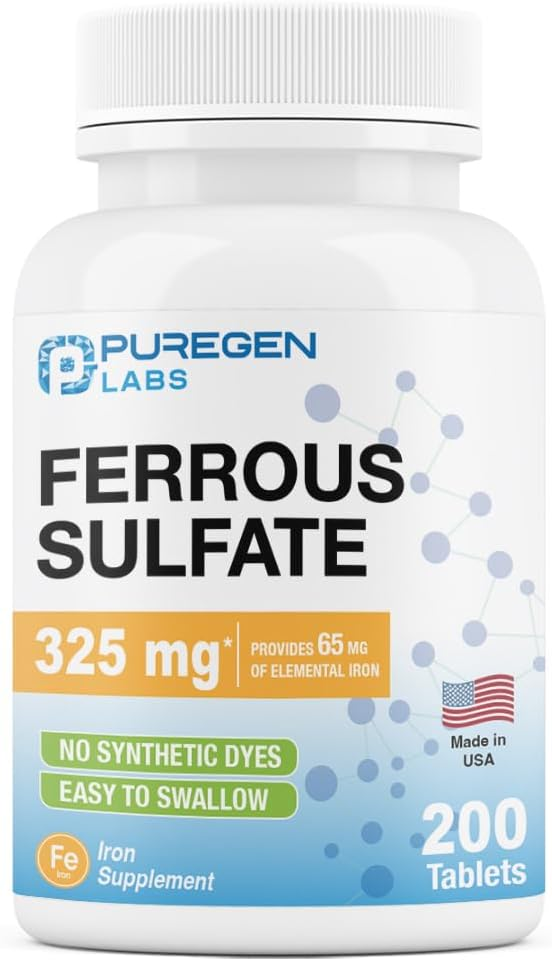
Ferrous sulfate contains about 20% elemental iron, which means a 325 mg tablet typically provides about 65 mg of elemental iron. This high iron content allows for smaller pills, which can be an advantage for those who have difficulty swallowing larger supplements.
However, the high iron content can also contribute to side effects like nausea, constipation, and stomach upset. To minimize these effects, it’s often recommended to take ferrous sulfate with food, although this may slightly reduce its absorption.
Recommended Product: Puregen Labs Ferrous Sulfate
3. Ferrous Gluconate
Ferrous gluconate is gentler on the stomach than ferrous sulfate and may be a good option for those who experience side effects with other iron supplements. While it contains less elemental iron per dose compared to ferrous sulfate, its better tolerability can lead to more consistent use and, ultimately, better results.
This form of iron is often recommended for people who have experienced gastrointestinal discomfort with ferrous sulfate. It’s particularly useful for those who need to take iron supplements long-term, as the reduced side effects can improve compliance with the supplementation regimen.
Ferrous gluconate contains about 12% elemental iron, so a typical 325 mg tablet provides about 39 mg of elemental iron. While this means you might need to take more pills to get the same amount of iron as ferrous sulfate, the trade-off in reduced side effects can be worth it for many people.
Some studies have shown that ferrous gluconate may be better absorbed than ferrous sulfate, especially when taken with food. This can be useful for those who prefer to take their supplements with meals to avoid stomach upset.
Recommended Product: BulkSupplements.com Ferrous Gluconate Powder
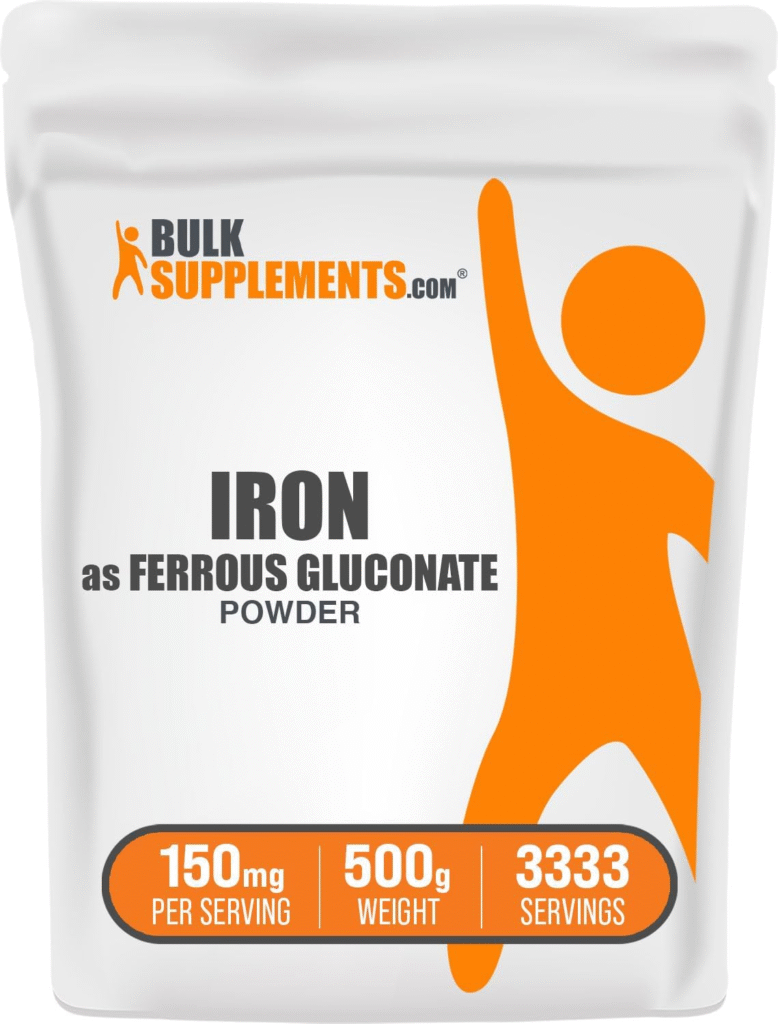
BulkSupplements.com Ferrous Gluconate Powder
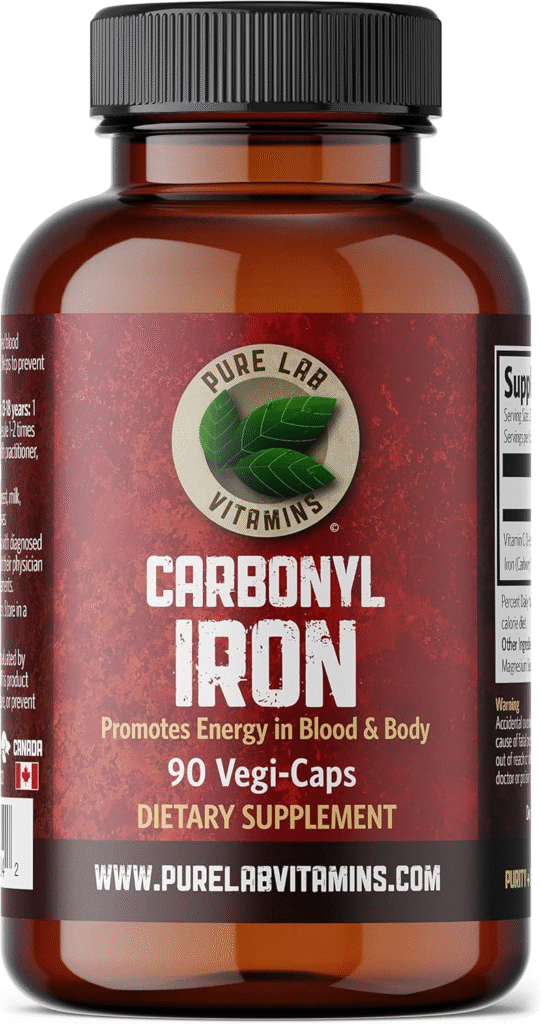
4. Carbonyl Iron
Carbonyl iron is a highly purified form of iron that’s less likely to cause iron toxicity if accidentally overconsumed. It’s a good choice for households with children or for those concerned about potential overdose. Carbonyl iron is absorbed more slowly than other forms, which can contribute to fewer side effects.
This form of iron is created through a unique manufacturing process that results in very small particles of elemental iron. These tiny particles are more easily absorbed by the body and are less likely to cause irritation to the digestive tract.
Carbonyl iron is often recommended for people who need high doses of iron but have experienced significant side effects with other forms. Its slow-release properties mean that iron is absorbed gradually over time, which can help reduce the risk of gastrointestinal side effects.
One of the significant advantages of carbonyl iron is its safety profile. In cases of accidental overdose, carbonyl iron is less likely to cause severe toxicity compared to other forms of iron.
This makes it a preferred choice for households with young children where accidental ingestion is a concern.
However, carbonyl iron may take longer to raise iron levels compared to other forms because of its slower absorption rate. This means it may not be the best choice for those who need to rapidly fix severe iron deficiency.
Recommended Product: Pure Lab Vitamins Carbonyl Iron
Liquid Iron Supplements
For those who struggle with pills or are looking for potentially faster absorption, liquid iron supplements can be a game-changer. They’re often easier to absorb and can be mixed into drinks or foods, making them a versatile option.
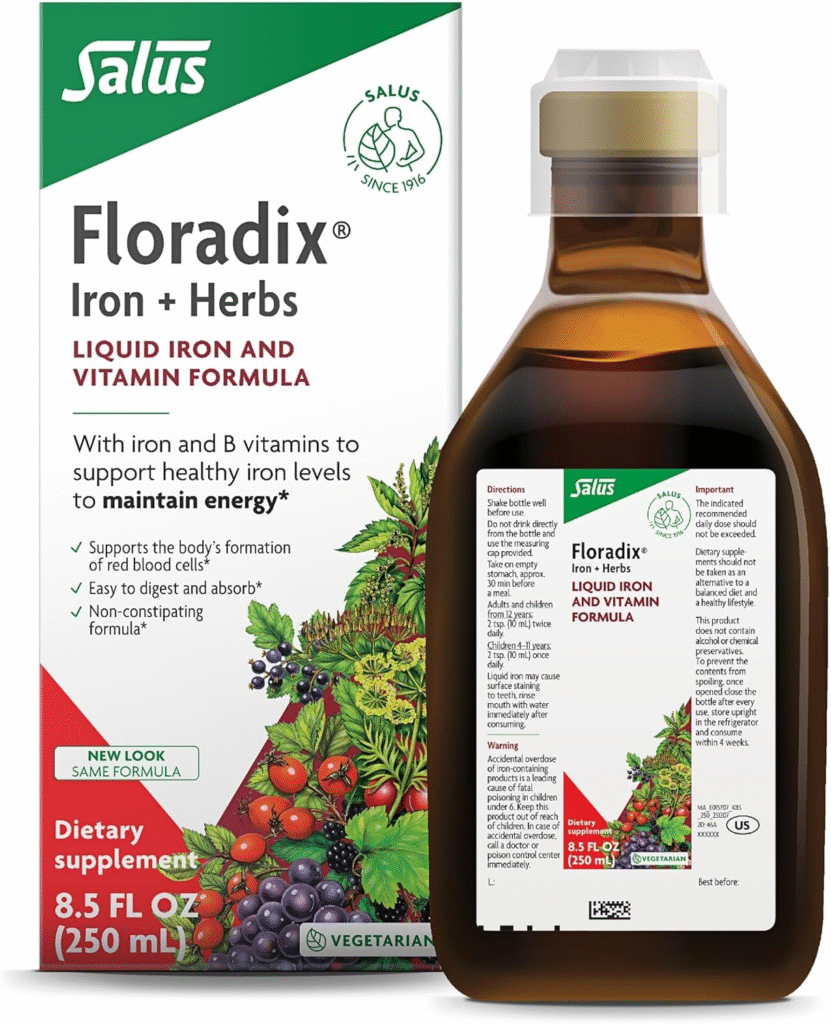
5. Floradix Iron + Herbs
Floradix Iron + Herbs is a popular liquid iron supplement that combines iron with B vitamins and herbal extracts. It’s easily absorbed and has a pleasant taste, which is rare for iron supplements.
The addition of herbs like nettle and spinach leaf extract may provide extra health benefits and support overall well-being.
This supplement uses a form of iron called ferrous gluconate, which is known for its gentleness on the stomach. The liquid formulation allows for quick absorption, and many users report feeling the effects more rapidly compared to pill-based supplements.
One of the standout features of Floradix is its combination of iron with other nutrients that support iron absorption and utilization. It contains vitamin C, which enhances iron absorption, as well as B vitamins that play crucial roles in red blood cell production and energy metabolism.
The herbal blend in Floradix includes ingredients like rosehip, spinach leaf, and fennel, which may offer extra health benefits. For example, rosehip is rich in vitamin C, while spinach provides extra iron and other minerals.
Fennel can help soothe the digestive system, potentially counteracting some of the gastrointestinal side effects associated with iron supplementation.
However, it’s worth noting that Floradix contains fruit juices and honey, which contribute to its pleasant taste and add sugar to the supplement. This may be a consideration for those watching their sugar intake or managing conditions like diabetes.
Recommended Product: Floradix by Salus Iron & Herbs
Slow-Release Iron Formulations
For those who experience gastrointestinal side effects from traditional iron supplements, slow-release formulations can be a godsend.
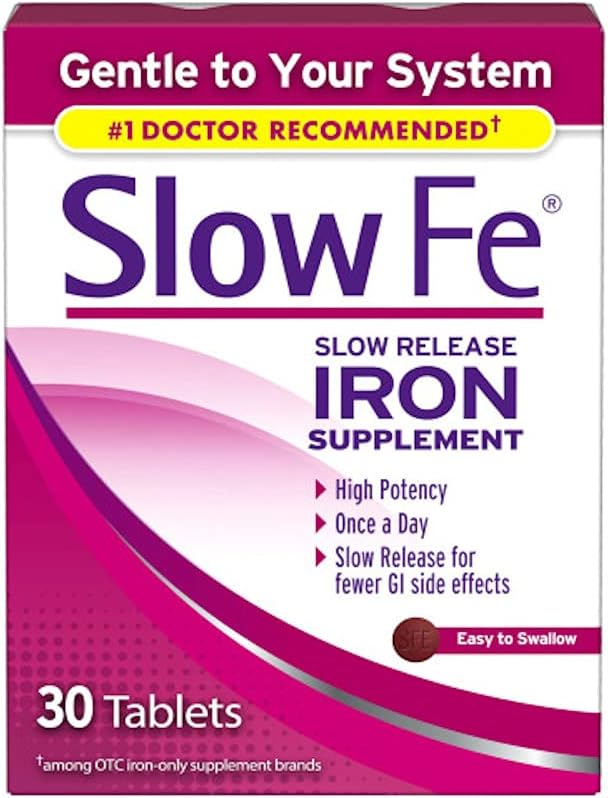
6. Slow Fe Iron Supplement Tablets
Slow Fe uses a patented slow-release technology to deliver iron gradually throughout the day. This approach can help reduce gastrointestinal side effects and improve overall tolerability.
The controlled release of iron also means that more iron is available for absorption, potentially leading to better results with fewer pills.
The slow-release mechanism works by encapsulating the iron in a special matrix that dissolves slowly in the digestive tract. This gradual release means that smaller amounts of iron are present in the gut at any given time, which can significantly reduce the risk of side effects like nausea and constipation.
Slow Fe contains ferrous sulfate, but its slow-release properties make it behave differently from standard ferrous sulfate supplements. Studies have shown that slow-release iron formulations can be as effective as standard formulations in raising iron levels, but with fewer side effects.
One of the advantages of Slow Fe is that it can often be taken just once a day, which can improve compliance with the supplementation regimen. However, slow-release formulations should not be crushed or chewed, as this would defeat the purpose of the slow-release mechanism.
While Slow Fe can be an excellent option for many people, it may not be suitable for those who need to rapidly fix severe iron deficiency. In these cases, a healthcare provider might recommend a faster-acting form of iron.
Combination Iron Supplements
Sometimes, combining iron with other nutrients can enhance its absorption and provide extra health benefits.
7. Iron + Vitamin C Supplements
Many iron supplements now come combined with vitamin C, which enhances iron absorption. Look for options that provide both in one convenient pill.
The synergistic effect of iron and vitamin C can significantly improve iron uptake, especially for those consuming non-heme iron sources.
Vitamin C, also known as ascorbic acid, helps convert iron into a form that’s more easily absorbed by the body. It can increase the absorption of non-heme iron by up to 300%.
This is particularly useful for those following plant-based diets, where non-heme iron is the primary form of dietary iron.
When choosing an iron + vitamin C supplement, look for products that provide at least 60-100 mg of vitamin C per dose. This amount has been shown to significantly enhance iron absorption without causing excessive vitamin C intake.
Some popular brands offer iron bisglycinate combined with vitamin C, which can provide the benefits of both the gentle iron form and enhanced absorption. However, while vitamin C enhances iron absorption, it can also increase the likelihood of gastrointestinal side effects in some people.
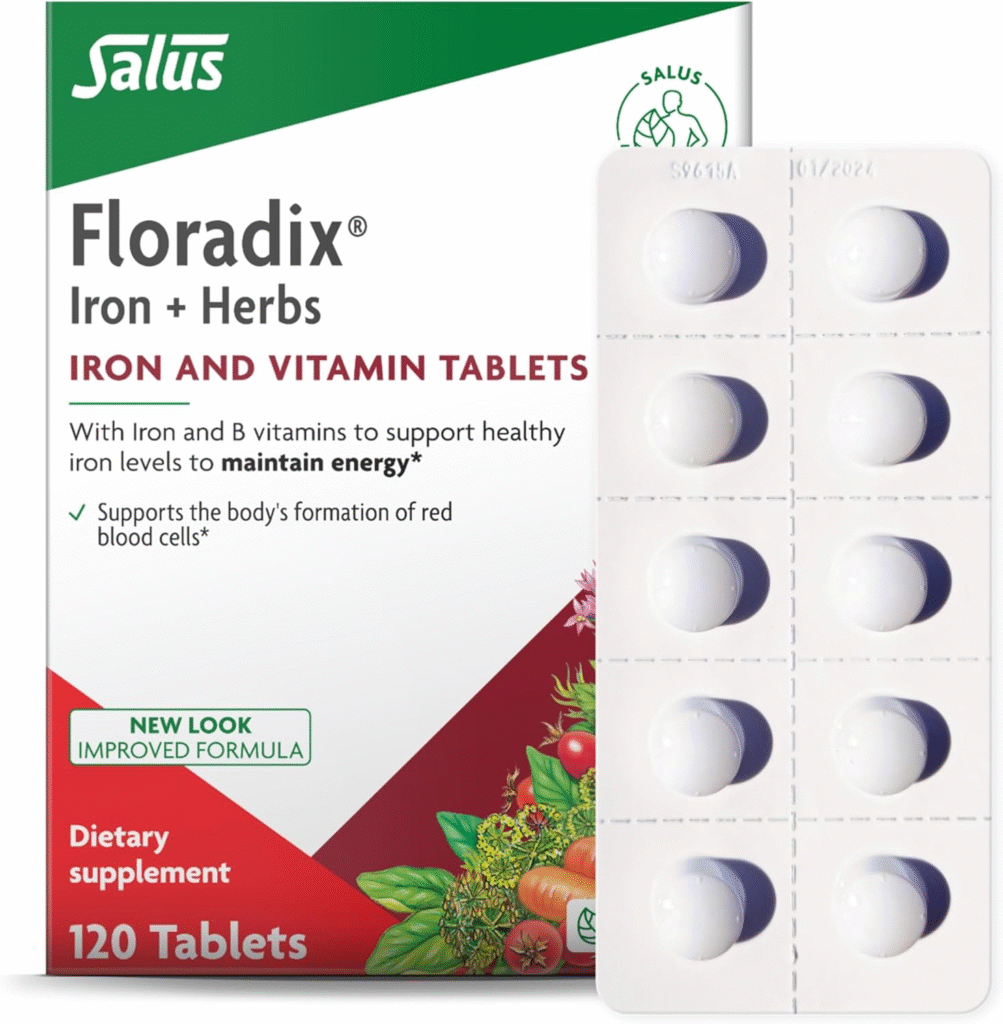
Recommended Product: Floradix Iron Tablets – Iron Supplement with Folic Acid
8. Iron + B-Complex Vitamins
B vitamins, particularly B12 and folate, work synergistically with iron in the production of red blood cells. Supplements that combine these nutrients can be particularly useful for women with low ferritin, especially those following vegetarian or vegan diets who might be at risk for B12 deficiency as well.
Vitamin B12 and folate are crucial for the formation of red blood cells and the prevention of certain types of anemia. While iron deficiency anemia is the most common type, deficiencies in B12 or folate can also lead to anemia, and these deficiencies can sometimes coexist with iron deficiency.
When choosing an iron supplement with B vitamins, look for products that provide a full spectrum of B vitamins, including B12, folate, B6, and others. These vitamins work together to support overall energy production and red blood cell formation.
Some supplements also include vitamin B2 (riboflavin), which plays a role in iron metabolism and may help enhance the body’s ability to use iron effectively. However, while B vitamins are generally safe, high doses of certain B vitamins can cause side effects in some people.
For vegans and vegetarians, iron supplements that include B12 can be particularly useful, as B12 is primarily found in animal products. However, it’s important to ask with a healthcare provider to decide the right balance of nutrients for your person needs.
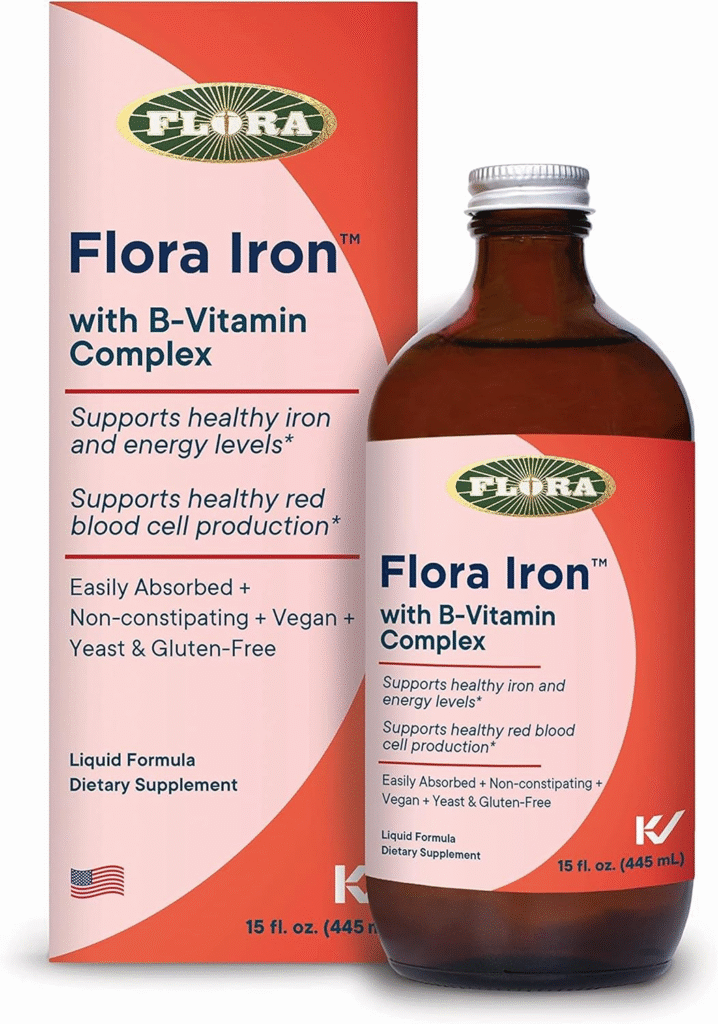
Recommended Product: Flora Iron – Vegan Liquid Iron Supplement with B Vitamins
Choosing the Right Supplement
When selecting an iron supplement, consider factors like absorption rate, potential side effects, and your personal health needs. It’s always best to talk to a healthcare provider before starting any new supplement regimen, especially when dealing with low ferritin levels.
The best iron supplement is the one you’ll actually take consistently. If you experience side effects with one form, don’t be discouraged. There are many options available, and finding the right fit may take some trial and error.
Here are some factors to consider when choosing an iron supplement:
- Form of iron: Consider whether you prefer heme or non-heme iron, and which specific form (like iron bisglycinate or ferrous sulfate) might be best for you.
- Dosage: Look at the amount of elemental iron provided per dose.
Your healthcare provider can help decide the right dosage for your needs.
- Frequency: Some supplements need to be taken many times a day, while others are once-daily.
Choose one that fits your lifestyle and that you’re likely to remember to take.
- Additional nutrients: Consider whether you might benefit from a combination supplement that includes vitamin C, B vitamins, or other nutrients.
- Formulation: Decide whether you prefer pills, liquid supplements, or slow-release formulations.
- Potential side effects: If you’ve experienced side effects with iron supplements in the past, look for forms known to be gentler on the stomach.
- Cost and availability: Consider your budget and whether you can easily get refills of the supplement you choose.
- Dietary restrictions: If you’re vegetarian or vegan, make sure to choose a plant-based iron supplement.
- Third-party testing: Look for supplements that have been tested by independent organizations for purity and potency.
- Interactions with medications: If you’re taking any medications, check with your healthcare provider about potential interactions with iron supplements.
What works best for one person may not be ideal for another. It’s often a process of trial and error to find the iron supplement that works best for you.
Tips for Maximizing Iron Absorption
To get the most out of your iron supplement:
Take iron supplements on an empty stomach or with vitamin C-rich foods to enhance absorption. The acidic environment created by vitamin C helps convert iron into a more absorbable form.
Good sources of vitamin C include citrus fruits, berries, bell peppers, and broccoli.
Avoid taking iron with calcium-rich foods or supplements, as calcium can inhibit iron absorption. If you need to take both iron and calcium supplements, try to space them out by at least two hours.
Don’t take iron with coffee, tea, or milk, as these can decrease absorption. The tannins in tea and coffee can bind to iron, making it less available for absorption.
If you enjoy these beverages, try to consume them at least an hour before or after taking your iron supplement.
Consider taking your supplement before bed to minimize potential stomach upset. This timing can also help reduce the likelihood of interactions with other foods or supplements you might consume during the day.
Be consistent with your supplementation. Taking iron at the same time each day can help establish a routine and confirm you don’t forget doses.
If you experience constipation, a common side effect of iron supplementation, increase your fiber and water intake. You might also consider taking a stool softener, but ask with your healthcare provider first.
Don’t take more than the recommended dose of iron. While it might seem tempting to take extra to boost your levels more quickly, excess iron can be harmful and may cause serious side effects.
Be patient. It can take several weeks or even months of consistent supplementation to see significant improvements in your ferritin levels.
Regular blood tests can help track your progress.
Beyond Supplements: Dietary Considerations
While supplements can be crucial for raising ferritin levels, don’t underestimate the power of an iron-rich diet. Include foods like lean red meat, poultry, fish, beans, lentils, spinach, and fortified cereals in your meals.
Combining these foods with vitamin C sources can boost iron absorption from your diet.
Here are some iron-rich foods to consider incorporating into your diet:
- Lean red meat: Beef, lamb, and pork are excellent sources of heme iron, which is more easily absorbed by the body.
- Poultry: Chicken and turkey, especially the dark meat, provide good amounts of iron.
- Fish and seafood: Oysters, clams, and fish like salmon and tuna are rich in iron.
- Beans and lentils: These plant-based sources of iron are also high in fiber and other nutrients.
- Spinach and other leafy greens: While the iron in these vegetables is non-heme and not as easily absorbed, they’re still valuable sources, especially when combined with vitamin C.
- Fortified cereals: Many breakfast cereals are fortified with iron and can be a convenient way to boost your intake.
- Nuts and seeds: Pumpkin seeds, cashews, and pine nuts are good sources of iron.
- Dried fruits: Raisins, apricots, and prunes contain iron and can be easy snacks.
- Tofu and tempeh: These soy-based foods are good sources of iron for vegetarians and vegans.
- Quinoa: This grain is high in protein and provides a good amount of iron.
Remember to pair these foods with vitamin C-rich options to enhance absorption. For example, you could add strawberries to your fortified cereal, or have a citrus fruit with your beans and rice.
Cooking in cast iron pans can also add small amounts of iron to your food, especially when cooking acidic foods like tomato sauce.
While focusing on iron-rich foods, it’s also important to be aware of foods that can inhibit iron absorption. These include:
- Calcium-rich foods (dairy products, fortified plant milks)
- Phytate-rich foods (whole grains, legumes)
- Polyphenols (found in tea, coffee, wine)
This doesn’t mean you need to avoid these foods entirely, but be mindful of consuming them separately from your iron-rich meals or supplements.
When to Seek Professional Help
If you’re experiencing symptoms of iron deficiency or have been diagnosed with low ferritin levels, it’s important to work with a healthcare provider. They can watch your levels, adjust your supplement regimen as needed, and rule out any underlying conditions that might be contributing to your iron deficiency.
Here are some situations where it’s particularly important to seek professional help:
- Persistent symptoms: If you’re experiencing ongoing fatigue, weakness, or other symptoms of iron deficiency despite supplementation, ask your healthcare provider.
- Difficulty tolerating supplements: If you’re experiencing severe side effects from iron supplements, a healthcare provider can help you find choices.
- Underlying health conditions: Certain health conditions can affect iron absorption or increase iron loss.
These include celiac disease, inflammatory bowel diseases, and heavy menstrual bleeding.
- Pregnancy: Pregnant women have increased iron needs and should work closely with their healthcare provider to confirm adequate iron levels.
- Unexplained iron deficiency: If you’re eating a balanced diet and still experiencing iron deficiency, there may be an underlying cause that needs investigation.
- Overload concerns: In rare cases, some people may be at risk of iron overload.
If you have a family history of hemochromatosis, it’s important to work with a healthcare provider before starting iron supplementation.
- Medication interactions: If you’re taking medications for other conditions, ask with your healthcare provider about potential interactions with iron supplements.
- Slow progress: If your ferritin levels aren’t improving after several months of supplementation, your healthcare provider may need to adjust your treatment plan.
- Anemia: If you’ve been diagnosed with anemia, you’ll need medical supervision to confirm proper treatment and monitoring.
- Dietary restrictions: If you follow a vegetarian or vegan diet, or have other dietary restrictions that might affect your iron intake, a healthcare provider or registered dietitian can help confirm you’re meeting your iron needs.
While iron supplementation can be highly effective, it’s not a one-size-fits-all solution. Your healthcare provider can help tailor a treatment plan to your specific needs and watch your progress over time.
Frequently Asked Questions
What causes low ferritin levels in women?
Low ferritin levels in women can be caused by several factors, including heavy menstrual bleeding, pregnancy and childbirth, inadequate dietary iron intake, and certain gastrointestinal conditions that affect iron absorption. Intense physical activity and vegetarian or vegan diets can also contribute to low ferritin levels.
How long does it take to raise ferritin levels with supplements?
The time it takes to raise ferritin levels with supplements can vary depending on the severity of the deficiency and the person’s absorption rate. Generally, it can take several weeks to a few months of consistent supplementation to see significant improvements.
Regular blood tests can help track progress.
Can low ferritin cause hair loss?
Yes, low ferritin levels can contribute to hair loss. Iron is essential for hair growth, and when ferritin levels are low, the body may shift iron from hair follicles to more essential functions.
This can lead to hair thinning or loss.
Is it possible to have normal hemoglobin but low ferritin?
Yes, it’s possible to have normal hemoglobin levels but low ferritin. This condition is sometimes referred to as “iron deficiency without anemia.” Ferritin levels can be depleted before hemoglobin levels are affected, making ferritin a more sensitive indicator of iron status.
Are there any foods that can help increase ferritin levels?
Several foods can help increase ferritin levels. These include lean red meat, poultry, fish, beans, lentils, spinach, and fortified cereals.
Combining these iron-rich foods with sources of vitamin C can enhance iron absorption.
Can stress affect ferritin levels?
While stress doesn’t directly lower ferritin levels, chronic stress can indirectly impact iron status. Stress can affect dietary habits, potentially leading to reduced iron intake.
Additionally, stress can increase inflammation in the body, which may interfere with iron absorption and utilization.
Is it safe to take iron supplements daily?
For most people with diagnosed iron deficiency, it’s safe to take iron supplements daily as directed by a healthcare provider. However, it’s important not to exceed the recommended dose, as excess iron can be harmful.
Always ask with a healthcare provider before starting any supplement regimen.
Can exercise affect ferritin levels?
Intense or prolonged exercise can affect ferritin levels. Athletes, especially endurance athletes, may have lower ferritin levels because of increased iron losses through sweat and the breakdown of red blood cells.
Additionally, intense exercise can temporarily suppress iron absorption.
How does vitamin C help with iron absorption?
Vitamin C helps with iron absorption by converting iron into a more easily absorbable form. It’s particularly helpful for enhancing the absorption of non-heme iron, which is found in plant-based sources and most supplements.
Taking vitamin C with iron can significantly increase its absorption.
Can low ferritin cause fatigue even with normal hemoglobin?
Yes, low ferritin can cause fatigue even when hemoglobin levels are normal. Ferritin depletion occurs before hemoglobin levels drop, and low iron stores can affect energy production in cells, leading to fatigue and other symptoms even before anemia develops.
Key Takeaways
- Iron deficiency, often manifesting as low ferritin levels, is common among women and can lead to various health issues.
- There are different types of iron supplements available, including heme and non-heme forms, each with its own benefits and considerations.
- Choosing the right iron supplement depends on factors like absorption rate, potential side effects, and person health needs.
- Combining iron with other nutrients like vitamin C can enhance absorption and provide extra health benefits.
- Proper timing and pairing of iron supplements with foods can maximize absorption and minimize side effects.
- A diet rich in iron-containing foods can complement supplementation in raising ferritin levels.
- Regular monitoring and consultation with a healthcare provider are crucial for managing iron deficiency effectively.
- Patience is key – it can take several weeks to months of consistent supplementation to see significant improvements in ferritin levels.
- Beyond supplementation, addressing underlying causes of iron deficiency is essential for long-term health.
- With the right approach, most women can successfully overcome iron deficiency and reclaim their energy and vitality.
Disclaimer
The information contained in this post is for general information purposes only. The information is provided by Top Iron Supplements for Women Struggling with Low Ferritin Levels and while we endeavor to keep the information up to date and correct, we make no representations or warranties of any kind, express or implied, about the completeness, accuracy, reliability, suitability or availability with respect to the website or the information, products, services, or related graphics contained on the post for any purpose.