
I’ve watched too many women hit their forties and suddenly feel like their bodies have turned against them. The metabolism that used to forgive weekend indulgences now seems to store every extra calorie.
Sleep becomes elusive.
Energy levels fluctuate wildly. And the mirror reflects changes that seem to have appeared overnight.
But here’s what I’ve learned after years of working with women navigating this transition: your forties represent a recalibration period. Your body is shifting, yes, but it’s also offering you an opportunity to build a foundation of health that will serve you for decades to come.
The strategies that work now are different from what worked at twenty-five, and that’s actually a good thing. You’re wiser, more attuned to your body, and far better equipped to make lasting, meaningful changes.
Perimenopause Symptom Tracker
Use this checklist to notice patterns in how your body responds to hormonal changes, lifestyle factors, and stress. Tracking trends over time is more important than any single day.
Tip: Patterns usually emerge over weeks, not days. Track symptoms alongside sleep, nutrition, movement, and stress to identify what worsens or improves how you feel.
Your Metabolism Has Actually Changed
The frustration is real when you’re eating the same foods and doing the same workouts that maintained your weight for years, yet the scale keeps creeping upward. This isn’t in your head, and it’s not a failure of willpower.
Your resting metabolic rate genuinely decreases by about 2-4% per decade after age thirty, and this decline speeds up as you approach menopause. The culprit isn’t just age.
The loss of muscle mass that accompanies it drives much of this change.
Women naturally lose about 3-5% of their muscle mass per decade after the age of thirty if they don’t actively work to preserve it.
Since muscle tissue burns significantly more calories at rest than fat tissue does, this loss directly impacts how many calories your body needs daily. But the metabolic shift goes deeper than simple calorie mathematics.
Your cells become gradually more resistant to insulin, meaning your body has to work harder to process carbohydrates and regulate blood sugar.
Estrogen levels begin their erratic dance during perimenopause, and since estrogen influences how your body stores fat, you’ll notice weight redistributing toward your midsection even if the scale doesn’t change dramatically. This particular pattern of fat storage, called visceral fat, accumulates around your organs and carries higher health risks than subcutaneous fat stored elsewhere.
The solution means eating differently and moving with intention. Your protein needs have actually increased, not decreased. Aim for roughly 1.2 to 1.6 grams of protein per kilogram of body weight daily.
This supports muscle maintenance and helps with satiety.
For a 150-pound woman, that’s about 80-110 grams of protein daily, spread across meals as opposed to loaded into dinner. Most women I work with are genuinely surprised when they track their protein intake and realize they’re getting maybe half of what they actually need. That scrambled egg at breakfast provides only 6-7 grams.
The chicken breast at lunch might give you 25 grams if it’s a decent portion.
You need to think strategically about protein at every meal.
Focus on food quality over calorie counting. Processed carbohydrates and added sugars now affect you more dramatically than they did a decade ago.
Your insulin response has changed, making blood sugar stability crucial for energy, mood, and weight management.
Build meals around vegetables, quality proteins, healthy fats, and fiber-rich complex carbohydrates. The Mediterranean eating pattern consistently shows benefits for women in this age group because it emphasizes whole foods that support hormonal balance and reduce inflammation.
Olive oil, fatty fish, nuts, legumes, whole grains, and abundant vegetables provide the nutrients your changing body needs.
Strength Training Becomes Non-Negotiable
I need to be really direct here: cardio alone won’t cut it anymore. If you’ve been relying on walking, running, or cycling as your primary exercise, you’re missing the most critical component of fitness after forty, which is resistance training.
Your bones are quietly losing density at an accelerating rate once perimenopause begins. Estrogen plays a protective role in bone metabolism, and as levels decline, you can lose up to 20% of bone density in the five to seven years following menopause.
This directly affects preventing fractures in your eighties, yes, but it also decides your strength, stability, and independence through your entire life span.
Strength training provides the mechanical stress your bones need to maintain and even build density. When you lift weights or perform resistance exercises, your muscles pull on your bones, signaling them to become stronger.
No amount of calcium supplementation can replace this mechanical stimulus.
You can swallow calcium pills all day long, but without the physical stress of resistance training, that calcium won’t effectively combine into your bones.
Start with compound movements that engage many muscle groups: squats, deadlifts, rows, presses, and lunges. These exercises mirror real-life movement patterns and provide the most effective stimulus for maintaining muscle mass and bone density.
If you’re new to strength training, working with a qualified trainer for even just a few sessions can teach you proper form and prevent injury.
The investment in proper instruction pays off exponentially in injury prevention and faster progress.
Aim for at least two to three resistance training sessions weekly, targeting all major muscle groups. The weight should feel challenging by the last few repetitions of each set.
That’s where adaptation happens.
If you can easily finish twelve repetitions and feel like you could do five more, you’re not using enough weight to create the stimulus your body needs to change.
Progressive overload, which means gradually increasing the weight or resistance over time, confirms continued improvement as opposed to just maintenance. This doesn’t mean you add weight every single workout, but over weeks and months, you should be able to lift heavier weights than when you started. That’s how you know your program is working.
Your cardiovascular system still needs attention, but reframe how you approach it. High-intensity interval training, where you alternate brief periods of intense effort with recovery periods, provides cardiovascular benefits while also supporting metabolic health and preserving muscle mass better than steady-state cardio alone.
You don’t need to abandon your walks or runs if you enjoy them, but add in some intensity variation and definitely prioritize that strength work.
Perimenopause Demands Its Own Strategy
The transition into menopause doesn’t happen overnight with a single hot flash announcement. Perimenopause typically begins in your forties and can last anywhere from four to ten years before your final menstrual period.
During this time, your hormones fluctuate wildly as opposed to declining steadily, and these fluctuations create symptoms that can feel completely unpredictable.
You might have a month with a normal cycle followed by three months of irregularity. Your mood might be stable for weeks, then suddenly you’re crying at commercials or feeling inexplicably anxious.
Hot flashes might appear out of nowhere, disrupting meetings or waking you repeatedly at night.
Brain fog can make you question whether you’re developing cognitive problems when really, hormonal fluctuation is affecting neurotransmitter function.
Understanding that these symptoms stem from hormonal chaos, not permanent decline, helps tremendously with managing them. Your ovaries are still producing estrogen, but the amounts vary dramatically from cycle to cycle.
Some cycles produce too much, others too little.
Progesterone levels often decline earlier than estrogen, creating a relative estrogen dominance that contributes to heavy periods, breast tenderness, and mood swings.
Tracking your symptoms and cycle patterns, even when they’re irregular, helps identify triggers and patterns. Many women find that certain foods, alcohol, caffeine, or stress levels directly correlate with hot flash frequency or sleep disruption.
This awareness allows you to make strategic modifications during particularly symptomatic times.
You might notice that wine with dinner triggers night sweats, or that high-stress weeks bring worse brain fog.
Phytoestrogens, plant compounds with mild estrogenic effects, can help buffer some of the hormonal swings. These aren’t powerful enough to replace declining hormones entirely, but they may ease symptoms for some women.
Sources include flaxseeds, soy products like tofu, tempeh, and edamame, and legumes.
Consistency matters more than occasional consumption when incorporating these foods. Sprinkling flaxseeds on your yogurt once a month won’t do much, but grinding a tablespoon into your morning smoothie daily provides steady exposure.
Hormone replacement therapy represents another option that’s been unfairly demonized. Current research shows that for many women, particularly those who begin HRT within ten years of menopause onset, the benefits significantly outweigh risks. Bioidentical hormones, estrogen and progesterone that are molecularly identical to what your body produces, can dramatically improve quality of life by reducing hot flashes, improving sleep, supporting bone density, and maintaining vaginal and urinary tract health.
The 2002 Women’s Health Initiative study scared an entire generation away from HRT, but subsequent analysis revealed the risks were overstated and primarily applied to older women starting HRT years after menopause.
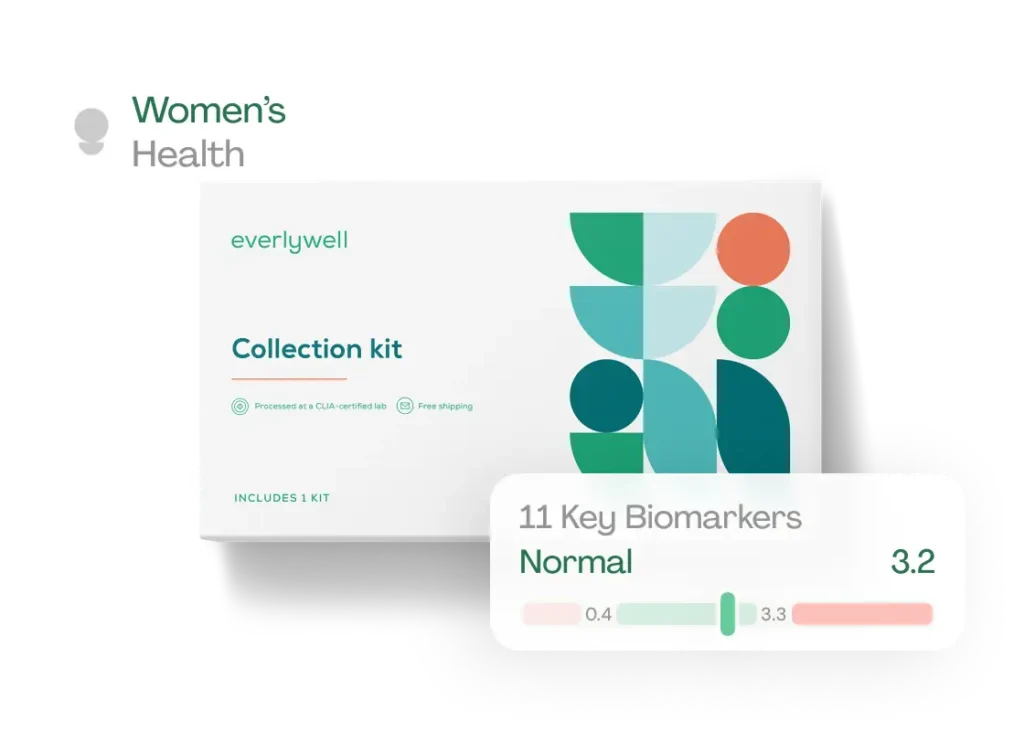
Recommended Product: At Home Women’s Health Test Kit for Perimenopause
Sleep Disruption Affects Everything
Sleep disruption is one of the most common and debilitating symptoms women experience during their forties and beyond. The causes are multifaceted. Fluctuating hormones affect your body’s temperature regulation, triggering night sweats that wake you repeatedly.
Declining progesterone levels reduce the sleep-promoting effects this hormone naturally provides.
Increased stress and anxiety can make your mind race when you should be sleeping. And changes in circadian rhythm mean you might feel tired earlier in the evening but wake earlier in the morning than you’d like.
Poor sleep isn’t just frustrating. It cascades into every aspect of your health.
Sleep deprivation worsens insulin resistance, increases inflammation, elevates cortisol, reduces impulse control around food, reduces cognitive function, and lowers your resilience to stress.
When you’re not sleeping well, everything feels harder. The workout you could normally push through feels impossible.
The minor annoyance that you’d typically brush off becomes infuriating.
The healthy dinner you planned gets abandoned for takeout because you’re too exhausted to cook.
Creating an environment conducive to sleep becomes increasingly important. Your bedroom temperature should be cooler than you might naturally keep it, around 65-68 degrees Fahrenheit.
Fluctuating hormones make temperature regulation difficult, and starting out cool helps offset hot flashes that might wake you.
Invest in moisture-wicking sheets and sleepwear if night sweats are problematic. These materials pull moisture away from your skin so you’re not lying in damp fabric.
Light exposure timing matters tremendously for circadian rhythm regulation. Get bright light exposure, preferably natural sunlight, within the first hour of waking.
This helps set your internal clock and promotes alertness during the day.
Conversely, dim lights in the evening hours and minimize blue light exposure from screens in the two hours before bed. If you must use devices, use blue light filtering settings or wear blue light blocking glasses.
Magnesium supplementation, particularly magnesium glycinate taken about an hour before bed, supports both sleep quality and muscle relaxation. Many women are deficient in magnesium, and supplementation often improves sleep latency and depth.
Start with 200-400mg and adjust based on results.
Some forms of magnesium cause digestive upset or loose stools, but glycinate is generally well-tolerated.
Alcohol, despite making you feel initially sleepy, significantly disrupts sleep architecture and worsens night sweats. Even small amounts consumed hours before bed can fragment your sleep during the second half of the night.
If sleep is a major issue, consider eliminating alcohol for several weeks to assess whether it’s contributing to the problem.
Many women are resistant to this suggestion because they enjoy their evening wine, but the sleep improvement they experience when they actually try it often surprises them.
Managing Stress Before It Manages You
Your stress response system functions differently now than it did in your twenties and thirties. You might notice that you don’t bounce back from stressful situations as quickly, or that chronic low-level stress affects you more profoundly than acute stress once did.
This reflects physiological changes in how your body handles stress hormones.
Cortisol, your primary stress hormone, becomes dysregulated more easily during perimenopause and beyond. Chronic elevation of cortisol contributes to abdominal weight gain, sleep disruption, insulin resistance, immune suppression, and accelerated aging.
The relationship between stress hormones and sex hormones means that when your stress response is constantly activated, it can worsen perimenopausal symptoms.
Your body will prioritize making stress hormones over sex hormones when resources are limited.
You need stress management practices that are genuinely restorative, not just another item on your to-do list. Meditation and mindfulness practices consistently show benefits for stress reduction, but they need actual consistency to be effective.
Even five minutes daily of focused breathing or meditation provides measurable benefits.
Apps can guide you initially, but ultimately, you want a practice you can access anytime, anywhere, without needing technology.
Adaptogenic herbs like rhodiola, ashwagandha, and holy basil help modulate the stress response and support adrenal function. These aren’t stimulants.
They help your body adapt to stress more efficiently and recover more completely.
Ashwagandha in particular has research supporting its use for reducing anxiety and improving sleep quality in perimenopausal women. Typical dosing ranges from 300-600mg daily of standardized extract.
Time in nature provides stress reduction that goes beyond simple relaxation. Forest bathing or simply spending time outdoors in green spaces reduces cortisol, lowers blood pressure, and improves mood markers.
This reflects genuine physiological restoration, not just feeling pleasant.
Even twenty minutes outside in a park or natural setting creates measurable changes in stress hormone levels.
Setting boundaries becomes increasingly essential. Many women in their forties are managing careers, aging parents, and children or stepchildren simultaneously.
The sandwich generation experiences unique stress, and attempting to meet everyone else’s needs while neglecting your own creates unsustainable patterns.
Practice saying no to commitments that don’t align with your priorities or capacity. This feels uncomfortable initially, especially if you’ve spent decades being the person everyone relies on, but it becomes easier with practice.
People Also Asked
At what age does perimenopause start?
Perimenopause typically starts in your early to mid-forties, though it can begin as early as your late thirties for some women. The average age is around forty-four, but timing varies significantly based on genetics, lifestyle factors, and overall health.
Women who smoke tend to enter perimenopause earlier, while those with higher body weight may start later.
How much protein should a woman over 40 eat daily?
Women over forty should aim for 1.2 to 1.6 grams of protein per kilogram of body weight daily, which translates to roughly 80-110 grams for a 150-pound woman. This increased amount compared to younger women helps preserve muscle mass and supports metabolic health during hormonal changes.
Can strength training actually build bone density after 40?
Yes, strength training can maintain and even increase bone density after forty. The mechanical stress from lifting weights signals your bones to become stronger and denser.
Studies show that postmenopausal women who engage in regular resistance training can increase bone mineral density, particularly in the spine and hips.
What are the first signs of perimenopause?
The first signs of perimenopause often include irregular periods, either shorter or longer cycles, changes in flow, night sweats, difficulty sleeping, mood changes, and brain fog. Many women also notice their PMS symptoms intensifying or changing.
These symptoms reflect fluctuating hormone levels as opposed to a steady decline.
Does magnesium help with sleep during menopause?
Magnesium, particularly magnesium glycinate, helps many women improve sleep quality during menopause and perimenopause. It supports muscle relaxation and has calming effects on the nervous system.
A typical dose of 200-400mg taken about an hour before bed can improve both sleep latency and sleep depth.
Should I take hormone replacement therapy?
Hormone replacement therapy can be highly effective for managing perimenopausal and menopausal symptoms, particularly when started within ten years of menopause onset. Current research shows that for most women in this timeframe, the benefits outweigh the risks.
However, person factors like personal and family medical history affect whether HRT is appropriate for you.
How can I prevent weight gain during menopause?
Preventing menopausal weight gain needs increasing protein intake, engaging in regular strength training to preserve muscle mass, managing stress to control cortisol, improving sleep quality, and focusing on whole foods as opposed to processed options. The combination of declining estrogen and muscle loss drives metabolic changes that need these specific interventions.
What causes night sweats in your 40s?
Night sweats in your forties typically result from fluctuating estrogen levels during perimenopause, affecting your body’s temperature regulation. The hypothalamus, which controls body temperature, becomes more sensitive to small changes when estrogen levels are unstable, triggering inappropriate cooling responses, including sweating.
Key Takeaways
Your body’s changing requirements after forty create an opportunity to build health practices that will serve you for decades. Increased protein intake and consistent strength training preserve muscle mass and bone density while supporting metabolic health.
Understanding that perimenopause creates hormonal fluctuations, not a steady decline, helps you manage symptoms more effectively and seek appropriate support when needed. Sleep quality affects every health domain, making it worth prioritizing through environment optimization, light exposure timing, and addressing specific disruptors like alcohol or night sweats.
Cardiovascular risk rises as estrogen’s protective effects reduce, making prevention through exercise, nutrition, stress management, and appropriate screening essential now as opposed to later.
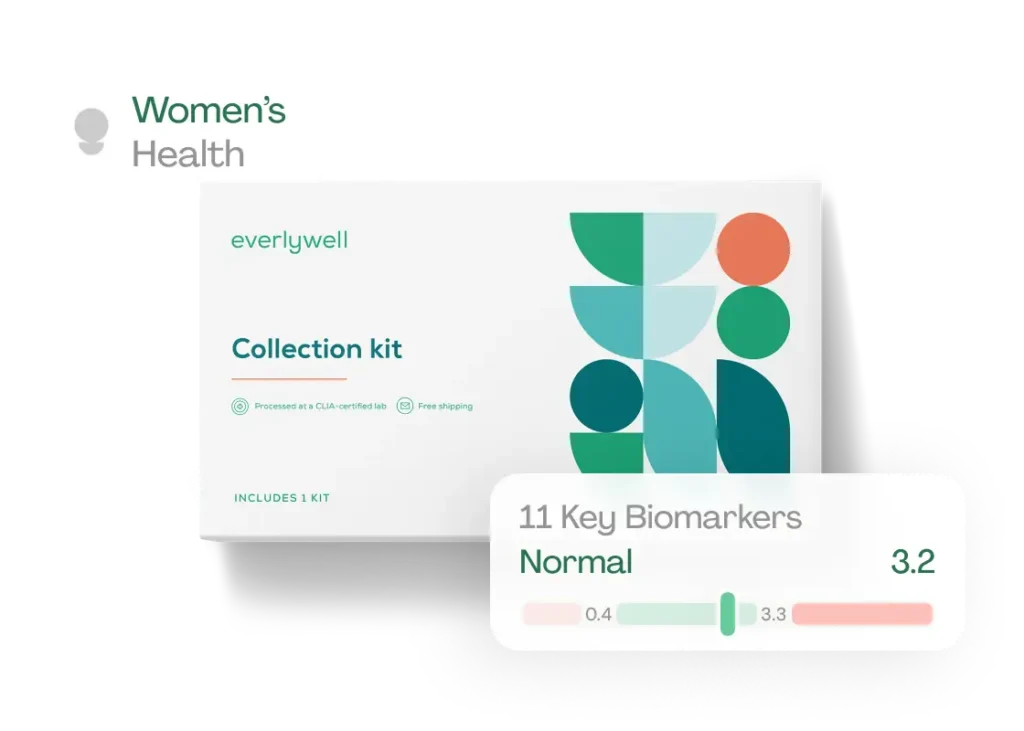
Recommended Product: At Home Women’s Health Test Kit for Perimenopause
Disclaimer
The information contained in this post is for general information purposes only. The information is provided by Wellness for Women Over 40 and while we endeavor to keep the information up to date and correct, we make no representations or warranties of any kind, express or implied, about the completeness, accuracy, reliability, suitability or availability with respect to the website or the information, products, services, or related graphics contained on the post for any purpose.