
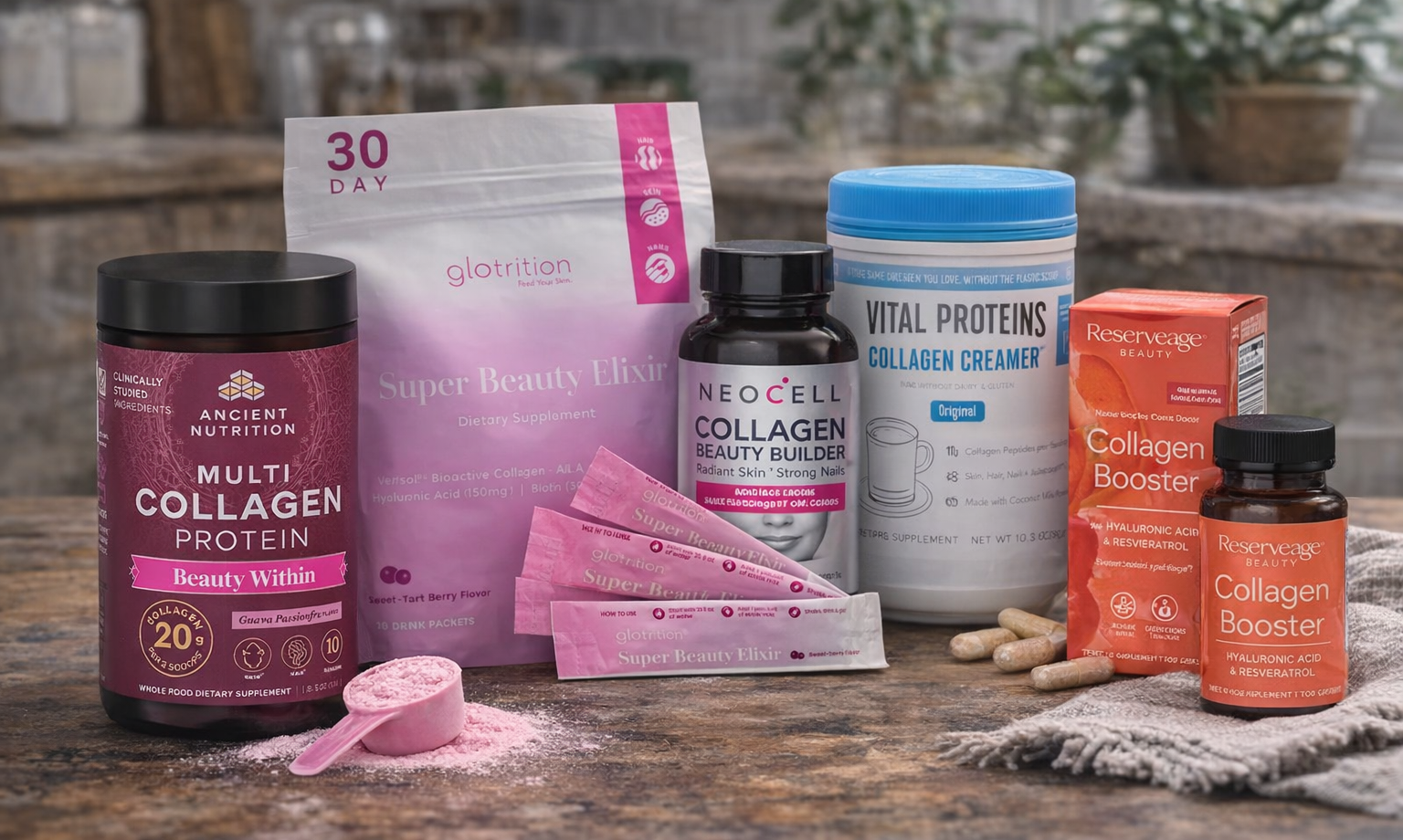
Walk into any supplement store and you’ll find shelves packed with collagen powders and magnesium pills, each promising to improve your skin, strengthen your bones, or restore your youthful vitality. The marketing is everywhere, but the real question is whether these supplements actually deliver on their promises.
Some claims hold up surprisingly well under scientific scrutiny, while others rest on shakier ground.
If you’re considering adding these supplements to your routine, you deserve to know what the evidence actually says and how these two compounds work in your body.
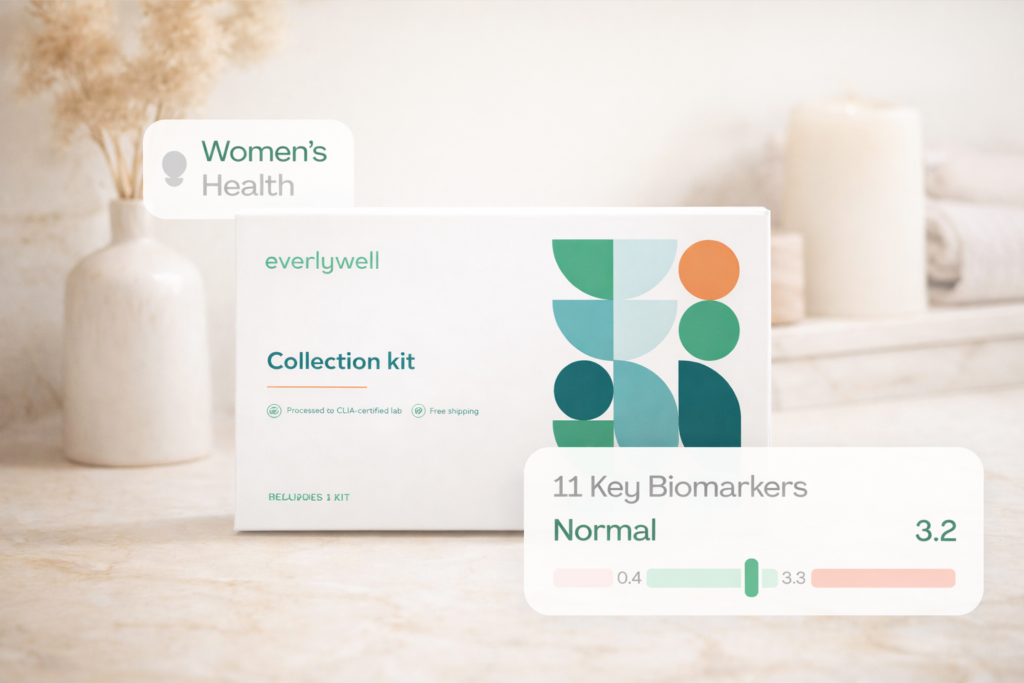
Everlywell Women’s Health Test – At-Home Screening
Wondering about your hormonal health, reproductive wellness, or perimenopause symptoms? This at-home test provides insights into key hormones affecting your overall health, all from the comfort of your home.
- ✔ Measures estradiol, progesterone, FSH, and LH
- ✔ CLIA-certified lab analysis
- ✔ Physician-reviewed, easy-to-read results
- ✔ Simple finger-prick blood sample from home
FSA/HSA eligible • Test from home • Personalized hormone insights
Understanding What Collagen and Magnesium Actually Do
Let me start with what these substances really are, because understanding their basic roles changes how you think about supplementation. Collagen is actually 27 different proteins naturally present throughout your body, continuously regenerating and breaking down in a complex dance of renewal.
These proteins form the structural framework for your skin, bones, tendons, and cartilage. In your bones specifically, collagen makes up roughly 90% of the total mass, which gives you some sense of just how foundational this protein is to your physical structure.
Magnesium operates on a completely different level. This mineral participates in over 300 biochemical processes throughout your body, from energy production to DNA repair to nervous system regulation.
When you think about magnesium, you’re really thinking about a master switch that influences how hundreds of other systems function.
Magnesium enables the machinery that builds and maintains everything else, while collagen provides the actual building blocks.
After age 30, your body’s ability to produce collagen decreases significantly. This decline speeds up with each passing year as opposed to dropping off suddenly.
The visible signs show up as wrinkles, sagging skin, joint stiffness, and potentially decreased bone density.
Meanwhile, magnesium deficiency stays surprisingly common in modern diets, which means many people are already operating below optimal levels for the hundreds of processes this mineral supports. Soil depletion and modern agricultural practices have reduced the magnesium content of many foods compared to historical levels, making dietary intake less reliable than it once was.
The Cortisol-Collagen Connection Nobody Talks About
One of the most fascinating aspects of magnesium supplementation is its relationship with stress hormones, and this creates an indirect but powerful connection to collagen preservation. Magnesium regulates cortisol, your primary stress hormone.
When cortisol levels stay chronically elevated, something increasingly common in our high-stress modern world, your body literally breaks down collagen faster than it can rebuild it.
This creates a destructive cycle where stress speeds up aging at the structural level, going far beyond surface damage.
Supplementing with collagen while ignoring stress management means you’re trying to rebuild a protein structure while stress hormones actively tear it down. Magnesium interrupts this cycle by lowering cortisol levels and supporting nervous system function, which makes the combination of these two supplements theoretically valuable.
You’re simultaneously reducing the breakdown rate and supporting the rebuilding process.
The inflammation connection runs deeper than most people realize. Magnesium’s antioxidant properties boost glutathione production, which neutralizes free radicals that speed up aging.
At the same time, it participates in DNA repair mechanisms that help your cells recover from environmental damage.
This extends beyond looking younger and focuses on supporting the molecular-level processes that decide how well your body maintains and repairs itself over time. When inflammation stays chronically elevated, collagen structures throughout your body take damage that accumulated supplementation alone can’t fully address.
Managing inflammation through multiple pathways creates the foundation for any collagen-building strategy to actually work.
Bone Health Goes Beyond Calcium
Most people think about calcium when they think about bone health, but that’s really only part of the story. Magnesium ions actually bind to collagen in your bones and activate osteoblasts, which are the specialized cells responsible for building new bone tissue.
Without adequate magnesium, calcium can’t properly combine into the bone matrix, and you end up with brittle bones regardless of how much calcium you consume.
The research on collagen supplementation for bone health is actually pretty compelling, particularly for postmenopausal women who face accelerated bone loss. A 2018 randomized controlled study by König and colleagues found that specific collagen peptides significantly increased bone mineral density and improved bone health markers after 12 months of supplementation.
What makes this particularly noteworthy is that the study focused on a population at high risk for fractures, where the intervention could have meaningful clinical significance.
Even more interesting is the four-year longitudinal study that tracked 31 women taking 5 grams of collagen daily. The results showed progressive increases in bone density as opposed to quick improvement followed by a plateau.
Spine bone mineral density increased by 5.79-8.16%, while femur density improved by 1.23-4.21%.
These are genuinely substantial changes that could translate to meaningful differences in fracture risk. Hip fractures in elderly populations often lead to severe complications, loss of independence, and increased mortality risk, so even modest reductions in fracture risk carry significant real-world implications.
This progressive improvement pattern reveals something important about how collagen supplementation works for bone health: the benefits accumulate gradually over years as opposed to appearing immediately. You won’t see dramatic changes after a few weeks or even a few months.
The benefits build slowly over years, which means patience is actually a critical factor in whether supplementation will work for you.
Most people give up long before they’d see these kinds of results, which is why short-term trials often fail to capture the full picture of potential benefits.
Joint Support for Athletes and Arthritis
The joint health claims around collagen get thrown around constantly, but the evidence base is actually more mixed than the marketing suggests. For people with osteoarthritis, hydrolyzed collagen appears to show particular promise.
The theory is that these collagen peptides support cartilage regeneration and strengthen tendons, which can reduce joint stiffness and improve mobility over time.
Athletes seem to respond particularly well to collagen supplementation, which is really interesting from a mechanistic perspective. Physical stress on joints appears to create an optimal environment for collagen supplementation to show effectiveness.
When your body is actively repairing joint wear from exercise, providing it with extra collagen peptides may support that natural repair process more effectively than it would in someone leading a sedentary lifestyle.
That said, researchers consistently note that while there’s some supporting evidence, the quality and quantity of studies stay limited. The theoretical logic makes sense because you’re providing building blocks for tissue repair, but whether oral collagen supplements actually make it to the joints in meaningful quantities is still debated. When you consume collagen, it doesn’t magically travel directly to your knees or shoulders. Instead, it gets broken down into peptides that may stimulate your body’s own collagen synthesis machinery to work harder.
You’re not replacing collagen directly but rather potentially signaling your body to produce more of its own. This mechanism means the amino acid profile of the collagen you consume matters less than whether those peptides can trigger the right signaling pathways.
Your body uses the signal to ramp up its own production using whatever amino acids are available from your overall protein intake, which suggests that collagen supplementation works best when your overall protein intake is already adequate.
Skin Elasticity and the Absorption Question
The skin health claims probably drive most collagen supplement sales, but this is where the evidence gets particularly murky. Some studies suggest that collagen supplementation can improve skin elasticity and reduce wrinkle appearance, but the scientific evidence base is still developing, and the quality of evidence varies considerably.
When you swallow collagen, it has to survive your stomach acid, get absorbed through your intestinal wall, enter your bloodstream, and somehow preferentially make its way to your skin to provide benefits. Skeptics reasonably question whether this chain of events actually happens in clinically meaningful ways.
The bioavailability question is real because just consuming something doesn’t mean your body can effectively use it.
However, hydrolyzed collagen peptides are specifically designed to address the absorption issue. These are collagen proteins that have been broken down into smaller peptide chains, which theoretically makes them easier to absorb.
Some research supports the idea that these peptides can indeed improve skin hydration and elasticity, though the effects tend to be modest as opposed to dramatic.
What I find particularly interesting is how magnesium factors into skin health through completely different pathways. By reducing stress-related inflammation through cortisol regulation, magnesium addresses breakouts and skin inflammation triggered by anxiety as opposed to just surface symptoms.
This suggests the combination works through complementary mechanisms where collagen potentially provides structural support while magnesium reduces inflammatory damage.
The timing of when you might see skin changes varies enormously between people. Some people report improvements in skin texture and hydration within four to six weeks, while others see nothing even after months of consistent use.
Your baseline skin condition, age, overall health, and environmental factors all play into whether you’ll be a responder or non-responder to collagen supplementation for skin health.
Forms and Dosing Considerations
Not all supplements are created equal, and this is particularly true for magnesium and collagen. Magnesium comes in several forms, and bioavailability varies considerably between them.
Magnesium glycinate is often considered one of the better-absorbed forms and tends to be gentler on the digestive system than magnesium oxide, which can cause digestive upset at higher doses.
The form matters because you want the magnesium to actually make it into your bloodstream as opposed to just passing through your system. Magnesium citrate offers good absorption and may have a mild laxative effect, which some people find helpful while others find inconvenient.
Magnesium threonate is newer and marketed specifically for brain health because it may cross the blood-brain barrier more effectively, though it’s also more expensive.
For collagen, hydrolyzed collagen peptides are generally considered superior to non-hydrolyzed forms because they’re already broken down into smaller chains that your body can more easily absorb. Marine collagen versus bovine collagen is another consideration because they contain different ratios of collagen types.
Marine collagen is primarily Type I, which is particularly good for skin, while bovine collagen contains Types I and III, which provides better diverse structural support throughout the body.
Dosing recommendations vary by purpose. For osteoarthritis support, studies have used doses around 6-9 tablets daily or a teaspoon of collagen powder with meals.
For bone health, 5 grams daily over extended periods showed those progressive improvements I mentioned earlier.
Magnesium dosing depends on your current intake from food and your individual needs, but many people take 200-400mg daily. Going too high with magnesium can lead to digestive issues and, in extreme cases, magnesium toxicity, particularly for people with kidney problems who can’t efficiently excrete excess magnesium.
The Vitamin C Cofactor Requirement
Vitamin C is essential for normal collagen formation, and your body can’t properly synthesize collagen without adequate vitamin C. This is why sailors who developed scurvy from severe vitamin C deficiency experienced tissue breakdown and loose teeth because their bodies literally couldn’t maintain collagen structures.
Collagen supplementation works best when paired with adequate vitamin C intake. Some collagen supplements include vitamin C for this reason, but you can also ensure adequate intake through diet by consuming citrus fruits, berries, bell peppers, and other vitamin C-rich foods.
The synergy between vitamin C and collagen extends beyond being complementary because vitamin C is biochemically essential for the process of collagen synthesis to occur.
Beyond just collagen formation, vitamin C also plays crucial roles in maintaining healthy cartilage, bones, gums, skin, and teeth. The combination of vitamin C, magnesium, and collagen creates a more comprehensive support system than any single nutrient alone, which is why many formulations now mix all three.
Taking collagen without adequate vitamin C means you’re providing raw materials that your body can’t effectively use. The hydroxylation reactions that stabilize collagen molecules need vitamin C as a cofactor, so deficiency at this step creates weak, unstable collagen structures even when plenty of amino acids are available.
Cost-Benefit Analysis and Dietary Alternatives
Collagen supplements are relatively expensive compared to getting adequate protein through regular food. A quality collagen supplement can run $30-50 per month or more, and magnesium adds to that expense.
For many people, this represents a significant ongoing investment that needs to be justified by actual benefits.
The simpler approach is ensuring adequate intake of the nutrients your body needs to produce its own collagen. Consuming enough protein (which provides amino acids), vitamin C (essential for collagen synthesis), vitamin D, zinc, and copper through whole foods supports your body’s natural collagen production without supplementation.
Bone broth is rich in natural collagen, and foods like fish, chicken, eggs, and beans provide the amino acids your body needs to build collagen on its own.
Magnesium is found in foods like dark leafy greens, nuts, seeds, legumes, and whole grains. If you’re eating a varied diet rich in these foods, you may already be getting adequate magnesium without supplementation.
However, soil depletion and modern agricultural practices have reduced the magnesium content of many foods compared to historical levels, which is one reason deficiency has become more common despite adequate dietary variety.
The cost-benefit calculation ultimately depends on your individual circumstances. If you’re a postmenopausal woman concerned about bone density, the four-year study showing progressive BMD improvements might justify the cost.
If you’re a young person with no joint issues eating a nutrient-rich diet, supplementation may not provide meaningful benefits worth the expense.
Individual Variation and Response
Individual variation in response is enormous, and your genetics, current diet, lifestyle, stress levels, sleep quality, exercise habits, environmental exposures, and baseline health status all influence whether supplementation will provide noticeable benefits.
Some people report dramatic improvements in joint pain, skin appearance, and overall wellbeing within weeks of starting supplementation. Others take supplements consistently for months and notice absolutely nothing.
This variation doesn’t necessarily mean the supplements aren’t working at a cellular level because bone density changes, for example, wouldn’t be subjectively noticeable.
However, it does mean you shouldn’t expect universal results.
Age is a significant factor. The progressive collagen decline that speeds up after age 30 means supplementation may provide more noticeable benefits for older individuals who have experienced more significant natural decline.
Younger people with robust collagen production may not experience any subjective improvements because they’re starting from a higher baseline.
Gender differences also matter. Women experience accelerated collagen loss after menopause because of declining estrogen levels, which is why the postmenopausal studies showed such meaningful results.
Men experience more gradual decline and may not see the same magnitude of benefits, particularly for bone density.
What the Evidence Actually Shows
For bone health in postmenopausal women, there’s decent quality evidence showing that collagen peptide supplementation over 12 months to 4 years can produce measurable increases in bone mineral density. This comes from controlled studies tracking objective measurements over extended periods.
The effects are progressive and added, which means long-term commitment is essential.
For joint health and osteoarthritis, the evidence is more limited. Some studies show improvements in pain and function, but the overall quality of research stays moderate. Hydrolyzed collagen appears more effective than other forms, and athletes seem to respond better than sedentary people, but we need more rigorous research to draw firm conclusions.
For skin health, the evidence gets shakier. Some studies report improvements in elasticity and hydration, but these measurements are somewhat subjective, sample sizes are often small, and placebo effects are hard to rule out.
The quality and quantity of evidence supporting dramatic skin transformations simply aren’t there yet, despite what supplement marketing suggests.
For magnesium, the evidence supporting its role in muscle function, nervous system regulation, and hundreds of biochemical processes is solid. Magnesium deficiency definitely impairs multiple body systems, and correcting deficiency through supplementation produces measurable benefits.
Whether supplementation above baseline adequacy provides extra benefits is less clear.
The synergy between magnesium and collagen stays largely theoretical as opposed to proven. They address different physiological systems, which suggests they’re complementary as opposed to truly synergistic in the biochemical sense.
Frequently Asked Questions
Can magnesium help with bone density?
Yes, magnesium plays a critical role in bone health by helping calcium bind into the bone matrix and activating osteoblasts, the cells that build new bone tissue. Without adequate magnesium, calcium supplementation alone won’t effectively strengthen bones.
How long does it take for collagen supplements to work?
For bone density improvements, studies show progressive benefits over 12 months to 4 years of consistent daily supplementation. For skin and joint benefits, some people report changes within 4-8 weeks, though results vary significantly between people.
What type of magnesium is best absorbed?
Magnesium glycinate and magnesium citrate are generally considered the most bioavailable forms. Magnesium glycinate tends to be gentler on the digestive system, while magnesium oxide, though cheaper, has lower absorption rates and may cause digestive upset.
Does hydrolyzed collagen work better than regular collagen?
Hydrolyzed collagen peptides are broken down into smaller chains that are easier for your body to absorb. Studies showing positive results have primarily used hydrolyzed forms, making them the preferred choice for supplementation.
Can you take magnesium and collagen together?
Yes, there are no known negative interactions between magnesium and collagen supplementation. They work through different pathways in your body and may provide complementary benefits when taken together.
What foods naturally contain collagen?
Bone broth, chicken skin, fish skin, and pork skin are rich in natural collagen. Gelatin desserts also contain collagen.
However, getting therapeutic doses comparable to supplements through food alone can be challenging.
Does stress really break down collagen?
Yes, chronic stress elevates cortisol levels, which speeds up collagen breakdown throughout your body. This is why stress management is an important part of any strategy to maintain healthy collagen levels.
Is marine collagen better than bovine collagen?
Marine collagen is primarily Type I collagen, which is particularly useful for skin. Bovine collagen contains Types I and III, providing broader structural support. The “better” choice depends on your specific goals.
How much collagen should I take daily for bone health?
Studies showing bone density improvements used 5 grams of collagen peptides daily, taken consistently over multiple years. This is the dosage with the strongest evidence for bone health benefits.
Can magnesium help with sleep?
Magnesium promotes muscle relaxation and helps calm the nervous system, which can improve sleep quality when taken in the evening. Many people find it helpful for reducing nighttime muscle cramps and supporting better rest.
Key Takeaways
Collagen and magnesium supplementation shows the most compelling evidence for bone health in postmenopausal women, with studies demonstrating progressive increases in bone mineral density over four-year periods that could meaningfully reduce fracture risk.
The cortisol-collagen-stress connection means supplementing with collagen while ignoring chronic stress fights a losing battle, which makes magnesium’s cortisol-regulating properties particularly valuable as part of a comprehensive approach.
Individual variation in response is enormous, depending on genetics, age, baseline diet, lifestyle factors, and health status, so universal results shouldn’t be expected even with consistent supplementation.
For skin health claims, the evidence quality stays limited despite aggressive marketing, and distinguishing actual physiological effects from placebo responses stays challenging with current research.
Long-term commitment is essential because meaningful benefits need months to years of consistent supplementation as opposed to weeks, making patience as important as product choice.
Cost-benefit analysis matters significantly, and consuming adequate protein, vitamin C, vitamin D, and other nutrients through whole foods may be more cost-effective than supplementation for many people.
Quality differences between supplement brands are substantial, making third-party testing and certification important factors in product selection beyond just price and marketing claims.
Everlywell Women’s Health Test – At-Home Screening
Wondering about your hormonal health, reproductive wellness, or perimenopause symptoms? This at-home test provides insights into key hormones affecting your overall health, all from the comfort of your home.
- ✔ Measures estradiol, progesterone, FSH, and LH
- ✔ CLIA-certified lab analysis
- ✔ Physician-reviewed, easy-to-read results
- ✔ Simple finger-prick blood sample from home
FSA/HSA eligible • Test from home • Personalized hormone insights
Find out our Recommended Collagen Drinks for Women; visit: https://www.vitalwomenwellness.com/top-5-collagen-drinks-for-womens-wellness-boost-your-beauty-and-health/
Disclaimer
The information contained in this post is for general information purposes only. The information is provided by Why You Should Consider Magnesium and Collagen and while we endeavor to keep the information up to date and correct, we make no representations or warranties of any kind, express or implied, about the completeness, accuracy, reliability, suitability or availability with respect to the website or the information, products, services, or related graphics contained on the post for any purpose.