

The idea that what you’re experiencing right now might actually be perimenopause ~ and not stress, burnout, or “just getting older” ~ can feel both relieving and unsettling at the same time. And I’m not saying that every hot flash, sleepless night, or sudden mood shift automatically means hormones are the cause. But if you’ve been pushing through night sweats, brain fog, weight changes, or unpredictable emotions without truly understanding what’s happening inside your body, it’s important to realize that perimenopause isn’t something you just have to silently endure. It’s a biological transition that comes with real, explainable symptoms ~ and real tools that can help.
Taking a closer look at your changing hormones, sleep patterns, and stress tolerance might initially feel frustrating, especially if you’ve always been someone who could “handle everything.” You might even feel defensive at the idea that your body is shifting in ways you can’t control through sheer willpower alone. But if you keep treating perimenopause like something you should just power through ignoring exhaustion, dismissing mood swings, and blaming yourself for feeling off ~ you may miss the chance to actually feel better sooner.
I totally get how confusing it feels when symptoms seem to come out of nowhere. One week you’re sleeping fine, the next you’re wide awake at 3 a.m. drenched in sweat. You might notice your patience is shorter, your focus isn’t as sharp, or your weight is changing despite doing the same things you’ve always done. When you’ve tried surface solutions ~ more coffee, stricter diets, pushing harder ~ and still don’t feel like yourself, learning about perimenopause can feel both overwhelming and validating at the same time.
That’s a big reason why the books below aren’t organized as a one-size-fits-all solution. Instead, they form a spectrum: from science-backed guides that explain hormonal changes clearly, to practical lifestyle-focused books on sleep, nutrition, and stress support, to empowering reads that help you reframe this stage as a powerful transition rather than a decline.
Here’s a quick overview of how this collection works. You’ll find beginner-friendly books that explain symptoms like hot flashes, night sweats, brain fog, and mood changes in simple language. You’ll discover research-based guides that break down treatment options ~ from hormone therapy to nutrition and lifestyle shifts. And you’ll see empowering perspectives that help you navigate emotional and identity changes that often accompany midlife transitions.
Everlywell Women’s Health Test – At-Home Screening
Wondering about your hormonal health, reproductive wellness, or perimenopause symptoms? This at-home test provides insights into key hormones affecting your overall health, all from the comfort of your home.
- ✔ Measures estradiol, progesterone, FSH, and LH
- ✔ CLIA-certified lab analysis
- ✔ Physician-reviewed, easy-to-read results
- ✔ Simple finger-prick blood sample from home
FSA/HSA eligible • Test from home • Personalized hormone insights
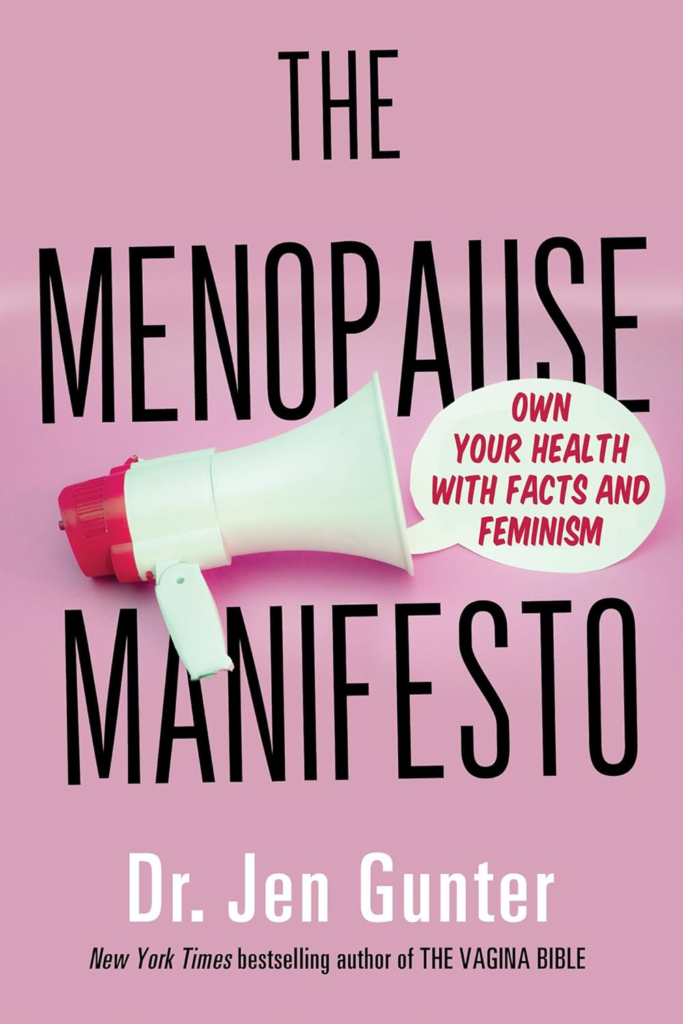
1. The Menopause Manifesto by Dr. Jen Gunter
Dr. Jen Gunter delivers a science-based, myth-busting guide to menopause and perimenopause with clarity and humor. She explains what’s happening hormonally, why symptoms like hot flashes and sleep disruption occur, and what treatment options actually work. Her straightforward tone helps you separate facts from internet fear, making this ideal if you want trustworthy medical information without jargon.
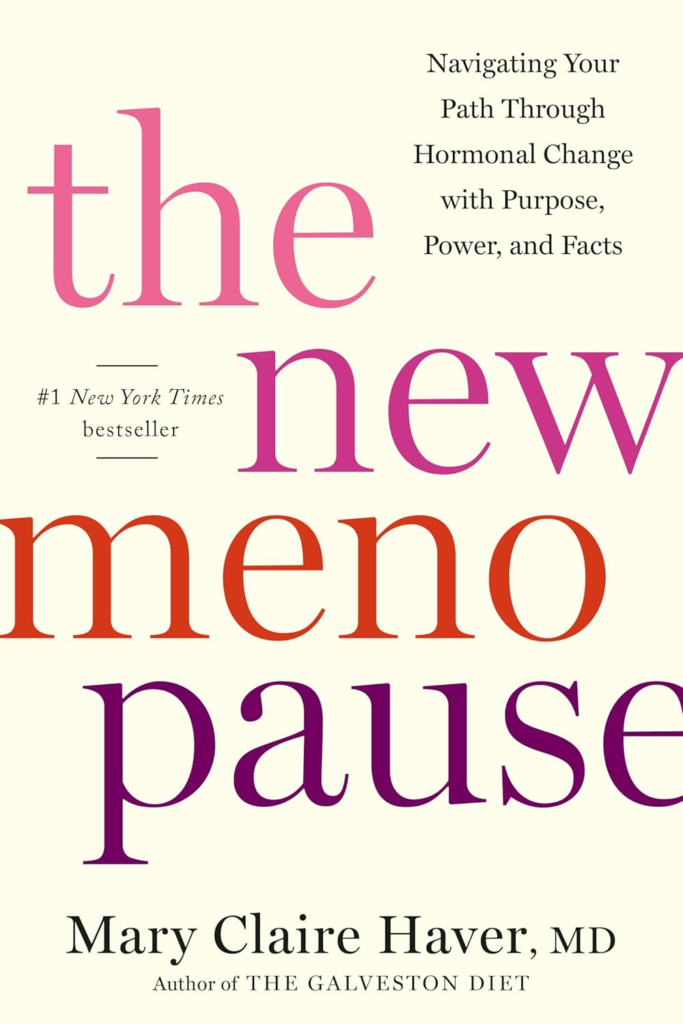
2. The New Menopause by Dr. Mary Claire Haver
This highly practical guide focuses on symptom relief through nutrition, lifestyle, and evidence-based hormone therapy insights. Dr. Haver explains how inflammation, insulin resistance, and hormonal changes interact during perimenopause. Her actionable strategies for energy, sleep, and weight changes make this especially helpful for women who want clear next steps.
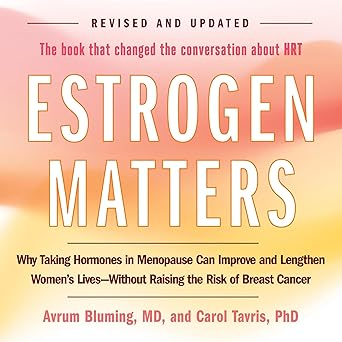
3. Estrogen Matters by Avrum Bluming, MD & Carol Tavris, PhD
This research-focused book dives deep into hormone therapy and addresses decades of confusion and fear surrounding estrogen. It explains the risks and benefits in clear language, helping readers make informed decisions with their healthcare providers. If you feel overwhelmed by conflicting advice about hormones, this book provides clarity grounded in scientific evidence.
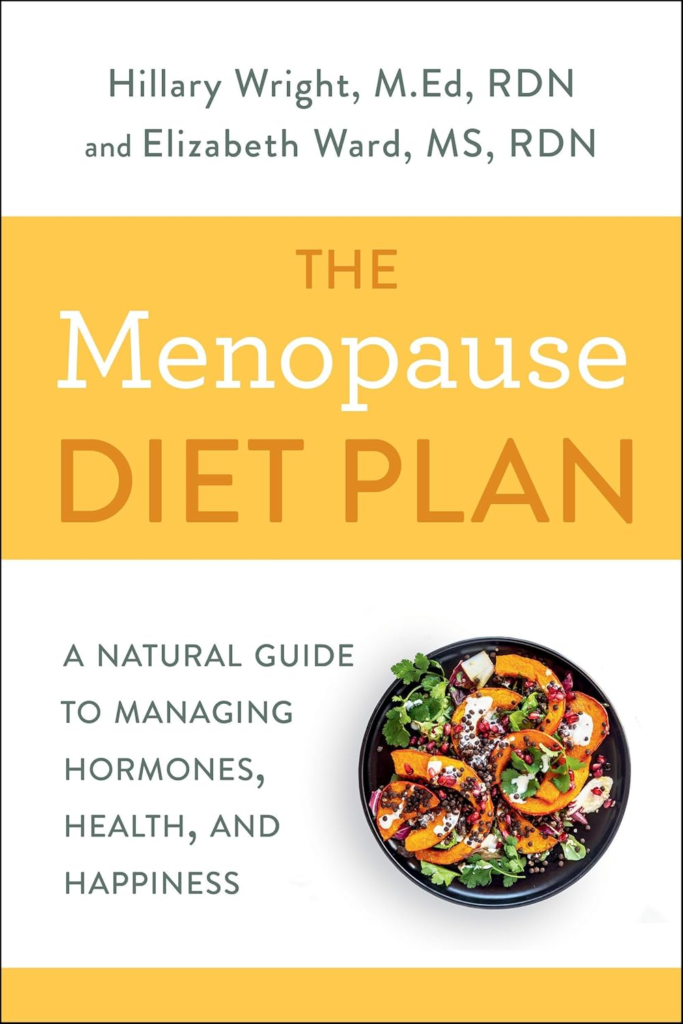
4. The Menopause Diet Plan by Hillary Wright & Elizabeth Ward
This book focuses on managing weight changes, energy dips, and metabolic shifts during perimenopause. It includes meal plans, nutrition strategies, and explanations of how hormonal fluctuations affect appetite and fat storage. The practical structure makes it especially useful if you feel frustrated by sudden body changes.
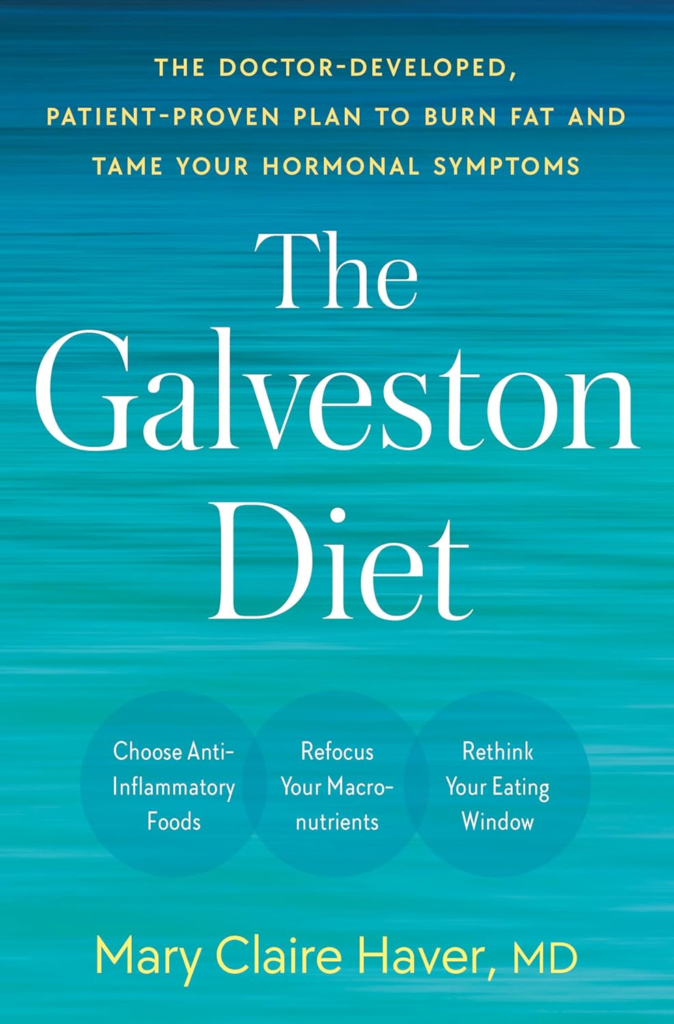
5. The Galveston Diet by Dr. Mary Claire Haver
Designed specifically for midlife hormonal changes, this book explains how intermittent fasting and anti-inflammatory nutrition can help manage hot flashes, fatigue, and stubborn weight gain. It provides clear steps for implementing dietary changes without extreme restriction.
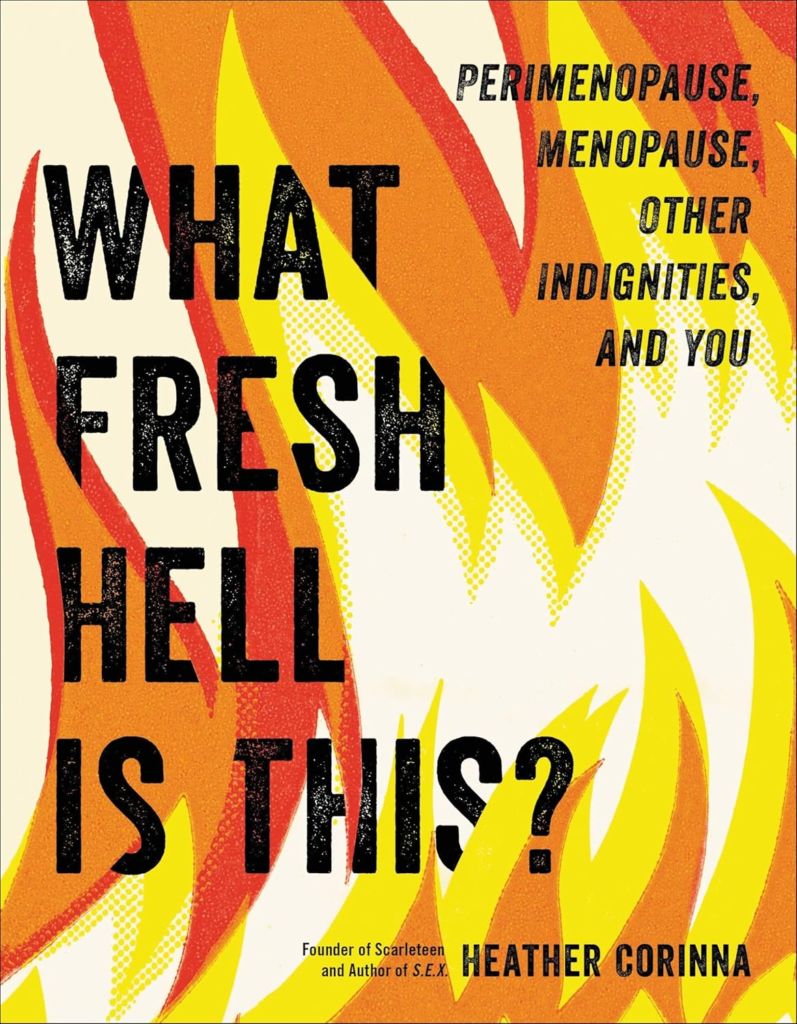
6. What Fresh Hell Is This? by Heather Corinna
Written with humor and compassion, this book normalizes the emotional rollercoaster of perimenopause. It blends science with relatable storytelling, helping readers understand mood shifts, anxiety spikes, and identity changes during midlife. It’s especially comforting if you feel alone or confused by what you’re experiencing.
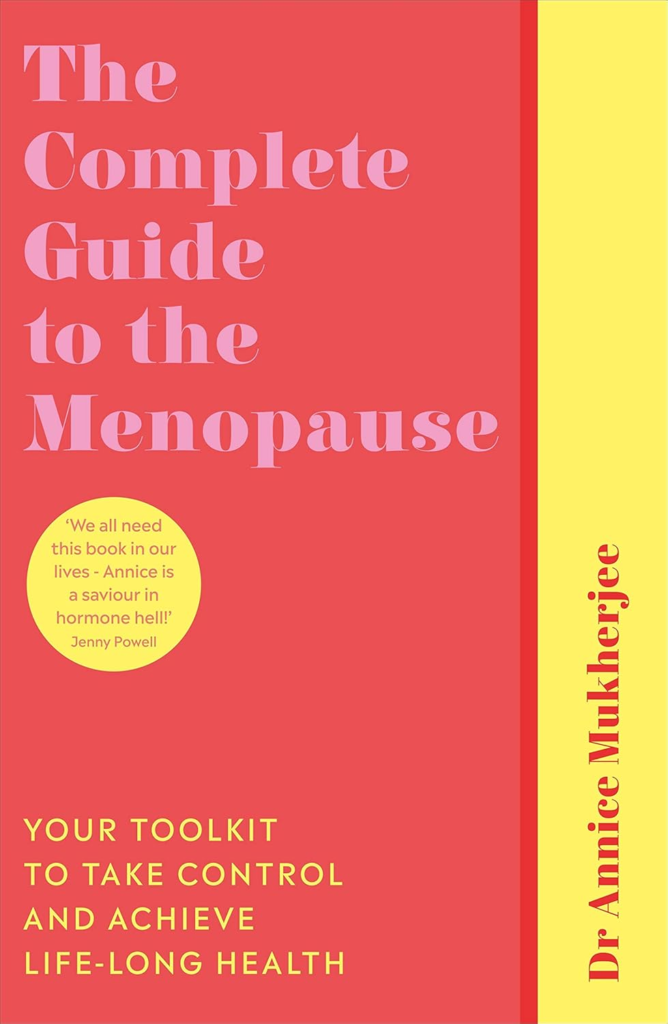
7. The Complete Guide to Menopause by Dr. Annice Mukherjee
This comprehensive guide covers everything from hormonal biology to mental health, sleep, and long-term health risks. Dr. Mukherjee combines medical expertise with lifestyle insights, making this a well-rounded resource for understanding both symptoms and solutions.
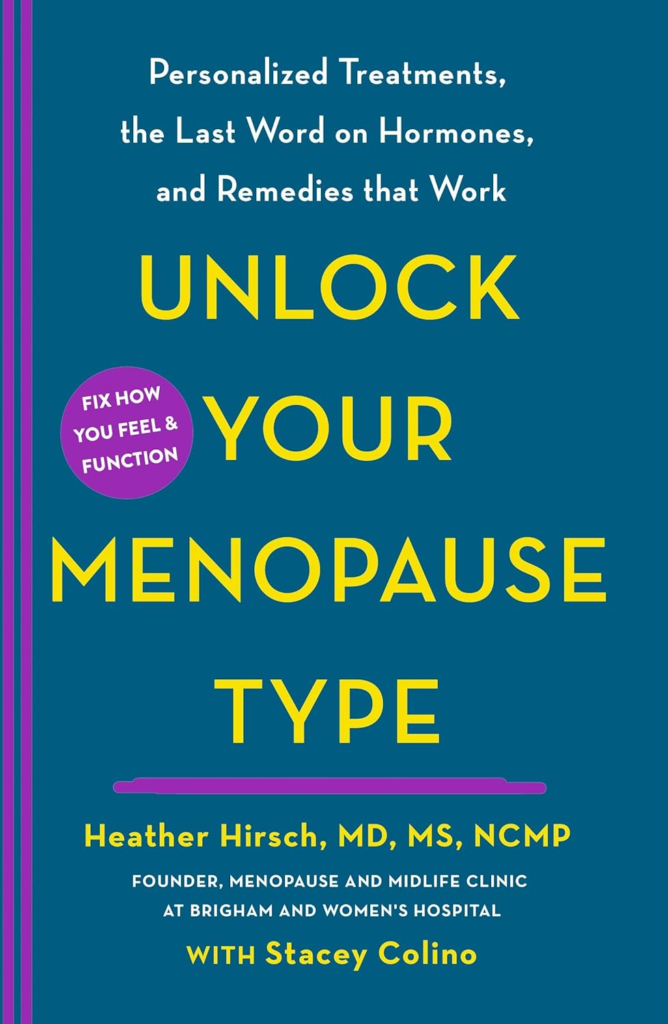
8. Unlock Your Menopause Type by Dr. Heather Hirsch
This book takes a personalized approach, helping readers identify their unique symptom patterns and treatment needs. It explains how genetics, stress, and lifestyle factors influence perimenopause experiences, offering tailored strategies rather than generic advice.
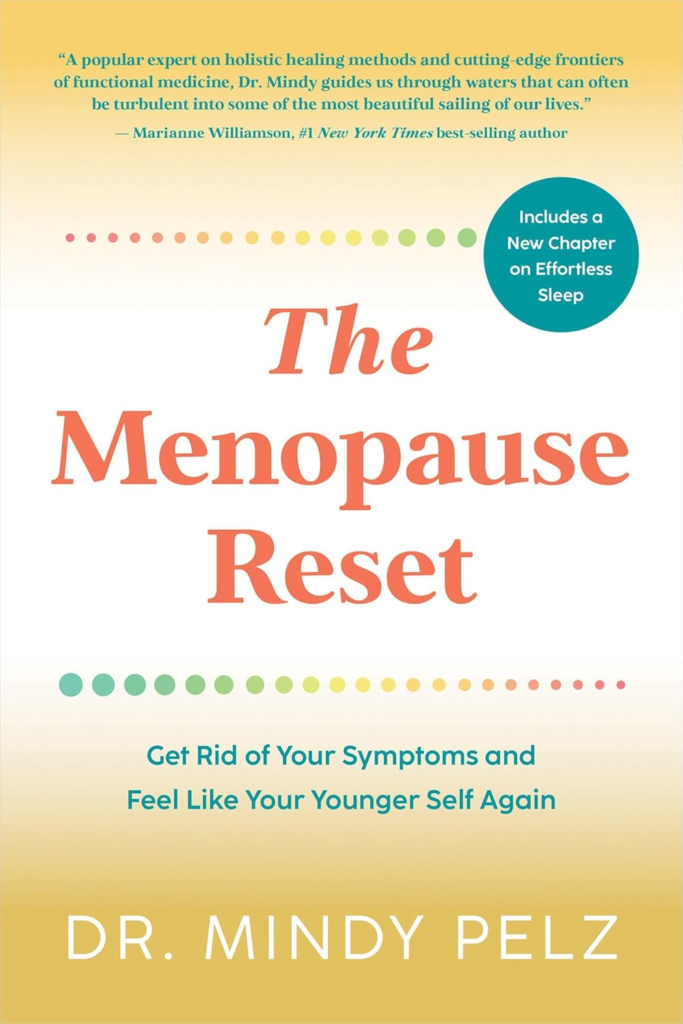
9. The Menopause Reset by Dr. Mindy Pelz
Focused on hormone balancing through fasting, nutrition, and lifestyle changes, this book explains how hormonal rhythms shift during perimenopause. It’s especially helpful for women experiencing fatigue, brain fog, and sleep disturbances.
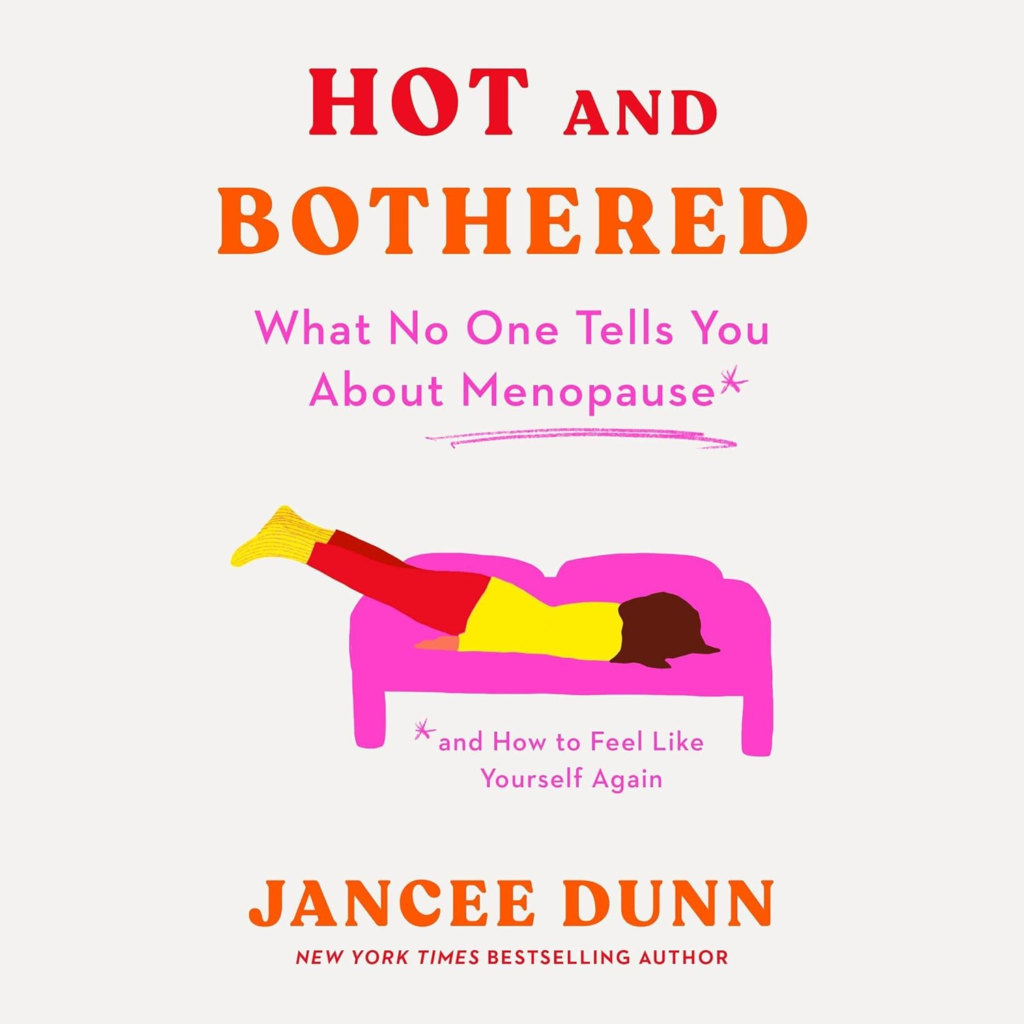
10. Hot and Bothered by Jancee Dunn
This candid and engaging book blends personal experience with expert insights on managing perimenopause symptoms. Dunn explores topics like libido changes, sleep struggles, and emotional shifts with humor and honesty, making it a reassuring read for those seeking relatable perspective.
Next steps
Choose one book that matches your biggest current struggle. If hot flashes and sleep disruption are your main concerns, start with science-focused guides like The Menopause Manifesto or The New Menopause. If weight changes and fatigue feel most frustrating, try nutrition-based books like The Menopause Diet Plan or The Galveston Diet.
Read one chapter at a time and focus on implementing just one small change ~ whether it’s improving sleep routines, adjusting nutrition, or tracking symptoms. Perimenopause improvements often come from gradual adjustments rather than drastic fixes.
If symptoms become severe ~ such as persistent insomnia, depression, or intense physical discomfort ~ consider speaking with a healthcare provider who specializes in menopause care. Books provide valuable education and support, but professional guidance ensures you receive personalized treatment when needed.
Frequently Asked Questions
How do you know if symptoms are perimenopause or just stress?
Perimenopause symptoms often follow hormonal patterns, such as irregular cycles, night sweats, sudden sleep disruption, and fluctuating mood without clear external triggers. Stress can overlap, but tracking symptoms alongside menstrual changes helps identify hormonal causes.
At what age should someone start learning about perimenopause?
Many women begin experiencing early perimenopause symptoms in their late 30s to early 40s, though it varies widely. Learning about it early helps you recognize changes sooner and seek appropriate support.
Can lifestyle changes really reduce symptoms?
Yes. Research shows that nutrition, sleep quality, exercise, and stress management significantly influence symptom severity. Many books in this list focus on these evidence-based strategies.
Do all women need hormone therapy?
No. Hormone therapy can be very effective for some symptoms but isn’t necessary for everyone. The best approach depends on your medical history, symptom severity, and personal preferences.
Why does brain fog happen during perimenopause?
Declining estrogen affects neurotransmitters and blood flow in the brain, which can impact memory, focus, and mental clarity. Understanding this helps reduce self-blame and guides supportive strategies.
How long does perimenopause usually last?
Perimenopause typically lasts 4–10 years before menopause is reached. Symptoms often fluctuate during this time rather than staying constant.
Can reading these books actually improve symptoms?
Education reduces fear and helps you make informed choices about treatment and lifestyle changes. Many readers report feeling more in control and less anxious once they understand what’s happening in their bodies.
Everlywell Women’s Health Test – At-Home Screening
Wondering about your hormonal health, reproductive wellness, or perimenopause symptoms? This at-home test provides insights into key hormones affecting your overall health, all from the comfort of your home.
- ✔ Measures estradiol, progesterone, FSH, and LH
- ✔ CLIA-certified lab analysis
- ✔ Physician-reviewed, easy-to-read results
- ✔ Simple finger-prick blood sample from home
FSA/HSA eligible • Test from home • Personalized hormone insights
Disclaimer
The information contained in this post is for general information purposes only. The information is provided by Best Perimenopause Books to Understand Symptoms + What Helps and while we endeavor to keep the information up to date and correct, we make no representations or warranties of any kind, express or implied, about the completeness, accuracy, reliability, suitability or availability with respect to the website or the information, products, services, or related graphics contained on the post for any purpose.