

Getting dressed should feel effortless, yet for people experiencing hot flashes, it can become a daily source of discomfort. Clothing that clings, traps heat, or restricts airflow can turn even routine moments into a struggle, with constant adjustments and sudden waves of warmth disrupting comfort and confidence.
Hot flashes are unpredictable, which makes clothing choices feel like a form of preparation ~ trying to anticipate sudden changes in body temperature and respond quickly when they occur.
While no outfit can eliminate hot flashes entirely, the right clothing choices can significantly improve how manageable they feel. Research and lived experience consistently show that fabric selection, layering strategies, and garment construction play a meaningful role in regulating comfort throughout the day.
The difference between enduring a hot flash in synthetic, non-breathable materials and managing one in thoughtfully chosen natural fabrics is substantial. Strategic clothing decisions can transform hot flashes from overwhelming disruptions into moments that are easier to navigate, supporting both physical comfort and self-assurance.
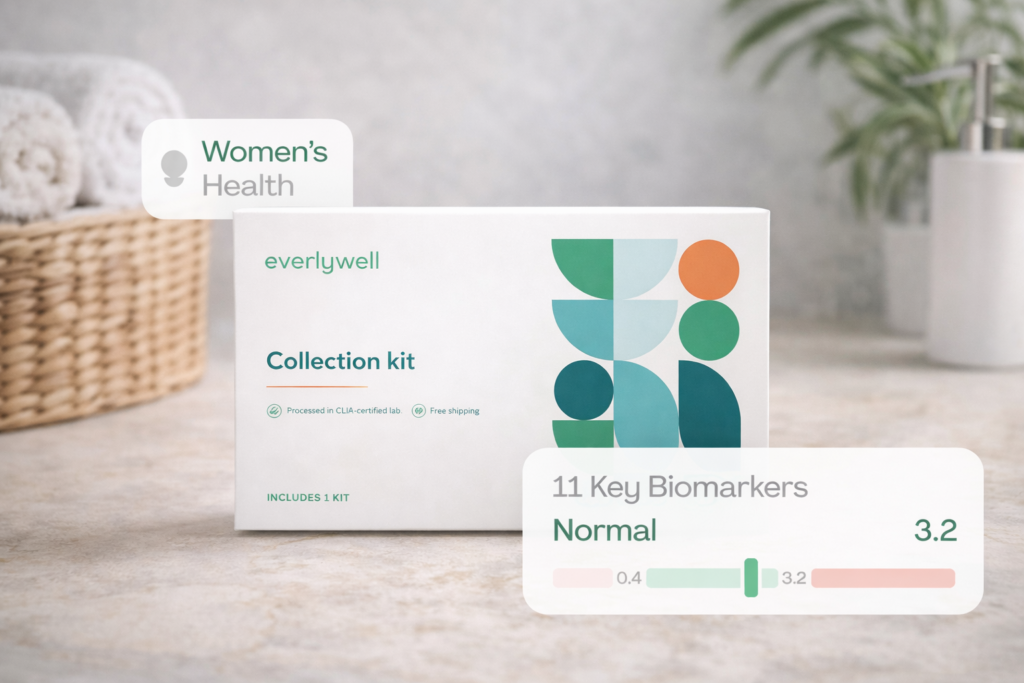
Everlywell Women’s Health Test – At-Home Screening
Wondering about your hormonal health, reproductive wellness, or perimenopause symptoms? This at-home test provides insights into key hormones affecting your overall health, all from the comfort of your home.
- ✔ Measures estradiol, progesterone, FSH, and LH
- ✔ CLIA-certified lab analysis
- ✔ Physician-reviewed, easy-to-read results
- ✔ Simple finger-prick blood sample from home
FSA/HSA eligible • Test from home • Personalized hormone insights
Understanding Fabric Science and Body Temperature
Before we dive into specific clothing recommendations, you really need to understand what is actually happening during a hot flash and how fabric interacts with that process. When a hot flash hits, your body’s temperature regulation system goes haywire.
Blood vessels near your skin’s surface dilate rapidly, heat floods to your skin, and you start sweating as your body desperately tries to cool down.
The fabrics touching your skin during this process can either help or hinder your body’s natural cooling mechanisms. Breathable fabrics allow air to circulate near your skin and let moisture vapor escape.
Moisture-wicking fabrics actively pull sweat away from your skin’s surface and spread it across a larger area where it can evaporate more quickly.
The evaporation process itself creates a cooling effect. This is exactly what your body is trying to achieve.
Here is where it gets interesting: not all natural fabrics are created equal, and the weave structure matters just as much as the fiber content. A tightly woven 100% cotton shirt might technically be natural, but it can trap heat almost as effectively as synthetic materials.
Meanwhile, a loosely woven cotton with an open structure allows air to flow through, creating a completely different wearing experience.
The real challenge is that conventional fashion advice often leads us astray. We have been told for years that cotton is always the answer for hot weather and sweating.
While cotton does have its place, it is not the universal solution for hot flashes that most people assume.
Hemp and Linen Blends: The Superior Choice
Let me start with what I consider the absolute gold standard for hot flash management: hemp and linen blends. A 55% hemp and 45% cotton blend combines the best properties of both fibers in a way that is really remarkable.
Hemp has naturally occurring spaces in its fiber structure that allow exceptional air flow. It absorbs moisture quickly and releases it rapidly, so you don’t end up feeling clammy.
The cotton component adds softness and familiarity while helping to wick moisture away from your skin.
Similarly, a 55% linen and 45% cotton blend offers outstanding performance. Linen has been used in hot climates for thousands of years for good reason.
It has the lowest heat retention of almost any fabric.
When you hold quality linen up to the light, you can actually see the loose, irregular weave that allows air to pass through freely. That slight texture and crispness you feel in linen creates tiny air pockets that facilitate cooling.
The challenge with pure linen or pure hemp is that they can wrinkle excessively and sometimes feel stiff initially. The cotton blend softens this effect while maintaining most of the cooling properties.
These blends also tend to improve with washing, becoming softer and more comfortable over time without losing their functional benefits.
Look for garments labeled as hemp-cotton or linen-cotton blends when shopping. Pay attention to the percentages if listed. Blends with 50% or more of the cooling fiber (hemp or linen) will perform significantly better than those with just 20% or 30%.
Tencel and Merino Wool: The Unexpected Champions
Now here is where things get counterintuitive. Tencel, which is a form of lyocell made from wood pulp, performs exceptionally well during hot flashes.
It has a smooth, cool-to-the-touch feel and manages moisture brilliantly.
Tencel fibers have tiny channels that allow moisture vapor to pass through, and the fabric can absorb up to 50% more moisture than cotton without feeling wet against your skin. When you wear Tencel during a hot flash, sweat gets pulled away from your body and dispersed through the fabric where it can evaporate efficiently.
And then there is Merino wool. Yes, wool.
I know this might sound completely insane for hot flashes, but I am talking about summer-weight Merino, not the thick, itchy sweaters your grandmother knitted. Merino wool fibers have a natural crimp that creates space for air circulation.
The fibers themselves can absorb significant moisture vapor before they feel wet. Merino also has natural temperature-regulating properties, helping you stay cool when it is hot and warm when it is cool.
The key distinction here is weight and weave. A lightweight Merino knit in an open structure works beautifully as a layer.
A thick, dense Merino sweater will absolutely make hot flashes worse.
This is where testing and personal experience become essential. What works depends on the specific garment construction, not just the fiber content.
Why Pure Cotton Falls Short
This might surprise you, but 100% cotton, despite its reputation, has serious limitations for managing hot flashes. Cotton is absorbent, really absorbent, which sounds good until you realize what that means in practice.
When you sweat during a hot flash, cotton soaks up that moisture and holds it against your skin. You end up feeling damp and clammy long after the hot flash has passed.
Cotton also dries slowly compared to other natural fibers. That wet cotton clinging to your skin can actually make you feel colder after the hot flash subsides, potentially triggering temperature fluctuations that lead to another hot flash.
You get stuck in a vicious cycle.
That said, cotton absolutely has its place in a hot flash wardrobe as an outer layer. When you wear cotton as your second or third layer, it can absorb moisture that has been wicked away from your skin by an inner layer, then release that moisture to the outside air where it evaporates.
This layering strategy uses cotton’s absorbency as an advantage as opposed to a liability. A cotton tunic worn over a Tencel camisole works beautifully because the Tencel handles the moisture next to your skin while the cotton manages the next stage of evaporation.
Synthetic Fabrics: The Heat Traps to Avoid
Polyester deserves its terrible reputation when it comes to hot flashes. Polyester is essentially plastic, derived from petroleum, and it acts like plastic wrap on your skin. Polyester doesn’t breathe, doesn’t absorb moisture, and traps heat with remarkable efficiency.
When you are wearing polyester during a hot flash, the heat and moisture your body is trying to release have nowhere to go. The moisture that your skin produces during a hot flash stays trapped between your skin and the polyester fabric, creating that horrible, sweaty, overheated feeling.
And because polyester doesn’t absorb moisture, you end up with actual drops of sweat rolling down your skin instead of being absorbed and evaporated.
Acrylic, most standard nylon, spandex, and synthetic fleece all share these heat-trapping properties. They might have their place in athletic wear specifically designed with moisture-wicking structures, but in regular clothing, they work against your body’s natural cooling mechanisms.
There is an important caveat here: some high-tech athletic fabrics use synthetic fibers in specialized weave structures that actually do wick moisture effectively. These are engineered specifically for performance and typically cost significantly more than regular polyester clothing.
If you are considering synthetic moisture-wicking garments, look for ones designed for serious athletic use, not just clothing that is marketed with athletic-sounding buzzwords. Check reviews from people who have actually tested the garments during intense physical activity.
Natural Fabrics That Still Trap Heat
Here is something that catches many people off guard: not all natural fabrics are suitable for hot flashes. Silk, despite being natural and having some moisture-wicking properties, tends to trap heat when worn as a main garment.
The smooth, dense weave structure of most silk clothing doesn’t allow much air circulation.
Thick cotton, like denim or heavy cotton twill, similarly traps heat despite being a natural fiber. Cotton flannel is obviously a no-go, as is thick traditional wool.
The fiber type matters, but the construction matters just as much.
A thick, dense fabric made from any fiber will trap heat more than a thin, open-weave fabric. This is why a lightweight linen shirt outperforms a heavy cotton t-shirt even though both are natural fibers.
When shopping, pay attention to fabric weight listed on tags or product descriptions. Look for terms like “lightweight,” “summer-weight,” or specific fabric weights measured in ounces per square yard.
Lighter weights generally perform better for hot flash management.
Garment Construction and Fit
Now let’s talk about something that doesn’t get nearly enough attention: how your clothes are actually constructed. You could have the perfect fabric, but if the garment is poorly designed, you will still suffer through hot flashes unnecessarily.
Armholes are absolutely crucial. Those tight, restrictive armholes in fitted tops and dresses prevent air circulation in one of the areas where you need it most. Your underarms have a high concentration of sweat glands, and they need space for air to circulate and moisture to evaporate.
Roomy, well-cut armholes allow your arms to move freely without creating that trapped, sweaty feeling. When I say roomy, I don’t mean sloppy or oversized. I mean armholes that are cut to allow air circulation without showing your undergarments.
This is actually a hallmark of quality garment construction that has become less common in mass-produced clothing. If you are having clothes tailored or made, specifically request larger, more comfortable armholes.
The overall silhouette matters tremendously as well. Loose, flowing fabrics create space between the fabric and your skin, allowing air to circulate freely.
This doesn’t mean you need to wear tent-like muumuus.
Structured garments with intentional drape work beautifully.
Think of a well-cut tunic that skims your body without clinging, or palazzo pants that flow as you walk.
Interestingly, form-fitting camisoles can work as base layers under looser tops. The key is that the camisole needs to be made from effective moisture-wicking fabric like Tencel or a hemp blend.
It pulls moisture away from your skin, and then the looser outer layer allows that moisture to evaporate while providing the silhouette you want.
Necklines That Keep You Cool
Necklines have a bigger impact on hot flash comfort than most people realize. When a hot flash hits, heat radiates from your chest, neck, and face.
High necklines, turtlenecks, roll-necks, and mandarin collars trap that heat right where you need to release it most.
Scoop necks and V-necks allow heat to escape freely from your chest and neck area. They also make you feel less constricted when that panicky, overheated feeling strikes.
The psychological component here shouldn’t be underestimated. When you feel like you can breathe and you are not being strangled by your clothing, you manage hot flashes more calmly.
If you love the look of higher necklines, consider styles with sheer panels or mesh inserts. These provide the visual line of a higher neck while still allowing air circulation.
This is particularly useful for professional settings where you might want a more covered look.
Boat necks work reasonably well because they expose the collarbone area, but V-necks and scoop necks perform better because they allow more ventilation down the front of your chest where heat tends to concentrate during hot flashes.
Strategic Sleeve and Pant Lengths
Three-quarter length sleeves offer a sweet spot for many women managing hot flashes. They provide more coverage than short sleeves while leaving your forearms exposed for cooling.
Your forearms have blood vessels close to the surface, and exposing them helps with overall temperature regulation.
Plus, three-quarter sleeves look polished and intentional as opposed to like you are just trying to stay cool.
For bottoms, cropped pants and palazzo pants both work well but for different reasons. Cropped pants expose your ankles and lower calves, which aids in cooling similar to three-quarter sleeves.
Palazzo pants, despite being full-length, have a wide, flowing leg that allows tremendous air circulation around your legs.
Both styles can look professional and put-together while keeping you cooler than traditional trousers.
Avoid skinny jeans and leggings made from non-breathable materials. These create a second skin effect that traps heat and moisture against your legs.
If you love the look of fitted pants, choose ones made from stretch cotton or technical fabrics designed for athletic performance.
The Art of Layering for Temperature Control
Layering is where clothing strategy for hot flashes becomes truly sophisticated. The goal is to create a system where you can adjust your temperature quickly while maintaining a polished appearance. This needs thinking about each layer’s specific function.
Your first layer, the one directly against your skin, should be lightweight and made from effective moisture-wicking fabric. This could be a Tencel camisole, a thin hemp-blend tank top, or even a summer-weight Merino wool underlayer.
Keep this layer loose to lightly hugging as opposed to skin-tight.
Its job is to pull moisture away from your skin quickly.
The second layer is where you use cotton, hemp, linen, or summer-weight Merino wool. This layer absorbs the moisture that has been wicked away from your skin by the first layer and helps it evaporate outward.
A loose cotton tunic over a Tencel camisole works brilliantly.
The cotton draws moisture from the Tencel and releases it to the air, while the Tencel prevents that clammy feeling directly against your skin.
The third layer should be something you can remove quickly and easily. A pashmina scarf, a lightweight linen cardigan, or a summer-weight wool shawl all work well.
These pieces should be substantial enough to provide warmth when you need it but light enough that removing them makes a noticeable difference in your temperature.
Here is a specific example of this layering system in action: Start with a Tencel camisole as your base. Add a loose, hip-length hemp-cotton blend tunic as your middle layer.
Top with a lightweight linen duster cardigan that you can shed immediately when a hot flash hits.
This combination looks intentional and stylish while giving you maximum temperature control.
If you are wearing rayon or modal (which is bamboo viscose), you absolutely need an effective second layer. These fabrics feel cool initially and have some moisture-wicking properties, but they need backup.
Pair rayon or modal with a hemp blend, linen blend, Tencel blend, or Merino wool outer layer that can manage the moisture and heat more effectively.
Color and Pattern Selection for Concealing Moisture
Let’s be honest about something that nobody really wants to talk about: visible sweat patches are a real concern during hot flashes. Strategic color selection can significantly reduce the visibility of moisture while you are dealing with a hot flash.
Grey marl or heathered grey is surprisingly terrible for concealing sweat. Wet patches show up dramatically on these colors.
Black conceals moisture exceptionally well, as do navy, deep purple, and dark brown.
On the lighter end, crisp white can work because wet patches are less visible than on medium tones.
Patterns deserve special mention here. All-over prints, especially busy patterns with many colors, camouflage moisture marks remarkably well.
A floral print, geometric pattern, or abstract design makes it nearly impossible to see damp patches.
This doesn’t mean you need to wear loud, bold prints if that’s not your style. Even subtle tone-on-tone patterns provide more camouflage than solid colors.
Texture also plays a role in visibility. Crinkled fabrics, seersucker weaves, and textured knits all hide moisture better than smooth, flat fabrics.
This is yet another reason why linen works so well.
Its natural texture and irregular weave make any damp spots far less noticeable.
Avoid mid-tone solid colors like light blue, tan, or medium grey if visible sweat is a concern for you. These colors show moisture most dramatically and can make you feel self-conscious during and after hot flashes.
Accessories That Work With Your Body
Silk scarves are genuinely useful tools for managing hot flashes, not just decorative accessories. Silk satin feels cool to the touch because it conducts heat away from your skin. When you are having a hot flash and your neck and chest feel flushed and overheated, you can press a silk scarf against your skin for instant cooling relief.
A silk scarf also provides flexibility in covering or exposing your neck and chest as your temperature fluctuates. You can drape it loosely for style when you are comfortable, then adjust or remove it entirely during a hot flash.
The lightweight nature means you can fold a silk scarf into a small square and keep it in your purse, ready to use strategically throughout the day.
Jewelry selection matters more than you might expect. Heavy necklaces resting against your neck and chest intensify that clammy, uncomfortable feeling during hot flashes.
The weight and heat retention of metal sitting on your skin genuinely makes things worse.
Opt for earrings, bracelets, or delicate necklaces that don’t rest heavily against your skin.
Cotton armpit pads are an old-fashioned solution that genuinely works for tailored garments where you can’t adjust the fit or fabric choice. You can purchase these ready-made or sew small cotton pads into the underarm area of jackets, blazers, and structured dresses.
They absorb moisture before it reaches the outer fabric, preventing visible sweat marks on garments where they would be particularly noticeable.
Testing Fabric Breathability
Here is a practical test you can use when shopping: hold the fabric up to a light source. The more light that passes through the fabric, the more breathable it will be.
This works in store lighting, sunlight from a window, or even your phone’s flashlight.
A densely woven or tightly knit fabric that blocks most light will trap heat regardless of what fiber it is made from.
The hand test is equally valuable. Run your hand across the fabric.
Does it feel stiff or plasticky?
Does it make a synthetic crunching sound? These are warning signs.
Quality natural fabrics feel soft or crisp (like linen) but not stiff or synthetic.
They drape and move naturally as opposed to holding a rigid shape.
You can also do a quick breathability test by holding the fabric against your mouth and trying to breathe through it. While you won’t be breathing through your clothes, this gives you an immediate sense of how much air can pass through the weave.
If you can’t breathe through it easily, air can’t circulate through it effectively.
Professional and Formal Wear Solutions
Professional settings present unique challenges when you are managing hot flashes. Business attire often involves fitted garments, closed necklines, and synthetic-blend fabrics.
But you are not stuck suffering through hot flashes just to look professional.
Consider having key pieces altered by a skilled tailor or dressmaker. Widening armholes in blazers and suit jackets makes a tremendous difference in comfort and doesn’t affect the external appearance at all.
Lowering a neckline by even an inch or two can significantly improve air circulation without making the garment look casual.
For formal dresses and eveningwear, look for styles that incorporate sheer panels strategically. A dress with a sheer yoke or illusion neckline gives the appearance of a higher neckline while allowing air circulation.
Sheer sleeves made from mesh or fine tulle provide coverage while keeping you cooler than solid fabric sleeves.
Structured garments made from high-quality linen or linen-cotton blends can look extremely professional while keeping you comfortable. The key is choosing pieces with enough structure in the cut and construction that the fabric’s natural tendency to wrinkle looks intentional as opposed to sloppy.
Tailored linen blazers, A-line linen dresses, and wide-leg linen trousers can all work in professional environments.
Frequently Asked Questions
What fabrics are best for hot flashes?
Hemp-cotton blends (around 55% hemp, 45% cotton), linen-cotton blends in similar proportions, Tencel (lyocell), and summer-weight Merino wool perform best for managing hot flashes. These fabrics combine excellent breathability with effective moisture-wicking properties, allowing your body to cool naturally during temperature spikes.
Can you wear cotton during hot flashes?
Yes, but cotton works better as a middle or outer layer as opposed to directly against your skin. Pure cotton absorbs moisture and holds it, which can leave you feeling damp and clammy. Pair cotton outer layers with moisture-wicking base layers made from Tencel or hemp blends for better temperature management.
Why does polyester make hot flashes worse?
Polyester is a synthetic fabric derived from petroleum that essentially acts like plastic wrap on your skin. It doesn’t breathe or absorb moisture, trapping heat and sweat between the fabric and your body. This prevents your natural cooling mechanisms from working effectively during hot flashes.
What type of sleeves are best for hot flashes?
Three-quarter length sleeves offer an excellent balance, providing coverage while exposing your forearms where blood vessels near the surface help regulate body temperature. Short sleeves and sleeveless options also work well, while long sleeves in breathable fabrics like lightweight linen can be acceptable if rolled up easily.
Does linen help with hot flashes?
Yes, linen is one of the best fabrics for managing hot flashes. It has the lowest heat retention of almost any fabric, features a loose irregular weave that allows exceptional air circulation, and absorbs then releases moisture quickly.
Linen-cotton blends (55% linen, 45% cotton) offer the benefits of linen with less wrinkling.
What colors hide sweat from hot flashes?
Black, navy, deep purple, and dark brown conceal moisture most effectively. Crisp white also works reasonably well.
Avoid mid-tone colors like light blue, tan, or heathered grey, which show sweat patches most dramatically.
All-over prints and patterns in many colors camouflage moisture better than solid colors.
Are V-neck shirts better for hot flashes?
Yes, V-necks and scoop necks allow heat to escape from your chest and neck area where it concentrates during hot flashes. High necklines, turtlenecks, and mandarin collars trap heat exactly where you need to release it most, making hot flashes feel more intense and uncomfortable.
Can you wear wool during menopause?
Summer-weight Merino wool in lightweight, open-knit structures actually performs well during hot flashes. Merino has natural temperature-regulating properties and wicks moisture effectively.
However, thick, dense wool sweaters will make hot flashes worse.
The key is choosing the right weight and weave of wool.
What is Tencel fabric good for?
Tencel (lyocell) is excellent for hot flash management because it wicks moisture exceptionally well, has a cool-to-the-touch feel, and can absorb up to 50% more moisture than cotton without feeling wet against your skin. Tencel works beautifully as a base layer directly against your skin.
Key Takeaways
Hemp-cotton blends (55% hemp, 45% cotton) and linen-cotton blends in similar proportions provide superior cooling and moisture management compared to pure cotton, which absorbs moisture but holds it against your skin, creating a clammy feeling that can trigger additional temperature fluctuations.
Strategic layering with a moisture-wicking base layer (Tencel or hemp blend), an absorbent middle layer (cotton or linen), and an easily removable outer layer gives you maximum temperature control while maintaining a polished appearance throughout hot flashes.
Garment construction matters as much as fabric choice, roomy armholes, loose silhouettes, scoop or V-necklines, and three-quarter sleeves all facilitate air circulation and heat release that fitted, high-necked garments prevent.
Polyester and most synthetic fabrics trap heat and moisture like plastic wrap on your skin, making hot flashes significantly worse, while some natural fabrics like thick cotton, silk, and heavy wool similarly trap heat despite being natural fibers.
Testing fabric breathability with light and touch before purchasing, choosing patterns and dark colors that conceal moisture, and using accessories like silk scarves provide practical solutions for managing the visible and physical effects of hot flashes while maintaining your personal style.
Everlywell Women’s Health Test – At-Home Screening
Wondering about your hormonal health, reproductive wellness, or perimenopause symptoms? This at-home test provides insights into key hormones affecting your overall health, all from the comfort of your home.
- ✔ Measures estradiol, progesterone, FSH, and LH
- ✔ CLIA-certified lab analysis
- ✔ Physician-reviewed, easy-to-read results
- ✔ Simple finger-prick blood sample from home
FSA/HSA eligible • Test from home • Personalized hormone insights
Find out our Recommended Cycle-Support Supplements; visit: https://www.vitalwomenwellness.com/the-best-cycle-support-supplements-complete-guide-to-protecting-your-health-on-cycle/
Disclaimer
The information contained in this post is for general information purposes only. The information is provided by Clothing Choices for Hot Flashes and while we endeavor to keep the information up to date and correct, we make no representations or warranties of any kind, express or implied, about the completeness, accuracy, reliability, suitability or availability with respect to the website or the information, products, services, or related graphics contained on the post for any purpose.