
The idea that recovery might now matter just as much as the workout itself can feel surprising to consider. And I’m not saying you’re doing anything wrong if you’ve been focusing mainly on lifting, cardio, or staying active. But if you’ve noticed that soreness lasts longer than it used to, that tightness shows up more easily, or that stiffness makes it harder to stay consistent, it’s important to realize that midlife bodies often need more intentional recovery support.
Taking a closer look at your current routine might feel frustrating, especially if you’ve always pushed through soreness in the past. The suggestion that you may need tools to help muscles relax, improve circulation, and support mobility can feel like admitting your body is “slowing down.” But if you keep ignoring recovery and relying only on rest days, you may find that stiffness builds up, workouts feel harder, and injuries become more likely.
I totally understand how overwhelming recovery tools can seem. Foam rollers, massage sticks, vibrating devices ~ it can be hard to know what actually helps versus what’s just fitness hype. And if you’ve tried rolling before and found it uncomfortable or confusing, choosing the right tool now might feel discouraging.
That’s exactly why the picks below aren’t presented as a one-size-fits-all solution. Instead, they range from beginner-friendly foam rollers for gentle muscle release, to targeted massage tools for stubborn tight areas, to softer options designed specifically for sensitive joints and midlife comfort.
Here’s how this collection works. You’ll find essential rollers for overall muscle recovery. You’ll see precision tools designed for hips, glutes, calves, and shoulders. And you’ll discover softer options that prioritize comfort while still improving circulation and mobility.
Everlywell 360 Full Body Test – 83 Biomarkers
Get a complete, high-level view of your health with one at-home test. This comprehensive panel measures 83 biomarkers across key health systems so you can spot trends, risks, and imbalances early.
- ✔ 83 biomarkers across metabolic, heart, thyroid, hormone & nutrient health
- ✔ CLIA-certified lab analysis
- ✔ Physician-reviewed results with clear explanations
- ✔ Simple at-home blood sample
FSA/HSA eligible • Comprehensive full-body insights
1. Amazon Basics High-Density Foam Roller
A simple, beginner-friendly roller that’s ideal if you’re just starting a recovery routine. Its medium firmness helps relieve general muscle soreness without being overly intense.
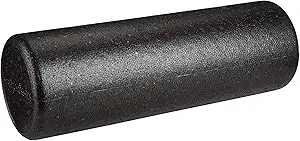
2. TriggerPoint GRID Foam Roller
One of the most popular rollers for targeted muscle release. Its textured surface mimics massage pressure, making it especially helpful for tight hips, glutes, and upper back.
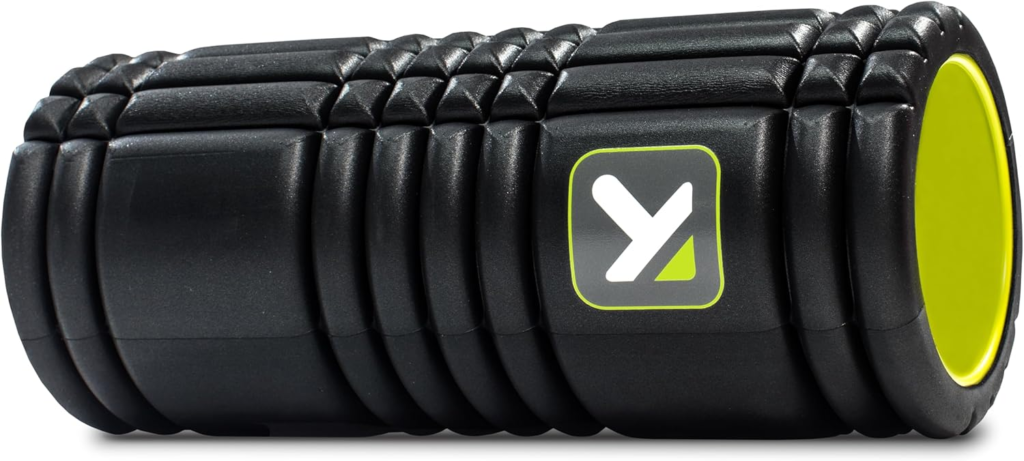
3. 321 STRONG Foam Roller
Designed for deeper tissue release, this roller works well for women who strength train regularly and need stronger pressure to relieve stubborn tightness.
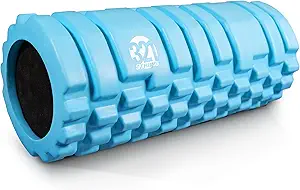
4. Yes4All High-Density Foam Roller
A budget-friendly option that still provides effective muscle release. It’s a good choice if you want a simple recovery tool without investing in advanced features.
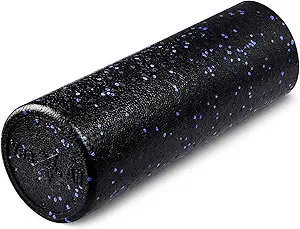
5. LuxFit Premium Foam Roller
This durable roller offers firm support for full-body recovery while maintaining a comfortable surface for sensitive areas like the lower back.
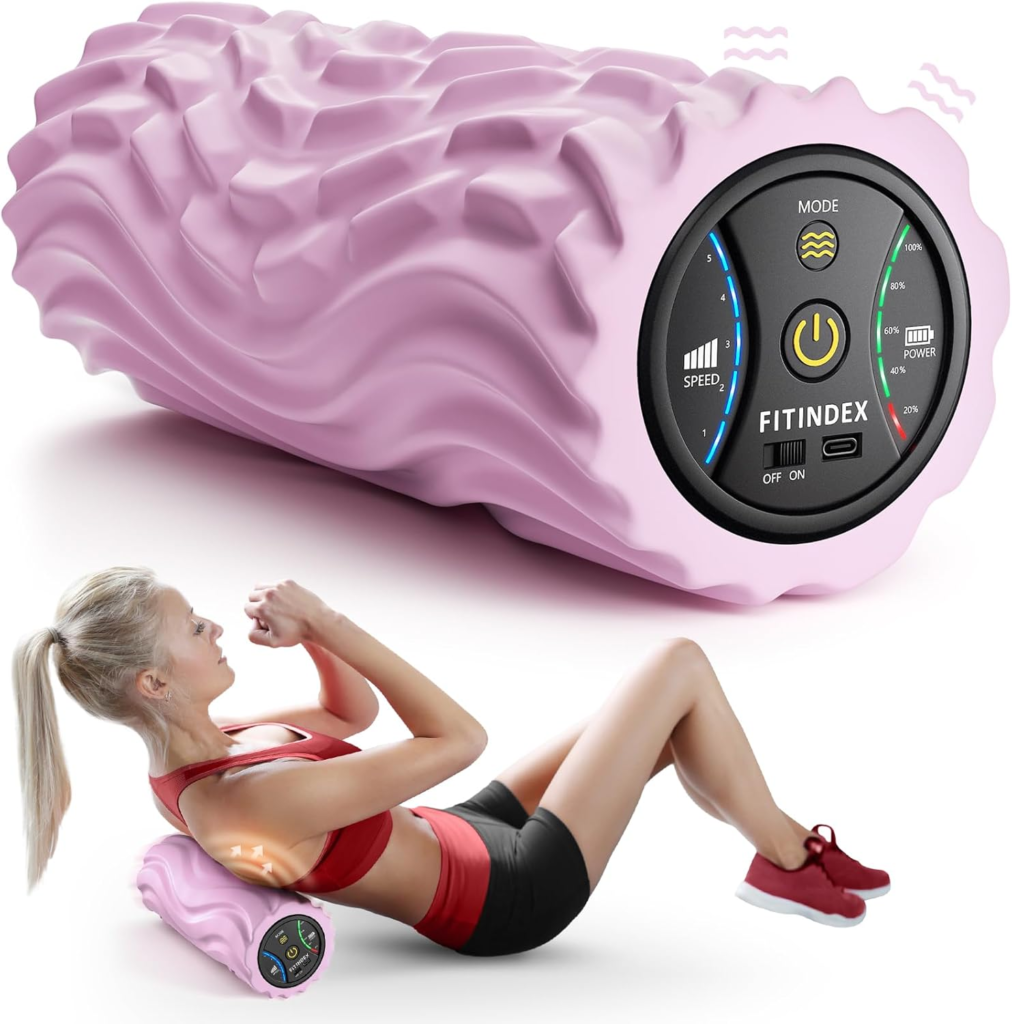
6. FITINDEX Vibrating Foam Roller
A more advanced option that combines rolling with vibration therapy. This helps relax muscles faster and can feel gentler than applying strong manual pressure.
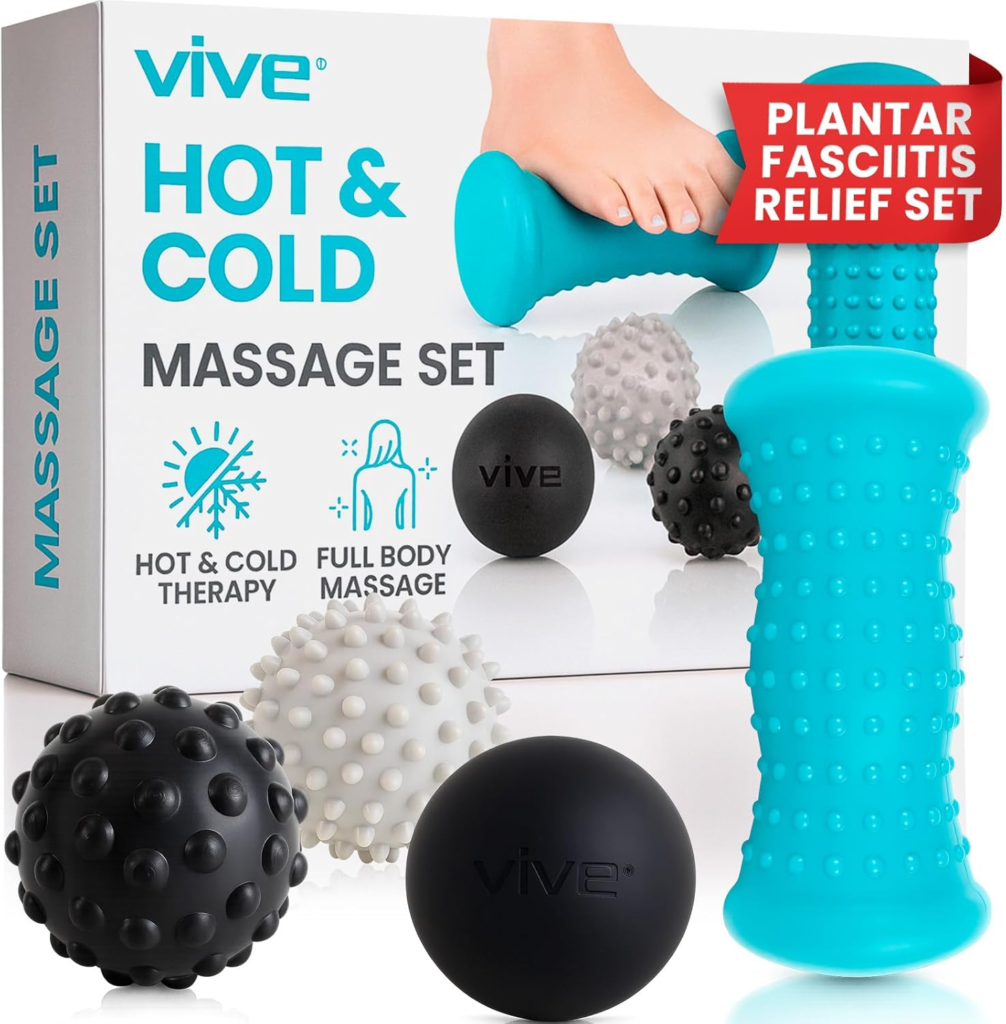
7. Vive Massage Ball Set
These small balls are ideal for targeting specific tight spots like glutes, feet, shoulders, and hip muscles where traditional rollers can’t reach.
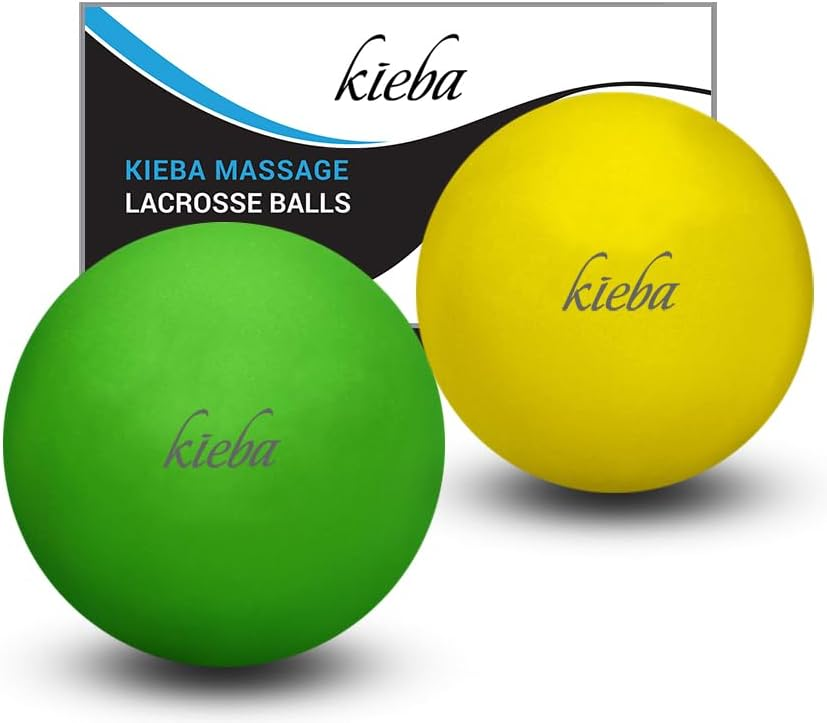
8. Kieba Massage Lacrosse Balls
Firm and compact, these balls are particularly effective for releasing deep tension in the back, calves, and plantar fascia.
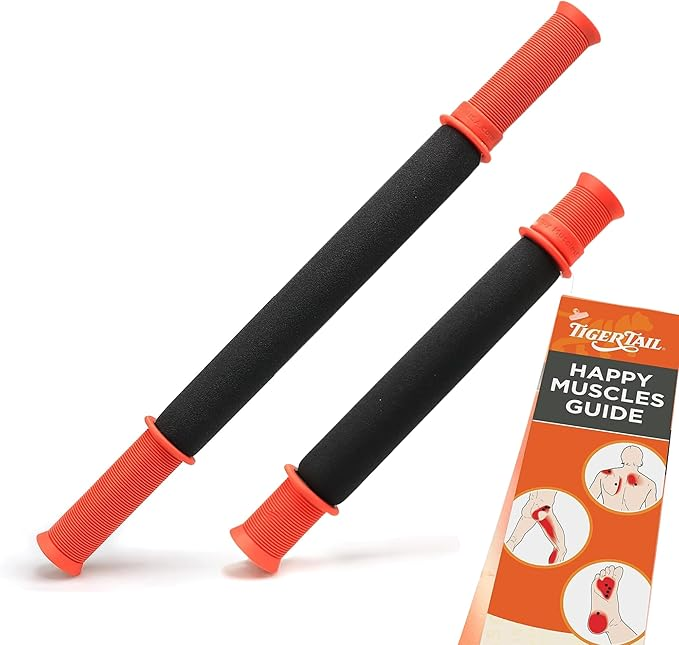
9. Tiger Tail Massage Stick
This handheld rolling stick allows controlled pressure on quads, hamstrings, and calves, making it easier to recover without getting on the floor.
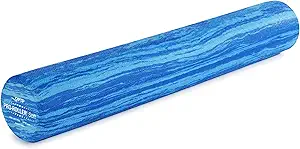
10. OPTP PRO-ROLLER Soft Density
A softer foam roller designed specifically for gentle recovery. It’s ideal if you have joint sensitivity or prefer a less intense rolling experience.
Next steps:
Choose tools based on your main recovery needs.
- If you want overall muscle relief, start with a medium-density foam roller.
- If you experience deep tightness, add massage balls or a textured roller.
- If soreness feels intense or joints are sensitive, consider softer rollers or vibration options.
Start slowly ~ just 5 to 10 minutes after workouts or before bed can significantly reduce stiffness and improve mobility over time.
Frequently Asked Questions
Why does recovery become more important after 40?
Muscle repair slows with age due to hormonal shifts, reduced circulation, and lower collagen production, making recovery tools especially valuable.
How often should you foam roll?
Most experts recommend 3–5 times per week, especially after workouts or on rest days.
Does foam rolling actually reduce soreness?
Yes. It improves blood flow, reduces muscle tension, and can help decrease delayed onset muscle soreness.
Is foam rolling safe for beginners?
Yes. Starting with gentle pressure and softer rollers helps prevent discomfort.
Should you roll before or after workouts?
Both can help ~ before workouts for mobility and after workouts for recovery.
What areas benefit most from rolling after strength training?
Common areas include glutes, hips, quads, hamstrings, calves, and upper back.
Can recovery tools prevent injury?
While not guaranteed, they help maintain flexibility, reduce tightness, and improve movement patterns, which lowers injury risk.
Everlywell 360 Full Body Test – 83 Biomarkers
Get a complete, high-level view of your health with one at-home test. This comprehensive panel measures 83 biomarkers across key health systems so you can spot trends, risks, and imbalances early.
- ✔ 83 biomarkers across metabolic, heart, thyroid, hormone & nutrient health
- ✔ CLIA-certified lab analysis
- ✔ Physician-reviewed results with clear explanations
- ✔ Simple at-home blood sample
FSA/HSA eligible • Comprehensive full-body insights
Disclaimer
The information contained in this post is for general information purposes only. The information is provided by Recovery tools for women 40+ who strength train and while we endeavor to keep the information up to date and correct, we make no representations or warranties of any kind, express or implied, about the completeness, accuracy, reliability, suitability or availability with respect to the website or the information, products, services, or related graphics contained on the post for any purpose.