

You might think hot flashes are the main thing you need to worry about during perimenopause. The reality is far more complex and honestly, far more interesting.
What exactly happens during perimenopause, biologically speaking? Your body doesn’t gradually wind down reproductive function like dimming a light switch.
Instead, it lurches through years of unpredictable hormonal chaos.
Estrogen levels bounce around like a stock market in free fall, symptoms appear and disappear without warning, and your brain tries desperately to recalibrate to a moving target.
Walk into any pharmacy’s menopause aisle and you’ll see rows of products promising relief, from herbal supplements to cooling sprays to vaginal moisturizers. Most women buy the wrong products because they’re addressing the wrong symptoms, or they don’t even realize their symptoms are perimenopause-related in the first place.
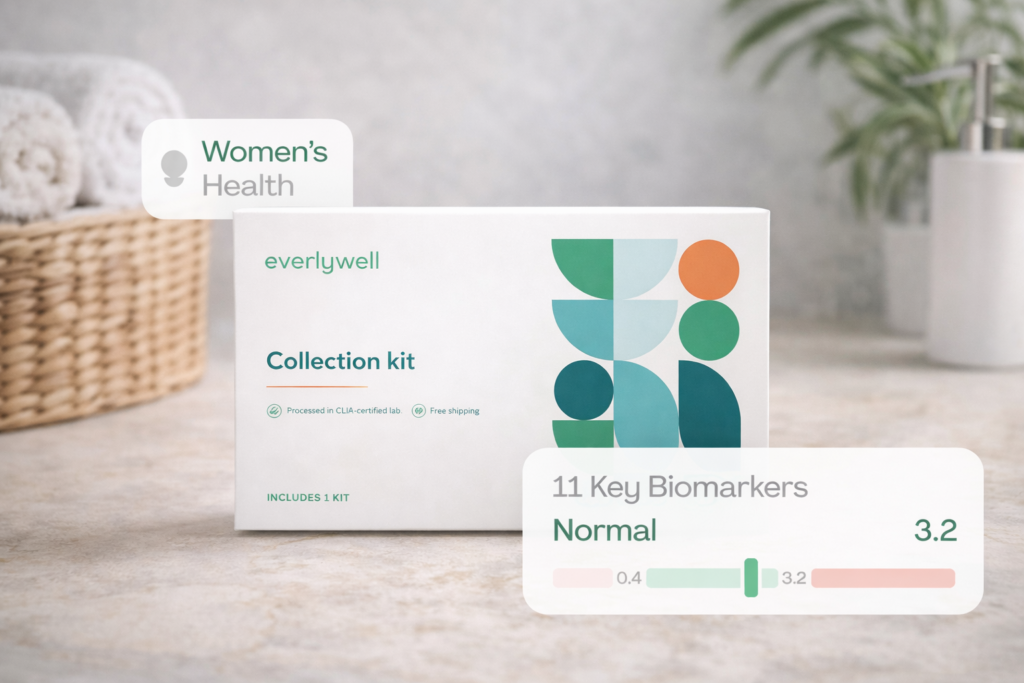
Everlywell Women’s Health Test – At-Home Screening
Wondering about your hormonal health, reproductive wellness, or perimenopause symptoms? This at-home test provides insights into key hormones affecting your overall health, all from the comfort of your home.
- ✔ Measures estradiol, progesterone, FSH, and LH
- ✔ CLIA-certified lab analysis
- ✔ Physician-reviewed, easy-to-read results
- ✔ Simple finger-prick blood sample from home
FSA/HSA eligible • Test from home • Personalized hormone insights
What Perimenopause Actually Is
Perimenopause is the transitional period leading up to menopause, typically starting in your early-to-mid 40s, though it can begin as early as your mid-30s. It usually lasts about five years, but that timeline varies dramatically from woman to woman.
Menopause itself is clinically defined as 12 consecutive months without a period, but perimenopause is the wild ride leading up to that milestone.
The basic issue is that estrogen fluctuates unpredictably. One week you might have estrogen levels comparable to your 20s, the next week they’ve plummeted to menopausal levels, then they spike again. Your body keeps trying to adjust to what it thinks is the new normal, but the target keeps moving.
This fluctuation, not the decline itself, triggers most of the symptoms women experience. Think of it like trying to regulate the temperature in a room where someone keeps randomly turning the thermostat up and down.
Your body can’t establish a new equilibrium because the conditions keep changing.
The 34 Symptoms Nobody Warned You About
Most people know about hot flashes and mood swings. What catches women completely off-guard is discovering there are actually 34 recognized perimenopause symptoms, and they affect nearly every system in your body.
These symptoms break down into three categories. Neuroendocrine symptoms affect your brain and nervous system: mood changes, irritability, insomnia, difficulty concentrating, brain fog, anxiety, depression, panic attacks, and decreased libido.
Physical symptoms are the longest list: night sweats, hot flashes, irregular periods, breast tenderness, headaches, weight gain, bloating, digestive problems, joint pain, muscle tension, decreased muscle strength, dizziness, taste changes, burning mouth sensation, heart palpitations, body odor changes, hair loss, brittle nails, itchy skin, tinnitus, bleeding gums, tingling extremities, and electric shock sensations.
Vulvovaginal symptoms center on vaginal dryness, thinning of vaginal walls, itching, burning, and painful intercourse.
The real kicker is that most women experience only a subset of these symptoms, and the combination is completely personal. One woman might sail through perimenopause noticing nothing beyond irregular periods, while another experiences debilitating brain fog, joint pain, and insomnia simultaneously.
Many perimenopause symptoms masquerade as other conditions. Joint pain gets dismissed as arthritis.
Brain fog gets attributed to aging or early dementia.
Heart palpitations send women to cardiologists who find nothing wrong. Tingling in the extremities triggers expensive neurological workups.
Hair loss gets blamed on nutritional deficiencies.
Recognizing these as perimenopause symptoms fundamentally changes your purchasing strategy. Instead of chasing expensive specialist consultations and tests for phantom conditions, you can target the actual hormonal root cause.
The Three Priority Symptoms That Matter Most
Menopause specialists consistently identify three symptoms that show up first and disrupt daily life most severely: difficulty sleeping, changes in sexual comfort, and fluctuating energy levels during the day paired with trouble winding down at night.
If you’re building your initial toolkit of solutions, addressing these three creates the most immediate quality-of-life improvement. Everything else, whether brain fog, joint pain, or mood swings, becomes more manageable once you’ve stabilized sleep, sexual comfort, and energy regulation.
This prioritization matters for purchasing decisions because it prevents you from buying 15 different supplements and products simultaneously, then having no idea which ones actually help. Start with the foundations, then build from there.
The Sleep Crisis as Foundation
Hot flashes and night sweats don’t just wake you up. They fragment your sleep architecture, preventing you from reaching deep restorative sleep stages.
This sleep deprivation then elevates cortisol levels, which creates a cascading effect worsening every other perimenopause symptom.
Higher cortisol amplifies mood swings, tanks concentration, increases anxiety, and makes temperature regulation even more dysfunctional.
This cascade effect means that treating sleep disturbance becomes foundational to managing all other symptoms. You can take all the brain fog supplements you want, but if you’re getting fragmented sleep four hours a night, nothing else will work effectively.
Sleep-focused solutions worth purchasing include magnesium-based sleep aids combined with calming botanicals like lavender and ashwagandha. These promote relaxation without the dependency issues of prescription sleep medications.
I’ve seen women who struggled with sleep for years find real relief within a few weeks of starting a good magnesium supplement.
Cooling sensation sleep products work by interrupting hot flashes through sensory experience rather than just biochemical action. Your nervous system responds to the cooling sensation itself, which can abort a hot flash before it fully develops.
Sleep spray formulations let you spray your pillow and bedding, using the calming scent as a behavioral cue for sleep. This conditioning effect becomes surprisingly powerful after consistent use.
Your brain starts associating that scent with sleep time, which triggers the relaxation response even before you fully settle in.
Beyond supplements, resistance training and regular exercise improve sleep quality independent of hormonal status. The goal is achieving seven to eight hours of sleep nightly, which often needs aggressive symptom management to accomplish during perimenopause.
Addressing Vaginal Dryness and Sexual Comfort
Vaginal dryness affects far more than just sexual function. It creates discomfort with routine gynecological examinations, discomfort with certain clothing, increased susceptibility to urinary tract infections, and a general feeling of irritation that many women find difficult to articulate to healthcare providers.
Treatment options progress from least to most interventional. Over-the-counter water-based vaginal lubricants provide immediate comfort during sexual activity.
These are entry-level solutions that work well for mild symptoms.
You apply them right before sex, and they provide temporary relief.
Vaginal moisturizers are used a few times weekly to maintain baseline vaginal moisture between sexual encounters, addressing the underlying dryness rather than just lubricating for specific activities. Products like K-Y Liquibeads work differently than lubricants because they’re designed to be absorbed into vaginal tissue rather than just coating the surface.
Local estrogen therapy delivered via creams, tablets, or vaginal rings represents a significant step up in effectiveness. Local vaginal estrogen carries virtually no systemic hormonal risk because the hormones don’t enter the bloodstream at therapeutically significant levels.
This makes it dramatically safer than many women and even some healthcare providers realize.
The estrogen stays local to the vaginal tissue, where it rebuilds and repairs the vaginal lining. You’re not getting systemic hormone exposure the way you would with estrogen patches or pills.
This distinction matters enormously for women who have contraindications to systemic estrogen therapy.
Prescription selective estrogen receptor modulators (SERMs) address vaginal atrophy without containing estrogen, actually rebuilding and repairing vaginal tissue rather than just lubricating it. Prasterone (brand name Intrarosa) is an FDA-approved daily topical application specifically for painful intercourse caused by vaginal changes during menopause.
For couples concerned about changes in arousal and sexual response, products like arousal serums create fast-acting cooling and tingling sensations through botanicals like peppermint, prickly ash, and ginkgo biloba. These work through direct sensory stimulation rather than hormonal mechanisms, providing immediate sensation that can compensate for decreased natural arousal.
Managing Brain Fog and Cognitive Function
Brain fog affects 40 to 60 percent of midlife women, manifesting as difficulty remembering words, forgetting names and numbers, inability to focus, and constant distractibility. The experience is genuinely frightening for many women who fear they’re developing early-onset dementia.
Research explicitly confirms that cognitive changes during perimenopause are mild, within normal limits for healthy aging, and dementia at midlife is extremely rare. This is a temporary disruption caused by hormonal fluctuation affecting neurotransmitter systems, not the beginning of neurological decline.
Ashwagandha supplements at 300 to 600 mg daily have shown improvement in cognitive function in menopausal women through research studies. Ashwagandha works as an adaptogen, meaning it helps your body adapt to stressors rather than replacing missing hormones.
Adequate sleep stays foundational to cognitive function. No supplement will compensate for chronic sleep deprivation.
If you’re sleeping poorly, fix that first before investing heavily in cognitive supplements.
Omega-3 fatty acids support brain health during hormonal transitions, particularly DHA, which is concentrated in brain tissue. The effective dose is typically 1000 to 2000 mg combined EPA and DHA daily.
Vitamin D and B vitamins support neurological function, with B vitamins particularly important for neurotransmitter synthesis. These are relatively inexpensive supplements with broad health benefits beyond just cognitive function.
The reality is that brain fog typically improves once hormonal levels stabilize after menopause. For most women, this is temporary cognitive disruption, not permanent decline.
That doesn’t make it any less frustrating while you’re experiencing it, but knowing it’s temporary helps with the anxiety component.
Addressing Mood Symptoms
Mood symptoms during perimenopause include irritability, anxiety, depression, and panic attacks. These can worsen existing mental health conditions or develop newly in women who’ve never experienced them before.
The sensitivity increase happens specifically before periods because of estrogen’s natural pre-menstrual dip, which becomes more pronounced during perimenopause when baseline estrogen is already fluctuating. You get bigger swings from higher to lower estrogen levels, which creates more dramatic mood changes.
Hormone replacement therapy often improves mood symptoms by stabilizing hormonal fluctuations. When estrogen stops bouncing around unpredictably, mood tends to stabilize as well.
Many women report that HRT makes them feel like themselves again after months or years of feeling emotionally out of control.
SSRIs and SNRIs address both mood symptoms and hot flashes simultaneously, making them particularly useful for women who cannot or prefer not to take hormone therapy. Low doses of these medications can reduce hot flash frequency and severity while also stabilizing mood.
Ashwagandha reduces stress and promotes emotional balance through its adaptogenic properties. The typical dose showing benefits is 300 to 600 mg daily, taken consistently for at least four to six weeks before evaluating effectiveness.
L-theanine, an amino acid found in green tea, promotes relaxation without sedation, reducing anxiety without making you drowsy. This makes it useful for daytime anxiety management when you need to remain alert and functional.
Sleep optimization stays critical here too. Sleep deprivation dramatically worsens mood symptoms, creating a vicious cycle where poor sleep increases irritability and anxiety, which then makes it harder to sleep the next night.
The Weight Gain Reality
Weight gain during perimenopause occurs despite unchanged diet and exercise, driven by metabolic shifts and hormonal changes. This is one of the most frustrating aspects for women because it feels like their body has betrayed basic thermodynamic principles.
The weight redistributes toward the abdomen specifically because of lower estrogen levels affecting fat metabolism and storage patterns. This represents a biochemical change in how your body processes and stores energy, not increased calorie intake or decreased activity.
Resistance training becomes absolutely essential during perimenopause because it keeps and builds muscle mass, which maintains metabolic rate. Muscle tissue burns more calories at rest than fat tissue, so preserving muscle mass is your best defense against metabolic slowdown.
You need to lift weights or do bodyweight resistance exercises at least two to three times per week. This becomes non-negotiable if you want to maintain your weight and body composition through perimenopause.
Hormone replacement therapy can minimize weight gain by partially restoring the hormonal environment that supported your previous metabolic rate. Many women find that HRT makes it easier to maintain their weight, though it’s not a magic solution.
Whole-foods-based diet emphasizing nutrient density matters more than calorie restriction, which can backfire by further slowing metabolism. Severe calorie restriction signals famine to your body, which responds by lowering metabolic rate even further.
The realistic expectation is that some weight gain is physiological and essentially inevitable. Fighting your body’s new baseline through extreme restriction tends to create worse outcomes than accepting a modest weight increase while focusing on body composition and metabolic health.
Evidence-Based Supplement Choices
If hormone therapy isn’t an option or you prefer supplemental support, several supplements have actual research backing rather than just marketing claims.
Magnesium supports relaxation, sleep quality, and stress management, with particular benefits for hot flashes and anxiety. Magnesium glycinate and magnesium threonate are forms with better absorption and fewer digestive side effects than magnesium oxide.
The typical dose is 300 to 400 mg daily, taken in the evening.
Omega-3 fatty acids support brain health and reduce inflammatory responses that may contribute to symptoms. Look for supplements providing at least 1000 mg combined EPA and DHA daily.
Fish oil is the most common source, though algae-based omega-3s work for vegetarians.
Vitamin D and calcium address the accelerated bone density loss during perimenopause, protecting against osteoporosis. Vitamin D also supports immune function and mood regulation.
Most women need 1000 to 2000 IU vitamin D daily, though some need higher doses based on blood levels.
Ashwagandha at 300 to 600 mg daily reduces stress, improves sleep, and supports cognitive function through adaptogenic mechanisms that help your body cope with hormonal fluctuation. Look for standardized extracts to confirm consistent potency.
Pollen extract demonstrated efficacy in clinical trials for reducing hot flashes, with extra benefits for fatigue and mood. This stays relatively unknown in Western menopause management despite having research support.
The brand Femal is one commercially available option.
Hormone Therapy Options
Systemic hormone therapy delivered via patches, pills, or creams treats many symptoms simultaneously by replacing declining estrogen. Estrogen patches paired with oral progesterone are often recommended as first-line treatment because patches carry lower blood clot risk than oral estrogen.
The patch advantage comes from transdermal delivery, which bypasses first-pass liver metabolism. When you swallow estrogen pills, they go through your liver before entering general circulation, which triggers production of clotting factors.
Patches deliver estrogen directly into the bloodstream, avoiding this liver effect.
Oral estrogen stays a valid option and may be preferred for convenience or cost reasons, but the blood clot risk difference is real and matters for women with cardiovascular risk factors. If you’re healthy with no clotting history, oral estrogen is probably fine, but patches are safer overall.
Local vaginal estrogen therapy addresses vaginal symptoms with virtually no systemic absorption, making it extremely safe even for women who cannot take systemic hormone therapy. You can use vaginal estrogen even if you have contraindications to systemic HRT.
Building Your Starter Kit
Rather than attempting to address all 34 symptoms simultaneously, a minimalist starter kit approach works better for most women.
A basic starter kit includes three products addressing the highest-priority symptoms. First, a sleep-support solution addressing night sweats and sleep fragmentation, such as a magnesium-based sleep supplement with lavender and ashwagandha.
Second, a vaginal comfort solution addressing dryness, such as a water-based lubricant or vaginal moisturizer. Start with over-the-counter options and escalate to prescription treatments if needed.
Third, an energy and focus support addressing daytime fluctuations, such as a morning supplement with B vitamins and adaptogenic herbs, or simply a good omega-3 supplement.
This minimalist approach provides immediate quality-of-life improvement while you work through whether you need systemic hormone therapy, extra supplements, or other interventions.
You can always add more targeted solutions once you’ve stabilized these three foundational areas, but starting with everything at once makes it impossible to know what’s actually helping.
Common Purchasing Mistakes
The biggest mistake women make is buying products marketed for “menopause” without understanding which specific symptoms those products address. A product marketed for hot flashes won’t help vaginal dryness.
A sleep supplement won’t fix brain fog if the brain fog is primarily caused by hormonal fluctuation rather than sleep deprivation.
Another common mistake is expecting instant results. Most supplements need four to six weeks of consistent use before you’ll notice meaningful effects.
Hormone therapy typically shows improvement within a few weeks, but optimal dosing may need adjustment over several months.
Women also often underdose supplements because they’re nervous about side effects, then conclude the supplement doesn’t work when they’re actually taking subtherapeutic amounts. Follow dosing guidelines on the label or from your healthcare provider.
Finally, many women abandon effective treatments too quickly when they don’t see dramatic immediate improvement, rather than giving the intervention adequate time to work. Give any new treatment at least four to six weeks before deciding it’s ineffective.
When to Escalate to Prescription Options
Consider escalating to prescription medications when over-the-counter solutions provide inadequate relief after four to six weeks of consistent use. If your symptoms significantly disrupt daily functioning, if you’re missing work because of insomnia, avoiding sexual intimacy because of pain, or experiencing anxiety that interferes with normal activities, prescription options warrant serious consideration.
You should also escalate if you’re uncertain whether hormone therapy is suitable given your personal or family medical history, if you have cardiovascular or thrombotic concerns, or if you need guidance on supplement-medication interactions. A healthcare provider experienced in menopause management can help navigate these decisions.
People Also Asked
What age does perimenopause usually start?
Perimenopause typically begins in the early-to-mid 40s, though some women start experiencing symptoms in their mid-30s. The average age is around 45, but there’s significant person variation.
If you’re experiencing irregular periods, sleep disruption, or mood changes in your late 30s or early 40s, perimenopause is a strong possibility.
How long does perimenopause last on average?
Perimenopause usually lasts about five years, though the range is anywhere from a few months to ten years. The transition ends when you’ve gone 12 consecutive months without a period, which marks the beginning of menopause.
Symptom severity and duration vary dramatically between women.
Can perimenopause cause extreme fatigue?
Yes, extreme fatigue is a recognized perimenopause symptom. The fatigue comes from many sources: disrupted sleep from night sweats and hot flashes, hormonal fluctuations affecting energy metabolism, and the stress response from constantly fluctuating cortisol levels.
Addressing sleep quality typically improves fatigue significantly.
Does ashwagandha help with perimenopause symptoms?
Research shows ashwagandha at doses of 300 to 600 mg daily can improve several perimenopause symptoms including stress, sleep quality, and cognitive function. As an adaptogen, it helps your body cope with hormonal fluctuation rather than replacing hormones.
Most women need four to six weeks of consistent use to notice benefits.
What is the best magnesium for perimenopause?
Magnesium glycinate and magnesium threonate are the best forms for perimenopause because they have better absorption and fewer digestive side effects than magnesium oxide. They support sleep quality, reduce anxiety, and may help with hot flashes.
The typical dose is 300 to 400 mg daily, taken in the evening.
Can vaginal estrogen be used long-term safely?
Yes, local vaginal estrogen is safe for long-term use because it doesn’t result in significant systemic absorption. The estrogen stays local to vaginal tissue, where it rebuilds and repairs the vaginal lining without entering the bloodstream at therapeutically significant levels.
This makes it safe even for women who cannot use systemic hormone therapy.
Are estrogen patches safer than pills?
Estrogen patches carry lower blood clot risk than oral estrogen because they bypass first-pass liver metabolism. When you swallow estrogen pills, they trigger production of clotting factors in the liver before entering general circulation.
Patches deliver estrogen directly into the bloodstream, avoiding this effect.
For women with cardiovascular risk factors, patches are the safer choice.
Key Takeaways
Perimenopause involves 34 recognized symptoms affecting nearly every body system, not just hot flashes and mood swings.
The three highest-priority symptoms disrupting daily life are sleep disturbance, sexual discomfort, and energy fluctuation.
Smart purchasing starts with identifying your specific symptom profile rather than buying generic menopause products.
Sleep management is foundational because sleep deprivation creates a cascading effect worsening all other symptoms.
Local vaginal estrogen carries virtually no systemic risk, making it far safer than most women realize.
Estrogen patches have lower blood clot risk than oral estrogen, making them the preferred hormone delivery method for most women.
Evidence-based supplements include magnesium, omega-3 fatty acids, vitamin D, calcium, ashwagandha, and pollen extract.
A minimalist starter kit addressing sleep, sexual comfort, and energy provides the best foundation before adding extra interventions.
Most supplements need four to six weeks of consistent use before showing meaningful effects.
Escalate to prescription options when over-the-counter solutions provide inadequate relief after adequate trial periods.
Everlywell Women’s Health Test – At-Home Screening
Wondering about your hormonal health, reproductive wellness, or perimenopause symptoms? This at-home test provides insights into key hormones affecting your overall health, all from the comfort of your home.
- ✔ Measures estradiol, progesterone, FSH, and LH
- ✔ CLIA-certified lab analysis
- ✔ Physician-reviewed, easy-to-read results
- ✔ Simple finger-prick blood sample from home
FSA/HSA eligible • Test from home • Personalized hormone insights
Find out our Recommended products for women navigating menopause; visit: https://www.vitalwomenwellness.com/navigating-menopause-key-nutrients-for-a-balanced-diet/
Disclaimer
The information contained in this post is for general information purposes only. The information is provided by Understanding Perimenopause: A Buying Guide and while we endeavor to keep the information up to date and correct, we make no representations or warranties of any kind, express or implied, about the completeness, accuracy, reliability, suitability or availability with respect to the website or the information, products, services, or related graphics contained on the post for any purpose.